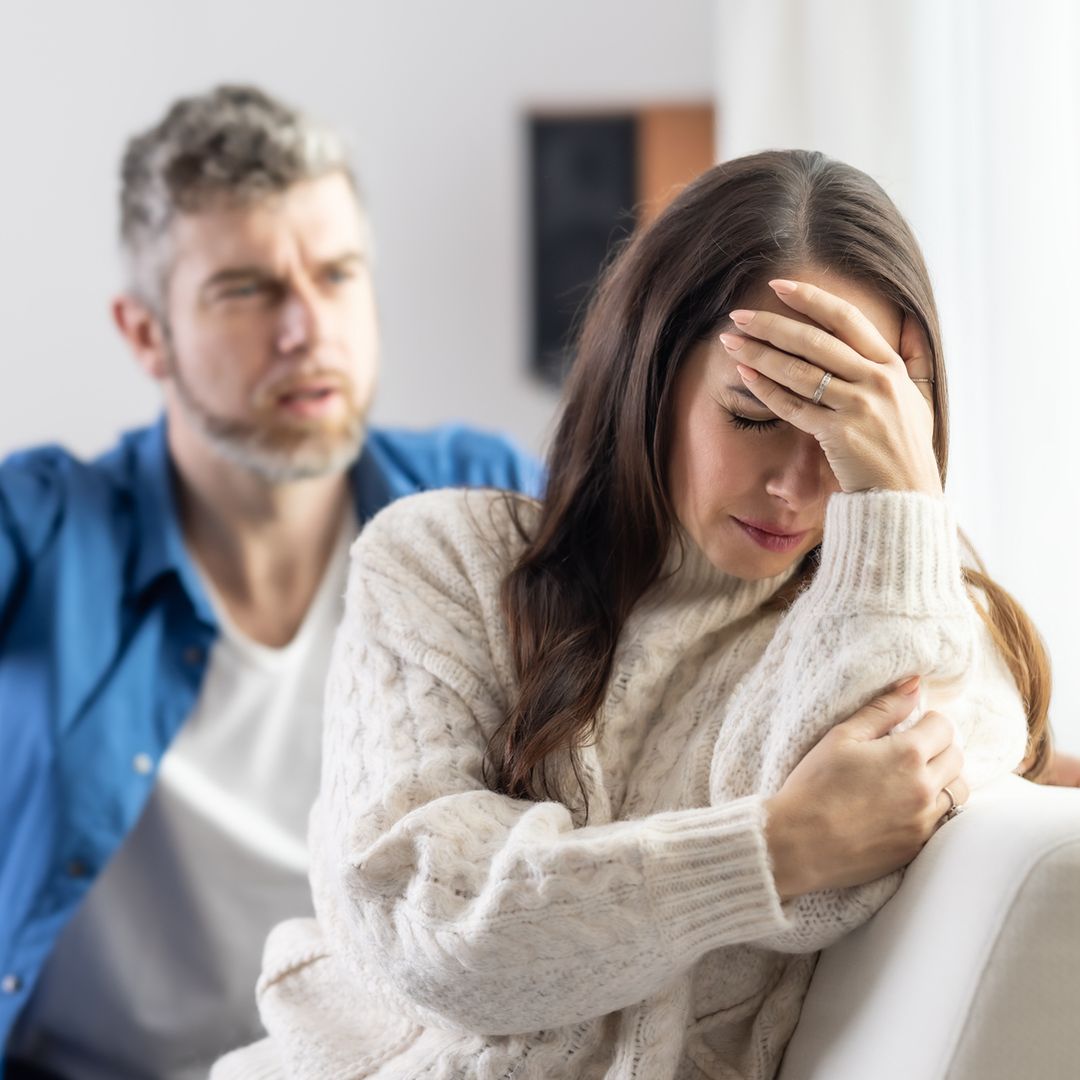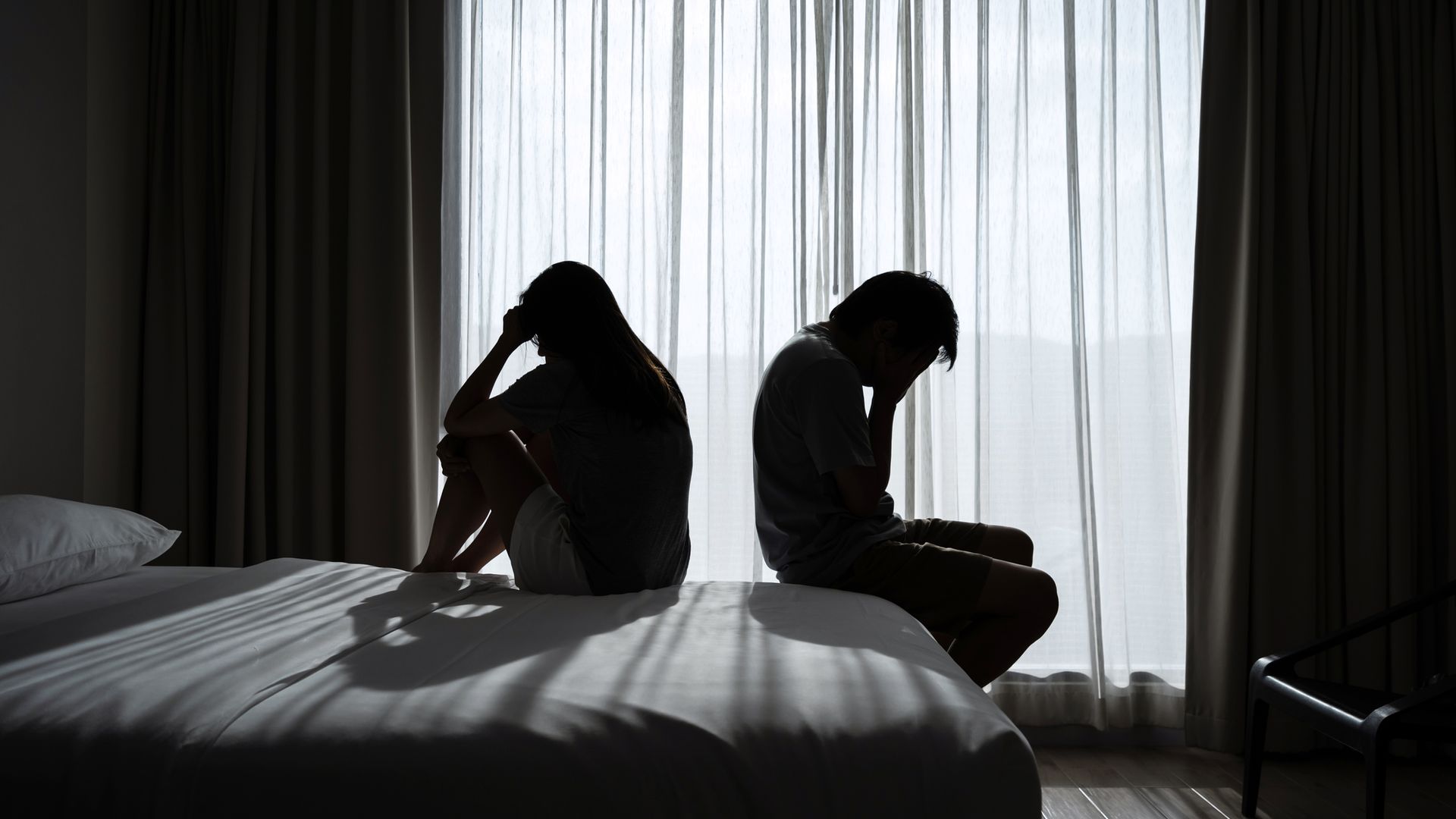

"I’m addicted to you, don’t you know that you’re toxic?" Over 20 years have passed since Britney Spears sang about toxic relationships in her chart-topping hit, Toxic, but the lyrics will likely still ring true for anyone who has experienced one for themselves.
And while you may think that it’s obvious if you’re in an unhealthy relationship, experts have warned that some signs may actually be much more subtle, and go under the radar for much longer. To understand more about toxic relationships and how to establish healthier boundaries, HELLO! sought guidance from a clinical psychologist and a licensed marriage and family therapist, who revealed the red flags to look out for.
What makes a relationship toxic?
"What makes a relationship toxic are behaviours, conscious or unconscious, that cause their partner emotional, mental, or physical harm," says Reesa Morala, a licensed marriage and family therapist and owner of Embrace Renewal Therapy.
Meanwhile, Nicole Issa, a clinical psychologist at PVD Psychological Associates, says that the signs are not always obvious to the victim, as it may seem to them that their partner is "protective" rather than controlling.
"There’s a lot of conditioning that goes on in a toxic relationship. When you’re good, I’ll give you the world. When you question me, I’ll punish you (in the psychological sense)," she says. "It’s extremes of behaviour and very draining for the victim, so they just begin to comply for a peaceful existence."
 © Getty Images/iStockphoto
Subtle signs you may be in a toxic relationship
Reesa says these are some of the subtle signs that you may be in a toxic relationship:
Criticisms:
"Frequent critiques on things you should or shouldn't be doing, highlighting perceived failures, and expressions of complaints that are purely blaming their partner."
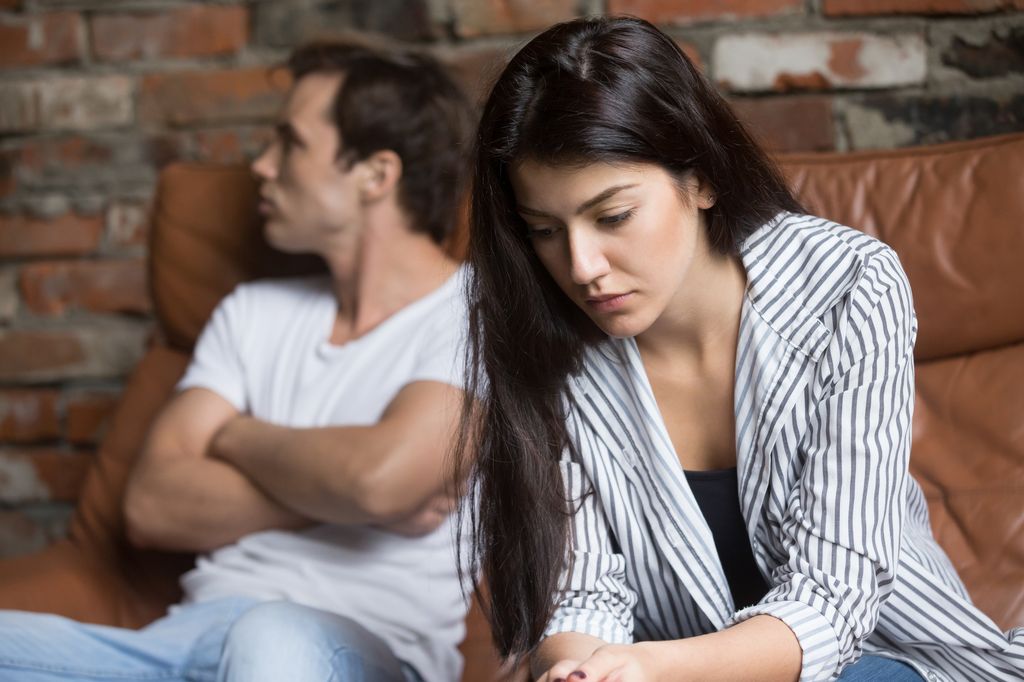
Gaslighting:
"Convincing that what you are expressing or feeling didn't happen or is an overreaction, and that is why they have no validity."
 © Getty Images/iStockphoto
Stonewalling:
"Shutting down or disengaging at any sign of distress or discomfort and using this as the consequence for any expressed concerns or complaints."
Manipulation:
"Utilising guilt, freezing out, or leading questions to get their way."
Blaming:
"Taking little to no responsibility for transactional engagements, distress, or their behaviour and actions."
Defensiveness:
"This is often a roundabout, covert way of blaming that can look like turning the conversation to focus on what the other partner did wrong or how they caused it."
Invalidation:
"Telling their partner their thoughts or feelings are wrong, not good enough, dramatic, or their own problem."
Why do people stay in a toxic relationship?
"Oftentimes, people stay in relationships like these because it may be known behaviours that they've experienced in other relationships, so it has been normalised. Some stay because they are fearful or insecure about finding a partner or being deemed ‘too picky,’" Reesa believes.
 © Getty Images/iStockphoto
Clinical psychologist Nicole adds that feelings of self-doubt caused by their partner’s behaviour may also contribute to a person staying in the relationship. "It’s the doubt the victim experiences that leaves them feeling it could be them imagining things and that things ‘will get better’ or even that it’s their fault their partner is behaving like that," she explains. "If someone repeatedly finds themselves in relationships like this, it becomes almost addictive. Not the bad days, but the days when things are amazing and the victim is put on a pedestal – these are the moments they cling on to, hoping for more."
Nicole continues: "If someone does start to realise what’s happening, it can be utterly demeaning and leave that person feeling they can’t ever admit this to anyone. They know they should have already left and now they’re scared of the reaction from family and friends on top of having to actually leave the person they still love."
How to create healthier relationships
If you recognise any of these red flags in your own relationship, it may help to speak to a therapist or confide in friends or family to seek advice and support. Learning to recognise these patterns early can help you to establish healthier relationships, develop further self-awareness and heal from any past damaging relationships.