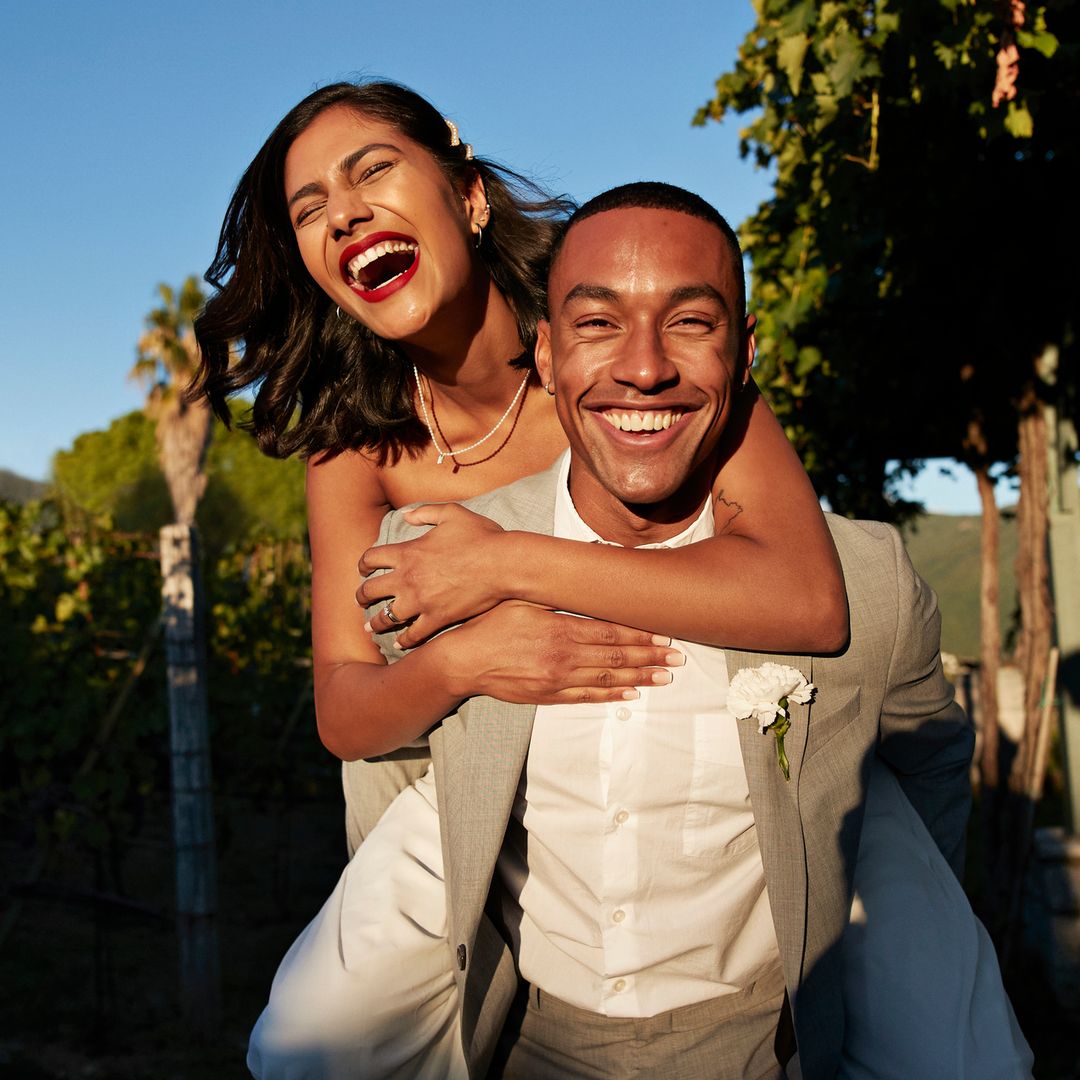

Oh, the glorious early days of a relationship – everything's joyful and liberating, and romance feels alive but easy at the same time. The experts have a name for it: the 'honeymoon phase'. Finding the love of your life isn't supposed to be easy, and all true love takes time. We all get overwhelmed when we find ourselves in the throes of a new relationship for the first time. I know I certainly have! But it's so crucial not to make the mistake of giving up; in fact, experts believe that these challenges might be the first sign that real love is starting to blossom.
Though the transition can be difficult, the end of the honeymoon phase is actually the beginning of the real relationship. Find out everything about the honeymoon phase, how long it lasts, the signs it's coming to an end, and how to handle the transition, here.
 © Getty Images
What are the origins of the honeymoon phase?
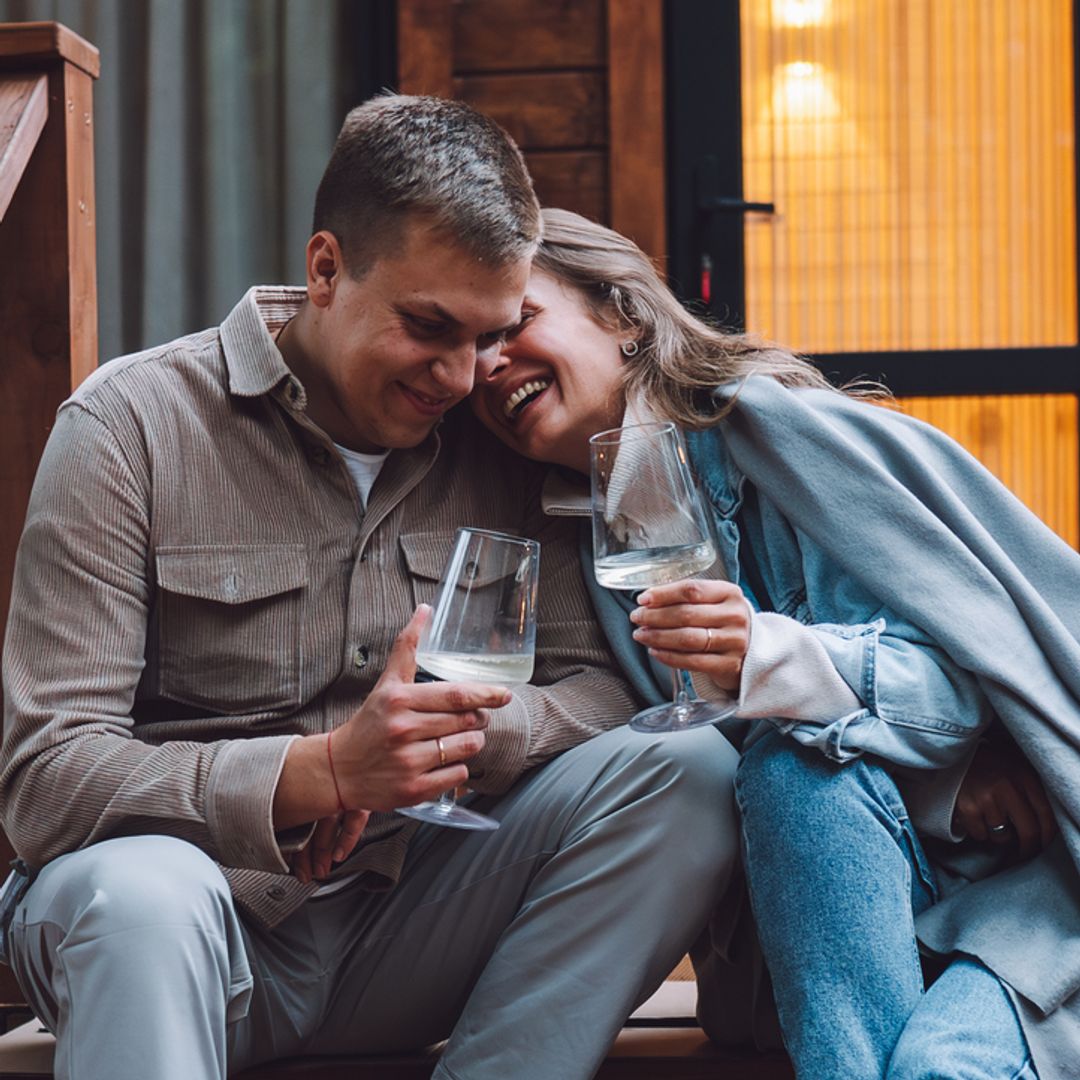
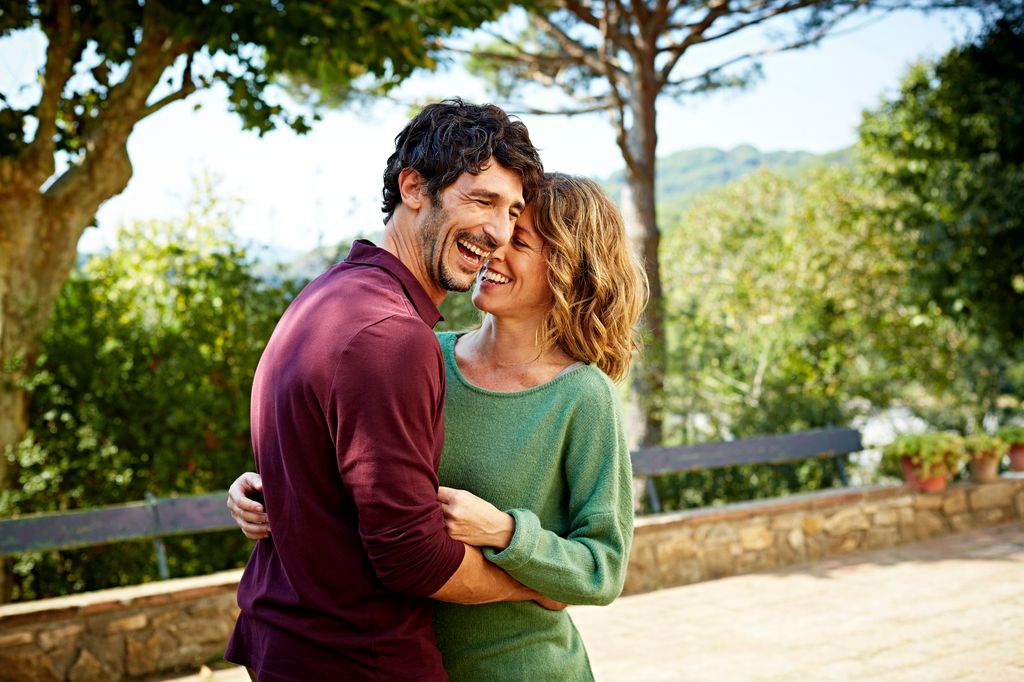
The concept of the honeymoon phase is rooted in both human biology and psychology. According to Rachel MacLynn, a chartered occupational psychologist who is an associate fellow with the British Psychological Society and also founded her own psychology-led matchmaking service, MacLynn, the feelings of the honeymoon phase are "nature's way of encouraging bonding and attachment in the early stages of a relationship".
She continues: "When we meet someone new and exciting, our brains release chemicals like dopamine and oxytocin, which heighten attraction and connection." From the matchmaker's perspective, Rachel calls it an "exciting, but temporary phase" that establishes closeness before transforming into something with more longevity and depth.
 © Getty Images
How long does the honeymoon phase last?
Unfortunately, it isn't so easy to pin down exactly how long the honeymoon phase lasts, because it varies so much between couples, with the experts providing estimates ranging between a month and a couple of years. Giovanna Smith, professional relationship coach with the International Association of Professions Career College and founder of ABIA-registered matchmaking agency Perfect Fusions, explains that it ends because "the body can't stay in that heightened emotional state forever".
"For most couples, the honeymoon phase lasts anywhere from six months to two years," the matchmaker adds. "Over time, those chemical surges naturally level out and are replaced by deeper forms of attachment and trust. It's not that the love fades, it simply evolves." Giovanna explains that the end of the honeymoon phase marks the maturation of love from "passion-fuelled intensity to something more grounded, consistent and emotionally secure."
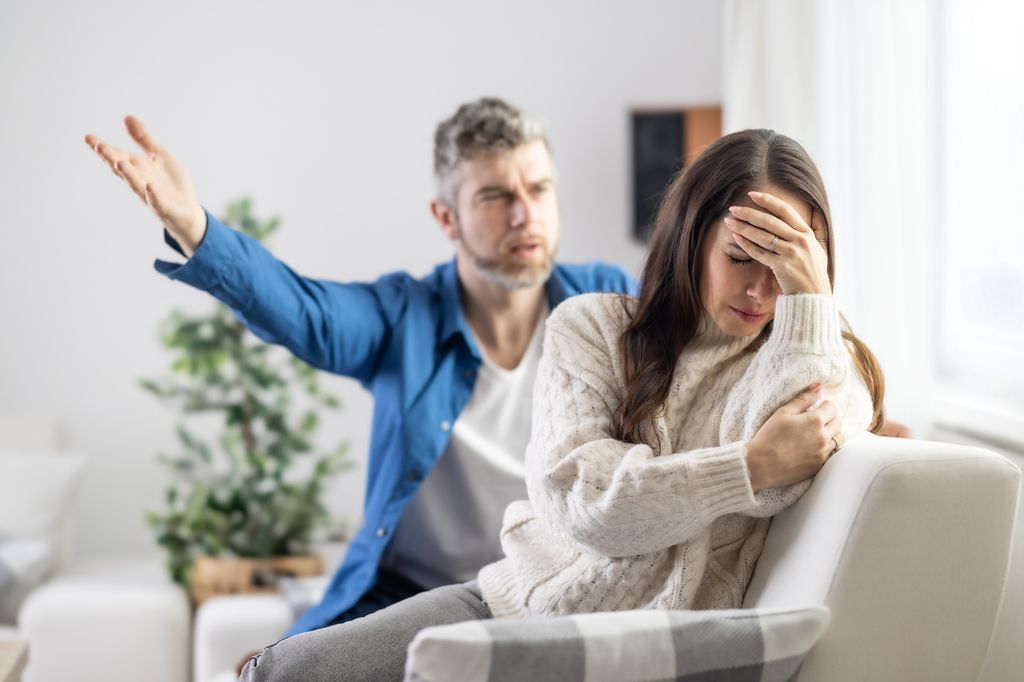
Similarly, Jane Haynes, a relationship psychotherapist with 25 years of experience in the industry who practices with Central Health London, explains that "real life will always return". She continues: "By glamourising the honeymoon stage too much, we are paving the way for the relationship's demise. If we focus on reality from the beginning, the relationship will have a greater lifespan."
 © Getty Images
The signs that your honeymoon phase is coming to an end
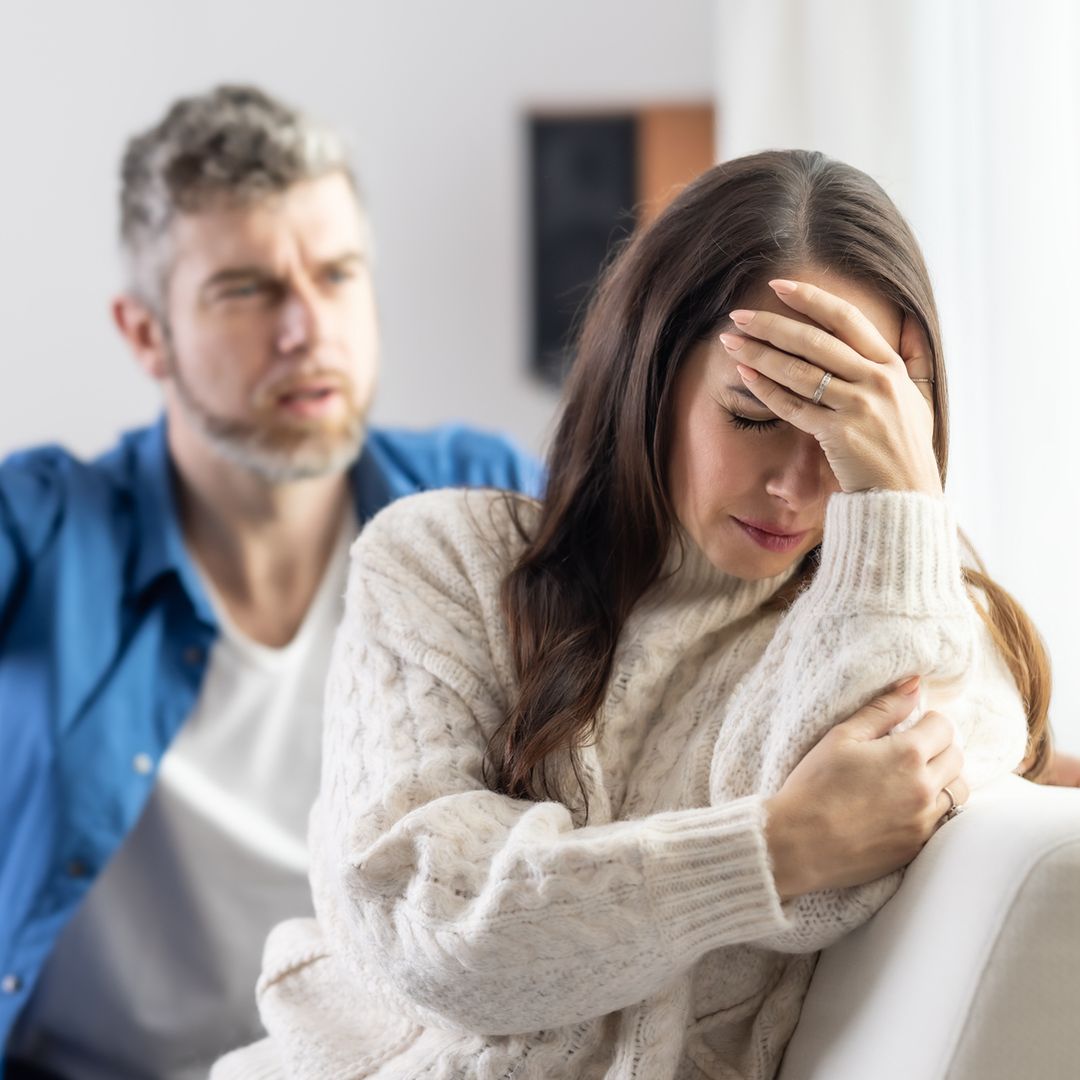
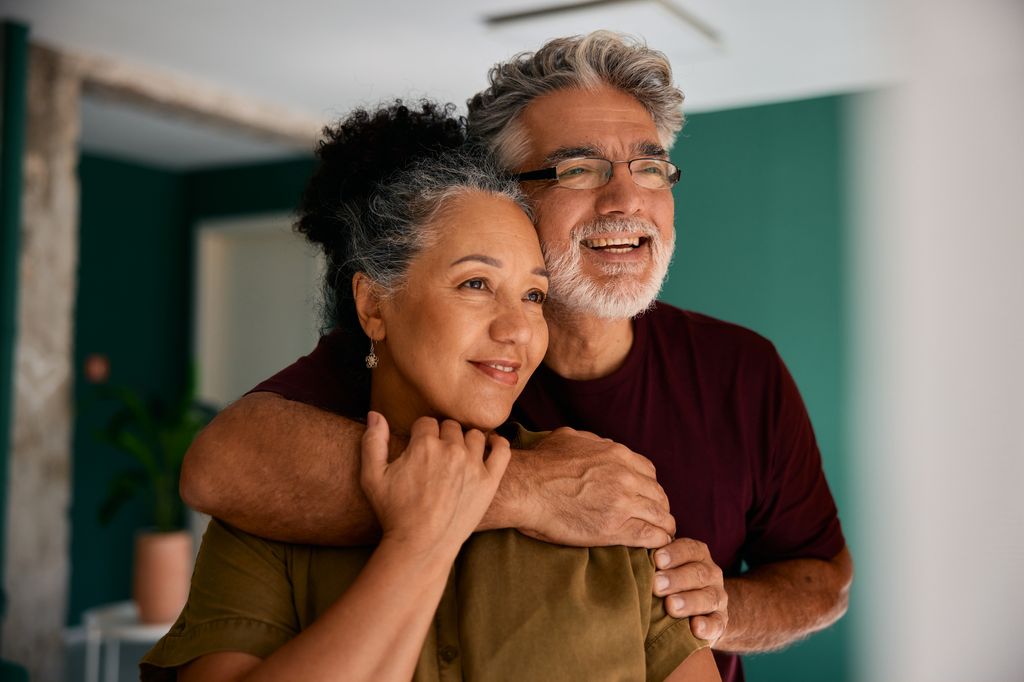
Rachel explains that there are quite a few things to watch out for when it comes to the end of the honeymoon phase. "You might notice less intensity or spontaneity, and everyday routines may begin to take precedence over grand gestures," she notes. "Small annoyances can start to surface, and you may realise you're seeing your partner more clearly, beyond the initial infatuation." She asserts that "this is not negative", but rather signals the beginning of "a more authentic phase where real compatibility and emotional maturity matter most".
Giovanna frames the change as "the constant butterflies settle into comfort", elaborating: "You might find yourself having your first disagreements or needing more personal space. This doesn't mean the relationship is failing, it's just becoming real. You're starting to see each other as whole people, not idealised versions, and that's actually a healthy sign of progression."
 © Getty Images
What happens after the honeymoon phase is over?
Once it comes to an end, "couples step into the reality of long-term love," according to Giovanna. She explains that this stage of the relationship is "less about idealisation and more about building something stable, fulfilling and real". The relationship coach adds: "It is where emotional intimacy begins to deepen – where you learn to support each other, align your lives, and invest in the relationship with intention. It may feel less euphoric, but it is far more rewarding."
It may be rewarding, but it certainly isn't easy to handle that transition out of the honeymoon phase. Sharing her tips for managing the changes, Jane suggests "chatting and serious conversations". She elaborates: "Trying to find a moment every day when you say something to your partner that you would be unlikely to say to anyone else. Be open about your feelings and your worries and fears. They're bound to have the same too!"
The relational psychotherapist also suggests taking up a "shared and novel hobby which challenges previous boundaries," such as each partner stepping out of their comfort zone to try something the other loves. Above all, she stresses: "Learning to listen and not interrupt each other is essential for a couple's life. Learning to mature in a relationship will inevitably involve compromise, one of the most useful relational skills we have. And do not look for perfection – it does not exist!"
As with everything, relationships start off with simple joy before they get incredibly difficult. However, it's vital never to forget that things need to be tough before they get good again, and that the end of the honeymoon phase isn't something to be afraid of: it's the first sign that something truly profound lies ahead.
If you and your partner are personally struggling to navigate this transition, finding that your small disagreements are turning into bigger conflicts, you may want to turn to a relationship therapist, who can provide a neutral safe space for you both.
You can find accredited relationship therapists in the UK through various organisations, such as Relate or the BACP (British Association for Counselling and Psychotherapy).