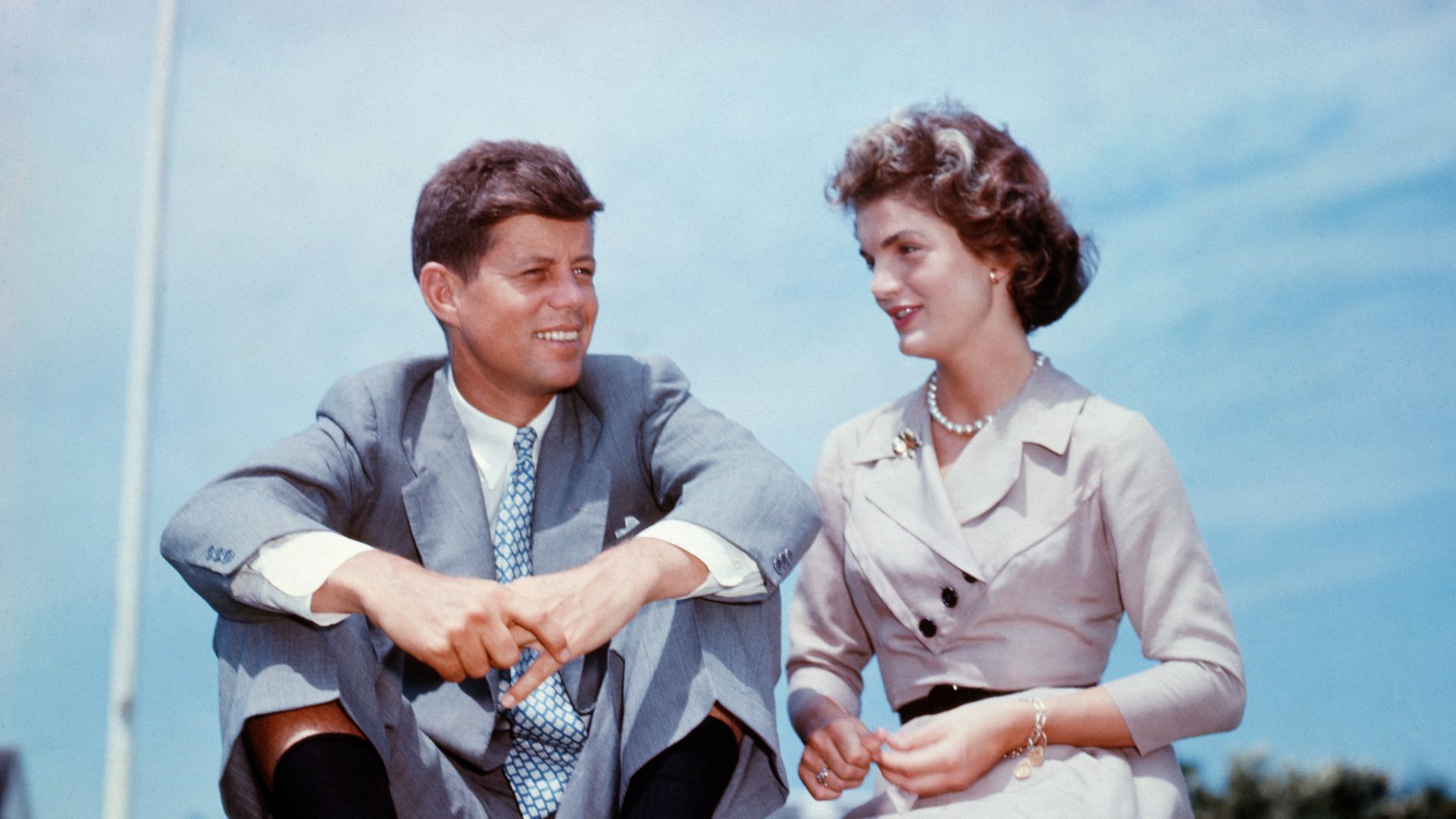

Beyond the Oval Office and John F. Kennedy’s meteoric rise from senator to president, it was the love he shared with Jackie Kennedy that truly captivated the world. Their 10-year marriage was filled with glamorous public appearances that inspired hope in the American public, yet carried the weight of personal tensions and heartbreaking family moments.
To mark 62 years since the former President was tragically assassinated in Dallas, we’re taking a look back at his remarkable union with Jackie O through photos, from their elegant wedding in Rhode Island to their time in the White House, tracing how they became one of the world’s most unforgettable couples.
 © Bettmann Archive
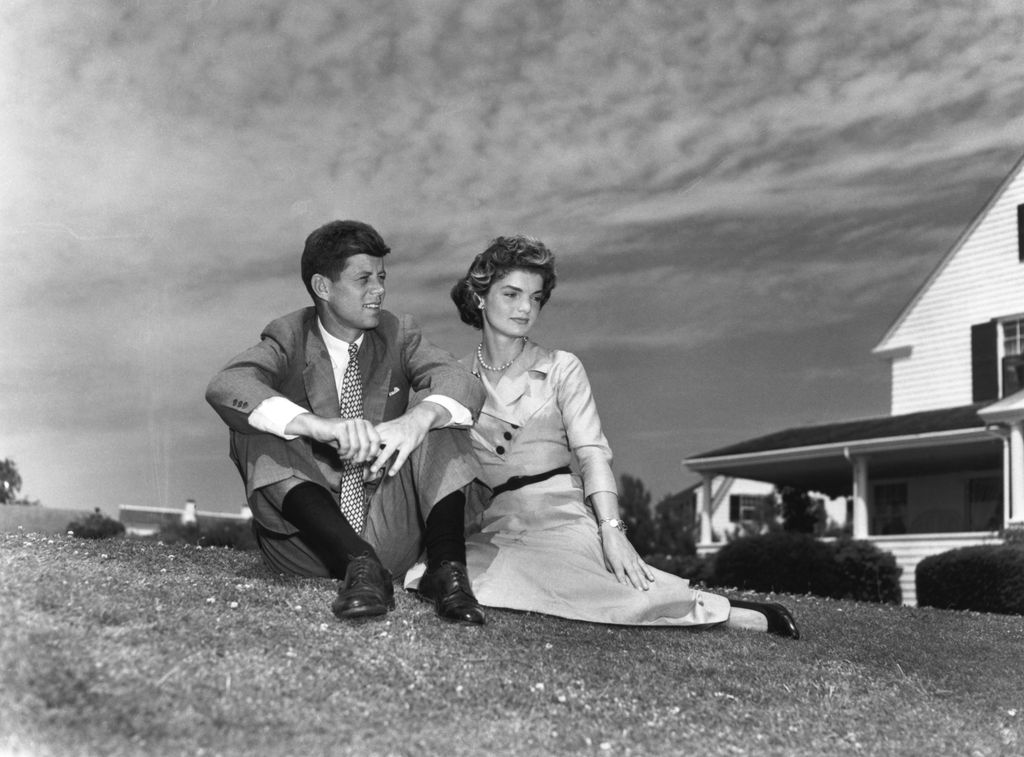
It was love at first sight for the couple
First meeting and engagement (1952–53)
Although their social circles overlapped in East Coast high society, John F. Kennedy and Jacqueline Bouvier didn’t formally meet until a dinner party in May 1952. The evening was hosted by journalist Charles L. Bartlett, a mutual friend, who introduced the future First Couple.
Sparks reportedly flew immediately between the two – Jackie, then a stylish, ambitious young reporter for the Washington Times-Herald, and JFK, a charismatic U.S. Senator from Massachusetts already making waves in politics. According to the book Camera Girl: The Coming of Age of Jackie Bouvier Kennedy (2023) by Carl Sferazza Anthony, Jackie knew her world was about to change, telling a friend that she thought JFK would have “a disturbing effect on my life”.
 © Getty Images
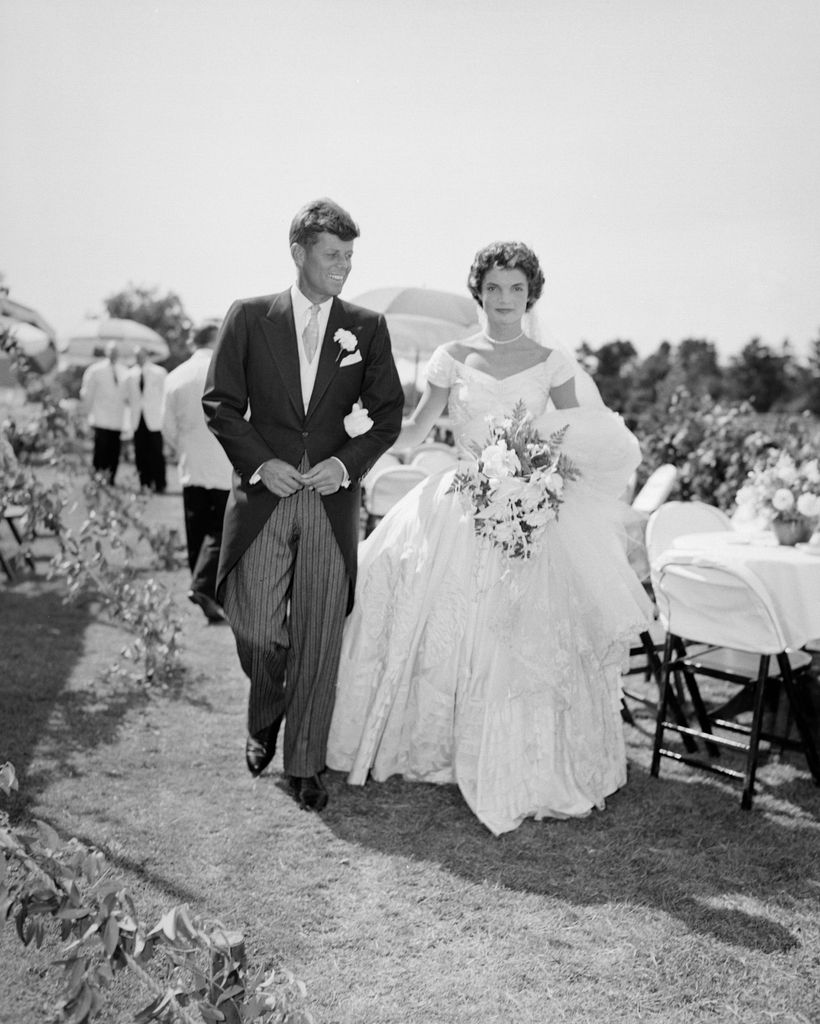
Jackie's radiant look became popular among other brides
Wedding (1953)
After roughly a year of dating, the couple became engaged in June 1953, before tying the knot in a lavish ceremony in Newport, Rhode Island later that year. The wedding was a glittering social event, with an estimated 1000 guests attending the reception, and plenty of press eager to capture the prominent couple’s nuptials.
Jackie wore a radiant ivory taffeta gown designed by Ann Lowe, one of the first prominent African American fashion designers. The elegant silhouette went on to have a major impact on American fashion choices in the era, cementing her early status as a cultural trendsetter.
 © Bettmann Archive
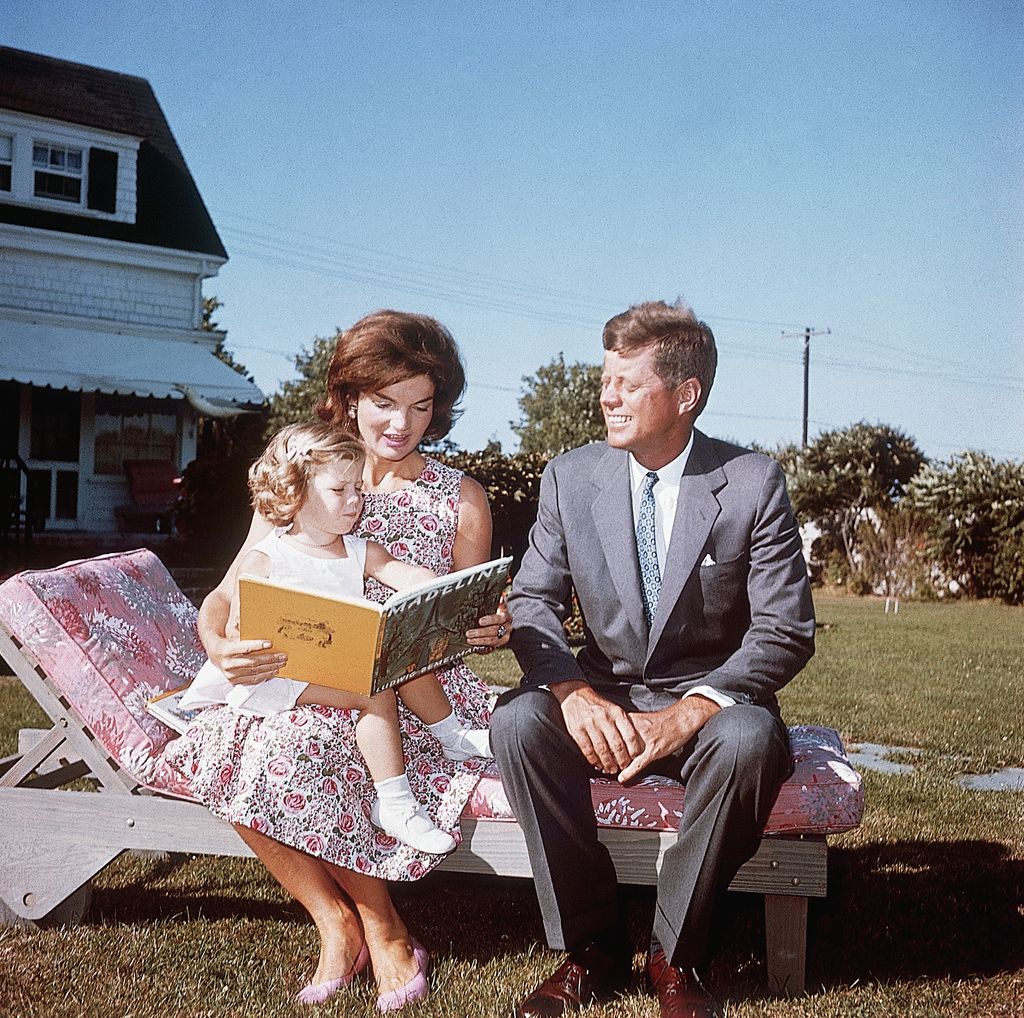
The couple's first years of marriage were marked by some difficult tragedies
Family struggles and the birth of Caroline (1950s)
The 1950s were a period of both hope and heartache for JFK and Jackie. Despite their youthful glamor and public charm, starting a family proved fraught with tragedy; Jackie suffered a miscarriage in 1955, and gave birth to a stillborn daughter, Arabella, in 1956.
JFK, continuing his rise in the Senate, faced the pressures of a political career that demanded constant travel, making these losses even more difficult. Their first surviving child, daughter Caroline, was born in 1957. In a letter Jackie wrote to JFK after Caroline’s birth, she wrote, “At last a baby we both love.”
 © Bettmann Archive
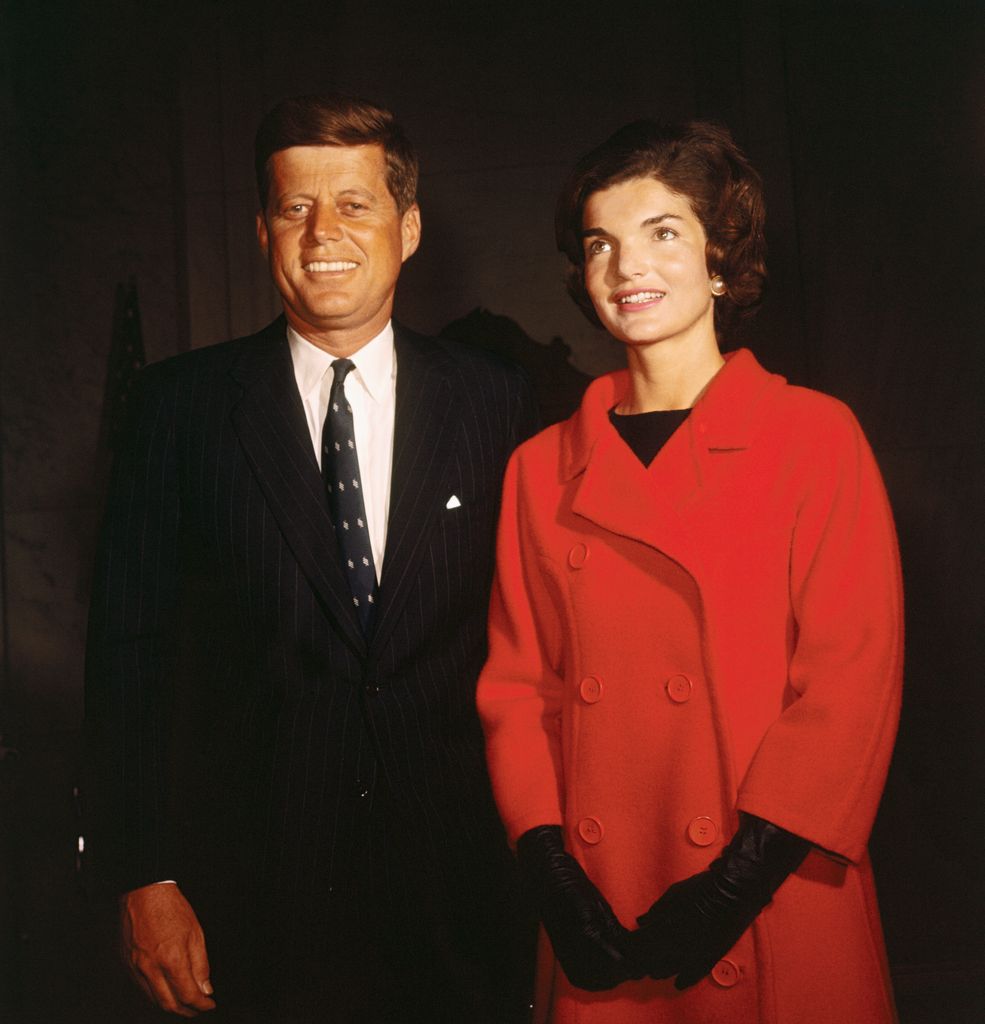
The duo were a fresh-faced power couple
Presidential nomination (1960)
Fresh from his term as a U.S. Senator from Massachusetts, JFK launched a campaign for the Democratic presidential nomination. Considered a fresh face, eligible to lead a new generation out of the conservative decade of the ‘50s, he ran on the back of his proven political success, as well as the prospect of being the youngest elected president.
Jackie’s poised appearance and carefully curated wardrobe on the campaign trail was a key part of JFK’s image, helping to craft the appearance of a glamorous and aspirational First Couple, which bolstered his momentum toward a historical nomination and eventual win.
 © Bettmann Archive
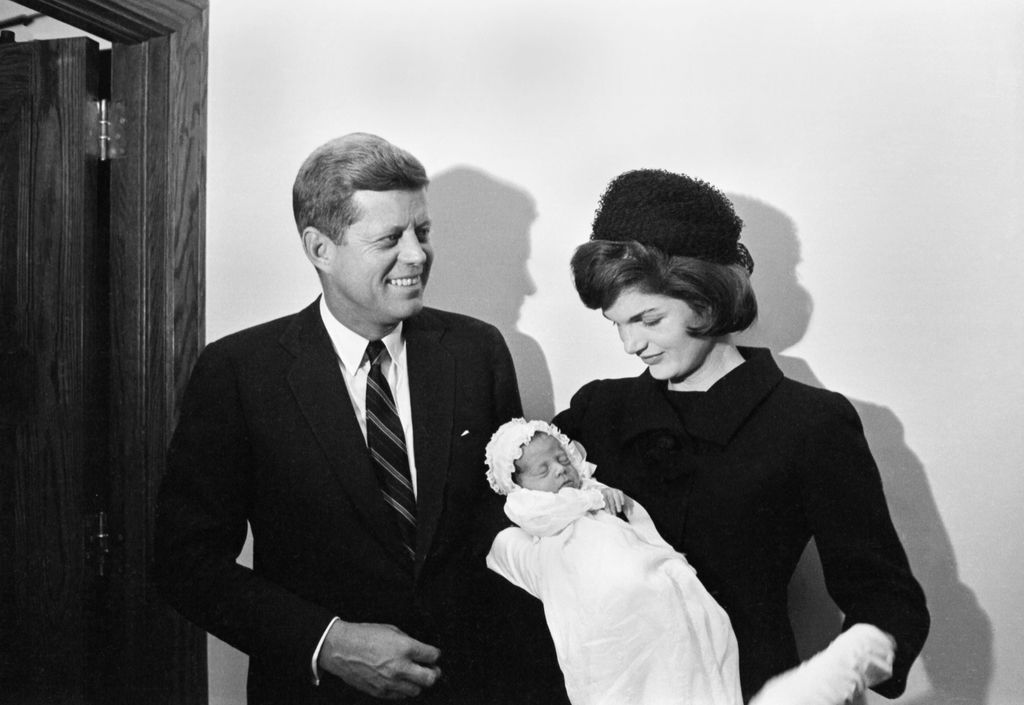
The Kennedys' son was born shortly before JFK's inauguration
The birth of John F. Kennedy, Jr. (1960)
Shortly before JFK’s inauguration in January of 1961, the Kennedys welcomed their second child, son John F. Kennedy, Jr. Affectionately nicknamed “John-John” by the press, he became an instant symbol of the family’s youth and vitality. Jackie and her son were photographed endlessly, with magazines and newspapers capturing their every smile going into JFK’s first term as president.
 © Getty Images
Jackie was a beloved ambassador for the arts
Presidential era (1961–1963)
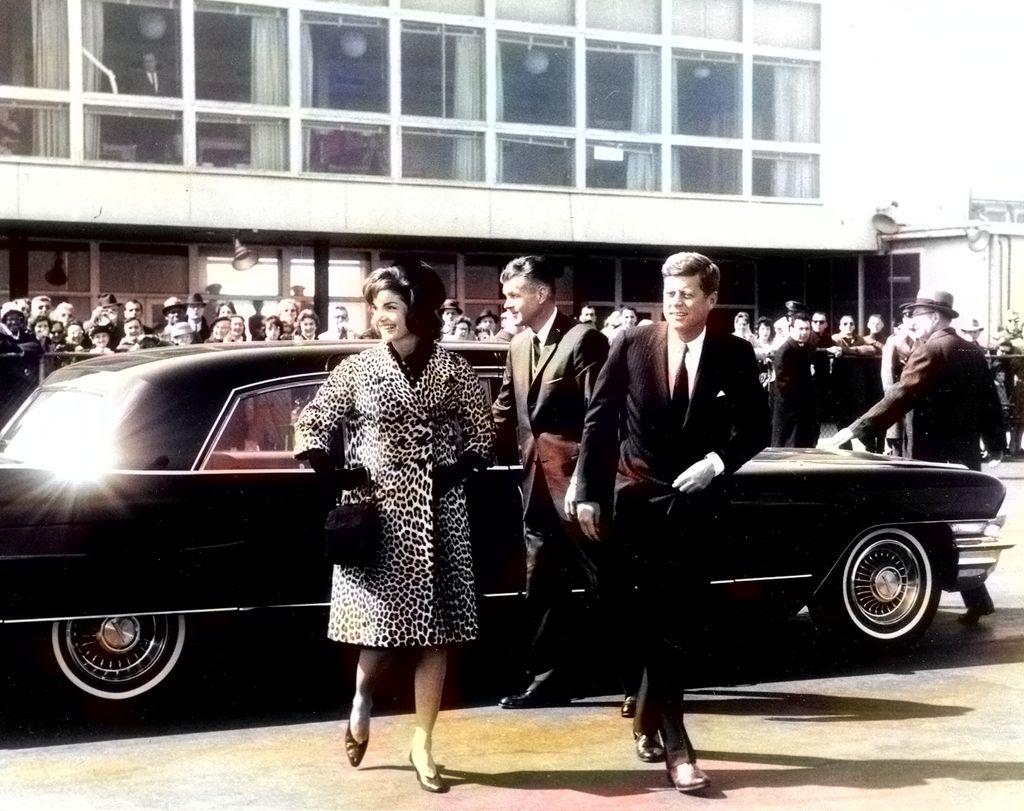
JFK faced political issues that demanded both diplomacy and resolve, including championing a vision of a “New Frontier," like in his campaign slogan, facing the Cuban Missile Crisis, the stirring call for civil rights, and Cold War tensions.
Jackie became a beloved First Lady and cultural ambassador, particularly renowned for her televised tour of the newly refurbished White House in 1962. Her cultivation of arts and culture – she even created the first White House Fine Arts Committee – endeared her to American audiences, and the pair embodied a vision of both youth and sophistication.
 © Getty Images
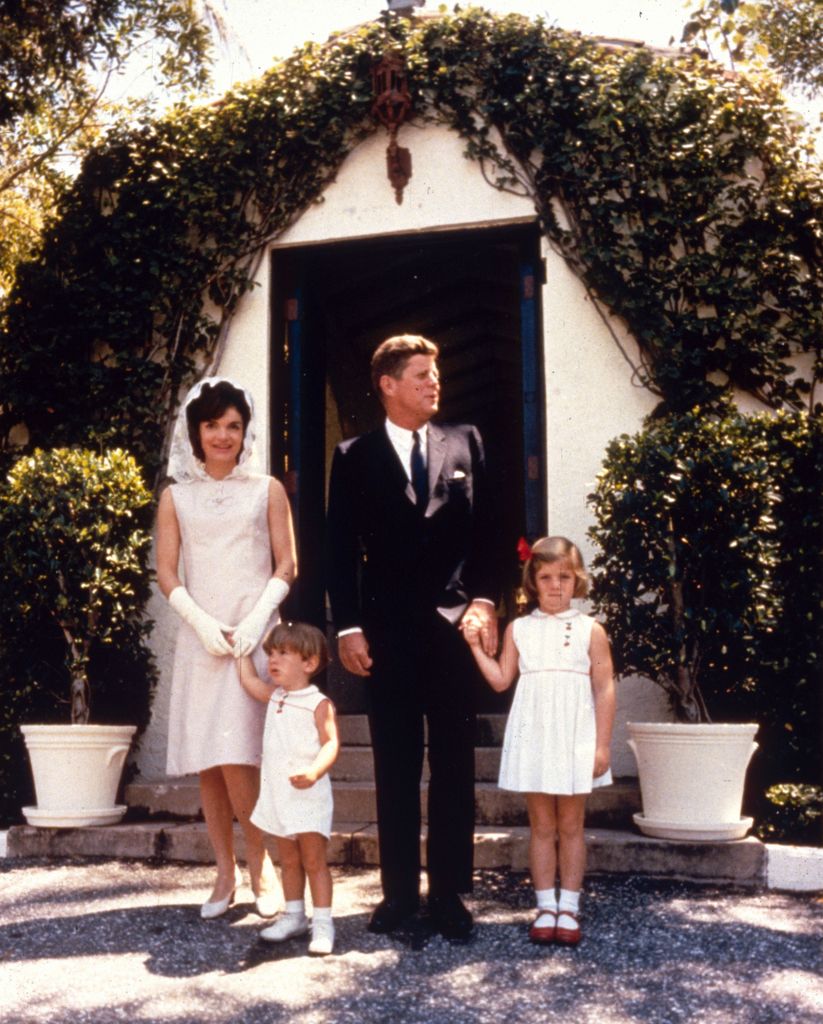
Jackie was reportedly a very involved parent
Family life (1960s)
The Kennedys’ life, both in and out of the White House, continued to captivate the world. Amid the joys of raising Caroline and John-John, the couple endured another heartbreaking loss when their son Patrick, born in 1963, died just two days after his premature birth.
The passing reinforced Jackie’s image as a dignified First Lady, and she continued to dote on her two children, with Pamela Keogh, author of Jackie Style (2001), writing, “She was there playing with them and reading to them and painting with them…she was very involved that’s why her two children were beautifully raised."
 © Bettmann Archive
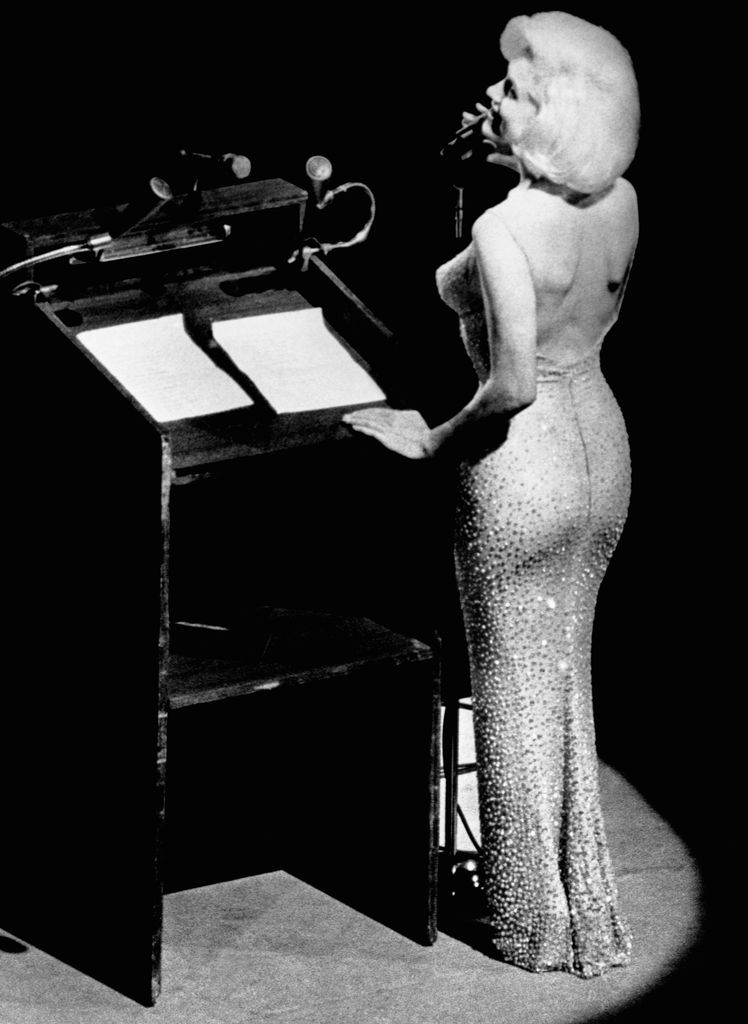
Rumours of JFK's affairs began during his presidency
Infidelity allegations (1960s)
While allegations of JFK’s infidelity are more widespread today, rumors swirled even before the President’s death – from infamous whispers of a relationship with Hollywood star Marilyn Monroe to White House employees like Mimi Alford, who detailed the alleged affair in her 2012 memoir, Once Upon a Secret: My Affair With John F. Kennedy and Its Aftermath.
Jackie was said to be aware of JFK’s alleged indiscretions but maintained her composure. Pamela Keogh notes that the First Lady “came from a world where that is what men did, and it was accepted."
 © Bettmann Archive
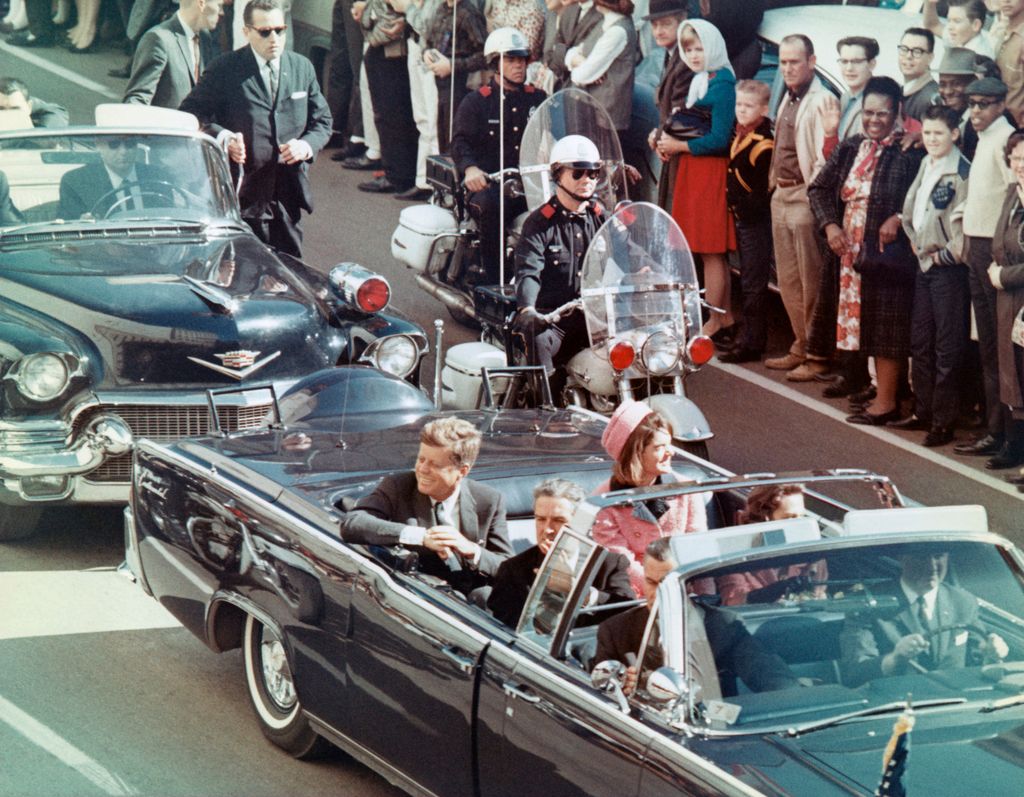
The couple greeting supporters in Dallas, minutes before JFK's assassination
Assassination (1963)
On November 22, 1963, the nation was plunged into mourning when John F. Kennedy was assassinated in Dallas, Texas, during a political trip to drum up support for the 1964 election. The President was shot while in an open-top car with Jackie, and she famously refused to change out of her pink, blood-stained suit during the flight back to Washington.
After the assassination, Jackie gave an interview to Life magazine where she remarked that JFK loved the Broadway musical Camelot, and that his presidency was like a modern-day Camelot based on its noble aspirations and tragic ending. The comparison went on to capture the public imagination and has since become commonly associated with him.
 © Bettmann Archive
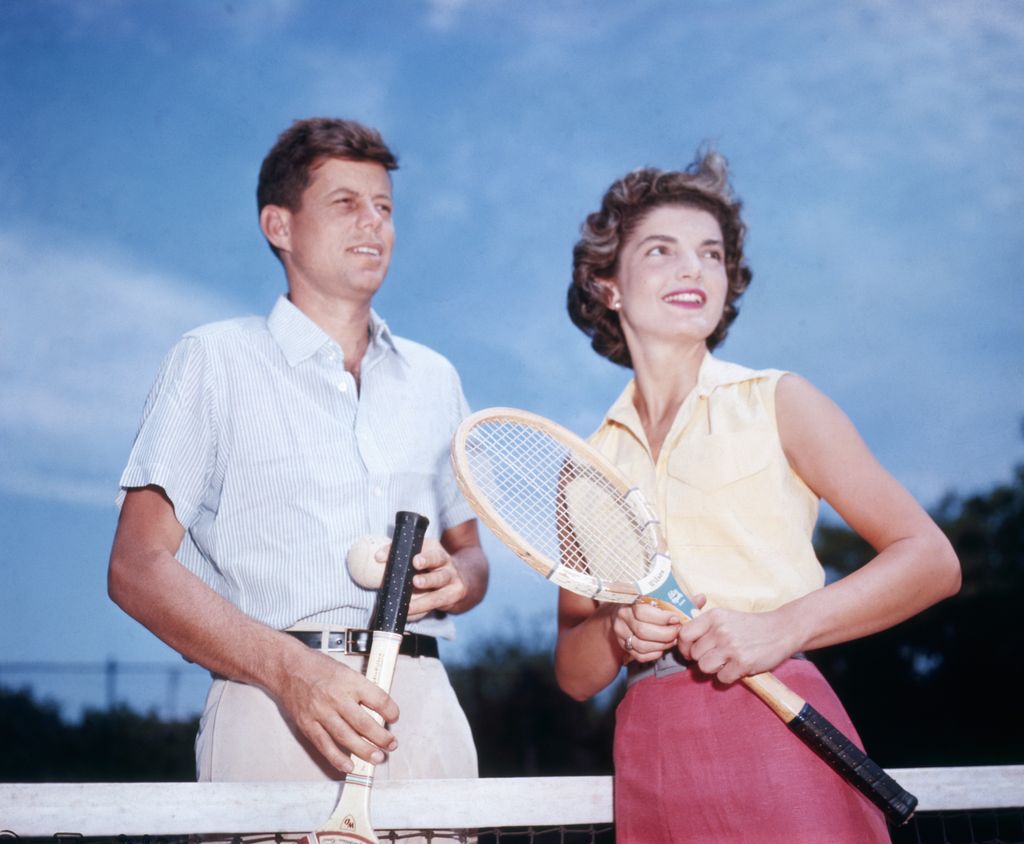
The couple transcended politics and became pop culture fixtures
Legacy
Jackie remained a key public figure until her death in 1994, guiding her children through the aftermath of tragedy while in the public eye. She married Aristotle Onassis, a Greek shipping magnate and one of the world’s richest men, in 1968, which kept her in the international spotlight. Jackie went on to forge a career in book publishing in New York, beginning in 1975 after her second husband’s death.
Decades later, the legacy of both the Kennedy administration and JFK's marriage to Jackie endures. From their whirlwind union to Jackie’s unwavering support for her husband, they remain one of the most influential couples in not just American political history but global culture.