
Channel 4 is known for its riveting documentaries, and the broadcaster has released its latest one, See No Evil, which focuses on the abuse levied by former barrister and Christian leader, John Smyth.
John, who died in 2018, never faced justice, but was accused of 100 cases of "traumatic physical, sexual, psychological and spiritual attacks" against young men and boys at Christian summer camps and other youth-focused areas within the Church of England.
The claims of abuse were solidified by the Makin Review, an independent review, released in 2024. In the review, it noted how John would abuse some of his victims in a sound-proofed shed at his Winchester home. It's believed that John started abusing children all the way back in 1982, but he was never named as an abuser until a 2017 article in The Daily Telegraph.
It has been alleged that the Church of England knew of his crimes but didn't take any action. Justin Welby, the former Archbishop of Canterbury, announced his resignation from the role on 12 November 2024, in part due to his failure to acknowledge the crimes that John committed. Justin himself had first been told of the abuse back in 2013, but didn't take any action.
Viewer response
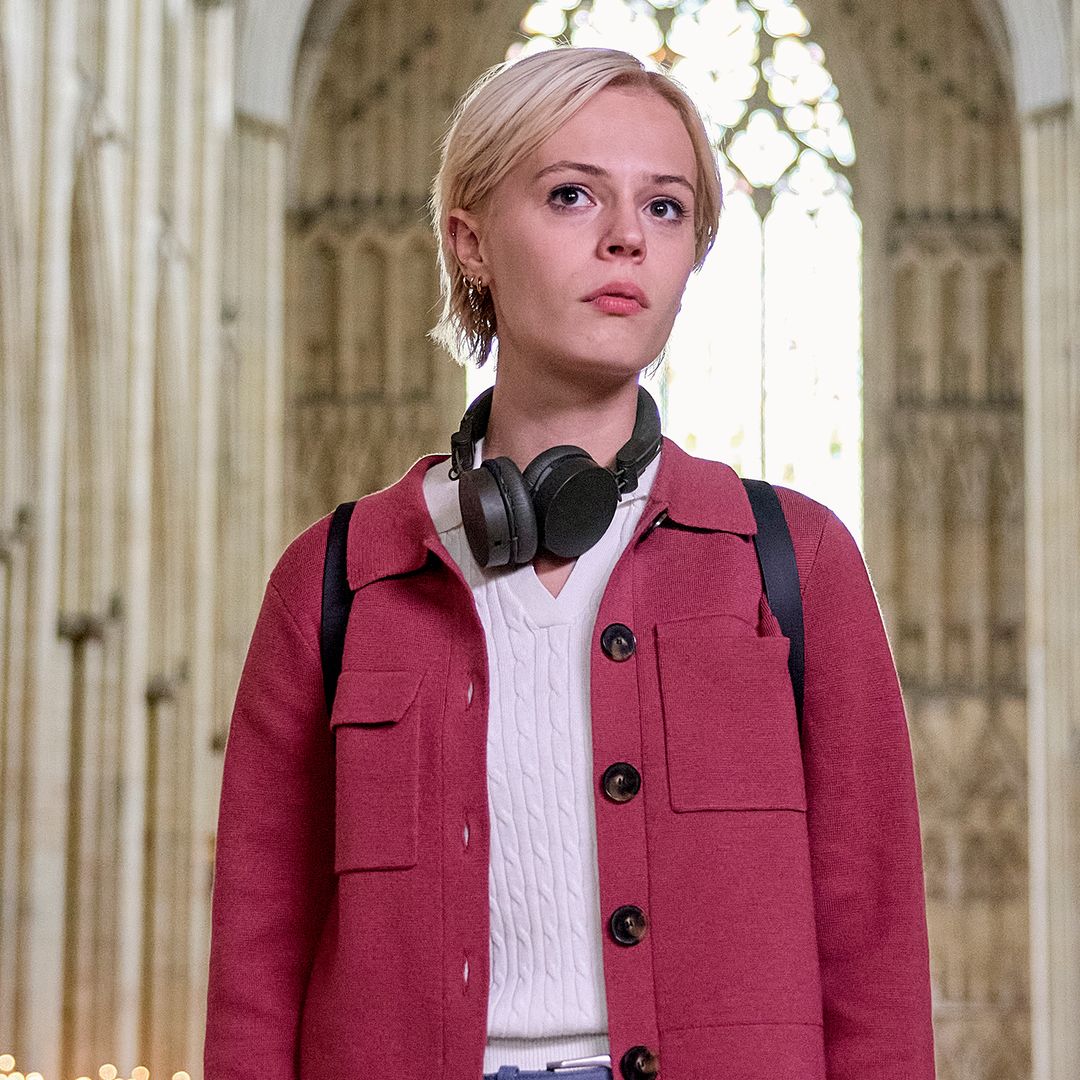
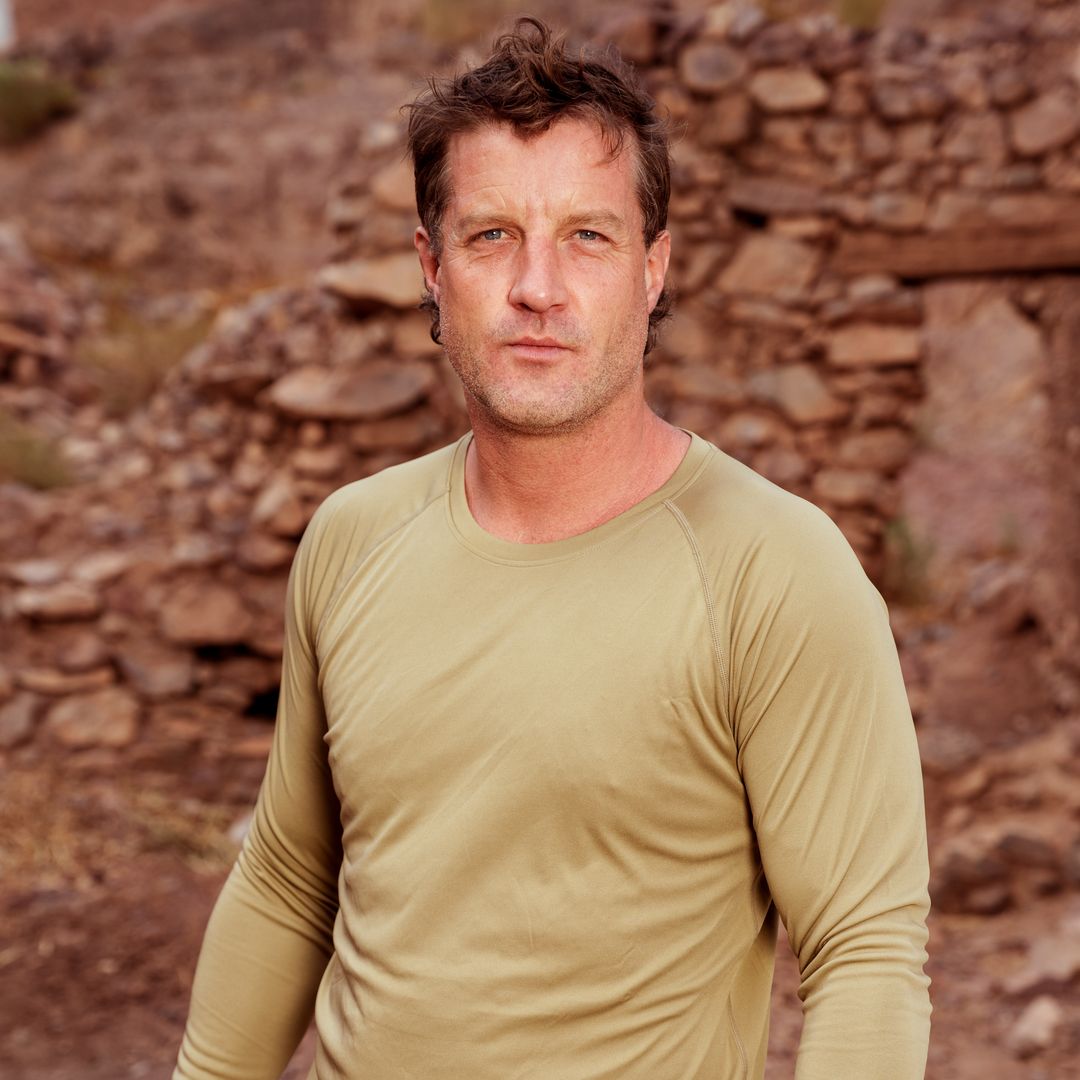
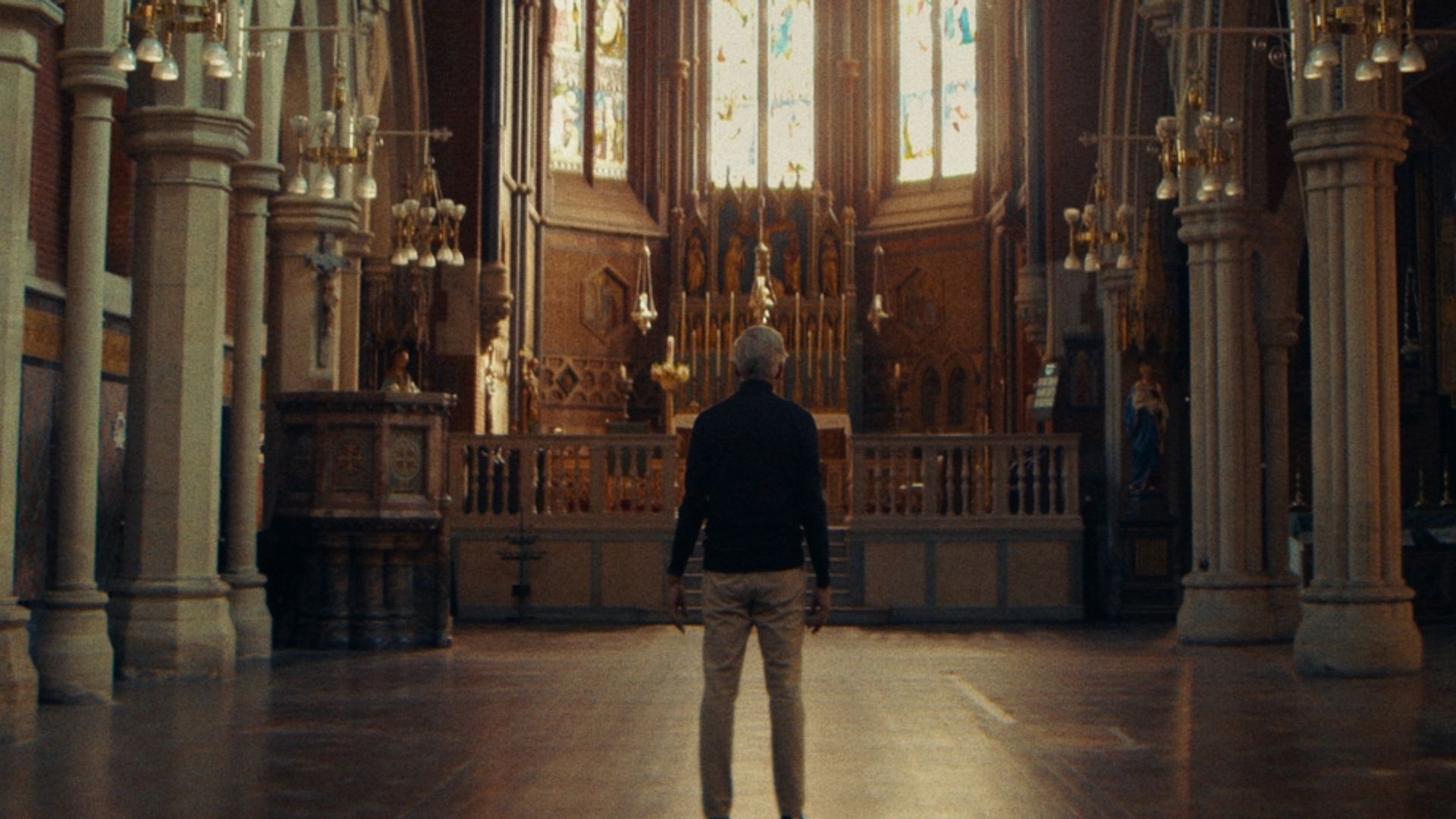
Channel 4 aired its documentary on 10 December, and viewers were left heartbroken by the two-part documentary. The show heard from John's victims, as well as members of his own family, including his wife, Anne, and his three children, PJ, Fiona and Caroline.
During the course of the series, victim Mark Stibbe said: "[I] could not believe the brutality of each stroke… he was grunting with each blow." He admitted that he feared that he could be "killed" during the beatings.
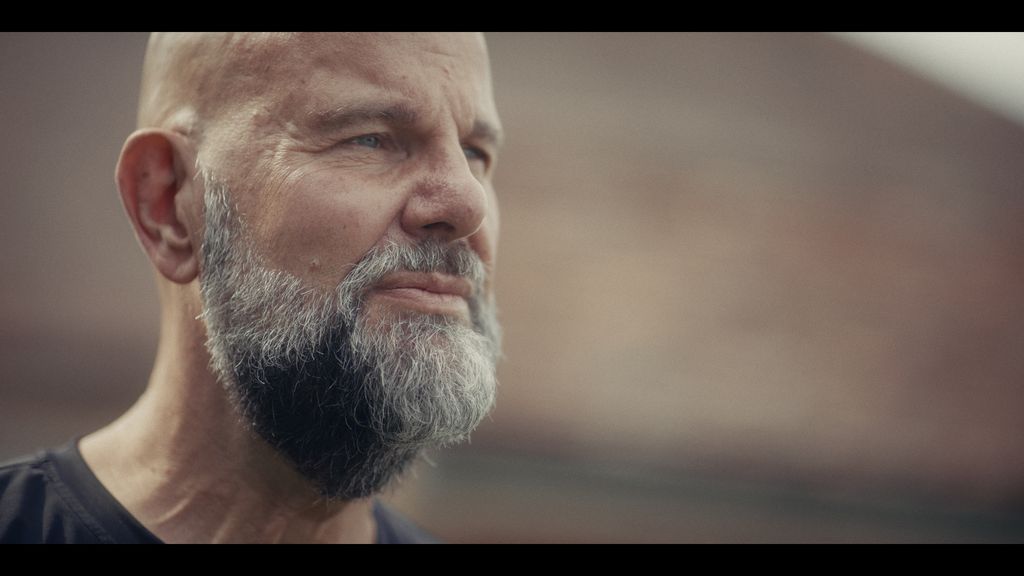 © Passion Pictures
Taking to social media after it aired, one person said: "Watching this just now ....... absolutely sickening and abhorrent what happened to the boys. I can't begin to imagine what they have gone through. My respect goes out to them for speaking out and telling their story."
A second added: "Absolutely shocking. The trauma will never leave his victims," while a third posted: "Watching the documentary on the savage crimes of John Smyth. See no Evil. I am very proud of all who put this together - not least the heroic victims. I am ashamed of those in the Church who covered up – far far too many – unpunished."
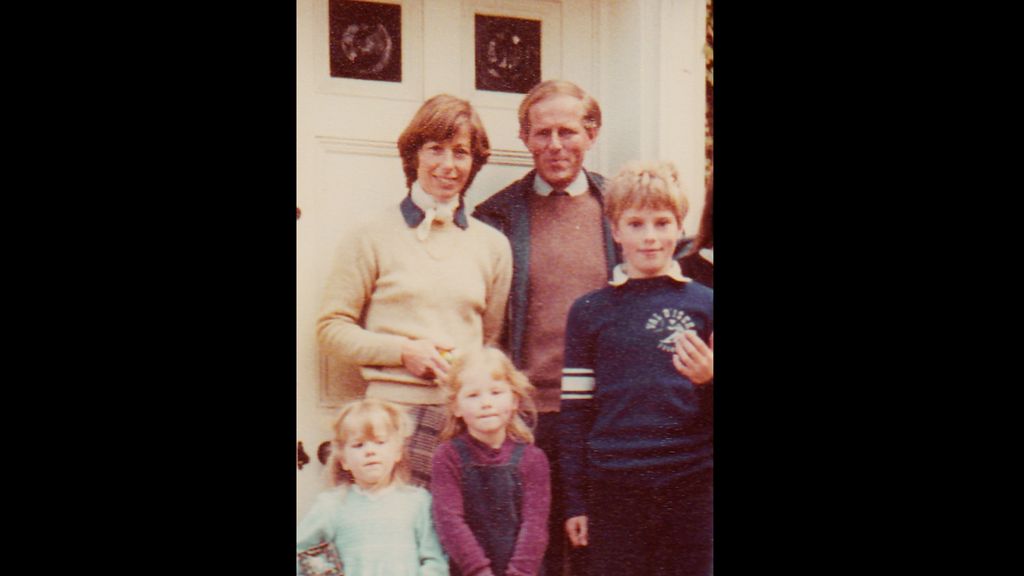 © Passion Pictures
A fourth penned: "Don't post on here much anymore but so ashamed and appalled by the shocking, deadly abuse in Africa that is described so vividly in Episode 2 of #SeeNoEvil #Channel4 that could have been stopped after the also horrible, horrible abuse described in Episode 1."
A fifth wrote: "Possibly one of the most disturbing things I've ever heard," and another commented: "Wow just watched See No Evil on Channel 4 very powerful and disturbing. Could be triggering for some people."
 © Passion Pictures
Critics also looked favourably on the documentary. In a four-star review for The Guardian, Lucy Mangan said: "It's humbling to witness the eloquence and dignity of these survivors as they talk about their experiences with John Smyth – possibly the most prolific serial abuser ever associated with the Church of England." She went on to describe it as an "immaculately made, deeply harrowing two-part documentary".
John Smyth's abuse
John's abuse took place in both the United Kingdom and abroad in Africa. One review, The Makin Review, found that during his time at Winchester College that 16 pupils had been abused with an additional six and eight believed to have been groomed. However, it noted that "we strongly suspect that the true figure is probably greater".
In 1984, he moved abroad to Zimbabwe and set up the Zambesi Ministries two years later. The summer camps were intended for boys from the country's best schools. In 1992, 16-year-old Guide Nyachuru drowned while at one of the camps, and although he was never charged, John was arrested during investigations into the teenager's death.
 © Passion Pictures
The Makin Review noted that John abused boys in both Zimbabwe and also in South Africa, where he moved to in 2001.
Although he wasn't named as an abuser until 2017, an internal report from an Iwerne Trust, whose camps John had run during the 1980s, released in 1982 referred to "horrific" beatings. Since his death, John has been the subject of several reviews, including the Pickles Review and the Makin Review, which detailed his abuse.
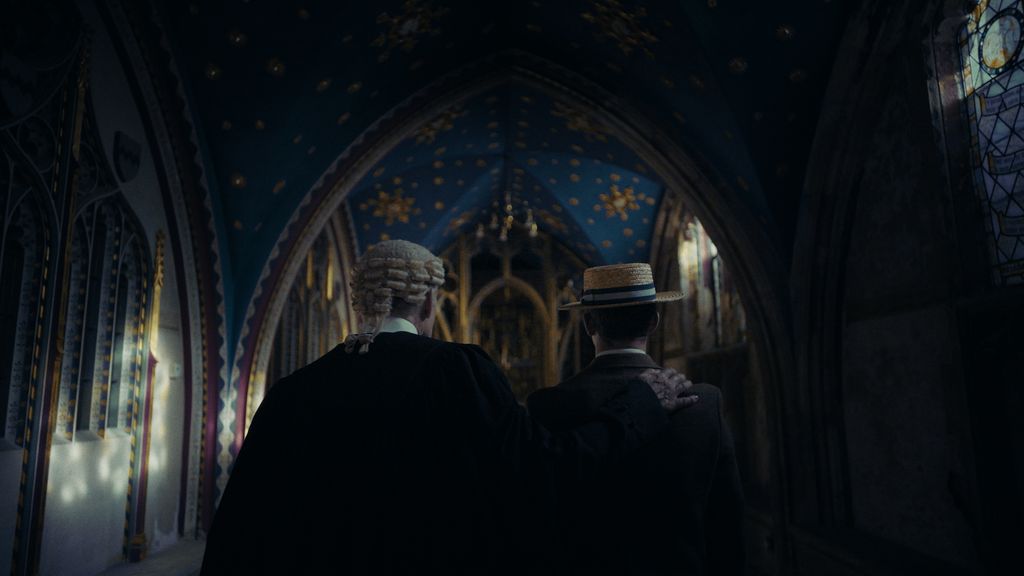 © Passion Pictures
Two high-profile people have come forward and claimed to have been victims of John, including Andrew Watson, the Bishop of Guildford, and former cricketer Simon Doggart.