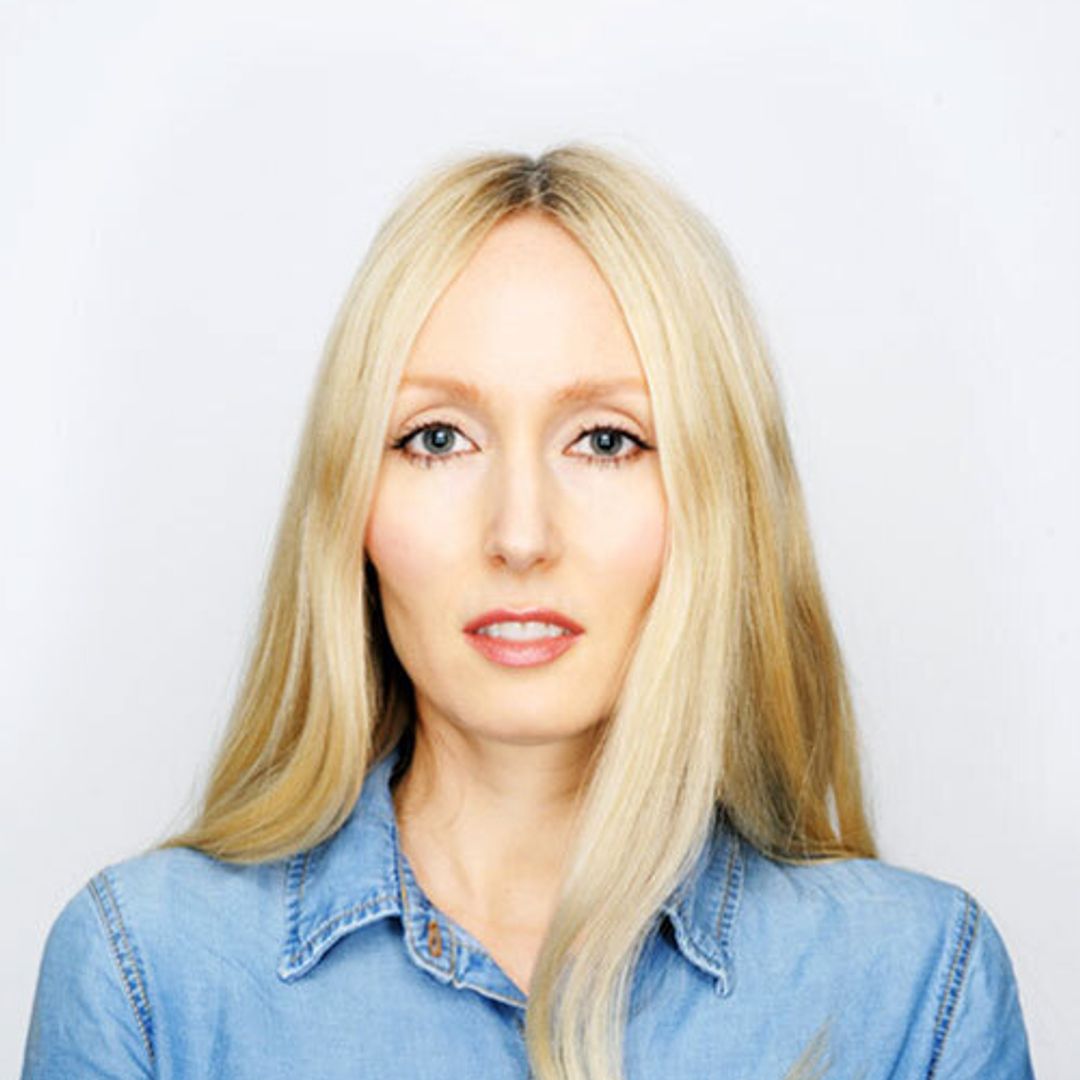
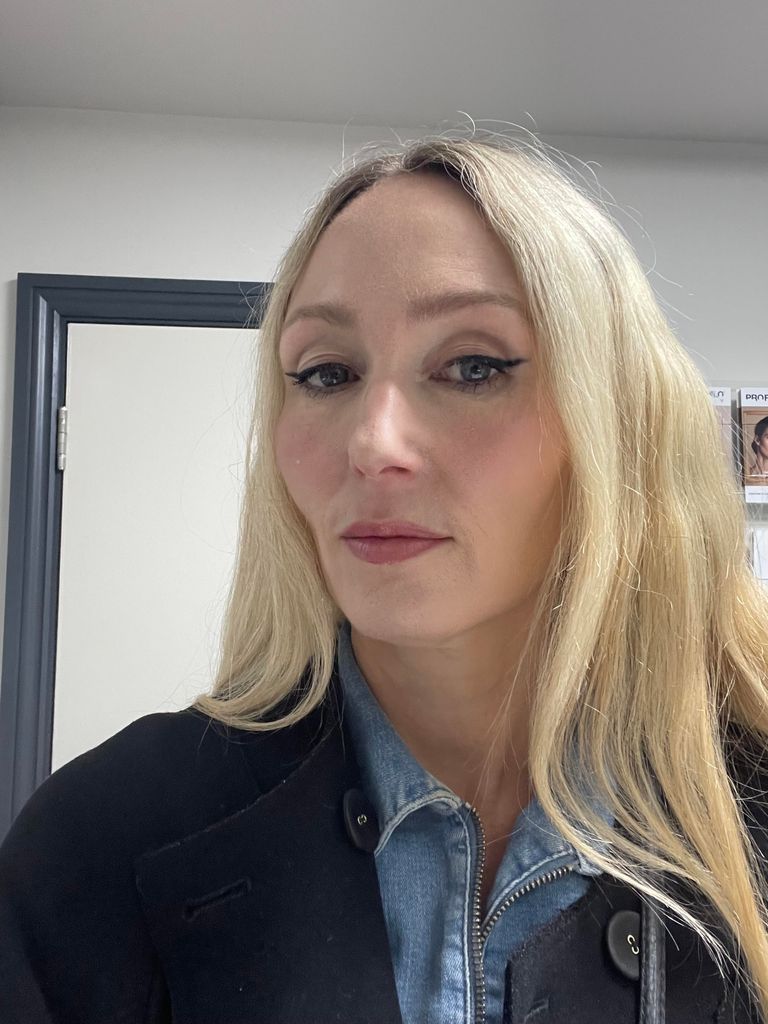
It was a recent passport renewal that did it for me. Sitting in a booth in Tesco on Soho's Dean Street, having pressed the 'retake' button five times and rearranged my seat just as many, I realised what was bothering me. Under the unforgiving glare, face square to the camera, every little (and not so little) asymmetry was laid bare. That creeping realisation has been edging its way into my makeup routine too. I've already written about eyeliner being harder to apply these days, but I've realised not only is it down to crepier skin, it's because my eyes have become less symmetrical, a point politely confirmed when I visited the award-winning oculoplastic duo, Dr. Rachna Murthy and Dr. Jonathan Roos of FaceRestoration, who explained what age – and lockdown dental extractions – can do to jawlines and brows.

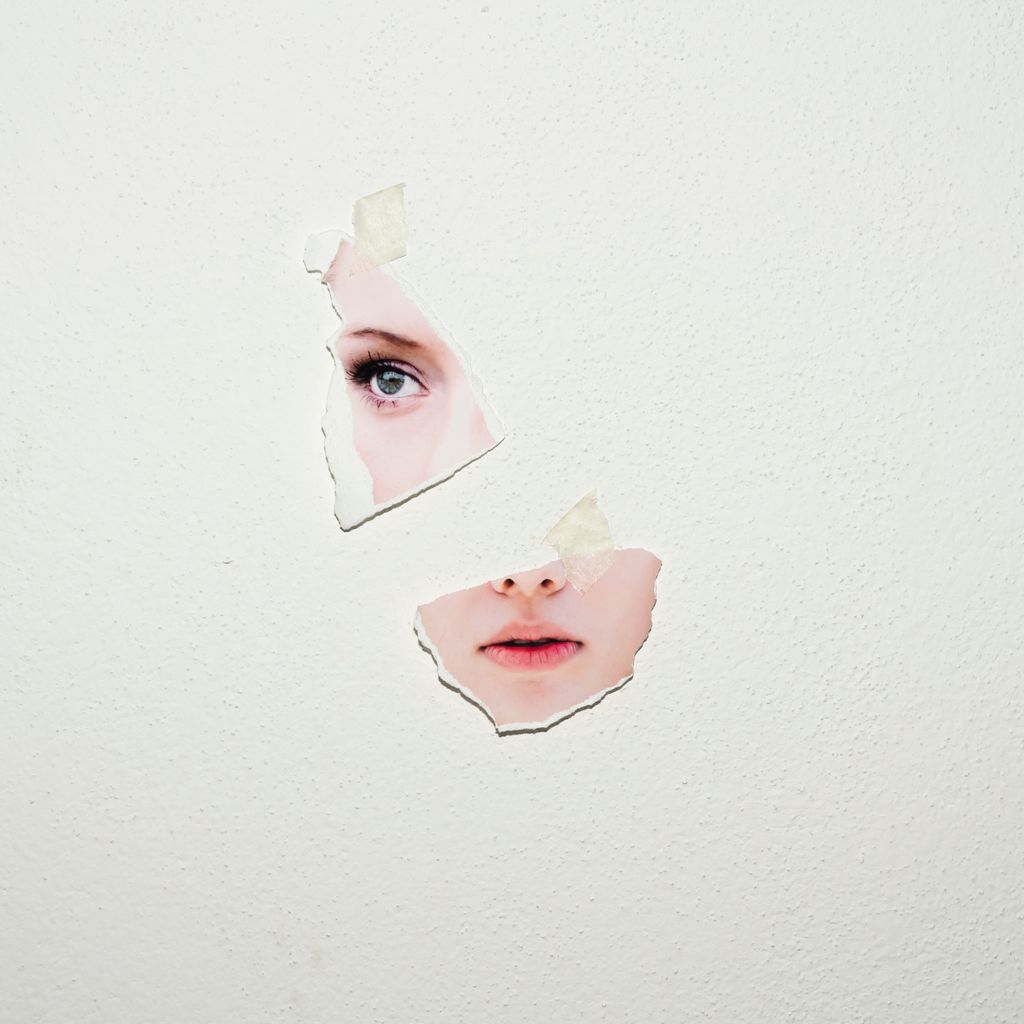
But is facial asymmetry with age really a 'thing' or have we just become more attuned to AI-generated perfection? "Facial asymmetry often becomes more noticeable because bone resorption in the face doesn't occur evenly," explains aesthetic expert Dr. Sophie Shotter. "The eye socket, jawline, and cheekbones can lose volume at different rates, which makes one side of the face appear subtly different from the other." So far so sobering....
The age of uneveness
Dr. Sophie notes that during perimenopause, declining oestrogen accelerates collagen loss, skin thinning, and fat redistribution – all of which exaggerate asymmetries that may have always been there but were less visible when the tissues were firmer and evenly supported. "We don't use our facial muscles symmetrically," she says. "Over decades, habits – such as raising one eyebrow, chewing more on one side, or favouring one side in sleep - lead to uneven muscle tone and skin laxity, which makes asymmetry more obvious." Add fluctuating oestrogen, which protects both bone density and skin elasticity, and those subtle quirks suddenly sharpen into view.
The golden touch
Humans are hard-wired to find facial symmetry attractive; on a subliminal level, it speaks of good health and good genes with countless studies telling us how easy the beautiful have it – from being more lucratively employed to taking home bigger pay packets. But as my once-balanced features start skewing, is it time to polish my 'golden ratio' with some aesthetic Brasso? "The first thing that I would say is that not all asymmetry needs to be treated," reassures Dr. Sophie. "I look at asymmetries and consider whether they're distracting or not. By 'distracting', I mean that if I were to sit opposite someone on a train, it would be one of the first things I notice about them. For most people, these asymmetries are not distracting and can even make a face more appealing."

HELLO! has teamed up with women's health and fitness experts Move The Gap to signpost four key areas of lifestyle medicine that could help you to navigate the menopause minefield: heart health, mobility, muscle and bone strength, and cognitive health. Over the next four weeks, Move The Gap's co-founders, including personal trainer and regular guest on ITV's Lorraine, Shakira Akabusi, Owning Your Menopause author and founder Kate Rowe-Ham, former Gladiator and GB Olympian Jenny Stout, and health and mobility expert Monika Akabusi, will offer expert advice on each area – and you can sign up to receive the free and exclusive series by clicking on the button below.
Makeup artist Caroline Barnes agrees: "Asymmetry drives people crazy and it really shouldn't! There was a documentary a while back touching on the fact that the most beautiful faces are not symmetrical, and I tend to agree, especially these days, where perfect symmetry can look fake and 'done'." Music to my (wonky) ears.
I have definitely noticed a general fatigue with the onslaught of perfection we're subject to that often depends on genetic predispositions (or AI). Makeup Historian Sara Long even notes a rising counterculture emerging with women deliberately playing with asymmetry in makeup, disrupting facial recognition software and challenging the tyranny of flawlessness. Imperfection it seems, has become a form of rebellion.
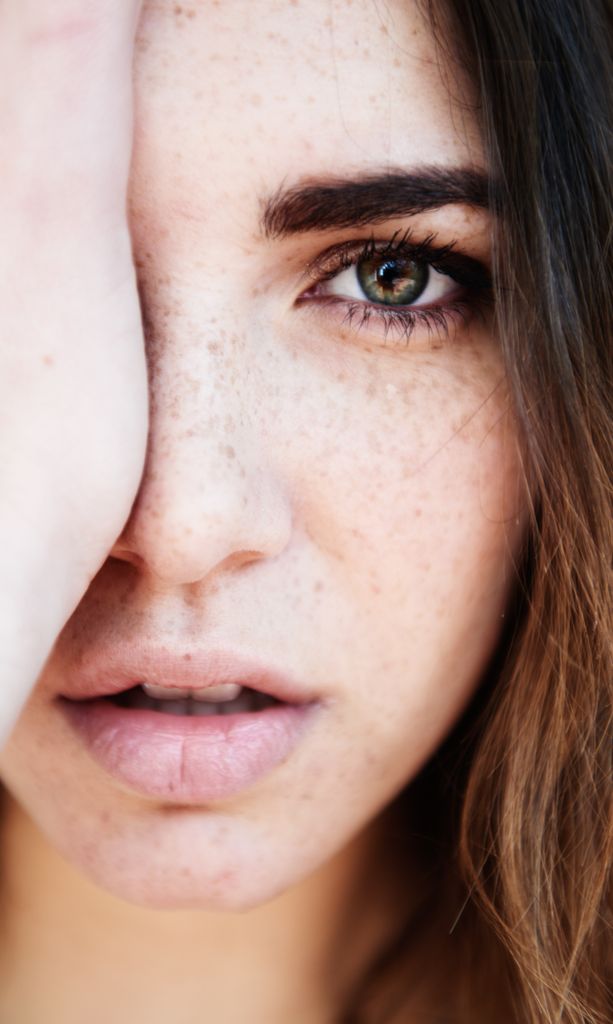 © Guille Faingold
Even it out
Still, there are ways to play with balance should you want to, and in terms of makeup, Caroline advises against solid lines such as lip liners or graphic liquid liners: "Swap in gels and balmy, light-reflective textures so the lines of balance become less obvious and blurred which is more forgiving. Metallic shades around the eyes reflect the light beautifully, adding shape and dimension, without you doing too much corrective work. When correcting balance, it's a much better texture to opt for over a matte."
And for those who want longer-lasting balance? "We can aim to improve the appearance of asymmetry by using many of the tools we often use in aesthetic medicine," says Sophie. "Facial fillers can restore volume in areas of uneven fat or bone loss (such as cheeks, temples, jaw). Muscle relaxing injections can help relax overactive muscles that are pulling more strongly on one side of the face, and we often also use Sofwave unilaterally if there is a significant difference in symmetry between the eyebrows, to help tighten skin more on one side."
So yes, my passport photo revealed it; I'm not perfectly symmetrical but perhaps the trick isn't to chase flawless balance but to learn how to soften, highlight and, above all, embrace the quirks that make us recognisably, unapologetically ourselves.