
Think of your endocrine system as a real-life version of Disney's Inside Out; cortisol as the highly-strung overachiever, oestrogen as the charismatic scene-stealer and progesterone as the calm, steady presence. Together these hormones shape everything from mood and energy to fertility, metabolism and sleep. And, whether we realise it or not, they often call the shots.
Hormones are responsible for some of the body's most extraordinary feats – from growing another human, to transforming you into a walking baby-food machine - but anyone navigating perimenopause will also know the less glamorous side of fluctuating hormones.
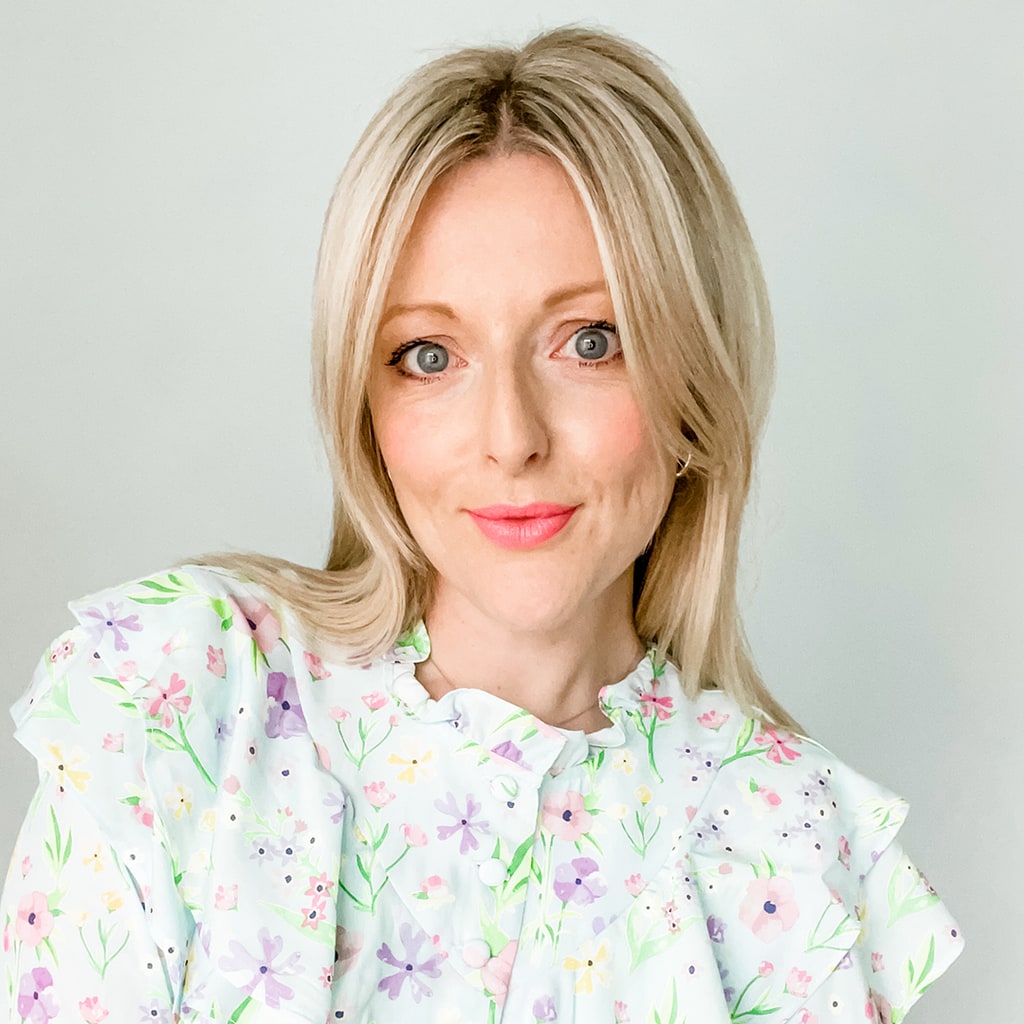
The good news? Knowledge is power. And as our recent live lunchtime Q&A with Hannah Alderson; author of the bestselling book ‘Everything I Know About Hormones’, £16.99, revealed, there's still plenty you want answers to. From pre-period anxiety to whether at-home hormone kits are actually worth the investment, no topic was off limits.
You may also like
“If your cramps are affecting your work or daily life, that’s already a reason to investigate further! Severe pain is not something you should just put up with. It can be linked to things like endometriosis, fibroids or hormone-related inflammation, so it’s worth speaking to your GP and asking for a proper assessment. Don't take no for an answer. In the meantime, nutrition can help with cramps - I would suggest supporting stable blood sugar and lowering inflammation with a diet rich in omega 3, but it should sit alongside getting the right medical support.”
 © Getty Images
“I love this question as the answer is a LOT! There is extensive, compelling, and robust evidence (randomised controlled trials, alongside systematic reviews and meta-analyses that combine findings across multiple studies) supporting that nutrition plays a meaningful role in hormonal health, particularly through its effects on insulin, the stress response, inflammation and the gut.
"We see this clearly in areas such as blood sugar regulation in PMOS, nutrient support for thyroid function, and how dietary patterns influence symptoms in perimenopause. So food is not just a “nice to have”, it directly shapes the environment in which hormones operate in. All of my clinical work and writing is grounded in scientific evidence and current research.
"That said, it is not a cure-all. Hormones are influenced by multiple systems, including genetics, age, medical conditions and overall environmental lifestyle. Eating well can significantly improve symptoms and support better regulation, but it will not replace medical treatment where it is needed. Integrated medicine is key - for example personally, with endometriosis, my surgeries have been life-changing alongside the nutrition work.
"The most helpful way to think about it is that nutrition is a powerful foundation and mediator of hormone health, but nothing works in isolation. It's a combination of nutrition, nervous system support, lifestyle, movement, sleep, joy, positivity, creativity AND medical intervention when needed. It's about creating the best possible environment for you (and your hormones) to thrive, so you can flourish."
"Feeling low and anxious before your period can often be related to the drop of hormones - mainly progesterone here - before a period.
"In the second half of your cycle, progesterone rises and from this there is a by-product called allopregnanolone, a neuroactive compound that enhances GABA activity in the brain. GABA is calming, so this helps support a steadier mood and reduces anxiety etc.
"As progesterone drops in the days before a period, this calming effect falls away, which can contribute to those typical PMS symptoms such as low mood, anxiety and irritability.
"This shift can feel more pronounced if overall stress is high or blood sugar is unstable, as both further reduce GABA activity. But with the complexities of anxiety, it is never just one thing - gut health, nervous system, mental health all play their role - nothing works in isolation. Breathwork, time in nature and with loved ones helps and magnesium can be great too. Be kind to yourself and if you do feel low, speak to your GP."
"Great question - it's complex as it all depends on the test and how the results are being interpreted. At-home tests can give you a snapshot of certain hormones, but hormones naturally fluctuate across the day and throughout your cycle, so one reading can be misleading.
"Also, there are limitations as hormones in the body exist in MANY different forms. Some are bound to proteins such as SHBG and are not available for use, while a smaller portion is 'free' or active and able to act on tissues. Many at-home tests only measure total levels, which do not tell you how much is actually available to your body.
"The most important thing is context. Your symptoms, cycle patterns, nutrition and stress levels tell us far more than a single number on a report. YOU are your most accurate test; how are you feeling, and what are your symptoms? They can be a useful starting point, but they should not replace proper testing or clinical support if something feels off, as you might not get the right support to interpret the data either."
You may also like
"It's important to remember that perfection is hard to come by, and not to worry too much if your cycle isn’t bang-on 28 days. It's difficult to say without knowing a little more, but even if it’s irregular, it doesn’t automatically mean you’ll have trouble conceiving – it may simply make timings trickier and it may take longer as a result.
"Ovulation is what matters for conception so focus on supporting it with stable blood sugar, eating enough, and managing stress, as these are key drivers of cycle regularity. Always speak to your GP as you want to rule out any underlying issues such as PMOS."
"I know how frustrating this can be! If you feel that you are doing ALL the things but the dial isn't moving in terms of weight loss, absolutely, this could be something hormonal.
"Diet culture has led us to believe weight loss rests on a simple formula of ‘what goes in vs output’ but we are very complex!
"Cortisol, insulin and oestrogen could all be playing a role here (amongst others). As cortisol sits at the top of the hormone hierarchy, I would start there and work on regulating the nervous system. It can be a major roadblock. I would also really focus on regulating blood sugar, which will improve your insulin sensitivity. DO NOT just restrict more, as your body will outsmart high restriction, which will cause issues later down the line.
"Remember that the human body is not designed to lose weight; it is designed to survive. Count your colours on your plate and how you feel, not calories. See how you get on."
"This is a very common concern and something I see a lot in clinic. Shifting hormone levels – particularly the decline in oestrogen – can significantly change the body’s metabolic landscape.
"Oestrogen plays a key role in many metabolic processes, so what feels like a slowing metabolism is actually a change in hormone signalling.
"Lower oestrogen can reduce insulin sensitivity, putting you at risk of insulin resistance, which can make you feel as though your metabolism has ‘bombed’, and if muscle mass is also declining, the body becomes less efficient at using glucose.
"Throw into the mix dysregulated cortisol from stress and disrupted sleep, and fat storage becomes prioritised by the body. Focus on keeping your blood sugar regulated, increasing protein to preserve muscle, fibre to support gut health and blood sugar control, and eat three regular meals to keep energy levels stable."
 © Getty Images
"Unfortunately the answer is ‘yes’ and many women notice this more in their late thirties and forties and beyond. The hangovers seemingly feel worse and it’s not just down to getting older. Oestrogen and progesterone influence how alcohol is metabolised and how it affects the brain.
"For example, during the luteal phase (before a period), higher progesterone can make you more sensitive to alcohol’s effects as progesterone can slow liver enzyme activity, delaying alcohol metabolism.
"In perimenopause, changes in oestrogen alongside disrupted sleep and higher cortisol can make alcohol feel stronger and recovery worse. Long gone are the days of waking up in our 20s feeling fresh after a big night out.
"From a nutrition lens, alcohol also destabilises blood sugar, which contributes to next-day fatigue and low mood (hello hangxiety!) I would suggest drinking lots of water in between drinks (I love a soda water) and also looking after the liver with milk thistle before a night out."
"Amazing to hear you are getting back into fitness with a two-year-old in tow – I know how mad that can be. So, this is nuanced as it all depends on you as an individual. I would rather you got some exercise in, rather than worrying if the exercise you want to do ‘fits in’ with your cycle as this can end up being a barrier.
"From a hormone perspective, yes, but it does not need to be complicated. In the first half of the cycle, rising oestrogen supports insulin sensitivity and recovery, so the body often responds well to higher intensity and strength work. In the second half, progesterone rises and there can be slightly reduced tolerance to cortisol/stress, so nutrition becomes even more important.
"Ensuring adequate carbohydrates and total energy intake in this phase can help support performance and recovery, even if training intensity is adjusted slightly. But listen to your body! If it makes you feel good and you get moving, just go for it. Just be cautious of intense exercise in the evening as we don't want to pump up cortisol in the evening before bed, as this can impact sleep, which is needed with young children. Keep up the amazing work!"
"Gosh, I am sorry to hear that, and wishing you a speedy recovery. I had my last laparoscopy in December, so I know how overwhelming it can feel.
"In answer to your question, yes, surgery potentially could trigger this kind of response but one can‘t be 100% sure.
"What you have gone through is a major stress on the body that can alter cortisol rhythm, increase inflammation and affect histamine pathways. That combination can show up as flushing, reactive skin and fatigue.
"Nutrition can help by lowering the inflammatory load and supporting clearance – I would love for you to increase oily fish and more cruciferous vegetables like broccoli and cabbage.
"Focus on colourful plant foods, adequate protein, and fibre to support the gut and liver. Some people benefit from temporarily reducing high histamine foods while symptoms are active – don’t Google this as the list is bonkers – but I would think about reducing any fermented foods, alcohol, aged meat and cheese.0
" Gentle, consistent nourishment is key here rather than restrictive approaches. Oestrogen is intrinsically linked to histamine and Rosacea, so give your gut some love with more fibre such as beans and legumes."
"This is like a double whammy, as both perimenopause and Hashimoto’s create an overlap of metabolic and hormone symptoms, both can often intensify symptoms including weight gain, low mood and fatigue while declining oestrogen can exacerbate a sluggish metabolism from hypothyroidism.
"It’s a perfect storm for the symptoms that you mentioned! As Hashimoto’s is an autoimmune condition (where the immune system mistakenly attacks the thyroid gland, causing it to become underactive and produce insufficient hormones) the focus needs to be on reducing inflammation and supporting any deficiencies.
"Stable blood sugar is key, so each meal should include protein, fibre and fats to improve insulin sensitivity which can be wonderful for managing weight. Adequate protein also supports muscle, which helps metabolic rate.
"For thyroid health, nutrients such as selenium, iodine and zinc are important, alongside enough overall calories, as restriction can worsen symptoms. As you may be on medication, you need to tread carefully with supplements and avoid anything with iodine in as this can interact with levothyroxine.
"Low mood can be supported through gut health and nutrients involved in neurotransmitter production, including iron, B12 and tryptophan-rich foods. Turkey and chicken are great sources of tryptophan – this is the amino acid that makes your happy hormones serotonin. Don’t forget to fill your cup up with positive and joyful things too – your nervous system always needs support and boosting up your day with lovely things like time in nature, dancing, seeing loved ones, and creative outlets all play their part too. If cortisol is running high alongside an underactive thyroid this can be a major block to weight loss. Little changes should help improve things."

"Welcome to the (nearly) 40 club - I joined myself in January. I'm sorry to hear that your energy is at an all-time low.
"Low energy is often a blood sugar and cortisol issue, so let's look there first before supplementing. There is no magic pill for better energy! The most effective starting point is eating within 60 to 90 minutes of waking with a combination of protein, fibre and healthy fats to stabilise glucose and support the cortisol awakening response.
"I always get my clients to ask – where is the protein, where is the fat and where is the colour at every meal. Across the day, three regular meals that keep you full will prevent energy dips - lots of fibre is key to this (oats, beans, legumes, grains).
"Once this is in place, targeted nutrients such as magnesium, B vitamins and iron, vit D can help if there is a deficiency. Don’t go supplementing willy-nilly, though, particularly with iron – get tested first.
"CoQ10 can also support cellular energy, but it works best when the foundations are already there. You might also want to look into thyroid function and don't forget to move! Getting outside in the sunshine for a walk, putting on an uplifting song you love and moving in nature in the full spectrum of daylight is a great way to boost energy."
"Great question! It’s actually the most abundant sex hormone in the female body and the precursor hormone to oestrogen! So yes, we absolutely need testosterone. It’s super essential for women for energy, mood, libido and muscle – very much involved in growth and repair.
"If you want to see what your levels are, blood testing can include total testosterone and free testosterone, although interpretation is nuanced as levels are low in women.
"Rather than chasing a number, look at symptoms alongside results. What is the body telling us? Low levels can show as low libido, fatigue, reduced strength, low mood.
"Nutritionally, testosterone is supported by eating enough overall, prioritising protein for muscle, and including healthy fats such as olive oil, eggs and oily fish, which provide the building blocks for hormone production.
"Chronic under-eating and high stress are two of the biggest drivers of low testosterone in women. If you’re concerned, speak to your GP as HRT / medical testosterone can be prescribed in specific cases, but it should be done under specialist guidance."

"Super interesting question - but not quite, or in any meaningful way. Menopause is driven by the natural decline in ovarian function and egg reserve – nothing you can do to stop this, as it’s a natural part of aging.
"Pregnancy and breastfeeding can temporarily suppress ovulation, but they do not slow down the underlying ageing of the ovaries. Menopause is something you can't and don't want to starve off.
"From a nutrition perspective, what matters more is supporting hormone health through blood sugar regulation and supporting your insulin sensitivity with protein, healthy fats and lots of colourful fibre at every meal, plus micronutrients like your b vitamins, omega 3, selenium and zinc. Don’t forget to look after your nervous system too."
Your Hormone Support Kit
Bare Biology Life & Soul High Strength Omega 3 Liquid Fish Oil

Together Health Milk Thistle Full Strength Complex


Welleco Nourishing Protein Chocolate


