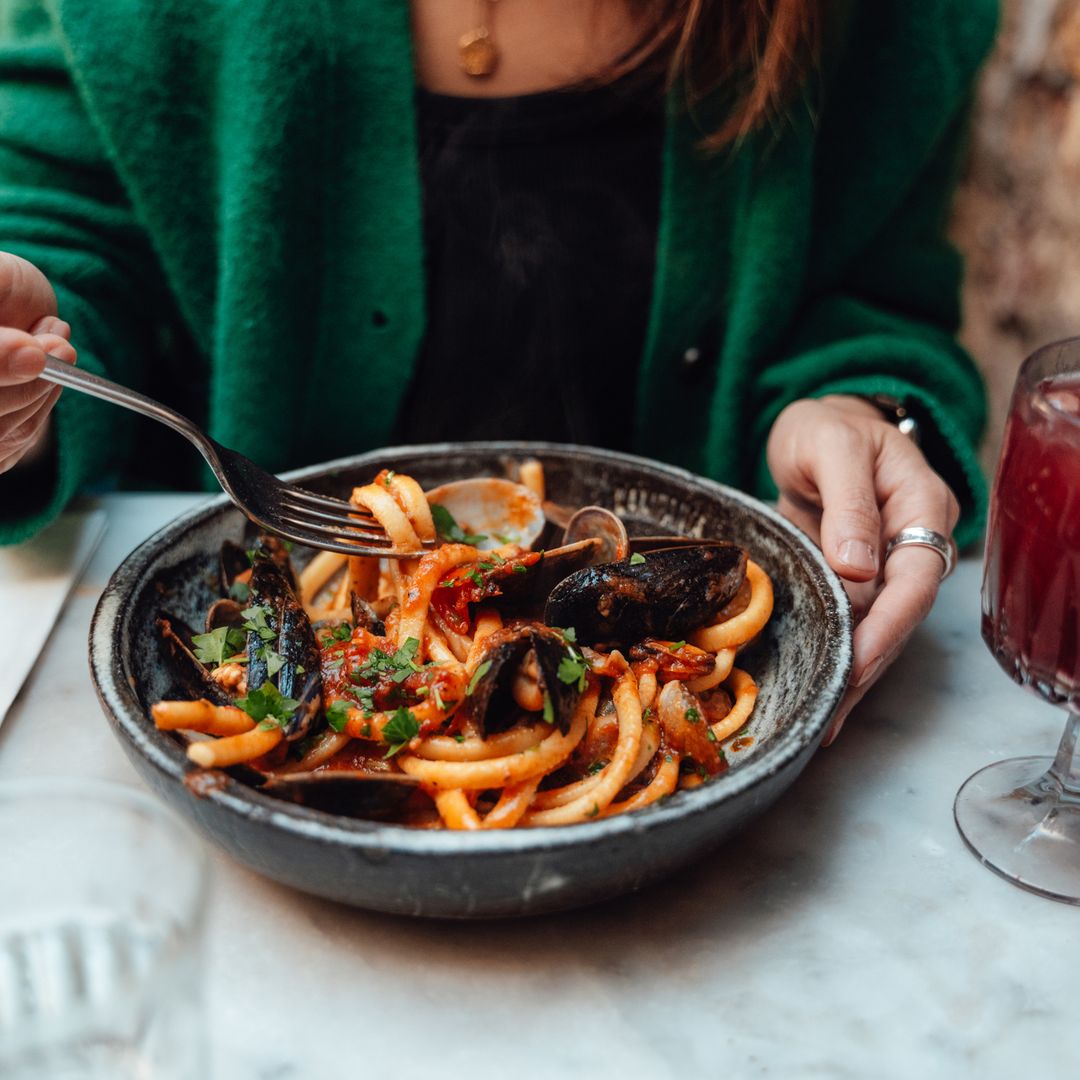

Bloating is one of the most common gut complaints I see in the clinic, and also one of the most frustrating. It can strike at the most inconvenient times, making you feel uncomfortable, sluggish and heavy.
The good news is that there are gentle, effective ways to relieve it, without reaching for harsh laxatives or expensive detox teas.
These are my six go-to remedies that help my clients find relief and feel like themselves again.
Take a short walk after meals
Gentle movement after eating can do wonders for digestion. A brisk 10-minute walk helps move gas through the digestive tract and encourages your bowels to work more efficiently. In fact, research from Harvard supports this approach, walking speeds up digestion and can help ease bloating, particularly after a heavier meal. It’s one of the simplest but most effective remedies I recommend.
 © Getty Images
Avoid excess air intake
Swallowing too much air is a surprisingly common cause of bloating. You might not realise how much air you’re taking in when chewing gum, drinking through a straw, or eating too quickly. This air ends up trapped in the digestive tract, causing discomfort and distension.
To prevent this, slow down your eating. Put your fork down between bites, chew thoroughly and try not to talk while eating. These small tweaks can make a big difference to how you feel afterwards.
 © Getty Images
Sip peppermint tea
Peppermint tea has long been used as a natural remedy for digestive issues. The menthol in peppermint helps relax the muscles in your gut, allowing gas to pass through more easily. I often recommend sipping a warm cup after meals, not only is it soothing, but it can also reduce the spasms and cramping that often accompany bloating.
Eat enzyme-rich fruits
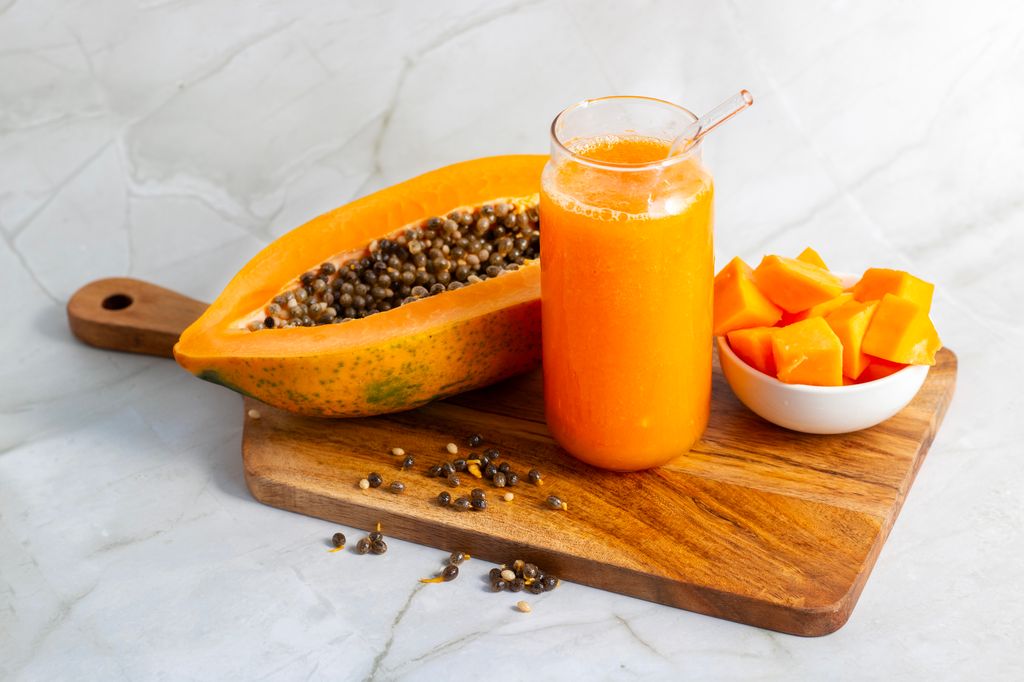
Some fruits contain natural enzymes that support digestion. Papaya contains papain and kiwi contains actinidin, both of which help break down proteins in your food, reducing the chance of it fermenting in your gut and creating excess gas.
These fruits make a great post-meal snack or smoothie ingredient. They’re especially helpful after eating meat or heavier protein-rich meals, which tend to linger in the digestive tract.
 © Getty Images
Reduce sodium and processed foods
Excess salt leads to water retention, which contributes to that heavy, bloated feeling. Many processed foods, even the seemingly healthy ones, are packed with hidden sodium, additives and sugar that irritate the gut.
Whenever possible, stick to whole foods. Cook from scratch, flavour with herbs and spices, and be mindful of store-bought sauces and dressings. Even small changes like these can reduce water retention and support better gut function.
Increase fibre gradually
While fibre is essential for a healthy gut, increasing it too quickly can have the opposite effect, causing gas, bloating and discomfort. I always advise clients to introduce high-fibre foods slowly and drink plenty of water alongside them.
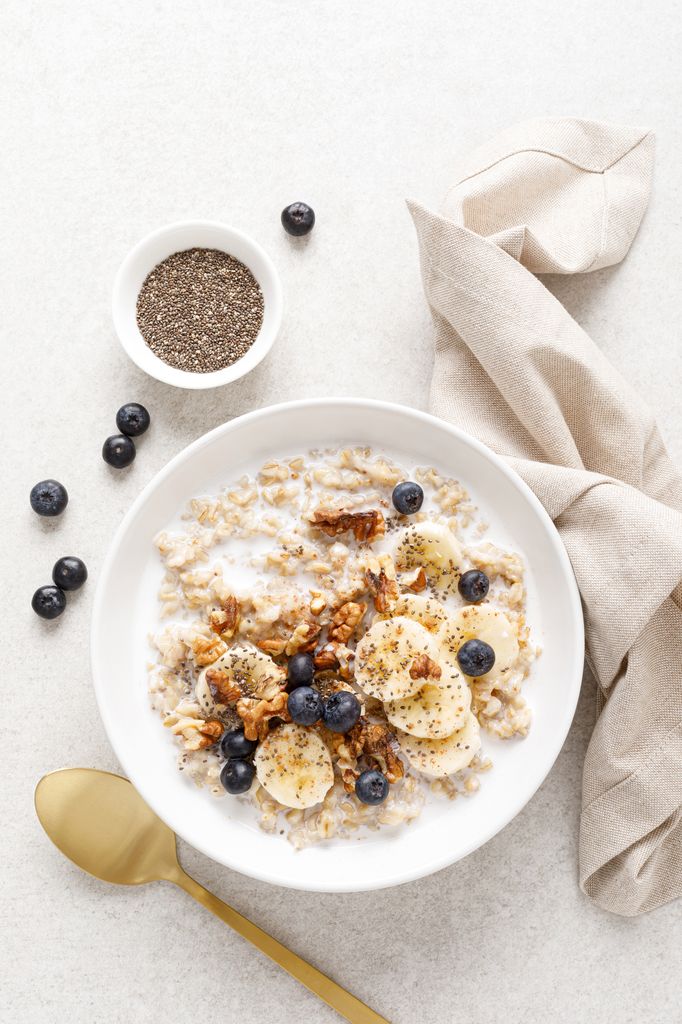
Start with gentle fibres like oats, chia seeds and cooked vegetables, and gradually add legumes, nuts and raw greens. Hydration is key, fibre needs water to move smoothly through the digestive system.
 © Getty Images
When bloating won’t go away
If bloating is frequent, painful or persistent, it could point to a more serious issue such as IBS, lactose intolerance or even coeliac disease. In those cases, it’s important to speak with your doctor or a qualified nutritionist.
But for most people, these six simple remedies offer noticeable relief. Bloating isn’t just something you have to live with, and with the right support, you can feel lighter, more comfortable and more confident in your body every day.
Faye James is a Sydney-based accredited nutritionist and author of The 10:10 Diet, The Menopause Diet, The Long Life Plan and her latest book The Perimenopause Plan.