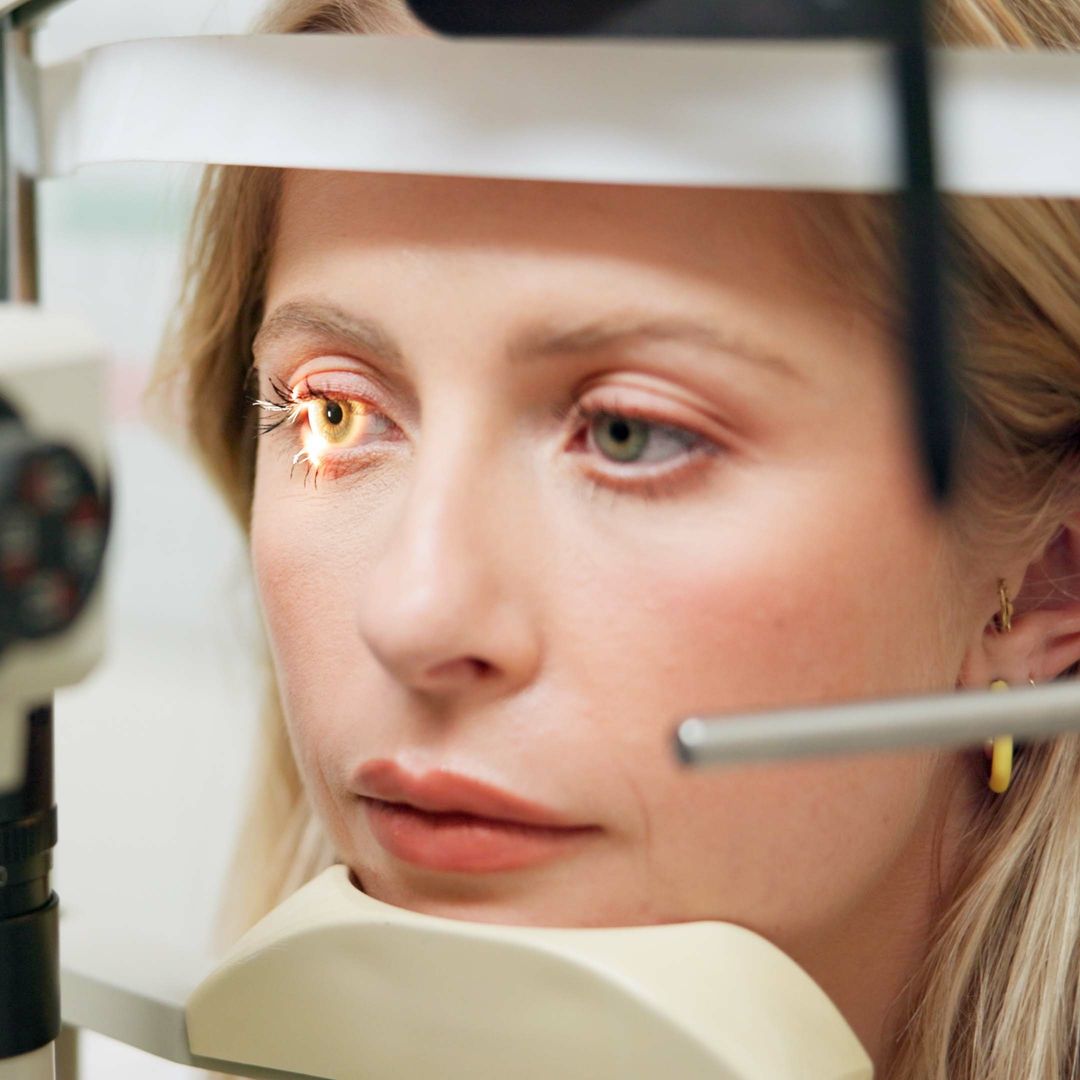

We all know that the health space is saturated with information, and for those with children, the topic of what we should and shouldn't be feeding kids with regard to their health can feel like a minefield. I'm not a parent, but as someone with close personal friends who have kids, and the auntie of four nephews, I've witnessed said minefield. One hot topic that can come with a lot of confusion is vitamins. According to independent nutritional experts, Daisy Skinner, Lucy Kershaw and Jenny Rogers, the overarching goal is that children get their vitamins and minerals from a balanced diet. But there is also an element of choice, so if a parent chooses to give their child vitamins, then choosing the right ones is important.
 © Getty Images
The one mistake parents are making when it comes to children and vitamins
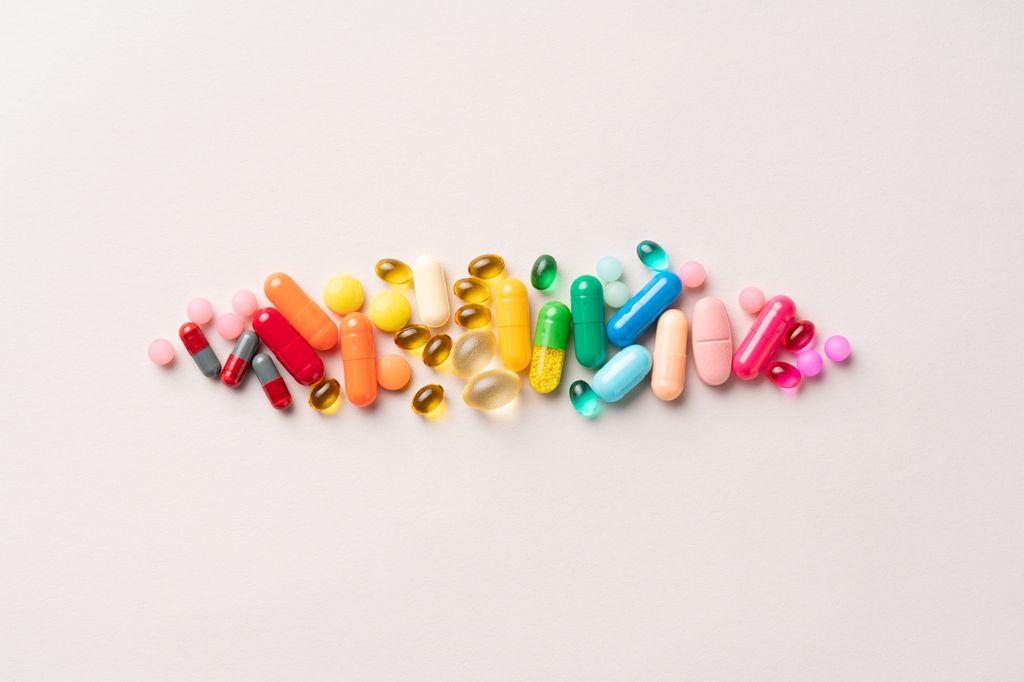
Jenny Rogers, speaking on behalf of Nature's Best, says that there is such a thing as the 'wrong' vitamin. "One big mistake is choosing supplements that are high in sugar but low in essential nutrients," she notes. "The National Diet and Nutrition Survey (2019–2023) shows that children are already consuming more than double the recommended limit of free sugars, so the last thing they need is added sugars in supplements. Parents should look for products with natural flavours and no added sugars."
Daisy, meanwhile, added: "Supplements should only be given if necessary. For example, if there are nutritional shortfalls or absorption problems. And it's always best to avoid products that aren't specifically formulated for children. The first step is checking that the supplement is designed for children and appropriate for their age. Dosages can vary by age group, so it’s important to follow instructions on the packaging."
When vitamins and supplements can be useful
Like most things, there are benefits as well as drawbacks. It's been widely documented that many people, especially those who live in countries with periods of low sunlight throughout the year, like the UK, are deficient in vitamin D, so taking a supplement can help.
Daisy notes: "While it can be found in some foods, we generally cannot get enough from diet alone. Since we also rely on sunlight to produce it, the lack of sun during autumn and winter makes vitamin D supplementation important for both children and adults. Supplements may also be needed if a nutritional deficiency is identified, which can happen due to food preferences, allergies, intolerances, absorption issues or illness."
 © Getty Images
The NHS advice supports this. Their website states: "Vitamin D helps regulate the amount of calcium and phosphate in the body. Government advice is that everyone should consider taking a daily vitamin D supplement during the autumn and winter. Since it's difficult for people to get enough vitamin D from food alone, everyone (including pregnant and breastfeeding women) should consider taking a daily supplement containing 10 micrograms of vitamin D during the autumn and winter."
 © Getty Images
When should parents consider vitamins
As the nutritionists explained, ideally, children would get everything they need from a balanced and nutritious diet, but it's not always doable. Lucy Kershaw explains: "As children grow, their bodies need extra nutrients, which can make deficiencies more likely, especially in lower-income households or in children with restricted diets. Some of the most common deficiencies in children include vitamin D3, iron (particularly in girls), folate, and omega-3 fatty acids. While a healthy diet should always come first, a good-quality children’s multivitamin, along with an omega-3 supplement, can help to bridge nutritional gaps during this crucial stage of development."