
Throughout our lives, we all face emotional losses and break-ups. When they happen, they can feel like trying to climb Mount Everest - an insurmountable challenge. We might even feel that we've hit rock bottom - but, as it turns out, that isn't necessarily a bad thing!
This is according to Alberto Simoncini, an author and therapist specialising in grief counselling.
The expert invites us to see these experiences as opportunities for personal growth and emotional reconstruction. "Sometimes we face a loss that simply cannot be ignored - it feels like a tsunami, destroying everything in its path," he says.
"We're generally afraid of 'breaking' because we don't know what will happen next… But we need to surrender to it, build courage on top of that fear, in order to move forward."
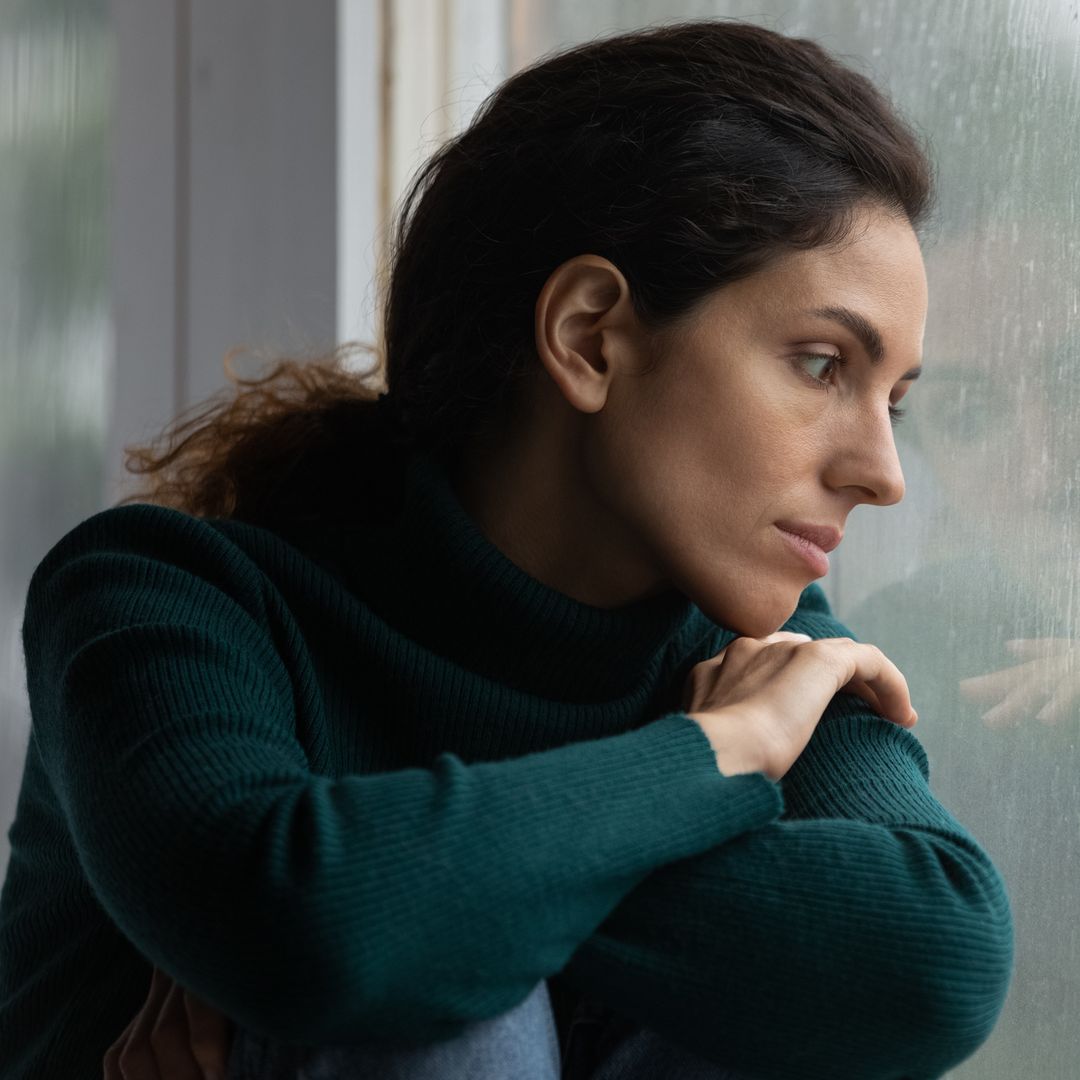
 © Maria Korneeva
The mental health specialist opens up about ways to turn our most difficult experiences into an opportunity for growth.
What does reaching the 'breaking point' look like to you?
"I think of it as shattered hope... We live our lives hoping things will go exactly how we'd like them to. When that happens, we're happy and life is great. But when things go wrong, we lose our sense of direction and start to suffer. But overcoming that grief means reflecting on why the loss is causing us pain; we have to find ways to give a new meaning to a life experience."
Are you a survivor?
"Every one of us is surviving something or someone. We are all survivors; we're walking miracles simply just because we're alive. The hardest things in my life that I've had to overcome were two bouts of deep depression. Only someone who has suffered from depression can truly understand what it means to be in a 'black hole'."
 © Getty Images
Sometimes we keep on fighting our circumstances and seem to be moving forward... but then find out that's not the case.
"Fighting is good, but pausing and reflecting is also a valuable option. A warrior is strong and is capable of fighting because she takes the necessary time to recover energy and heal her wounds."
"We need to surrender to being at rock bottom, build courage on top of that fear, in order to move forward"
Do you think we're afraid of reaching our breaking point?
"Basically, we tend to want to stick with what we know. For example, we'd rather sit on an old, ugly, uncomfortable chair than stand up and look for something better, because we're scared of being left with no chair at all. We're afraid of losing our sense of purpose in life, so we often prefer to just to put up with everything and push on, rather than living, loving and flourishing."
But how exactly can hitting our low point help us?
"Breaking down allows us to rebuild ourselves from a new, present and conscious space - to reconstruct ourselves starting from scratch."
 © Getty Images/iStockphoto
What role does fear play in the grieving process?
"The main anxieties when you're grieving are the fear of not being able to see a light at the end of the tunnel, and also the dread that you may one day have to go through the same situation again. Therapy's role is to prevent these fears from blocking your healing process."
"Grief is like a physical wound. Some wounds heal without leaving a trace, while others leave scars for life."
Are there many different types of grief?
"Grief is a journey which integrates various levels and types of loss, which makes every experience of it unique and personal. There are many types of loss - losing a human, or animal, loved one is only one of them. We can lose many things in life, and there are many different forms of grief we might have to navigate."
Can all forms of grief be completely overcome?
"Grief is like a physical wound. Some wounds heal without leaving a trace, while others leave scars for life. It's a journey, and once that journey has served its purpose, the grief subsides. However, some losses are so profound that we have to work through it every single day of our lives."
Is a significant amount of self-discovery crucial when facing grief?
"I’m a firm believer in mandatory therapy. I think everyone should spend a year in therapy aged 18 to recognise and heal their wounds. Getting to know yourself is the most difficult thing a human being can do - but it's also the most useful."
 © Getty Images
You say that crises and grief are opportunities for growth. But isn't it hard to see a way out when you're immersed in it?
"Every loss triggers a transformation; it's unavoidable. But only those who have lived through it can understand, and express the effects of, this type of personal growth. A therapist can't just tell a patient, 'Suffering will make you a better person.'"
For emotional support, you can call the Samaritans 24-hour helpline on 116 123, email jo@samaritans.org, visit a Samaritans branch in person or go to the Samaritans website.
About the expert:
Alberto Simoncini is a therapist specialising in grief counselling. He is also author of the Spanish language books The Courage to Break (El Coraje de Romperse) and 21 Mournings: Conversations with Pain (21 Duelos: Conversaciones con el Dolor).