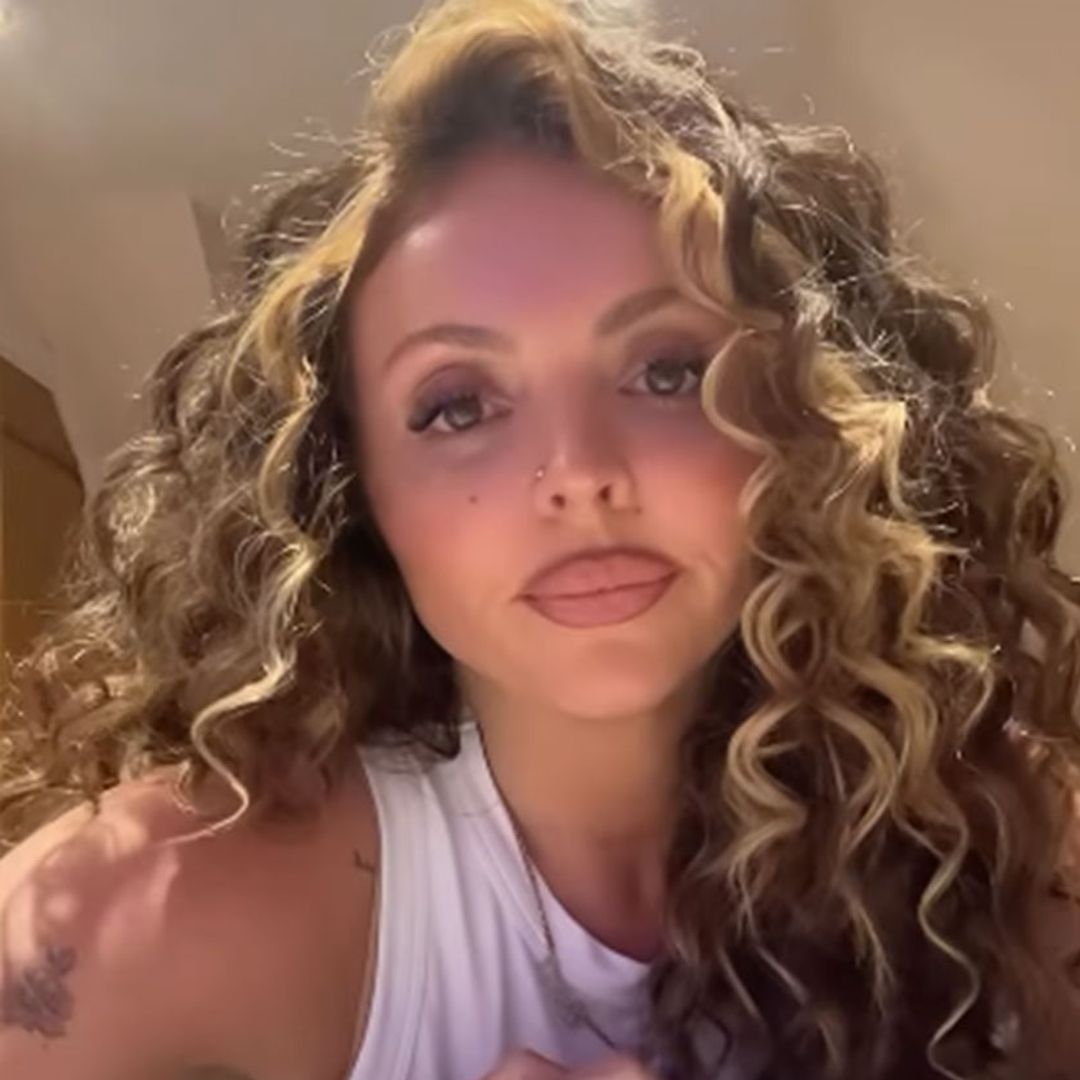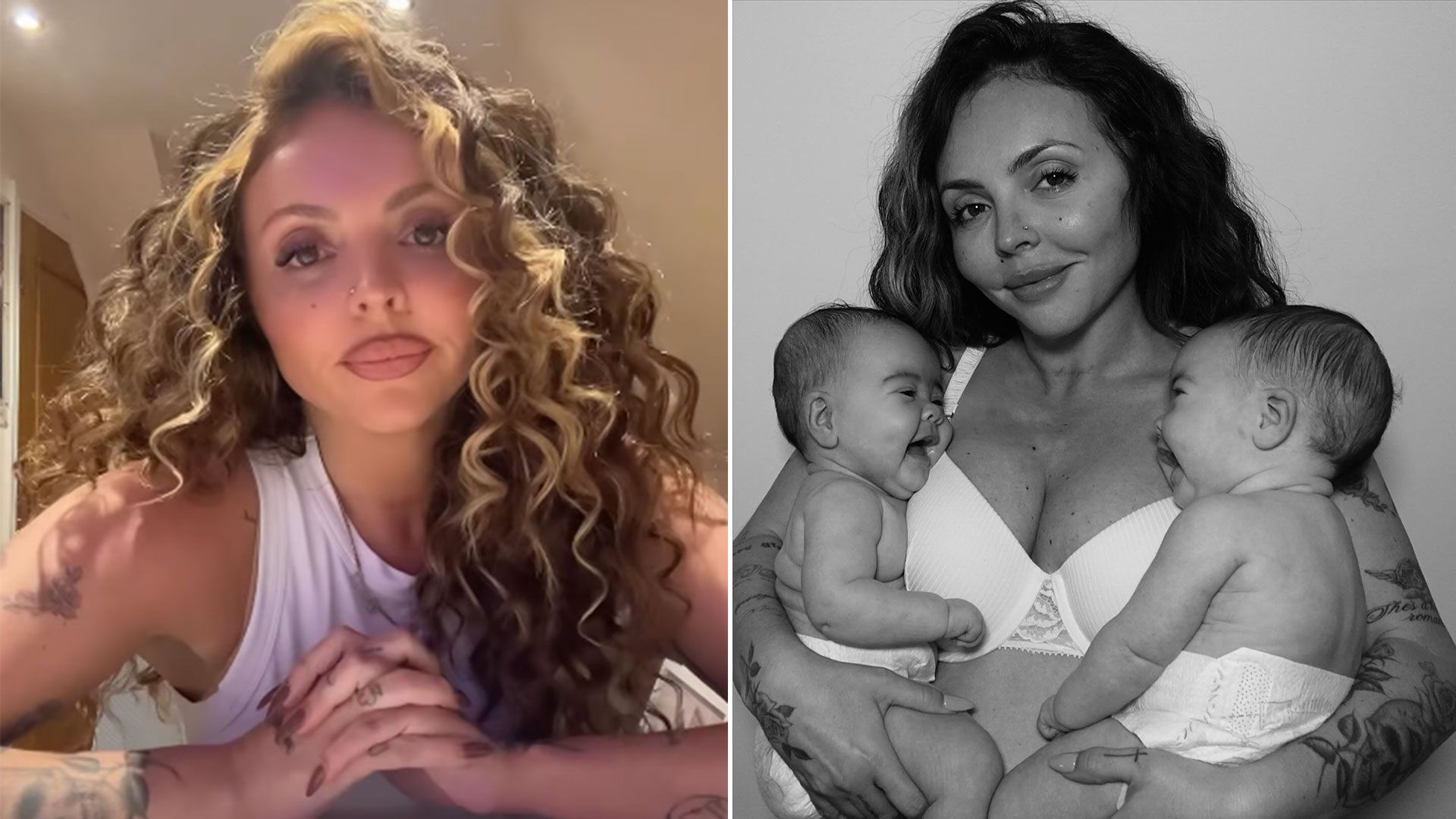

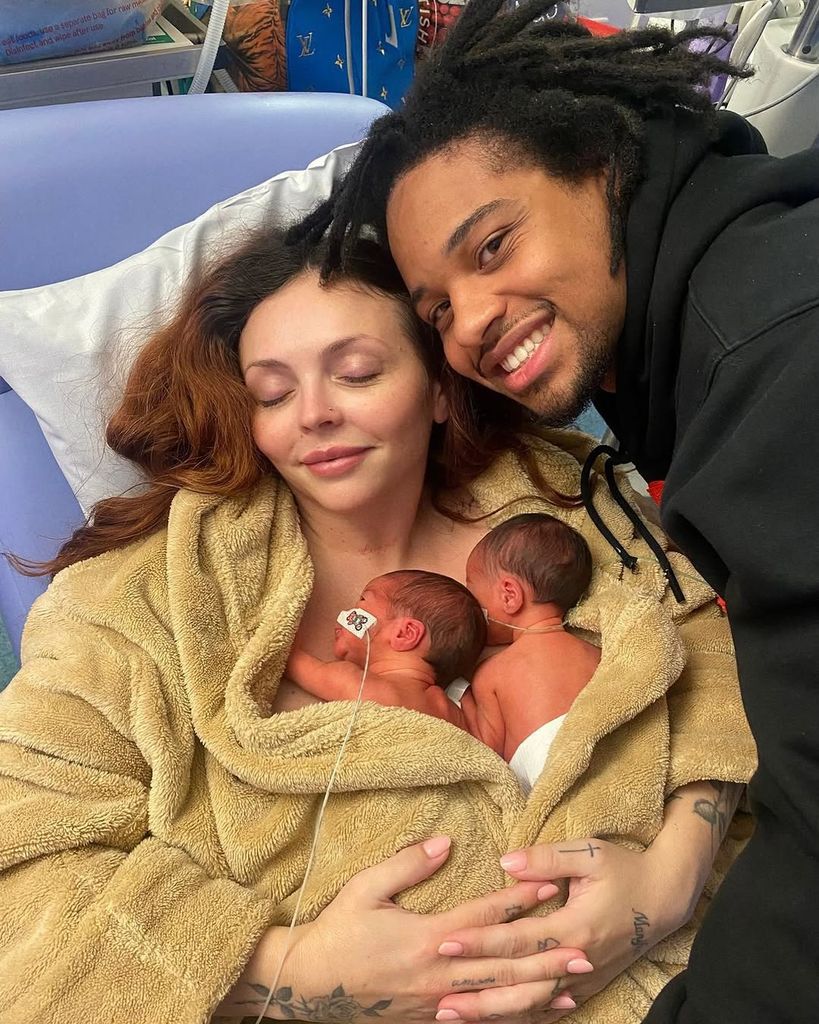
Jesy Nelson has been raising awareness of Spinal Muscular Atrophy (SMA), after revealing that her twin babies have been diagnosed with the condition. The former Little Mix singer shares eight-month-old twins Ocean Jade and Story Monroe with her fiancé, Zion Foster, and said that they will "probably never be able to walk" after losing muscle strength in their neck and legs.
SMA is a genetic condition that affects an estimated one in 14,000 births, and it is categorised into different types depending on the age of onset of symptoms.
 © ITV
© ITVTo understand more about SMA, including the symptoms to be aware of, we caught up with Dr. Kaitlin Batley, Paediatric Neurologist at Children’s Health and Assistant Professor at UT Southwestern Medical Center.
What are the symptoms of SMA Type 1?
"Symptoms can look different depending on the type of spinal muscular atrophy, and they often show up at different stages of childhood," Dr. Batley explains.
- Type 1, the most severe form, typically appears in infancy. Babies may have significant muscle weakness, trouble holding up their head, an inability to gain motor milestones such as sitting up, and challenges with breathing or swallowing.
- Type 2 usually becomes noticeable later in infancy or early childhood. Children may be able to sit independently but are unable to walk without support, and muscle weakness tends to progress over time.
- Type 3 often appears later in childhood. These children may walk independently at first, but parents may notice frequent falls, trouble climbing stairs, or difficulty keeping up with peers as muscle weakness develops.
- Type 4 begins in adulthood and causes milder but still progressive muscle weakness.
"Across all types, SMA affects muscle strength and movement, but the severity and progression vary widely," the Paediatric Neurologist says. "That range is why early evaluation and ongoing care are so important, so each child’s needs can be addressed as early and thoughtfully as possible."
Can SMA Type 1 be cured?
Prognosis for SMA depends on a number of factors, including the type a person has and the treatment they received, as Dr. Batley explains: "The severity of the disorder depends on which type the child has, and the timing at which treatment is initiated. Children who are treated early, either before symptoms occur and shortly afterwards, will often develop only mild symptoms.
"We are so fortunate to have excellent disease-modifying therapies available for the treatment of SMA. There are three different FDA-approved therapies to treat this condition, with studies ongoing to identify even more," she says.
While there is not considered to be a true cure for SMA, treatment options have significantly improved, according to the expert. "For babies born in this era of treatment and identified early, symptoms can often remain mild. However, they will still need lifelong and ongoing care to monitor disease progression and identify any symptoms that could develop in the future. Therefore, we do not technically consider these treatments to be a 'cure,'" Dr Batley adds.
 © Instagram/ @jesynelson
How common is SMA Type 1?
According to the charity Spinal Muscular Atrophy UK, the condition affects an estimated one in 14,000 births, which equates to around 47 births in the UK in 2024. Dr Batley adds: "In the U.S., about one in 11,000 children are born with this condition. About one in 40 to 60 people are carriers who could pass it on to their children."
What causes SMA Type 1?
The NHS say that SMA is a genetic condition, which can only be passed on if both parents carry an altered gene called SMN1. Dr Batley further explains: "Spinal muscular atrophy, or SMA, is a genetic condition that affects the motor neurons, which are the nerve cells responsible for controlling muscle movement.
"When those neurons do not function properly, muscles become weak over time because they are not receiving the signals they need to stay strong. SMA is an inherited disorder, present in a person’s DNA from the very beginning, even though symptoms may not always appear right away."