
Christmas has come and gone, and by now you will have re-entered the workforce with that post-holiday slump. While some people may feel refreshed, I think it is fair to say that a lot of us are mourning our time off and struggling to re-engage as emails plague inboxes and January's dark, chilly air takes hold.
Slipping back into our usual routines can be challenging after a long stretch of merry annual leave jam-packed with over-indulging in festive treats, lounging by the fire and lying in until midday.
However, setting small objectives and implementing tiny changes could be the helping hand you need to kickstart 2026. HELLO! enlisted the help of a cognitive behavioural psychotherapist so that we can all get organised and get going as the new year steams ahead.
How to get back into a normal routine
As the saying goes, organisation is the key to success, and with that refrain in mind, we're implementing five key steps to help us regain control of our daily routines to suit the season and our lifestyles.
From setting realistic goals to boosting serotonin levels with exercise and movement, keeping things moving in a positive manner is really important, especially at this time of year when the nights are long and daylight is at a minimum.
Helen Macdonald is a senior clinical advisor at the British Association for Behavioural and Cognitive Psychotherapies and has been a cognitive behavioural psychotherapist herself for over 23 years.
She devised a five-step plan for us to follow when motivation is lacking, and the sofa's call is getting louder. It includes:
- Set realistic goals: Using SMART goals (Specific, Measurable, Achievable, Relevant and Time-bound) and breaking things down into small steps can help with motivation and a sense of progress in working towards what matters to you.
- Build in rewards: Positive reinforcement works. Actions that are rewarded tend to be repeated. Feeling a sense of achievement or enjoyment and laughter releases natural feel-good hormones and helps keep us going. If life is tough, planning small, enjoyable activities can help in the face of difficult situations. You might keep a gratitude journal where you can reflect on the positive things that happened in the day, however small.
- Get active: Going outside, even briefly, can help with January blues - especially if you can get daylight or time in nature. Gentle movement, stretching or more intense exercise can all be helpful, depending on what feels manageable.
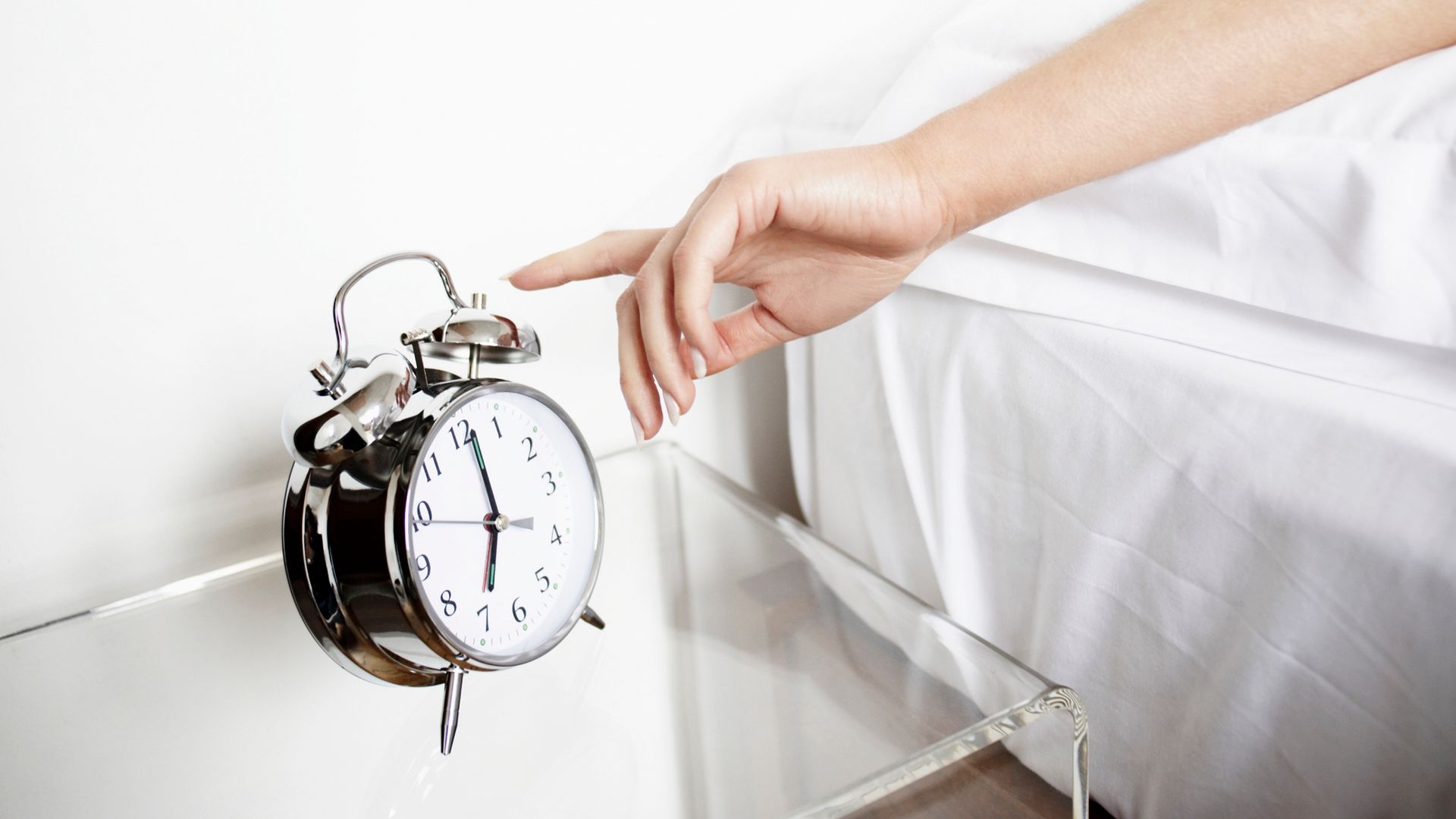
- Prioritise sleep: The festive season can often disrupt our routines. Getting back to regular bedtime and sleeping routines will help you feel better, too. If sleep problems persist, it is important to seek advice.
- Use problem-solving: For worries such as money, work pressures or tensions at home, structured problem-solving can help. Some steps you could take include writing down what the problem is and really trying to define it. Then brainstorm possible solutions, including silly or unlikely ones as well as the practical actions you could take or people you could ask for help. Review your list, choose one to try and identify how you will know if it has worked or not.
 © Getty Images
Why is it so challenging and what can you do about it?
Getting back into a routine after the holidays is a universal struggle, not helped by the fact that January is the depths of winter and freezing cold. Setting strict regimens and sticking to them is no easy feat, and you would be forgiven for slacking a little at this time of year.
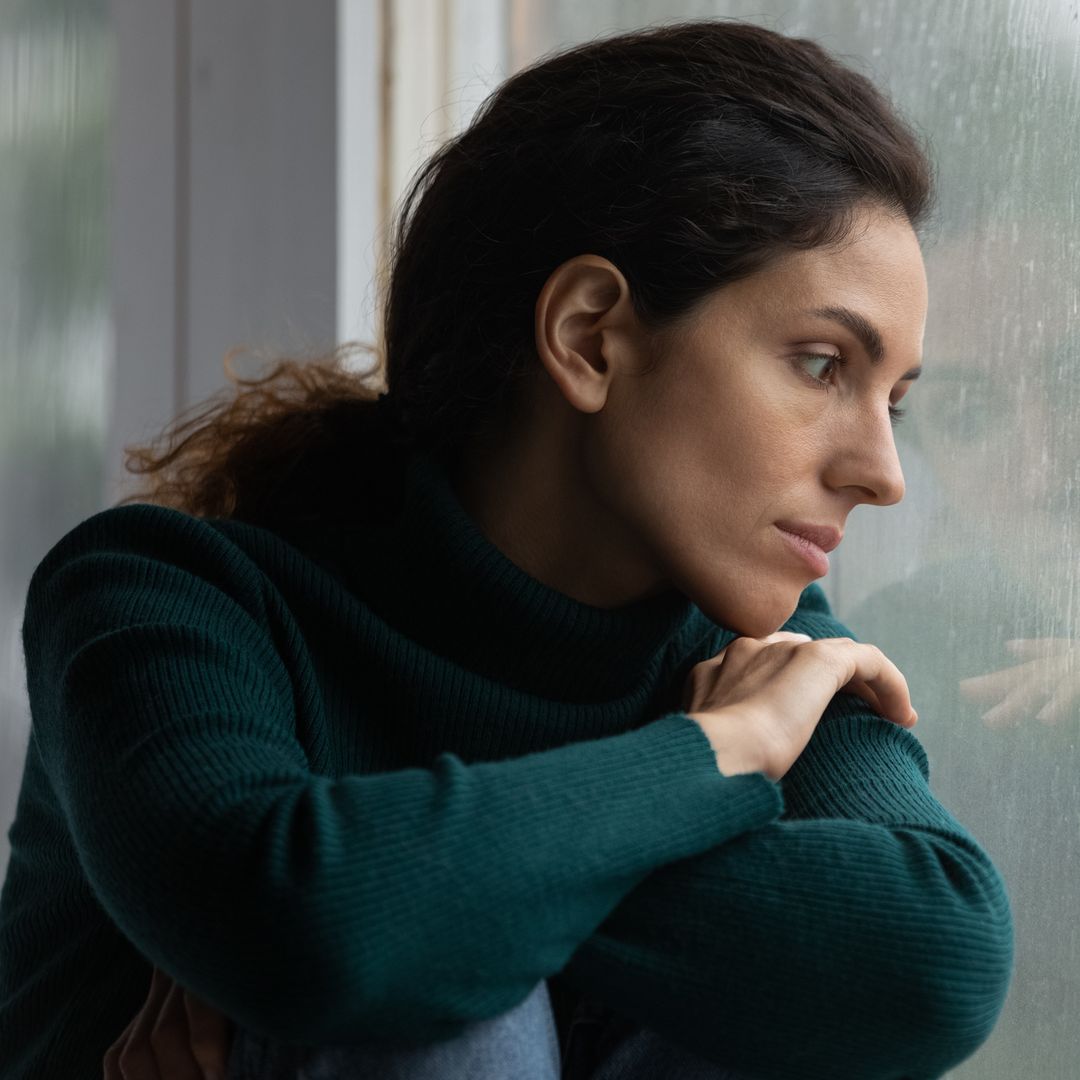
Helen explained why it is so hard to re-enter routines after a long break. She said: "Abrupt changes in routine can have an impact, whether or not they are positive. People may notice feeling tired, empty or sad once the festive season is over and it is back to work.
"Some may have had a great time seeing friends and family, celebrating, going away or simply enjoying a break from work, being alone or sleeping in. This boost of 'feel-good' hormones is now at an end, and the usual routine kicks in again."
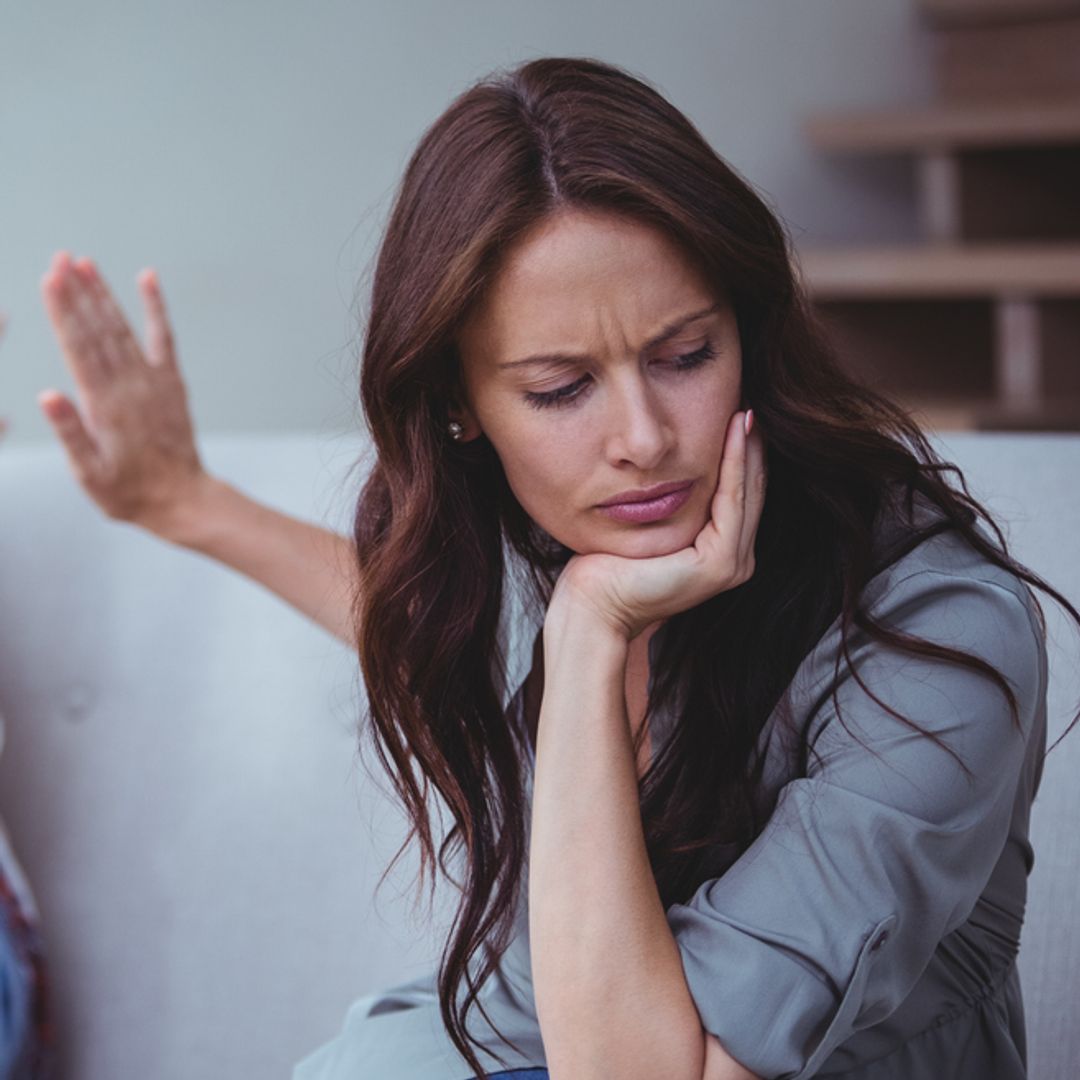
The expert continued: "Others may have felt more lonely, disappointed, stressed or not as rested as they had hoped. There could be added financial pressures, family tensions, disrupted sleep and shorter daylight hours, which can all make the transition harder."
 © Getty Images
How long does it take to get back into a routine?
This will always vary from person to person but the long and short of it is - it just depends. The important thing here is to be patient with yourself as you get your head around your routine and make the adjustments necessary so that it works for this version of you, post-holiday.
Helen advised: "For many people, it can take a couple of weeks, or even more, to settle back into a routine. Being patient with yourself and focusing on small, consistent steps can help the adjustment feel more manageable.
"If low mood, anxiety or feelings of hopelessness persist, it is important to seek professional support. You don’t have to manage it alone. If you need urgent help for your mental health, please call 111 to get advice and in case of an emergency 999."
 © British Association for Behavioural and Cognitive Psychotherapies
Helen Macdonald is a senior clinical advisor at the British Association for Behavioural and Cognitive Psychotherapies and has been a cognitive behavioural psychotherapist herself for over 23 years.