Just as we’re begrudgingly reaching for the puffer jackets and woolen scarves at the back of our closet to protect us from increasingly frigid mornings, your beloved pooch is likely feeling the drop in temperature, too. While we all want to keep our pets nice and toasty in winter, it can be difficult knowing how best to do so – especially as your dog hounds to go outside and sprint around the garden when it’s barely five degrees outside.
To help, we’ve consulted animal welfare experts Daniella Preston-Gouveia, a trainer, behaviourist, and educator at Hope Rescue, and Caroline Reay, Veterinary Standards Lead at Blue Cross, to break down the best ways to keep all dogs warm this winter, including signs to look out for if your pet is feeling the cold, as well as the best indoor activities to keep them healthy and stimulated.
No matter your dog’s age, breed, or individual preferences, here are some of the best ways to ensure they stay cosy and comfy this impending cold season.
 © Getty Images
Dogs will naturally gravitate to warm and cosy spots
1. Let them choose warmth
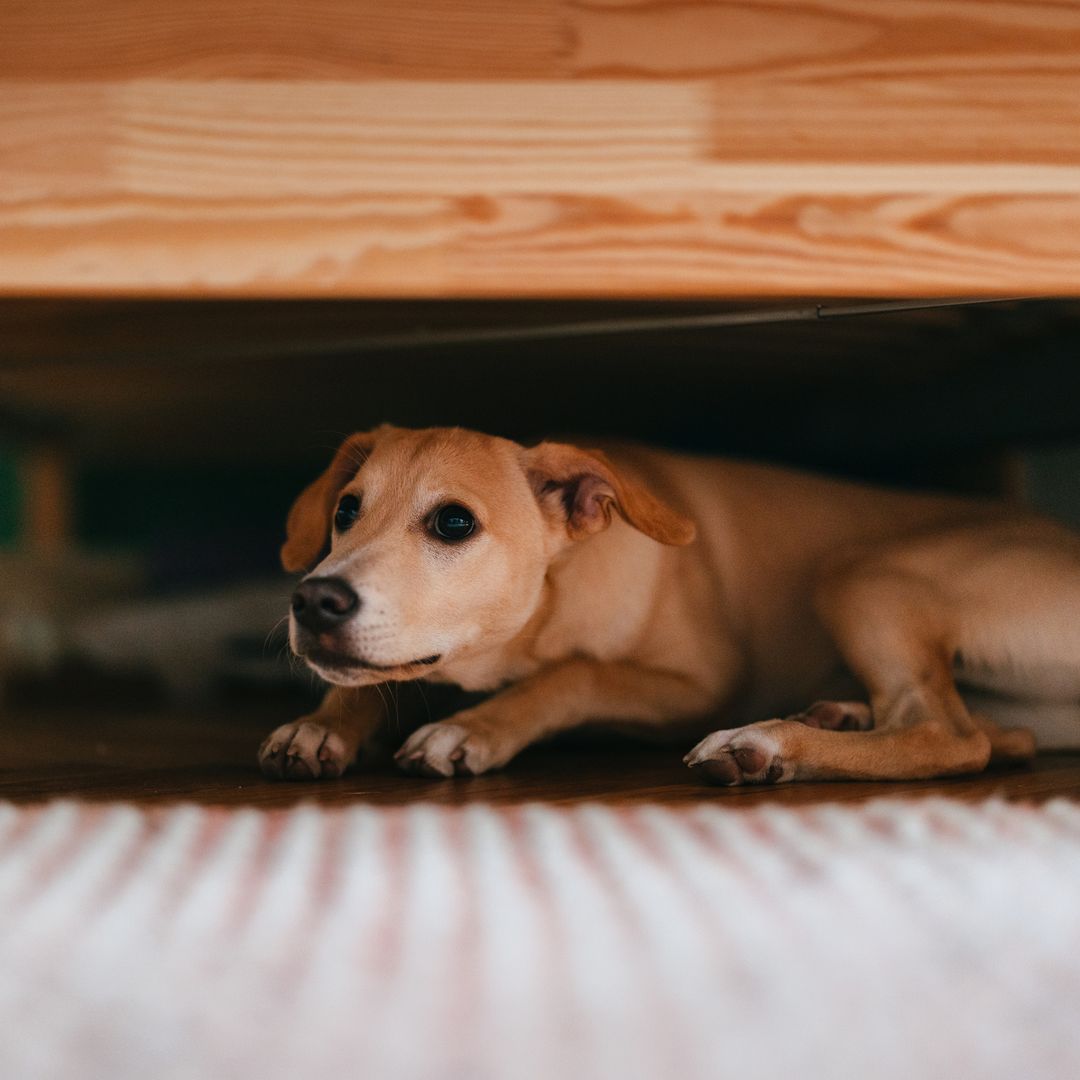
When they start to feel the cold, dogs are experts at finding warm, comfy spots to shelter.
“Provide cosy places to rest, such as raised beds away from cold draughts, or soft corners with blankets,” says Daniella. “Allowing them to choose where to relax helps them stay warm and feel secure.”
If your dog has a favourite spot, consider placing an extra blanket and covering any drafts so they can curl up comfortably in the winter season.
 © Getty Images
Try to keep to your dog's usual routine as much as possible
2. Stick to routines
“Cold weather can make walks challenging, but keeping to your dog’s usual routine helps them feel settled and safe,” says Daniella. As creatures of habit, dogs thrive when kept to a typical routine, and whining or pacing can be a sign that your pet is feeling anxiety at being stuck indoors.
If it’s too chilly to go outside, Daniella recommends keeping dogs entertained indoors to keep their mind and bodies active. “Sniffing games, chew toys, and food puzzles help keep dogs mentally active and can gently warm them up through movement,” she recommends.
“These are great alternatives for days when walks need to be shorter or skipped due to unsafe weather.”
 © Getty Images
Your dog's behaviour can let you know if they're feeling chilly
3. Look out for signs they’re cold
“Dogs don’t always show they’re cold in obvious ways,” says Daniella. Shivering, lifting their paws, moving more slowly, or seeking shelter can all be signs that your dog is feeling uncomfortable.
If you notice any behavioural changes in your pet, it could be a sign that they’re feeling the cold. “Spotting these signs early helps keep them safe and happy,” she advises. Always consult your vet over any uncharacteristic changes in behaviour.
 © Getty Images
Providing your pooch with different resting options can help them feel more comfortable
4. Give them resting options
Just like dogs often have a preference for where they like to sleep, they also share a similar preference for how they like to sleep. “Like people, dogs have different ideas of what feels comfortable,” says Daniella.
“Some like to snuggle under blankets, while others prefer firmer, more open spaces. Offering a few different spots lets them choose what suits them best.”
 © Getty Images
Some dogs may benefit from some extra winter layers
5. Dress them up
“Elderly, thin, or dogs with short coats such as greyhounds, dachshunds, and chihuahuas are the most vulnerable to the cold,” says Caroline.
If your pooch fits this criteria, she advises a special coat or jumper for warmth, especially for outdoor walks. “Some dogs may also benefit from doggy winter boots to help them on cold pavements.”
 © Getty Images
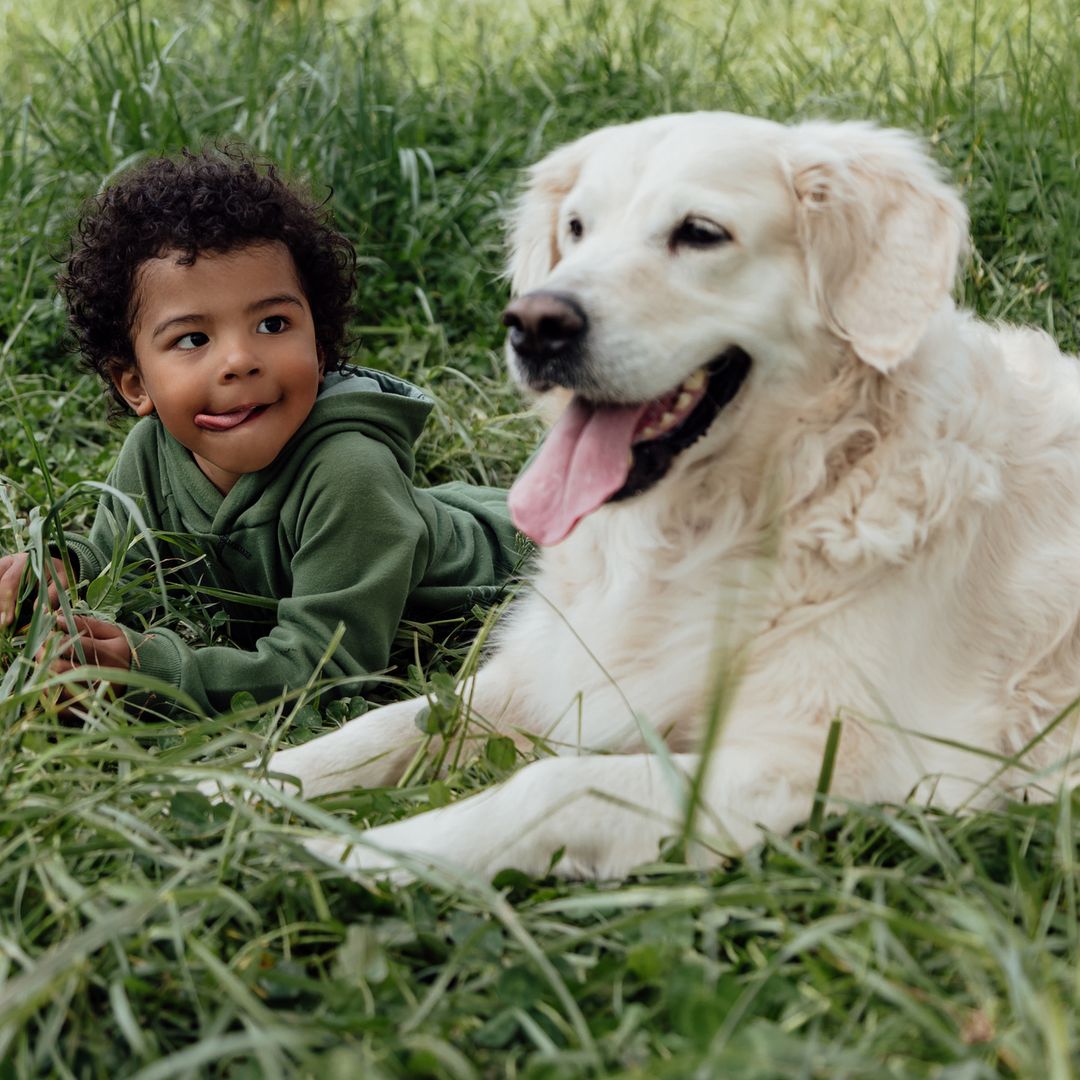
Breeds with thicker coats often love the winter weather
6. Know your breed
While it can be instinct to want to bundle up your pet before a walk, some dogs are not as bothered by the cold.
“Breeds such as Labradors, Huskies, and German Shepherds are not so bothered by the cold, because they already have a thick coat that does a great job of keeping them warm,” says Caroline.
”But just like us, all dogs are individual, and some may feel the cold more, particularly if they are older.” Look out for any signs that your dog may be feeling the chill more than usual, like shivering or lethargy.
 © Getty Images
While dogs love to run and play, dampness can make them chillier in winter
7. Keep them dry
With the weather leaning just as wet as it is cold, damp paws or fur can make your furry friend even colder.
“Dry your dog off if they get wet while out on a walk, and ensure their paws are clear of grit, ice, or salt,” recommends Caroline. Wiping their paws with a warm washcloth may do the trick, or consider using a mild dog shampoo for extra mucky paws.
 © Getty Images
Shorter walks in cold weather give your pup routine while prioritising their health
8. Limit the length of walks
Keeping up with walking does wonders for your dog’s physical and mental health, but cutting them shorter in bad weather can still give them the exercise they need while keeping them safe.
“As long as your dog is healthy and able, you should try to take them for a walk in all weather conditions where possible, but limit the length of the walks in extreme cold and snow,” Caroline advises – especially for vulnerable dogs, like those with arthritis.
“If they start to show signs of discomfort, contact a vet as soon as possible.”
 © Getty Images
Keep an eye out for signs your dog might be overheating indoors
9. Try a heating pad
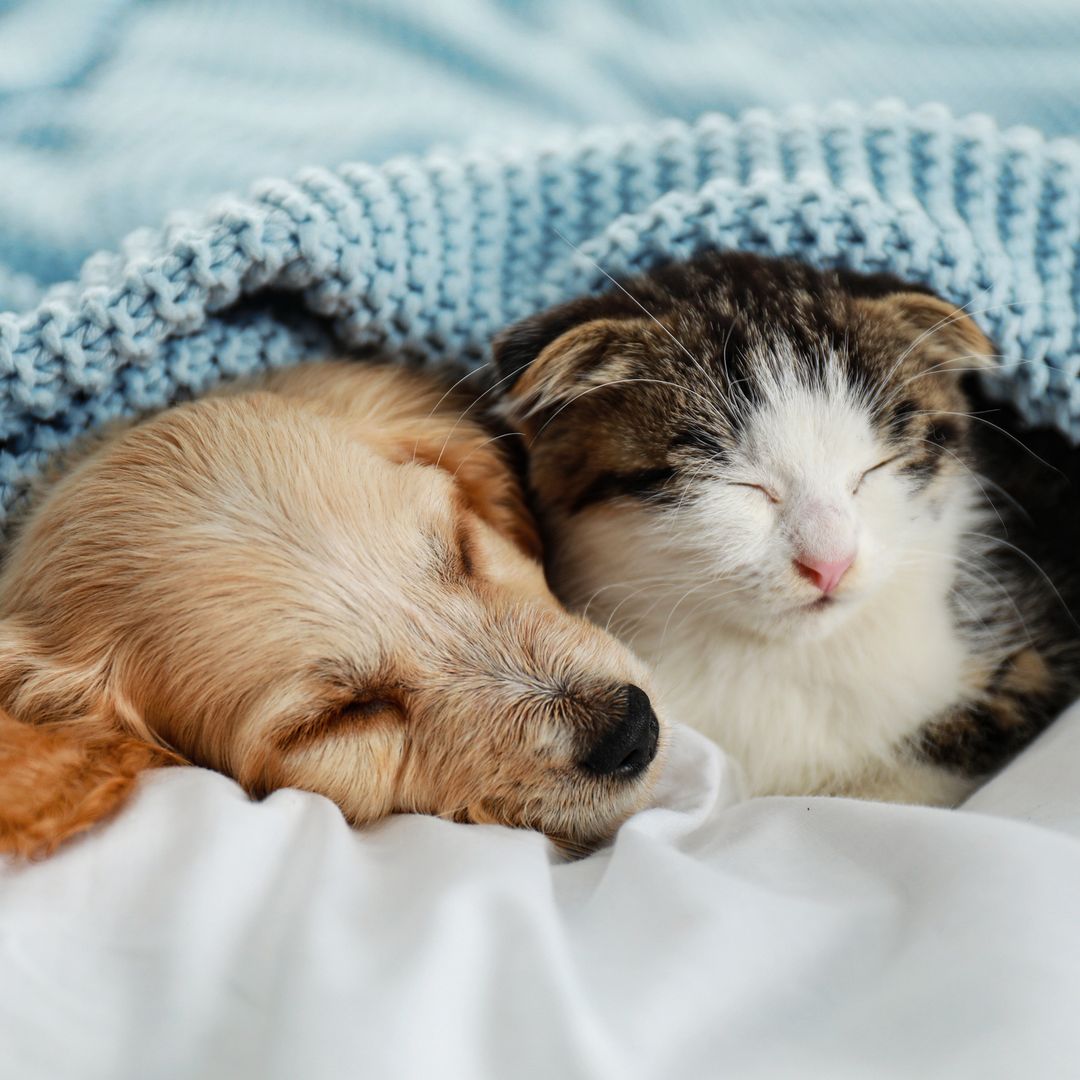
“Indoors, provide warm bedding and a snuggle safe or heat pad – with a layer of padding to protect from burns,” says Caroline. While these can be an excellent and innovative way to warm up your dog, keeping an eye out for signs that they’re too toasty is also crucial.
“If your dog likes to sleep with you in the bed, ensure they can get a safe exit if they are under the covers and watch out for signs of overheating, such as panting.”