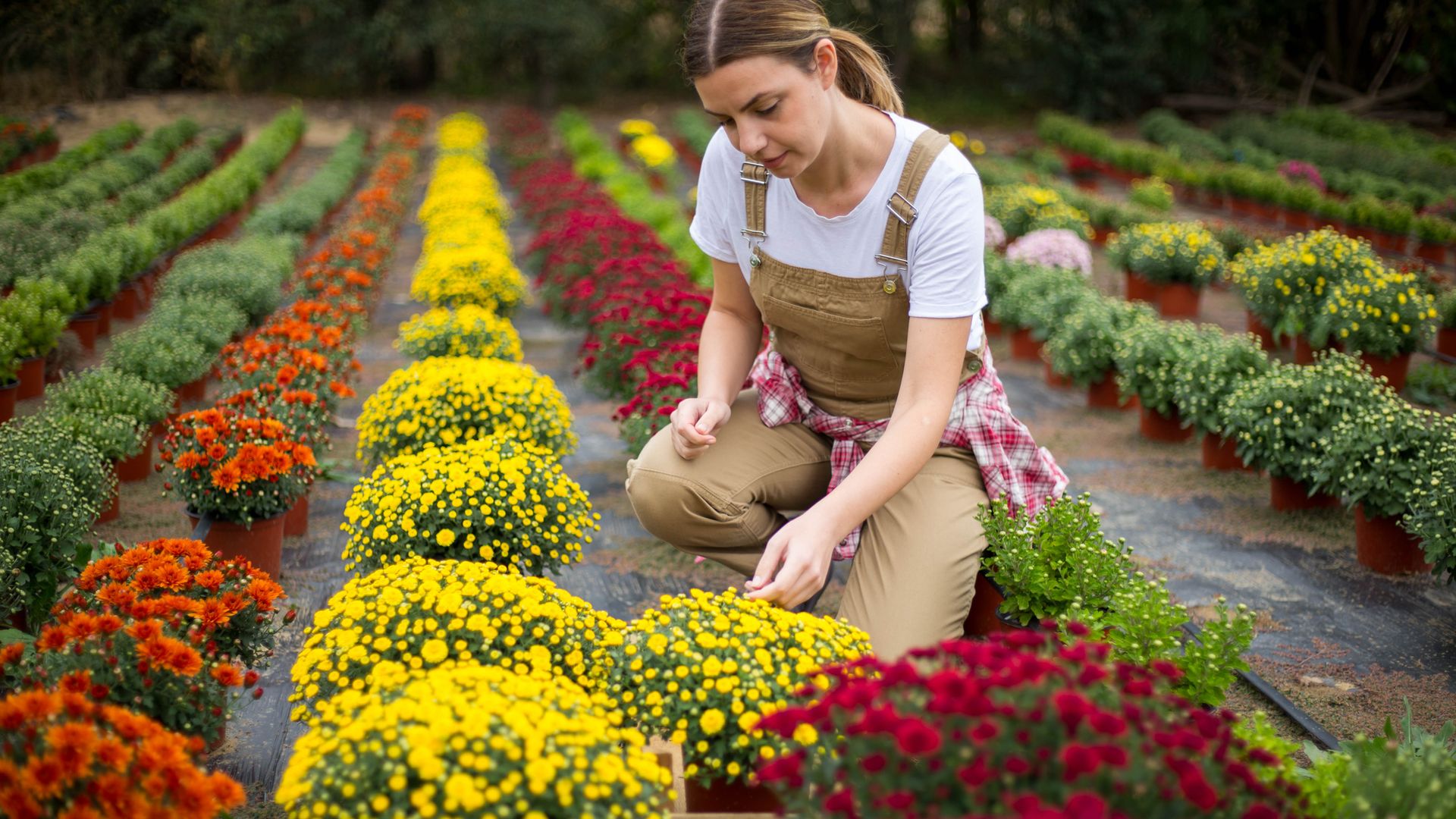
The summer may be over and harvest may have passed, but for the impassioned gardeners out there, the planting never stops – there are just as many hardy plants, from trees and shrubs to more winter-resistant flowers, that are perfect for keeping your garden looking a little bit vibrant as the days begin to get shorter and colder throughout autumn. Scroll down to find out all about the very best autumn and winter flowers that thrive in the cold, to keep your garden blooming…
Why does planting throughout autumn and winter matter?
According to Isobel Spandler, garden designer and founder of Wiltshire Garden Design, this season is a "key moment" in the gardening year. "Taking advantage of the still warm soil and increased rainfall after the dry months of summer makes establishing new planting much easier," she says. "This head start will result in stronger, healthier growth in the spring, with plants that are more drought resistant and may flower early than if planted in the spring."
Isobel also adds that perennial planting can even continue into the early winter, as long as your ground isn't waterlogged or frozen. "Choosing winter flowering blooms will not only bring late season colour and interest into your garden but also provide a vital source of food for wintering insects and birds," the garden designer adds.
What should you consider before planting these flowers?
As with any season, you need to make sure you're being careful about the condition, type and pH level of your soil before you plant any flowers. However, there are also some types of plants that might be best to avoid, according to the gardening expert.
"Avoid the temptation of end-of-season bedding plants," Isobel explains. "They won't last long, and may not thrive in colder conditions."
What are the best flowers for a bit of colour in autumn?
There are a lot of gorgeous flowers to choose from if you're hoping for some colour in autumn. "With regular deadheading, many will flower into November – only the first frosts will stop them," the garden design expert adds. "Even then, resist cutting them back: seedheads from spent blooms and the structure of sedum add interest through the winter months." Scroll down to see our pick of flowers to plant in autumn…
What are the best flowers to plant in winter?
Autumn planting is one thing, and the temperatures can drop, but when the frost starts to hit in winter, then it's a completely different story. Scroll down to see the expert picks for the flowers to plant in your garden this winter…
What are the best potted plants for balconies and small gardens?
If you want a little more colour indoors, then a houseplant might be a good option to keep on your balcony – or if you've got a smaller garden, then they're perfect for fitting into a smaller space. Isobel advises: "Winter violets and pansies are cheerful and easy to maintain. Viola cornuta 'Phantom' is especially useful, highly scented and happy in partial shade." She adds that some deadheading keeps them flowering, and they bounce back easily after a cold spell.
Winter pollinators can struggle a bit when there isn't as much flower, but fear not, as the gardening expert suggests heathers: "They're an important early food source for them, and thrive in free-draining acid soils with a pH of 6.5 or less. Perfect for containers in a sunny spot."
Expert tips for keeping blooms healthy in colder months
In order to keep your blooms healthy, the garden design expert says: "Most plants will benefit from a layer of mulch, to insulate roots, retain moisture, suppress weeds and feed the soil over the coming year." She also urges preventing any heavy wind and rain from flattening your later-flowing perennials by using plant stakes or border restraints. If necessary, feel free to tie them in.
Isobel also asserts the importance of keeping an eye on the weather, saying: "Fleeces or cloches can protect less robust plants from heavy snowfall. Raise pots off the ground and ensure that drainage holes are clear." She points out that you should "avoid overwatering by checking the soil moisture first".
When to start planting and how to prepare for spring
Though the snowdrops and hellebores blooming in January mark the beginning of a new gardening year, the garden design expert advises holding back from planting more until mid-March, "when the soil is warm enough to sow hardy annuals and begin dividing perennials".
She adds: "Soil preparation is the key to success with any new planting scheme. Start by clearing away debris and any perennial weeds that linger over winter." Make sure you dig in lots of organic matter, to "improve drainage and correct nutrient imbalances", but without working on any soil that has been frozen or sodden – "Not only is it hard work, but it can also destroy the soil structure," Isobel concludes.