
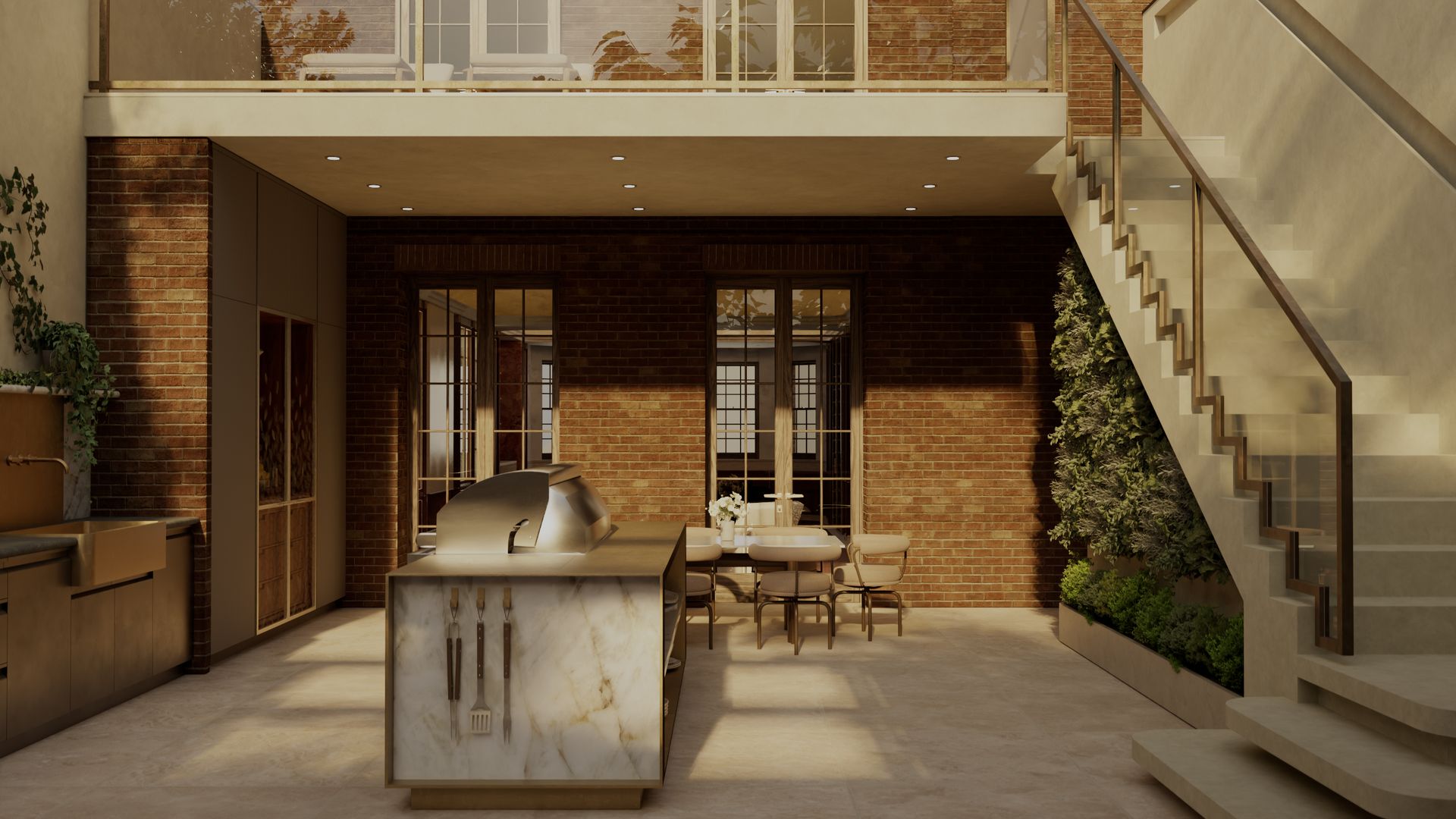

When it comes to luxury materials, marble is one that's selected time and time again – known for adding elegance and style to any property. An ideal choice for worktops in kitchens and washrooms, but also a hero choice for tables and fireplaces. We quiz landmark designers for their ultimate advice about using marble within your abode – the pros, cons and insider tips.
Why is marble so popular right now?
With 14 years in luxury interiors, designer Katerina Tchevytchalova, Director at K'Arte Design, has worked with many high-end clients who chose marble features in their homes. Why is it a go-to material? "Marble embodies timeless luxury; it never goes out of style," Katerina explains. "There's also a growing focus on natural materials, which has brought marble back into the spotlight."
Interior designer Theresa Schiess, who works for kitchen and furniture brand, Lanserring, also coins marble as being "timeless". She says: "Marble offers timeless elegance. It speaks of craftsmanship and natural beauty, and as clients increasingly seek materials with heritage and individuality, marble has become a defining feature of refined, characterful interiors."
For US-based interior designer, Bilal Rehman, who has over 400,000 Instagram followers with eyes on his legendary style, says "the beauty of marble is unmatched". He goes on to explain: "Its natural veining, texture, and sense of permanence create a level of sophistication that no synthetic material can replicate. It instantly elevates a space."
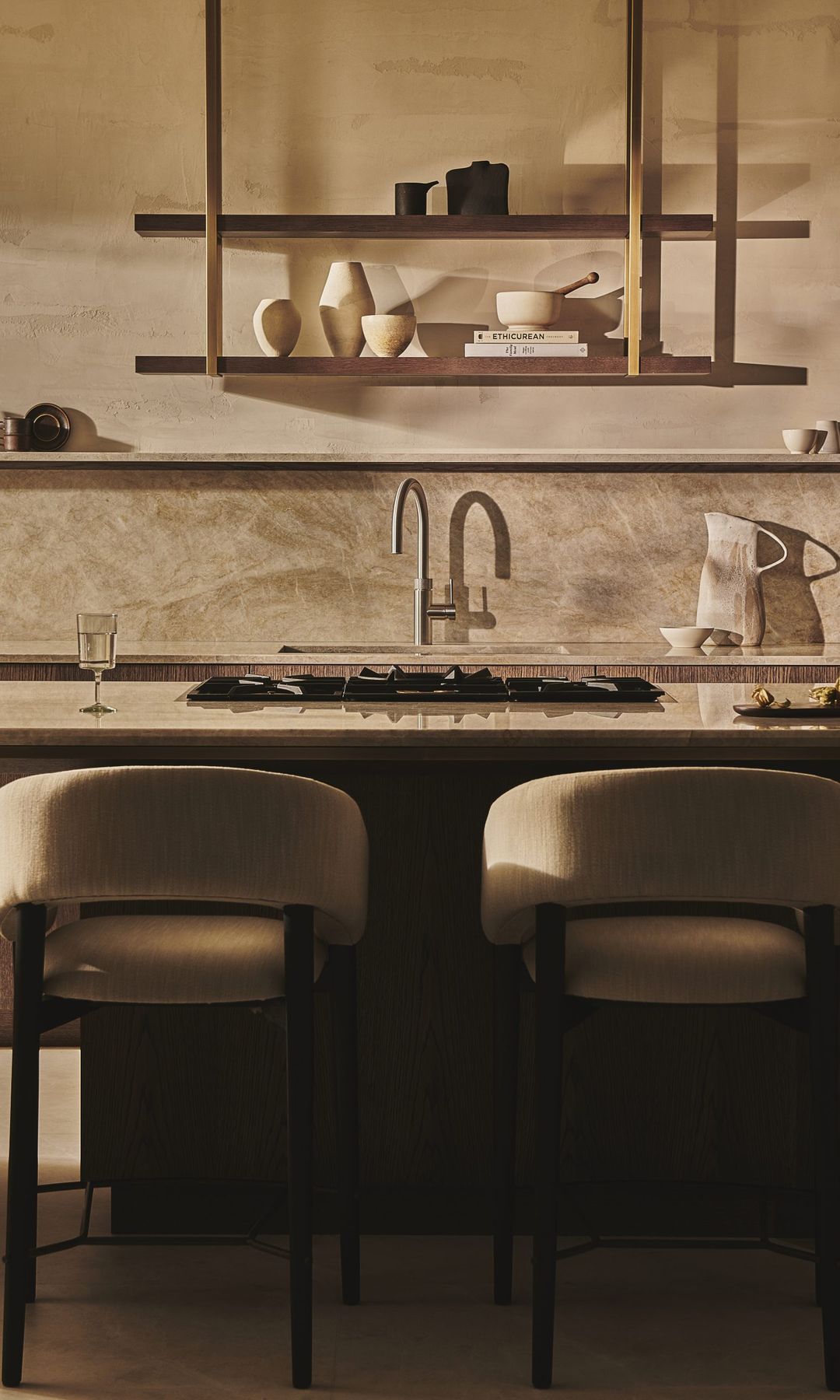
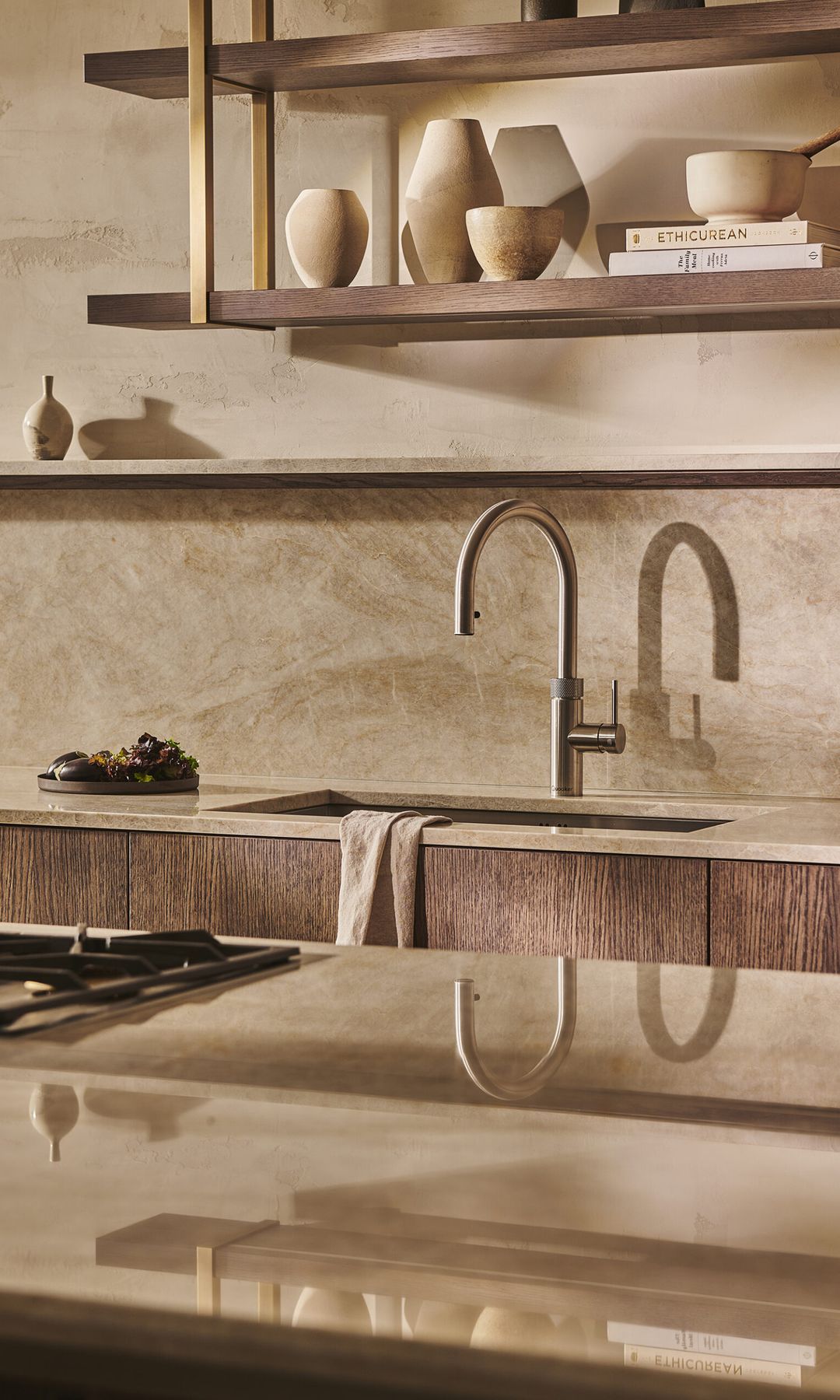 © Lanserring
What are the main different types/styles of marble?
"There are several varieties of marble, with the most commonly used being Carrara, Calacatta, Statuario, Nero Marquina, Emperador, and Verde Alpi," says Katerina.
"Marble is also available in different grades: Commercial Grade – natural variation and texture, perfect for relaxed, organic looks; Select Grade – balanced tone and veining, ideal for large, continuous surfaces; and Premium/First Grade – uniform colour and refined veining, the highest quality choice for luxury projects."
Choosing exactly the right piece for each project is important. Perhaps consider hand-selecting a slab for what you need. Theresa explains they often choose "hand-selected slabs that reflect a project's mood and architecture," instead of leaving it to fate.
The pros and cons of marble
Katrina points out her pros – and there are many: "No two slabs are ever the same. It adds value to a property, lasts for many years when maintained properly, never goes out of style, and can brighten a room by reflecting light when polished."
She also acknowledges its drawbacks. "It's more costly than other materials, requires regular maintenance, can be slippery when polished, and is prone to staining if not properly sealed." Thersea turns a negative into a positive: "It's porous and can mark or patina over time, but we see this as part of its charm: it tells the story of how a space is lived in."
What is the lifespan of marble?
Although it has a reputation for being porous and stain-prone, particularly if untreated, the experts have explained that marble can have remarkable longevity. Treat it well and you can keep it inside your home for years.
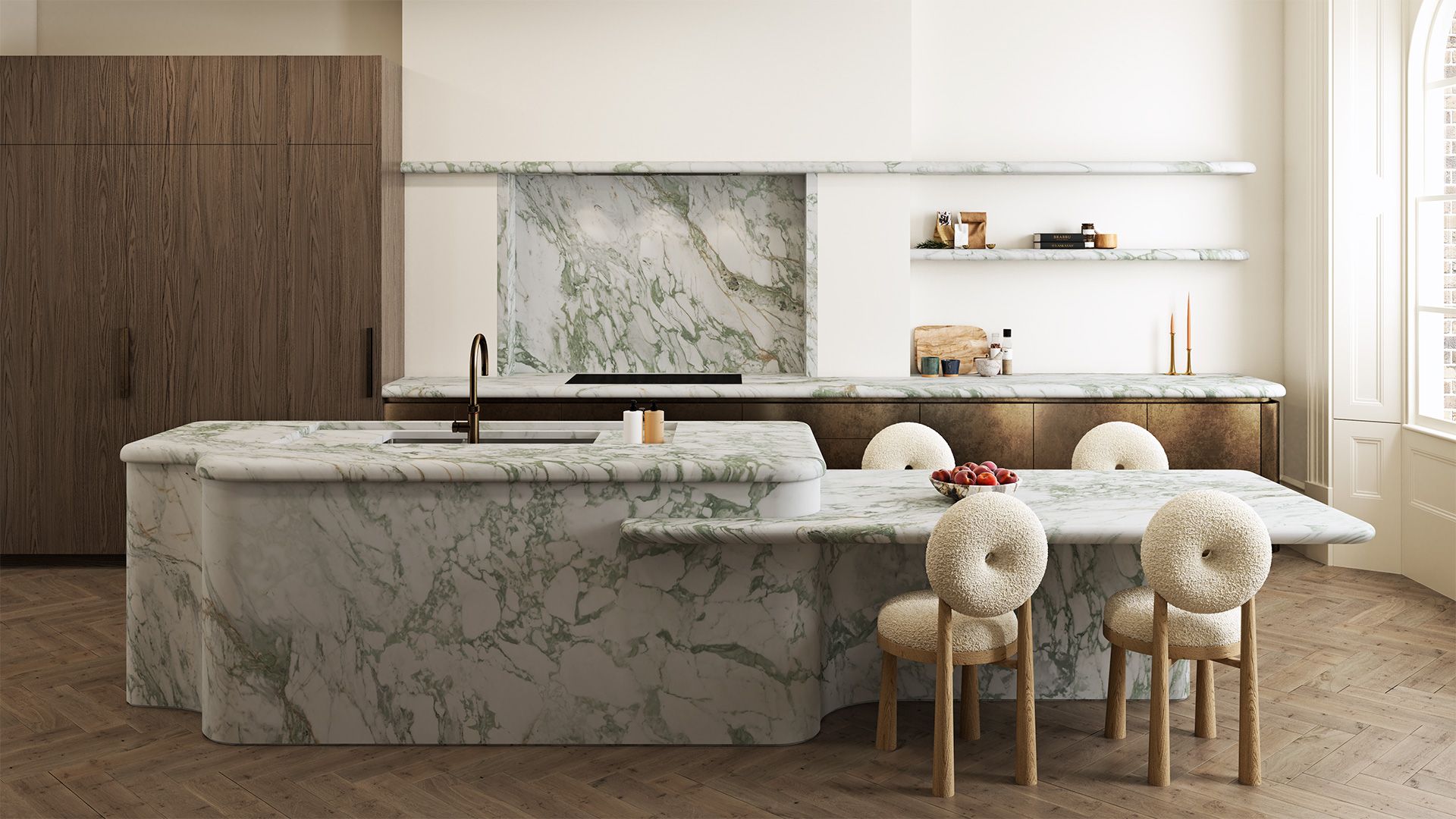 © Lanserring
How do you care for marble?
Once treated, your marble can withstand some wear and tear, but to ensure it is cleaned properly, experts advise to either buy a specific marble cleaner or use mild dish soap to avoid any harsh abrasion.
Marble bathroom tips
"Start with a balanced layout," advises Katrina. "Marble can feel overwhelming if overused, so mix it with other textures and tones." Bilal agrees that mixing and contrasting is the key. "In bathrooms, I love pairing marble with brushed metals, plaster walls, or matte cabinetry to create contrast and warmth," he says.
Another top tip Katrina shares is to "make sure the marble is sealed, and consider a honed finish instead of polished for a softer, more natural look". It's also important to showcase the marble properly. "Thoughtful LED lighting can beautifully highlight marble features, creating a luxurious, spa-like atmosphere," she says.
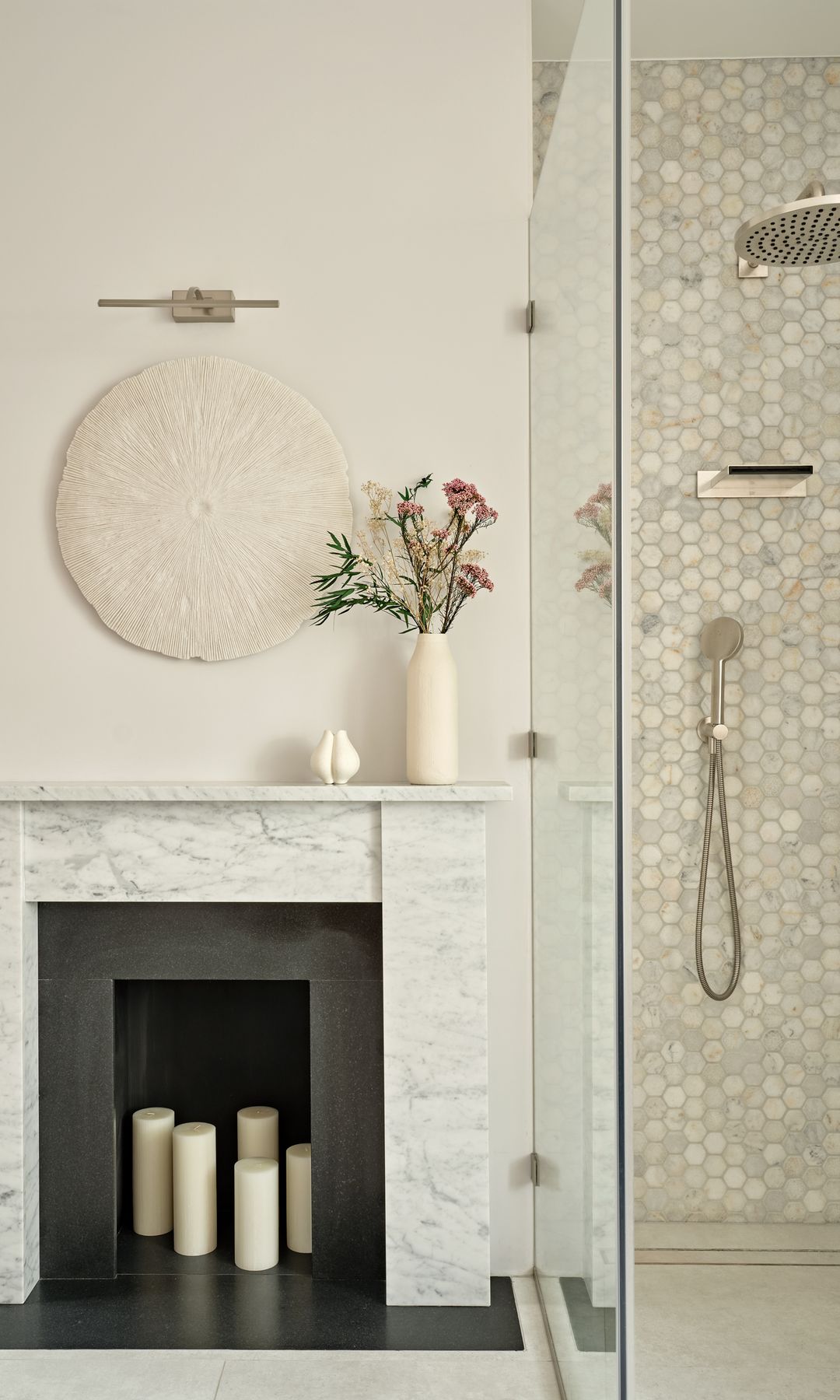
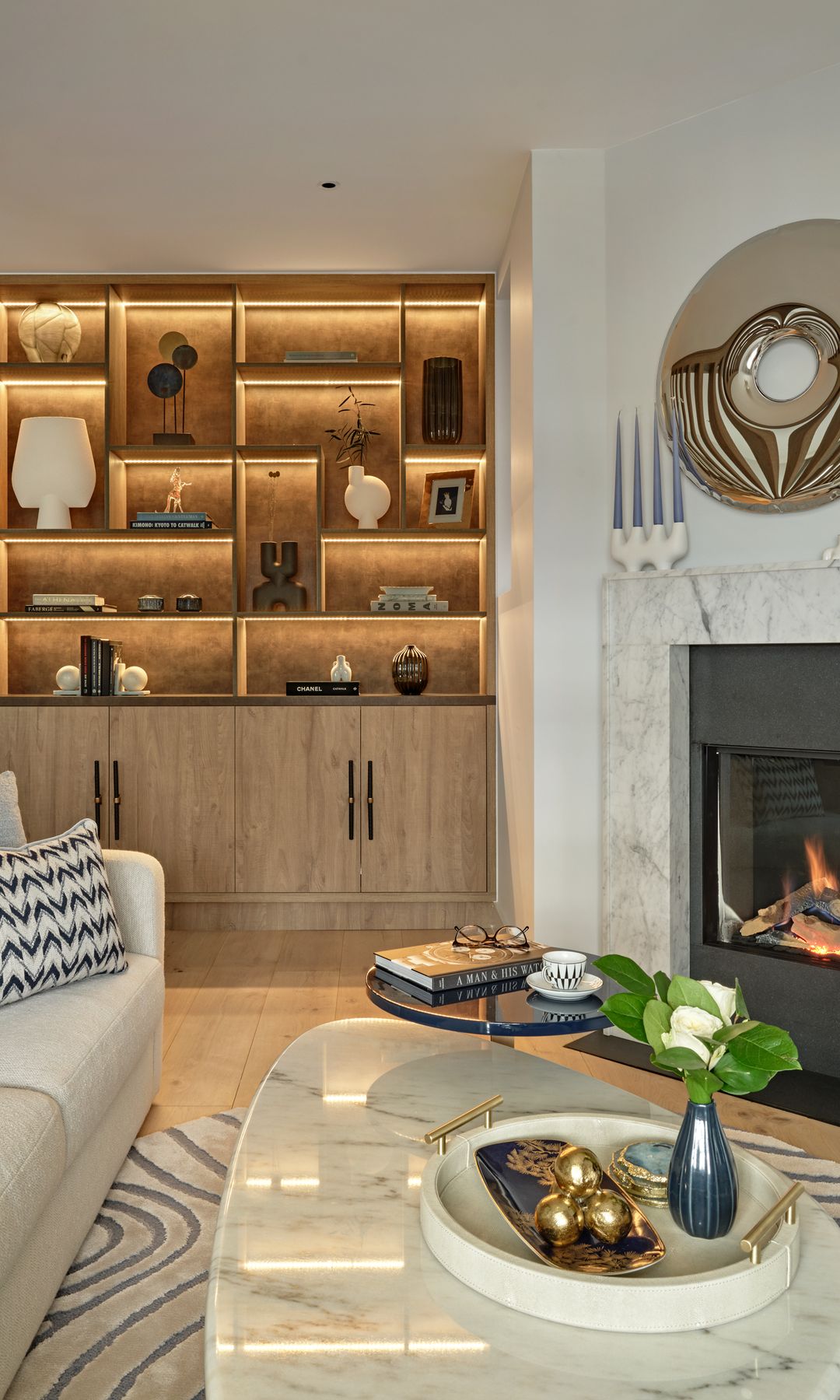 © K’Arte_Design
Marble kitchen tips
Interiors queen Juliette Byrne founded her design studio in 1988, and for her, a marble kitchen has always been a classic. "We love using marble to bring timeless elegance to a kitchen. It works beautifully across island worktops, splashbacks, and even as a seamless, integrated sink. While marble is slightly higher maintenance than other worktop materials, with the right finish, professional sealants, and proper care, it can perform wonderfully in everyday use. Its natural depth, veining, and character add a sense of luxury and sophistication that truly elevates any kitchen space."
How to use marble in other rooms
"Marble transcends the kitchen and bathroom," explains Bilal. "I love incorporating it into living areas and bedrooms as furniture, accent tables, or even sculptural bases for lighting."
Katrina takes us on a tour around the home, teaching us how to use marble in every other space. "In living rooms, a marble fireplace, especially in a bold, veined variety like Calacatta Viola, makes a dramatic statement. Coffee or side tables with marble tops also add depth and texture.
"In bedrooms, bedside tables with marble tops or marble-based lamps introduce a subtle touch of sophistication. While in hallways, a marble console table or feature wall instantly sets an elegant tone. For smaller accents, marble accessories such as trays, coasters, or vases add a hint of luxury without overpowering a space."


