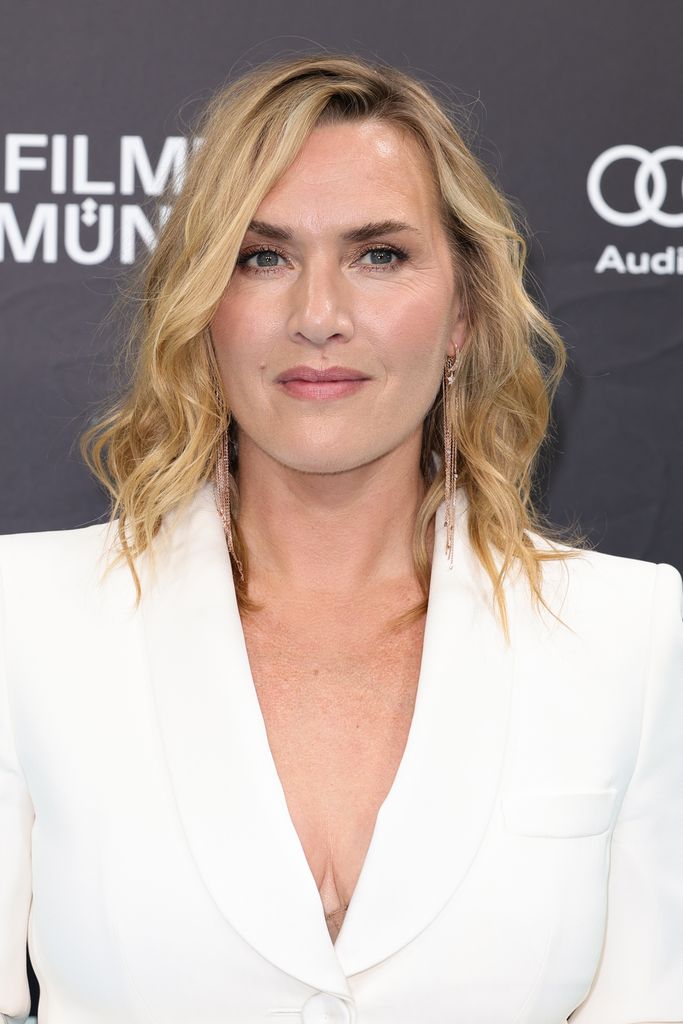
When Kate Winslet told Harper's Bazaar last week, "I don't know a single contemporary of mine who grew up seeing her mother looking in the mirror and saying, 'I look nice!'", there were millions of us nodding in recognition.
She said: "My mother never did, it was always, 'Oh God, I don't think I can wear this, do I look hippy, does my bum look big?'”
Those of us in Winslet’s age bracket (she’s 50 next year) can all remember our female relatives sitting around the kitchen table eating Ryvita and pimped-up cottage cheese bemoaning their 'terrible cellulite', 'fat thighs' and 'cankles.'
 © Getty
That chatter formed the soundtrack of our teenage years along with the Top of the Pops theme tune and the ice cream van's chimes.
It was eavesdropping on those conversations that led me to understand that to be a socially successful female, you should be next level self-depreciative about your appearance. Hating on how you looked was bonding, because it meant you all shared mutual insecurities. But the result was a vicious circle of negative chatter that ended up with everyone feeling rubbish.
(N.B. Recent research from the Cairnmillar Institute in Australia suggests that responding to your friend's negative body chatter with your own, i.e. "If you are a pig, then I'm a hippo," will make them feel better while you feel worse.)
As I've developed more understanding of how the brain works, I've learnt that what you say about yourself, even if only for bonding purposes, affects your self-confidence over time.
READ: Why is 'she loves herself' still an insult?
Repeat anything enough and it becomes your truth. And a negative self-regard can limit personal growth, meaning you don't take chances in life or love.
I think most of us have now sussed that negative talk about yourself is not helpful. But I still have a friend who, on arrival at my house, will berate their appearance for a full five minutes before we get onto making a cup of tea.
 © Rosie Green
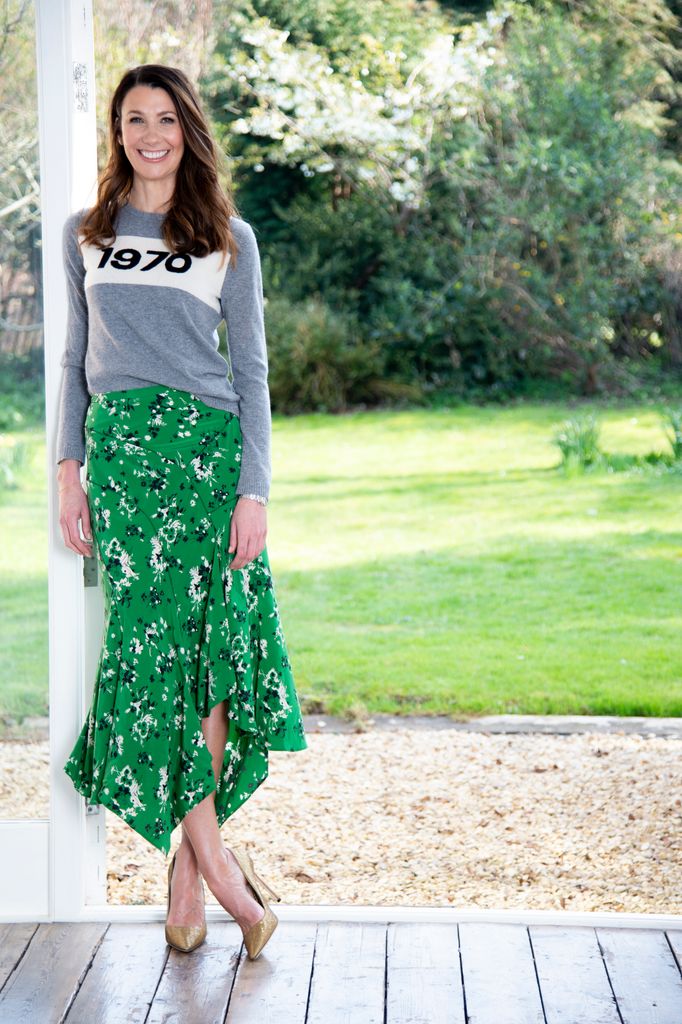
I've always tried not to put myself down in front of my children. And more recently I am making a conscious effort to respond to an appearance-based compliment with, "Thank you," rather than, "Oh my God, you must be kidding, I look like a warthog."
The next generation
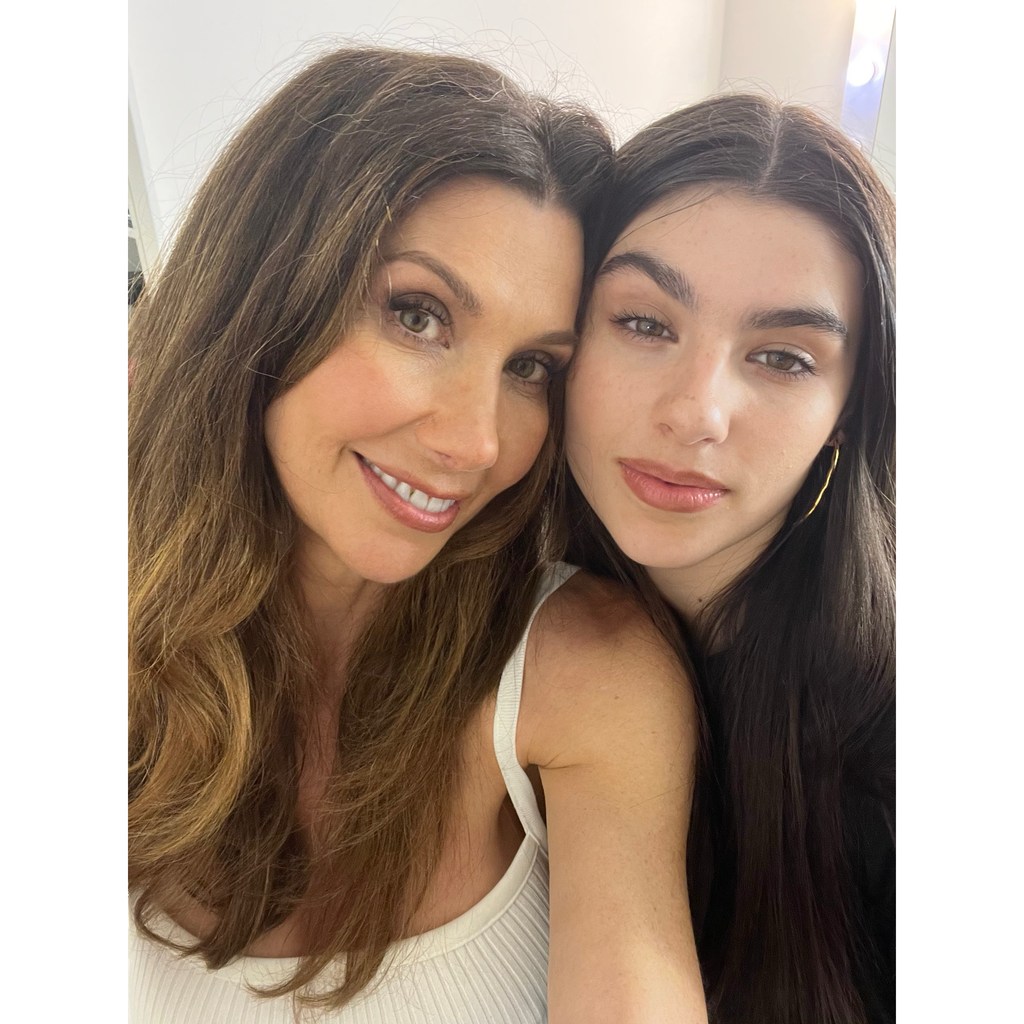
My teenage daughter tells me her generation tries to compliment each other on attributes other than looks. So rather than say to a friend, "Your hair looks lovely," they'll say, "Your energy is great." I can see that that's the way forward. But, honestly, it’s hard. Like my aforementioned friend, the habit is ingrained.
 © Rosie Green
My daughter also says it is categorically wrong to comment negatively on other people's appearance. Even if you don't know that person. And they can't hear. Her eyes widen with horror when I tell her about the late 90s gossip magazines and their front page pictures of celebrities with their cellulite/thinning hair/waistline bulges circled and highlighted.
ROSIE'S COLUMN: My advice to Victoria Beckham as Harper turns 13: brace yourself!
A few decades on I recognise how destructive this was. So, we are making progress.
I'll leave the final words to Kate, who sagely said: "We waste so much time being down on ourselves and I'm just not doing it ever again."
Say HELLO! to your Second Act
HELLO!'s Second Act is a newsletter for women in midlife and beyond. It's completely free to sign up and is a one-stop-shop for advice and inspiration on the issues our Second Act community have told us matter most: health, relationships, travel, menopause, divorce, careers, finance and more.