

As we hit midlife, many women notice a shift in appetite. Suddenly, we feel hungrier, experience intense cravings and find ourselves constantly thinking about food, despite trying hard to eat healthily.
The frustrating part is that most of us are doing exactly what we’ve always been told is ‘good’. Eating low-fat foods. Skipping breakfast. Munching on rice cakes rather than bread. Cutting back on carbohydrates. Yet instead of feeling in control around food, we feel permanently peckish and exhausted by the mental load of trying to eat as little as possible.
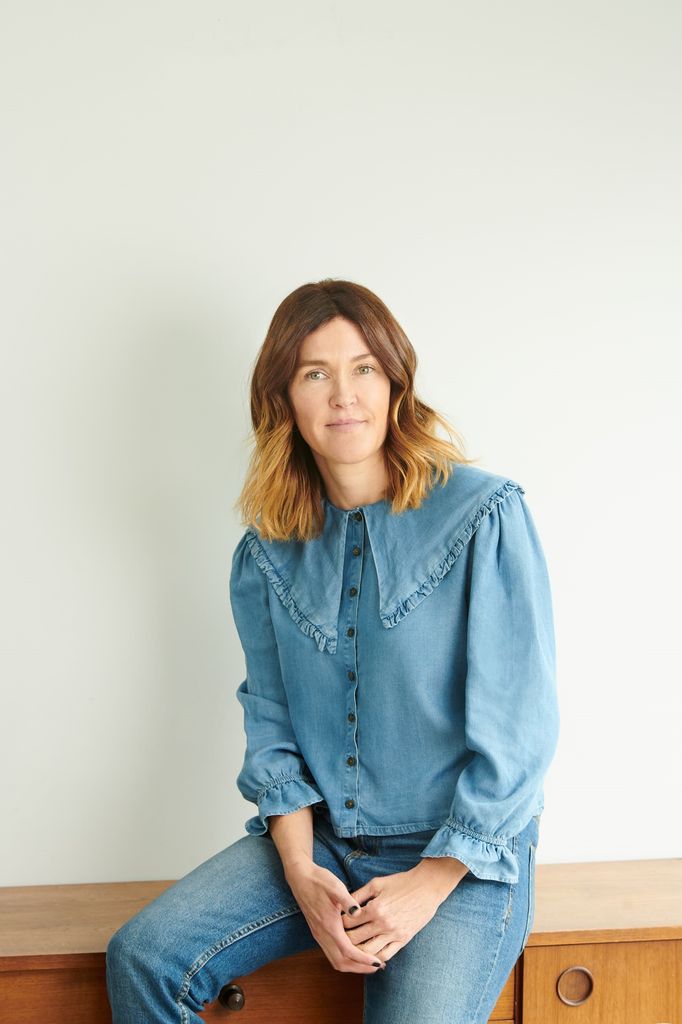
“Women often blame themselves or think they lack willpower,” says registered nutritionist Emma Bardwell, who recently appeared on the Second Act Unpacked podcast. “But many of the eating habits women have been encouraged to follow for years are actually very poor at supporting fullness, particularly during perimenopause and menopause.”
Hormonal shifts during midlife can affect sleep, blood sugar regulation, body composition and appetite signalling, while stress and poor sleep can further increase hunger hormones and cravings. The fact is, the restrictive, low-calorie approaches many women relied on in their twenties and thirties simply don’t work in midlife.
Here are some of the biggest ‘healthy habits ’ Emma says may actually be making women hungrier.
Skipping breakfast
One of the biggest mistakes I see women making is under-eating early in the day. So many are surviving on little more than coffee until lunchtime, perhaps grabbing a banana or small bowl of cereal on the go and then wondering why they feel ravenous by mid-afternoon.
The problem is that breakfasts built mostly around quick carbohydrates tend to digest rapidly, particularly if they contain very little protein or fibre. This can leave people feeling hungry, tired and constantly craving snacks.
I’m not suggesting breakfast needs to be huge, but it does need to be substantial enough to keep you going. Meals containing protein, fibre and some healthy fats tend to support fullness far better than the classic midlife breakfast of coffee and optimism.
A decent 150-200g portion of Greek yoghurt with flaxseeds and berries, a 2-eggs plus extra egg white omelette with seeded toast, or overnight oats with yoghurt and added chia seeds, are all examples of breakfasts that will keep hunger levels stable throughout the morning.
Choosing low-fat ‘diet foods’
Many of us grew up during the low-fat era and still instinctively reach for fat-free sweetened yoghurts, rice cakes, low-calorie snack bars and plain crackers because we have been programmed to think they are the healthier option.
The trouble with this approach is that a lot of traditional diet foods are incredibly unsatisfying. Protein, fibre and healthy fats all help slow digestion and support satiety, yet many so-called healthy snacks contain very little of any of them. Women often end up grazing through multiple low-calorie snacks across the day because nothing is actually filling them up properly.
There’s also a psychological aspect to this. Foods marketed as ‘light’ or ‘healthy’ can sometimes encourage people to ignore what their appetite is actually telling them. A more satisfying snack might look like apple slices with peanut butter, cottage cheese on rye crackers and figs, hummus with oatcakes or roasted chickpeas. These foods may contain slightly more calories on paper, but they are often far more effective at keeping you full.
Cutting carbs
Few things have been demonised more heavily than carbohydrates over the past decade. Bread, pasta, potatoes and even beans are regularly blamed for weight gain, particularly during menopause. In reality, fibre-rich carbohydrates are often some of the most satisfying foods we can eat.
Oats, fruit, lentils, potatoes and wholegrains provide fibre and steady-release energy that can help support fullness and reduce cravings, particularly when paired with protein and healthy fats. What tends not to work especially well is trying to survive on salads and chicken while feeling mentally deprived all day.
Women often tell me they are being ‘good’ during the day but then end up snacking heavily at night because they are genuinely hungry. I see restrictive eating patterns often backfiring - creating a cycle of under-eating followed by overeating later on.
Drinking smoothies
Smoothies can absolutely be part of a healthy diet, but many are far less filling than people realise. Liquids are generally less satisfying than chewing food and many smoothies contain surprisingly little protein despite being packed with fruit, nut butter, oats, honey or dates. People can easily consume several hundred calories in a smoothie and still feel hungry not long afterwards.
This doesn’t mean smoothies are bad, but balance matters. Adding protein-rich ingredients such as Greek yoghurt, kefir or protein powder alongside fibre-rich foods like oats and hemp seeds can help make smoothies much more satisfying and supportive of steadier energy levels. And I always encourage people to take their time over smoothies and sip rather than chug them back, treat them like a meal.
Trying to ‘be good' all week
Perhaps the biggest appetite trigger I see in midlife is chronic under-eating. Many women spend Monday to Friday trying to eat as little as they can get away with, relying on willpower to ignore hunger before eventually feeling overwhelmingly hungry later in the evening or at weekends. Hunger isn’t a sign of weakness, it’s biology.
Emma says: “During midlife, women need to think far more about nourishment and satisfaction, rather than simply how few calories they can survive on.
“Meals built around protein, fibre, healthy fats and regular eating patterns are often far more effective for managing appetite than constantly trying to restrict. Ultimately, healthy eating should leave you feeling energised, satisfied and able to think about things other than food.
“Feeling hungry all the time is often a sign that your body needs more support and a different approach, not more punishment.”
Emma Bardwell is the UK’s leading nutritionist for midlife women, author of The Fibre Effect, and creator of The 30g Plan. Her latest book, The 30g Plan Cookbook, is out now.


