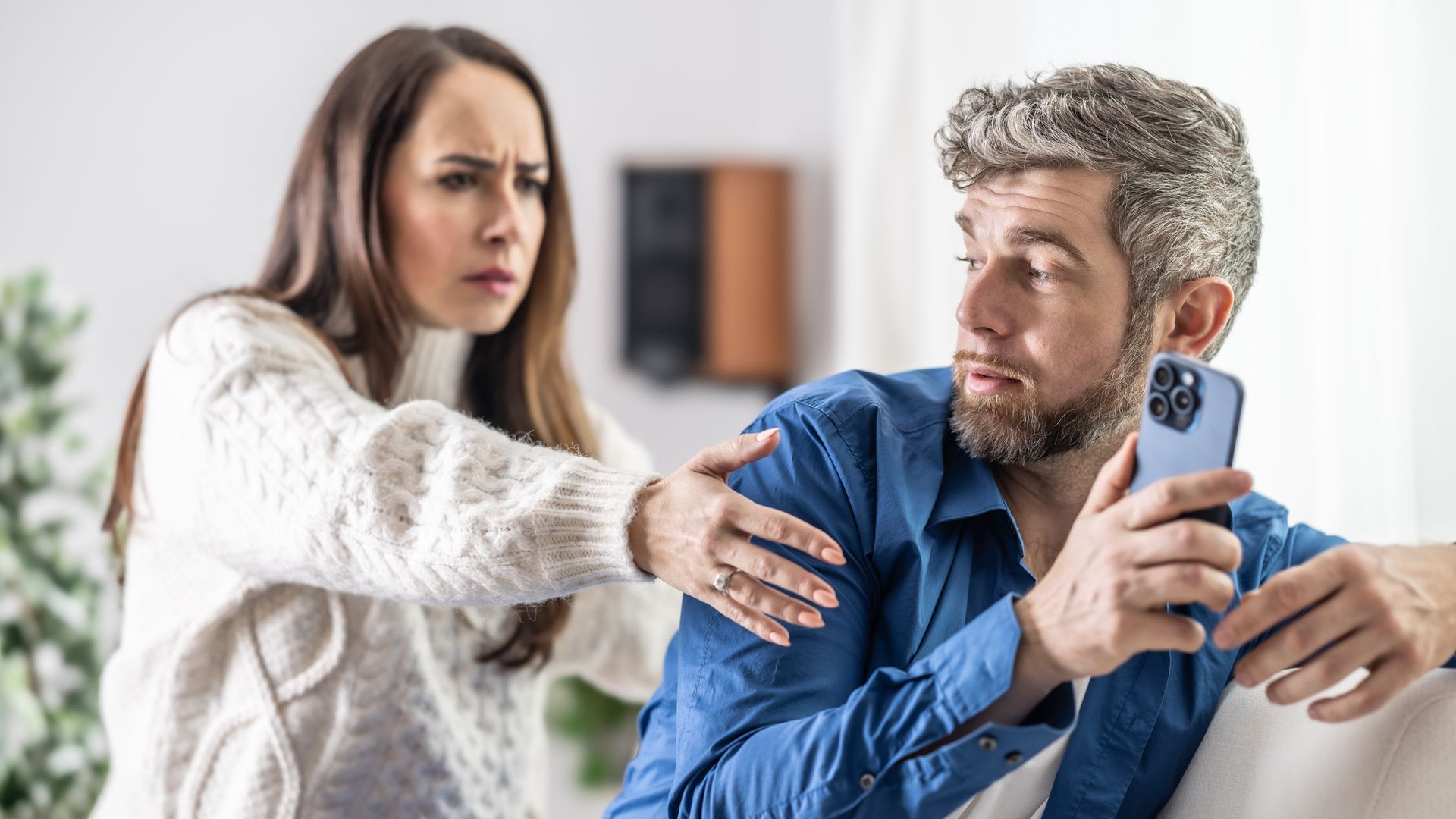

Cheating in relationships is such a devastating, heartbreaking act that can tear apart someone's confidence and leave them with trust issues that permeate romantic connections moving forward.
But what actually is cheating, and how can we tell if we are being cheated on? According to the Oxford English Dictionary, cheating is "the act of behaving dishonestly to gain an advantage".
The act involves tricking people or being sexually unfaithful to a partner. Sometimes, if the cheater is particularly good at lying or a master of deception, it can be hard to tell if they are being unfaithful or not.
Many acts can toe the line of cheating, so I asked experts on behalf of HELLO! readers to get to the bottom of what really qualifies as cheating and what to do if you think you are being cheated on.
What is silent cheating?
The difficulty with defining whether an act is cheating is that it is very subjective and depends on the boundaries that have been set in a relationship.
Something one relationship may deem as cheating might not be stepping outside the boundaries of another, so it is important that clear lines are set from the get-go.
Open communication is key to understanding what your partner will consider cheating and what they will be okay with tolerating. Never assume that because you don't think it is cheating, someone else will feel the same.
It is this lack of communication that can lead to intentional and sometimes accidental silent cheating. Also known as micro-cheating, the phenomenon was coined to describe a culmination of small deceptive acts that result in an emotional intimacy with someone outside the relationship.
Examples of silent cheating can include:
- Deception - lying about your relationship status to other people and hiding the nature of your connection to someone
- Emotional distance - looking for validation from someone else that is not your partner
- Secret communication - hiding your messages and calls with someone outside of your relationship
- Flirting - actively pursuing someone outside of your relationship and showing someone that is not your partner inappropriate attention
 © Getty Images
Sofie Roos, a relationship therapist and author at Passionerad, explained to HELLO!: "Still today, many people think cheating is a universal term that means the same for everyone, while in practice it is extremely individual.
"For some, cheating needs to be physical, such as a kiss, having sex or other intimate contact. For others, it’s about intention and honesty, and for a third person, it’s about emotional intimacy, and stepping over the line in for example, having romantic dinners and chats, emotional conversations or overall building a deep bond with someone outside the relationship."
She continued: "However, the most common is that people can find all these cheating, and it’s often a combination of them that hurts the most!"
What are the 'big five' personality traits of people who are more likely to cheat?
The 'big five' refers to the personality traits of someone likely to cheat on their partners. They are classified under four headings: Openness, Conscientiousness, Extraversion, Agreeableness, and Neuroticism.
This model of personality traits was first researched and discovered in the 1970s by a number of key figures, including Paul Costa and Robert McCrae from the National Institutes of Health, Warren Norman from the University of Michigan and Lewis Goldberg from the University of Oregon.
It has been applied to cheating by relationship experts as they attempted to understand and weed out why anyone would ultimately choose to cheat on their partners.
Author of a study in the journal Personality and Individual Differences published in 2021, C.J.J. van Zyl, explained to Psychology Today that people who cheat in romantic relationships usually score higher when it comes to displaying traits of Neuroticism, Openness to Experience, and Extraversion, while they will score lower on Agreeableness and Conscientiousness.
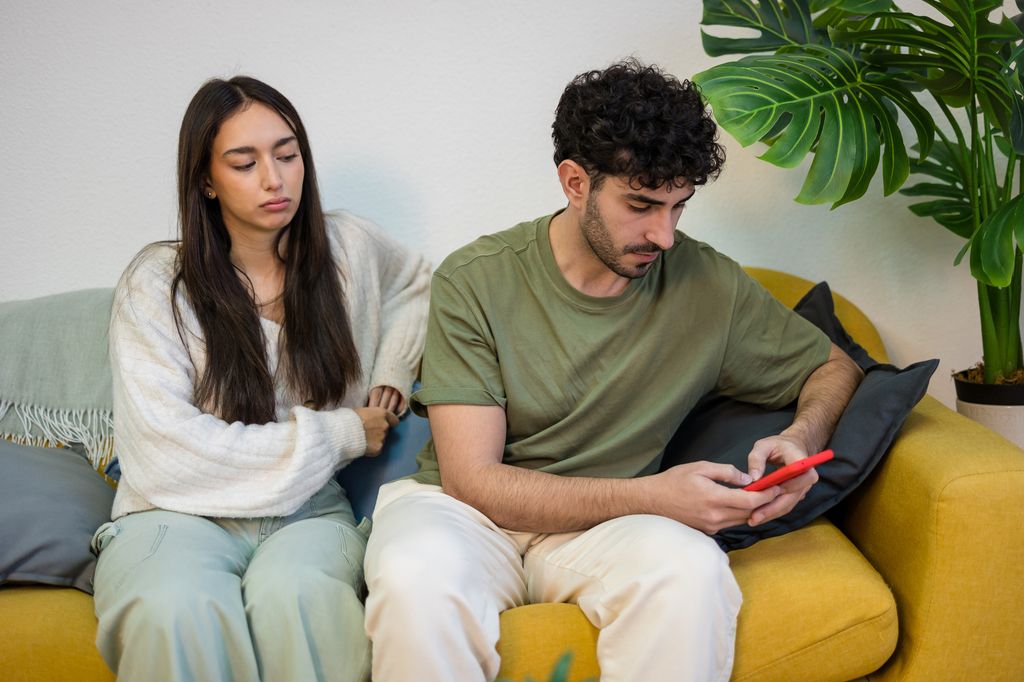 © Getty Images
What does emotional cheating mean?
While most cheating in popular culture is defined by physical acts or sexual intimacy outside of a relationship, a large part of cheating can be characterised by forming emotional connections with someone who isn't your partner.
Seeking validation and confiding in someone outside of your relationship could lead to the formation of a deeper connection elsewhere, leaving your partner isolated and in the dark about why you have become emotionally distant.
Sofie shared: "The psychological part of cheating is less about the actions, and more about the emotional betrayal, the lies and the withholding, which leads to the thrust getting deeply hurt, but where you also feel that you’re not the most important and prioritised person anymore.
"When a partner seeks emotional support, affirmation or excitement and passion from someone else, that tends to hurt even more than physical cheating, even though many people who cheat think it's the opposite - that the emotional part would be 'less damaging'."
"The reason why people define cheating differently is mainly a combination of previous experiences, your norms and values and your attachment style, three things that make the line for cheating so subjective and nothing universal," the expert concluded.
What to do if you think you are being cheated on
If you think you are being cheated on by your partner it is important to know you don't need to navigate the experience alone.
From watching friends deal with finding out a partner has cheated on them, I understand the value in having a shoulder to cry on and someone who will listen without judgment, supporting whatever decision they decide to make.
It might be a good idea to seek professional help if you feel that your mental health is being affected by the cheating. There are a number of resources to reach out to including therapists and counsellors who can help you understand that you are not to blame in this situation and guide you on what to do next.