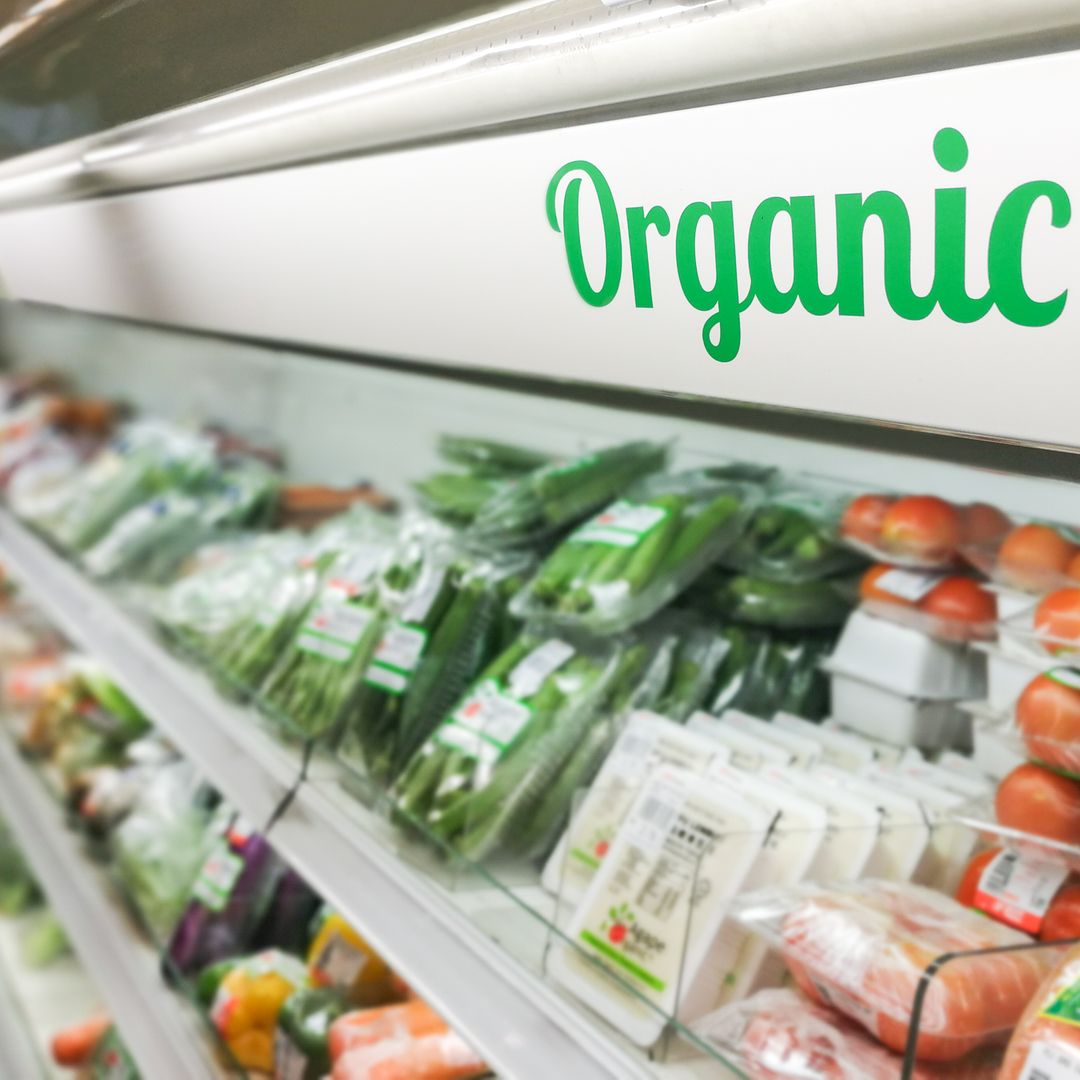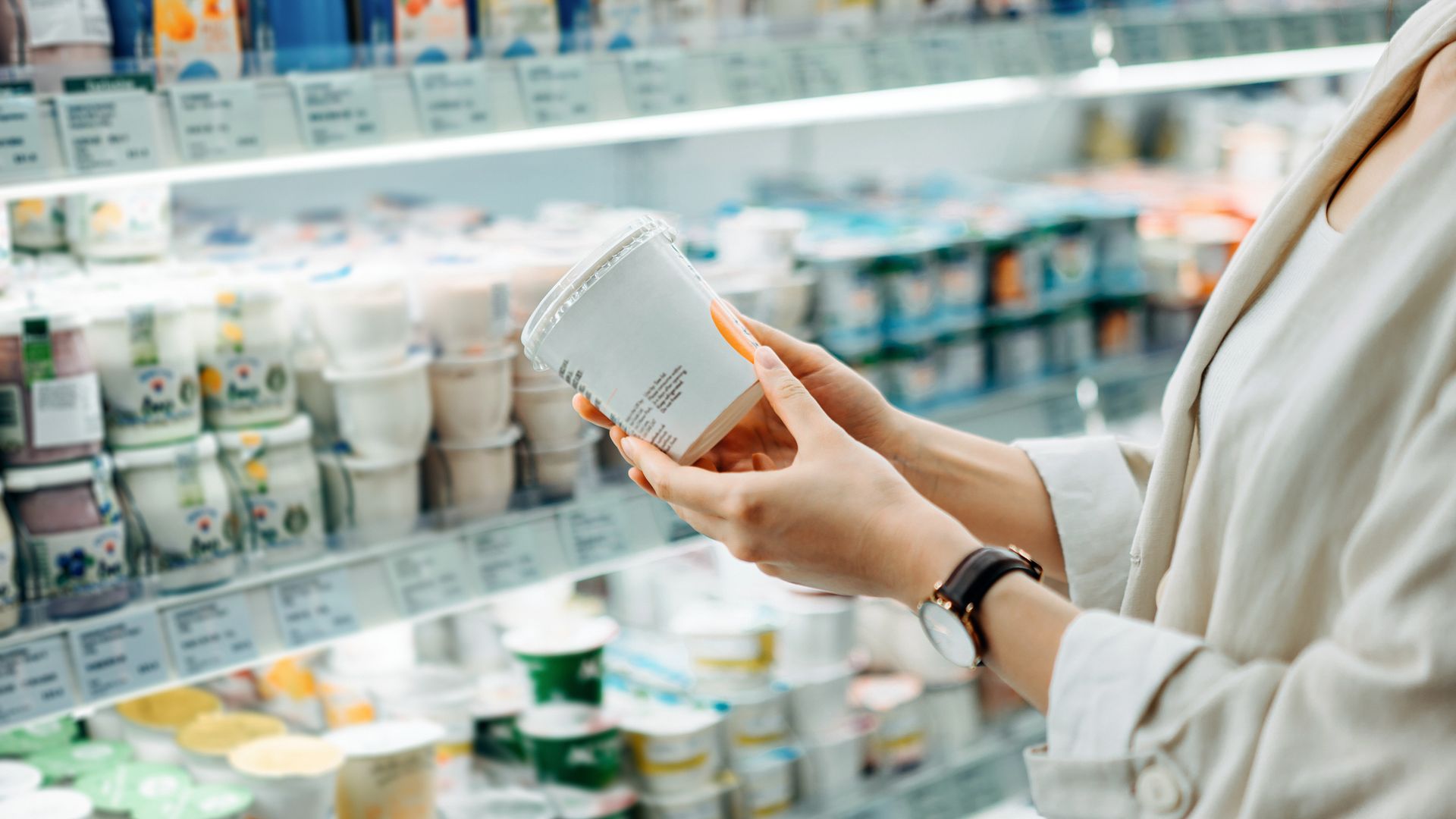

Ultra-processed foods are currently the number one nutritional concern among UK shoppers, according to research, with many of us trying to change our eating habits for the better. But a leading doctor has warned that misleading packaging claims can trick shoppers into eating additives, and revealed it’s something he was recently fooled by too.
Taking to Instagram, Dr Rupy Aujla – known as The Doctor’s Kitchen – compared the packaging of two different packets of chocolate-covered almonds and said that while the health claims on the front were very similar, the ingredients used were actually very different.
 © Highwaystarz-Photography
"This is why it’s really hard to determine whether you’re eating something with or without additives. Exhibit A. Skinny Dipped. So I bought these as soon as I got out of the airport because I was super hungry, just been on a 12-hour flight. It says all the right things, snacks with no strings attached. You look at the back and it has all these things, these little check marks. Less than half the sugar, no sugar alcohols, bee-friendly almonds," he shared.
"No artificial colours or flavours, women-founded, great. Plant protein. Fab, understood. But then you look at the ingredients and there’s a load of [expletive] in here that shouldn’t be here."
Warning signs to look out for
Doctor Aujla then listed some of the ingredients to be aware of, including soy lecithin, sunflower lecithin and processed dark chocolate with alkali, which he revealed was made from a process where some of the bitter compounds are removed from chocolate to make it taste sweeter, but also removes some of the beneficial nutritional properties too.
He continued: "So when you look at this, it’s like, well, it should only be chocolates and almonds, and they’re giving all the right vibes with this kind of messaging, but it’s still got all those additives in. So, I would say that’s not as good as it could be."
The nutritional medicine expert then compared the first product to a similar product from Hu, which he said had "very similar marketing" on the packet, but with far fewer ingredients.
"When you look at the ingredients, I’ve got no affiliation with this company whatsoever, but you can recognise them. Organic almonds, organic cacao, unrefined coconut sugar, cocoa butter, salt, that’s it. Those are the only ingredients."
He concluded: "So it’s super difficult. You’ve really got to be like investigating the back of the pack to determine whether this is an ultra-processed product versus a less-processed product. Beware, guys."
Clever marketing claims
The Doctor is not the first nutrition expert to highlight how clever marketing claims can misinform shoppers. Nutritionist Faye James has previously shared how important it is to be aware of misleading claims on food packaging, urging shoppers to make the switch to “real food” with “ingredients you recognise” instead.

"We live in a culture that sells us wellness in packages, bright labels, buzzwords, influencer endorsements. But the truth is, health doesn’t come in a packet. It comes from real food, meals cooked at home, ingredients you recognise, and food that your grandmother would approve of," Faye wrote for HELLO!.
"I’m not suggesting you throw out everything in your pantry. But I am saying: pay attention. Ask questions. Turn the packet over and read the fine print. The food industry is clever. But your body is wiser. Trust it."
Common foods that can fool consumers include snacks such as protein bars and powders, high-fibre cereals and low-fat dairy products that can contain more sugar than ice cream. Many of these products claim to use only natural ingredients or may highlight their low sugar or fat content, but when you read the ingredients list in full, you may notice several unrecognisable ingredients – a big indication that a food is ultra-processed.