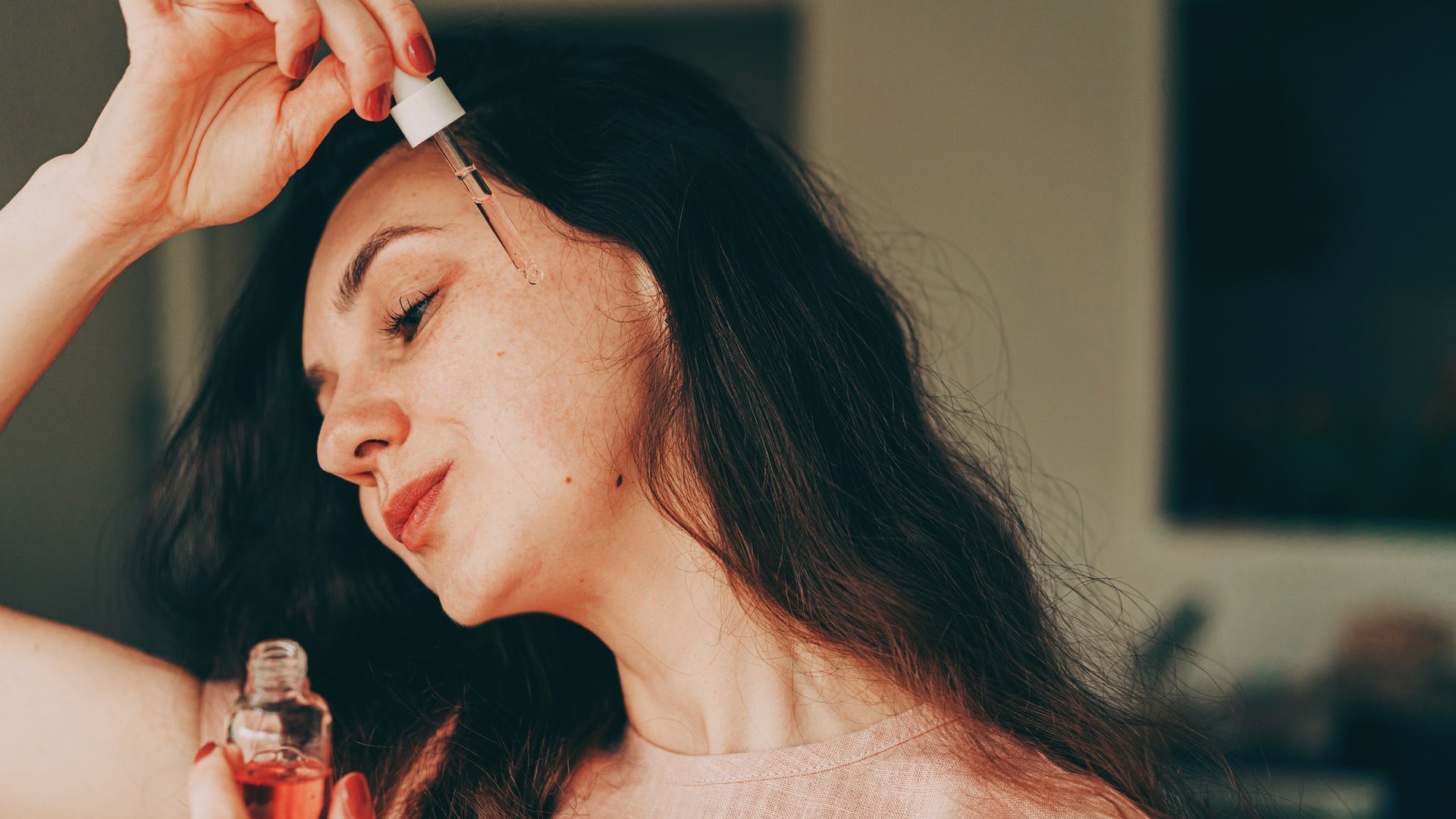

There is a point in midlife where your skin can revert to its teenage years. Sadly, not the wrinkle-free, dewy collagen-plumped version, but the pimply spot and acne iteration that you thought you had left behind with your rara skirt in the 90s. Thankfully, this time around, science has moved on drastically from putting a bit of Clearasil and toothpaste over the blemishes and hoping for the best. But why does acne creep in during midlife? Holly Mason, skin health expert and founder of The Skin Investment Clinic, explains that, just like in puberty, adult acne is all down to hormones.
 © Getty Images
Hormonal interference
"Midlife acne, sometimes called adult-onset acne, is surprisingly common - especially in women," says Holly. "Hormonal changes around perimenopause and menopause can cause fluctuations in oestrogen and progesterone, leaving androgens (male hormones) relatively more dominant. This shift can increase oil production, leading to blocked pores, inflammation, and breakouts. Stress, slower skin turnover, and cumulative sun damage also contribute.
"One of the biggest misconceptions is that acne only happens in adolescence. In reality, dermatologists define acne as a chronic inflammatory disease, meaning it can persist or even appear for the first time well into adulthood. While teenage acne is driven mostly by puberty-related hormone surges, adult or midlife acne is often linked to fluctuating hormones, stress, slower skin turnover, and environmental factors. In fact, studies suggest that up to 40 per cent of women in their 40s experience breakouts. So, when acne reappears (or persists) in midlife, it isn't a 'new' disease – it's simply the chronic nature of acne showing up in a different life stage, often with different triggers."
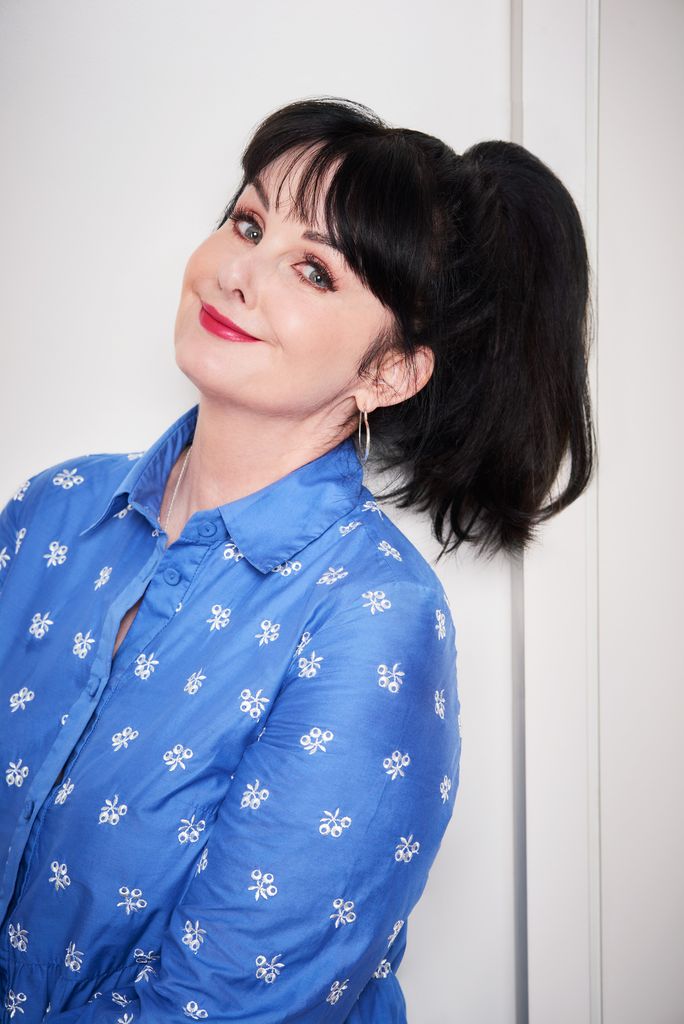
Author and acne sufferer Marian Keyes has battled with midlife breakouts, which blighted her. "Apart from being horrified, I'm mildly outraged – I'm too old for this!" she has said. For acupuncturist to the stars, Sarah Bradden, her painful flare-up with acne following the stressful breakdown of her marriage resulted in a surprise new career after treating herself.
 © Dean Chalkley
Why am I getting spots in midlife?
Research has uncovered several lifestyle and environmental factors that can exacerbate the problem more than merely picking at the spots.
- Stress and lack of sleep can elevate cortisol, which increases oil production.
- Dietary triggers such as high-glycaemic foods (white bread, sugar, processed snacks) or excessive dairy can aggravate breakouts in some people.
- Skincare products such as overly harsh cleansers, heavy creams, or comedogenic makeup may clog pores. Try not to over-cleanse or scrub, as this can strip natural oils and trigger rebound oil production. And also don’t layer up harsh acids and retinoids as this can irritate skin and worsen breakouts.
- Hormonal changes faced during perimenopause, menopause, or stopping/starting certain contraceptives.
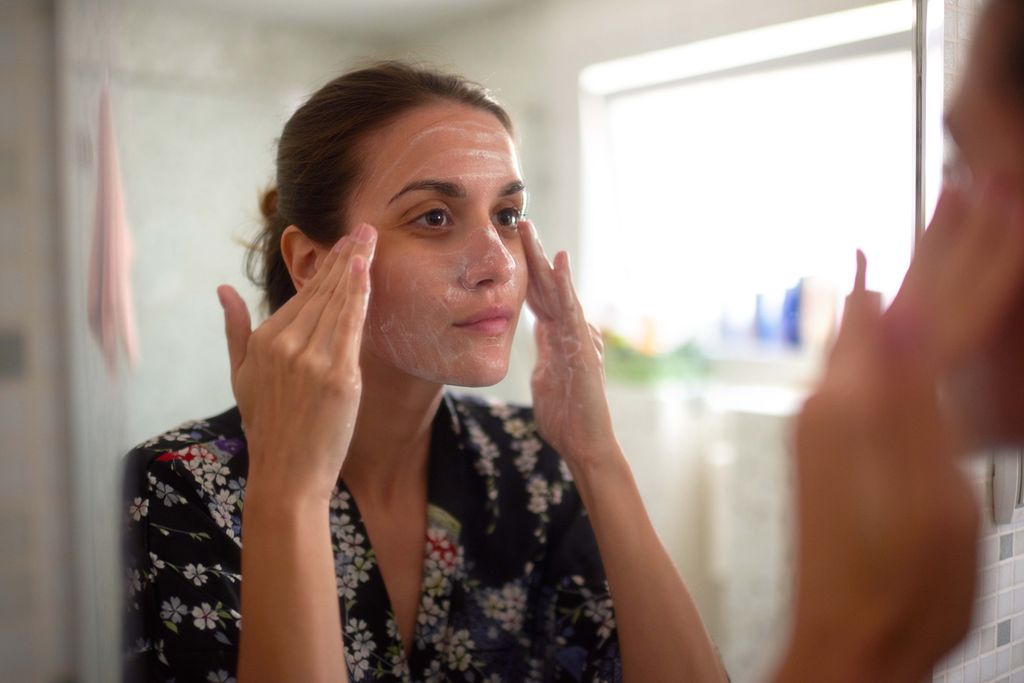
Instead of looking in the bathroom mirror in despair, Holly suggests these treatments specifically formulated for midlife skin.
 © Getty Images
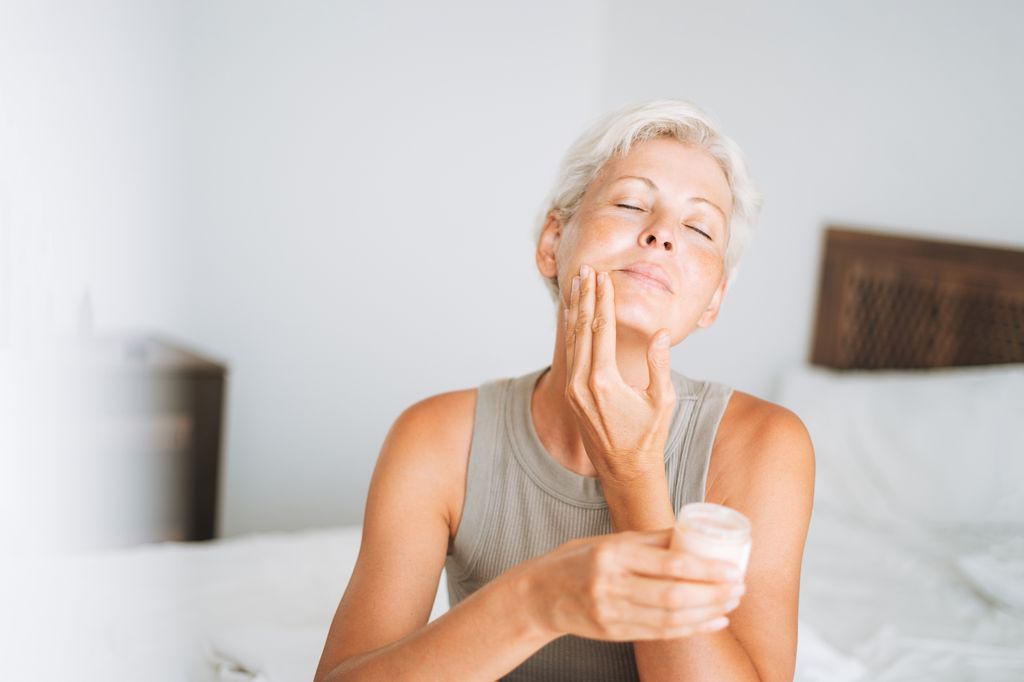
Treatments for midlife acne
- Topical treatments such as retinoids (including adapalene or tretinoin), azelaic acid, and benzoyl peroxide help unclog pores and reduce inflammation.
- Prescription oral medications. Dermatologists may recommend hormonal treatments such as spironolactone or combined oral contraceptives if suitable, or Isotretinoin (Roaccutane) for more severe cases.
- Professional procedures such as light-based therapies, chemical peels, microdermabrasion, microneedling and laser can improve skin texture simultaneously.
- Gentle medical-grade skincare is important. Balancing oil control with hydration is key; look for non-comedogenic moisturisers and mild cleansers.
There is another surprise option only available to midlife women that could also be a secret weapon in protecting our skin from acne - HRT.
HRT for midlife acne
"For some women, hormone replacement therapy (HRT) helps stabilise oestrogen levels, which can indirectly improve acne," says Holly. "However, responses vary - certain types of HRT may even trigger breakouts, so it's important to discuss individual risks and benefits with a healthcare professional."

HELLO! has teamed up with women's health and fitness experts Move The Gap to signpost four key areas of lifestyle medicine that could help you to navigate the menopause minefield: heart health, mobility, muscle and bone strength, and cognitive health. Over the next four weeks, Move The Gap's co-founders, including personal trainer and regular guest on ITV's Lorraine, Shakira Akabusi, Owning Your Menopause author and founder Kate Rowe-Ham, former Gladiator and GB Olympian Jenny Stout, and health and mobility expert Monika Akabusi, will offer expert advice on each area – and you can sign up to receive the free and exclusive series by clicking on the button below.
Natural remedies for midlife acne
For Sarah Bradden, natural strategies helped support clearer skin:
- Balanced diet – focusing on whole foods, fibre, omega-3s (from fish, flax, walnuts), and antioxidants.
- Stress management – yoga, meditation, or even regular exercise to keep cortisol in check.
- Consistent sleep routine – helps regulate hormones and skin repair.
- Targeted supplements – zinc, vitamin D, vitamin A and DIM and probiotics show promise in supporting skin health, though evidence varies.