The internet's obsession with protein is over, and another macronutrient has taken its throne: fibre.
While TikTok spent a fair share of time obsessing over hitting protein goals, the next biggest trend is trying to cram in every last gram of fibre in what's being called 'fibremaxxing'.
Ensuring you have enough fibre is vital to your diet, and we should all be aiming for 30g a day. But the extreme nature of trends like this always begs the question: is it beneficial, or just another obsession of the moment?
Rob Hobson, nutritionist and spokesperson for Bio-Kult, warns that a sudden increase in fibre could have negative side-effects.
"If you go from a low to a very high fibre intake too quickly, it can lead to bloating, gas, cramps and even interfere with the absorption of minerals like iron, calcium and zinc," he states.
Furthermore, people who have sensitive guts or with conditions such as IBS could find that high-fibre diets, especially from fermentable fibres, can trigger their symptoms.
Rob adds: "The problem with something like fibremaxxing is that whilst it taps into something positive, which is the fact that most people in the UK aren't getting nearly enough fibre, nutrition should be about balance and not extremes.
"It is a classic case of taking a good nutrition message and pushing it to the extreme, which is something that happens far too often in the wellness world."
Ultimately, Rob's verdict on the trend is a little complicated: while it's good that more people are learning about the benefits of fibre, any kind of dramatic dietary change can be incredibly harmful.
"Fibre supports gut health, blood sugar balance, cholesterol levels, reduces the risk of heart disease and even helps with feeling full," he notes, "so increasing fibre at each meal can be beneficial, but it needs to be done gradually and as part of a balanced diet."
He continues: "The key is to build up slowly and make sure you're drinking enough water. Aim for the recommended 30g a day, but do it through a variety of plant-based foods like veg, fruit, beans, pulses, nuts, seeds and wholegrains. Fibre is brilliant for gut health, but it's about consistency and variety."
Easy ways to get fibre into your diet
When it comes to incorporating more fibre into your meals, the process is much simpler than it seems, and a lot of our pantry staples can be incredibly helpful.
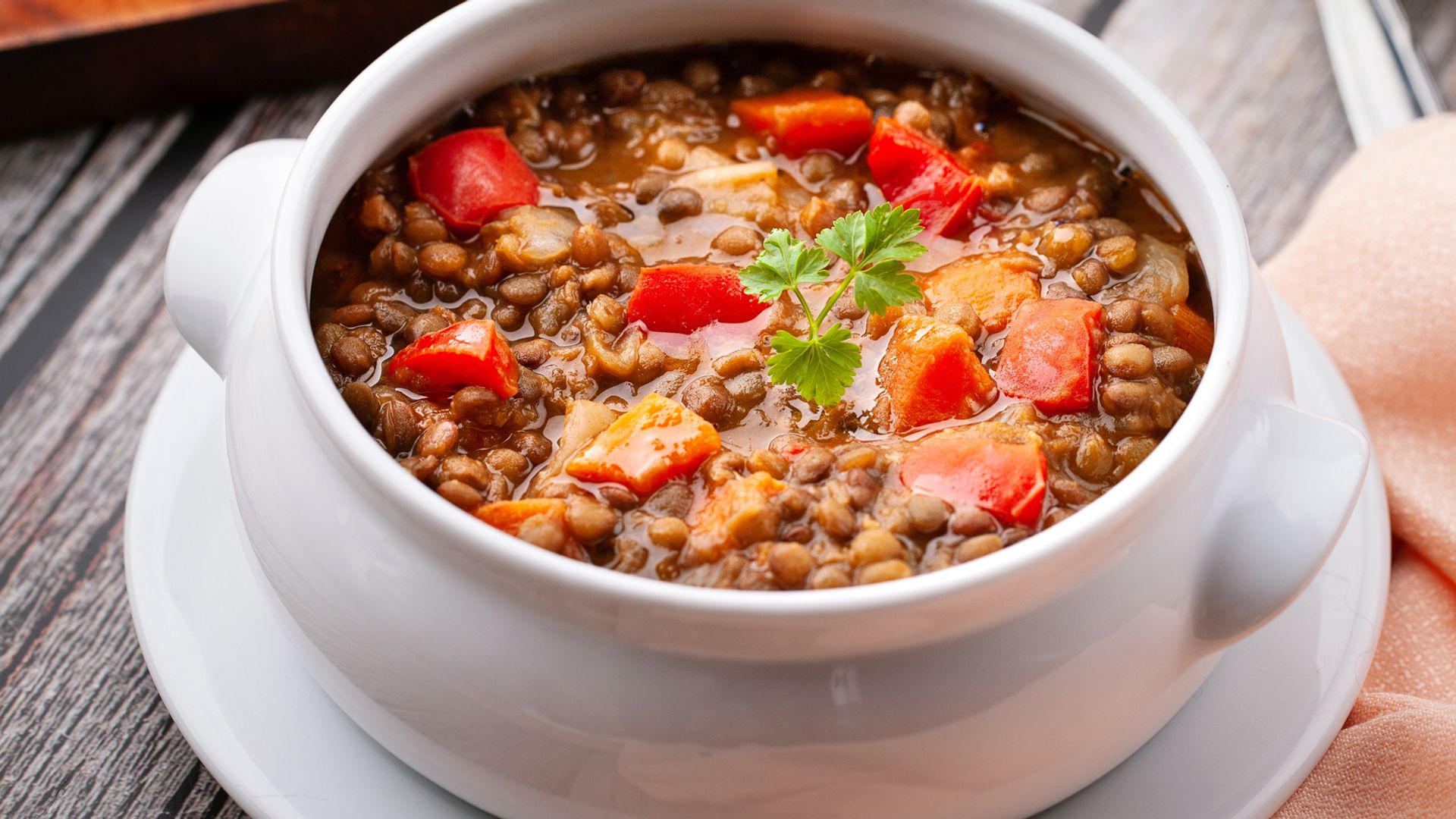
Legumes and wholegrain foods especially are incredibly high in fibre: a half cup of lentils contains 7.8 grams of fibre, while a half cup of oats has 4 grams.
Alternatively, even your regular fruits and vegetables, with berries and artichokes being particularly fibrous, are a great source. Nuts and seeds, including chia, flax and almonds, are also notably high in fibre.
As always, remember to increase your intake slowly when incorporating these foods, while drinking plenty of water to make it all work more effectively and prevent any digestive discomfort that may come.
Take a glimpse inside the Duchess of Sussex's royal breakfast routine here...