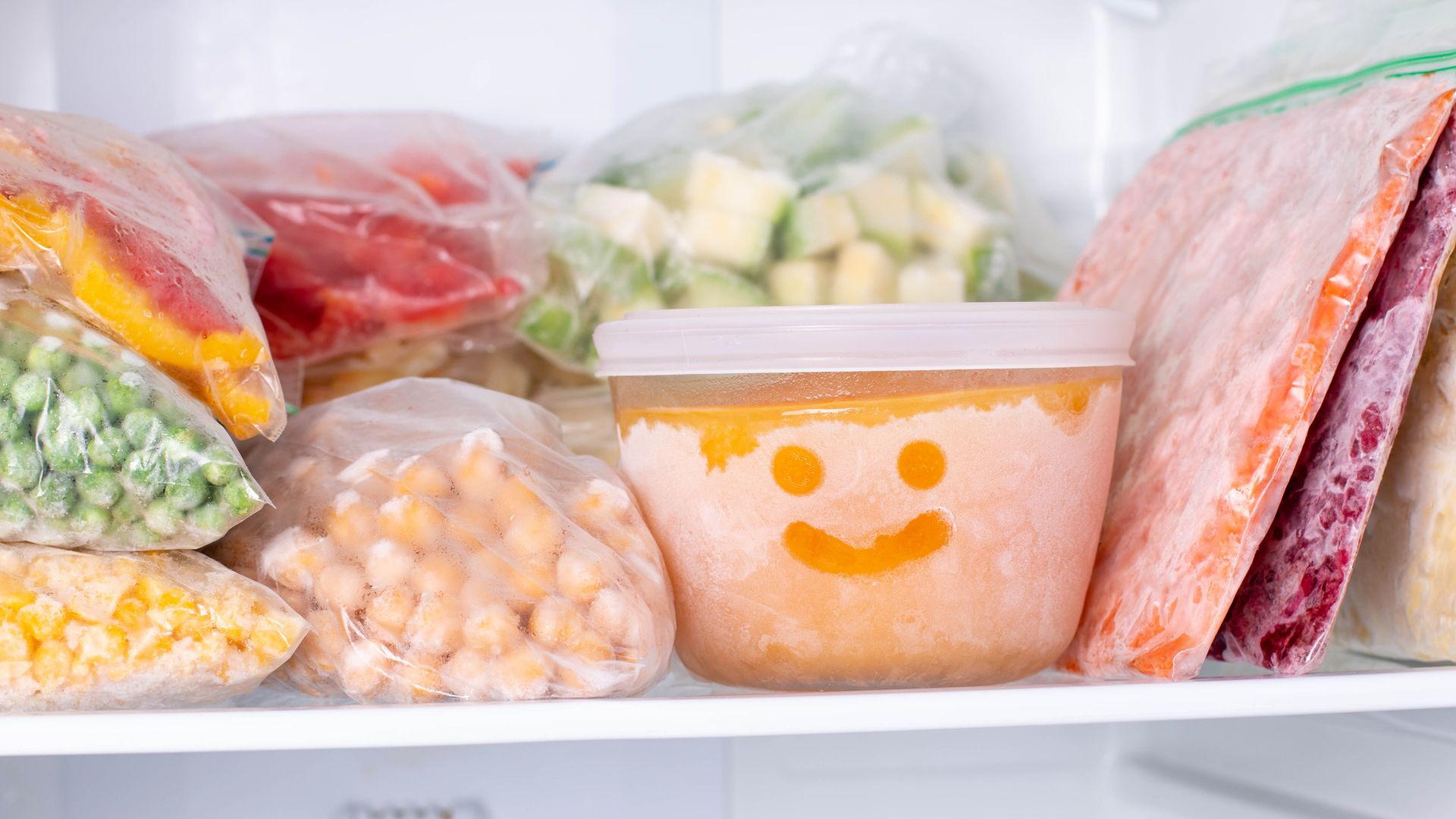

When you think of frozen vegetables, you might picture a sad bag of peas lurking at the back of the freezer, but the truth is, these humble staples can be the secret weapon for stable blood sugar and long-term health.
As a nutritionist, I often remind my clients that frozen vegetables are not the "second-best”" choice to fresh.
In fact, in many cases, they’re every bit as nutritious, if not more so. That’s because they’re harvested at peak ripeness and flash-frozen within hours, locking in vitamins, minerals and antioxidants that can degrade in fresh produce during transport or while sitting on supermarket shelves.
 © Getty Images
Stable blood sugar isn’t just about preventing diabetes. It’s the key to steady energy, fewer cravings, and a calmer appetite, and that’s where frozen vegetables shine. Packed with fibre, they slow the absorption of glucose into the bloodstream, helping to avoid the energy crashes that so often follow sugary snacks or refined carbs.
The blood sugar-friendly heroes hiding in your freezer
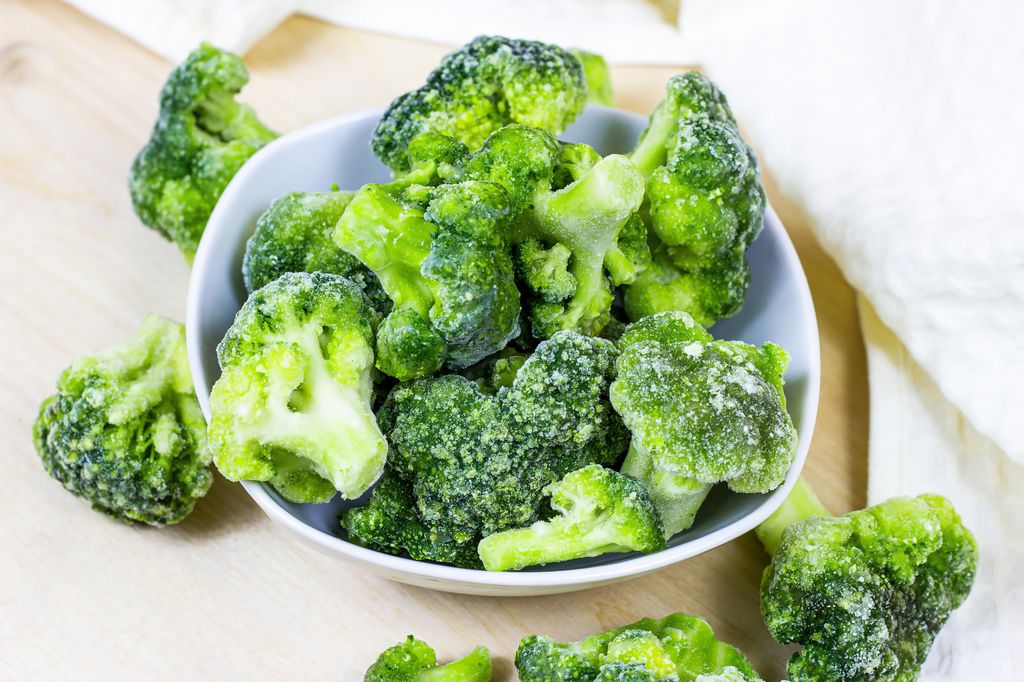
Broccoli tops my list. Not only is it rich in fibre, but it contains sulforaphane, a compound shown to improve insulin sensitivity and protect against the oxidative stress that drives insulin resistance. From steaming to stir-frying, frozen broccoli works beautifully in almost any dish.
Spinach is another unsung hero. One cooked cup delivers an impressive 8 grams of fibre while staying low in carbs. I’ll add it to smoothies, omelettes, soups and pasta sauces, it boosts nutrition without overpowering the flavor.
 © Getty Images
Kale deserves a place in your freezer too. With nearly 4 grams of fibre per cup cooked, plus antioxidants like quercetin and kaempferol, it supports glucose metabolism and reduces inflammation. It’s excellent in soups, casseroles or simply sautéed with garlic.
Brussels sprouts often divide opinion, but when roasted straight from frozen they develop a natural caramelised sweetness. High in vitamin C and fibre, they help slow glucose absorption and keep you full for longer.
 © Getty Images
Cauliflower rice is a game-changer for those looking to swap high-GI white rice for something lighter. With just 4 grams of carbs and 2 grams of fibre per serving, it gives you all the texture without the blood sugar spike.
Bell peppers bring colour and crunch along with vitamin C and carotenoids, antioxidants that protect your cells and support vascular health. They’re quick to toss into stir-fries, omelettes or fajitas.
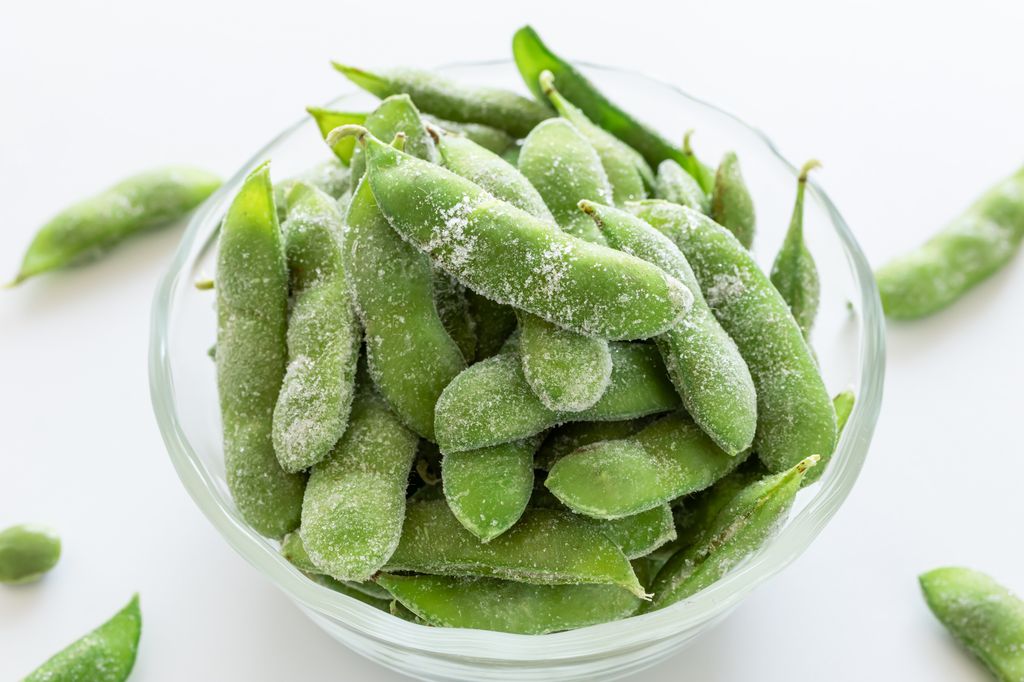
And finally, edamame. These little green gems are my personal favourite for blood sugar control. A cup gives you around 18 grams of protein and 8 grams of fibre, a powerhouse combination that slows digestion and blunts post-meal spikes. Steam them, sprinkle with sea salt, and you’ve got an incredibly satisfying snack.
 © Getty Images
The smart way to use them
To get the most out of these freezer finds, choose plain, unsauced varieties to avoid added sugars and excess sodium. And here’s one of my top tips: eat your vegetables first. Having fibre-rich veggies before your main carbs acts like a 'glycaemic buffer' softening the impact of any starchy or sweet foods you eat afterwards.
Stocking your freezer with a variety of these vegetables not only makes it easier to throw together a healthy meal on busy nights, but also helps protect your metabolic health in the long run. Because when it comes to eating for balanced blood sugar, the simple everyday choices often make the biggest difference.
Faye James is a Sydney-based accredited nutritionist and author of The 10:10 Diet, The Menopause Diet, The Long Life Plan and her latest book The Perimenopause Plan.