
From hormonal imbalances to infections, the colour of your period blood can reveal a lot about your overall health and well-being, according to a naturopathic nutritionist.
Expert Jess Shand, author of The Hormone Balance Handbook, shared a guide to what your period is really telling you in a recent Instagram post, and the response showed that although it is a topic many of us shy away from, it can be incredibly valuable information for any women who want to support healthy hormone balance and recognise any signs their body may be showing them.
We caught up with Jess to understand more about not only what the colour of your period blood may indicate, but also how to support your body to achieve better hormone health.

"Our periods are a vital sign of our overall health, and the colour of our period blood gives us important clues as to what is going on hormonally," Jess shared. Let’s break down what each colour might be trying to tell us:
Bright Red
What it means: Bright red blood is usually a healthy sign of a steady flow and well-regulated cycle.
Support your body: Keep balance with nourishing foods (follow the recipes and tips in The Hormone Balance Handbook), consistent sleep, and a regular daily rhythm - our bodies love routine!
Dark Red or Clotty
What it means: May reflect slower shedding, heavier flow, or signs of oestrogen dominance.
Support your body: Support your liver and hormones with cruciferous veg (broccoli, rocket, kale), reduce alcohol, avoid toxins, eat anti-inflammatory foods, and keep your body warm during your bleed.
Brown
What it means: Often older blood, usually seen at the start or end of your period. May also indicate delayed ovulation or low progesterone - especially if paired with short luteal phases or spotting.
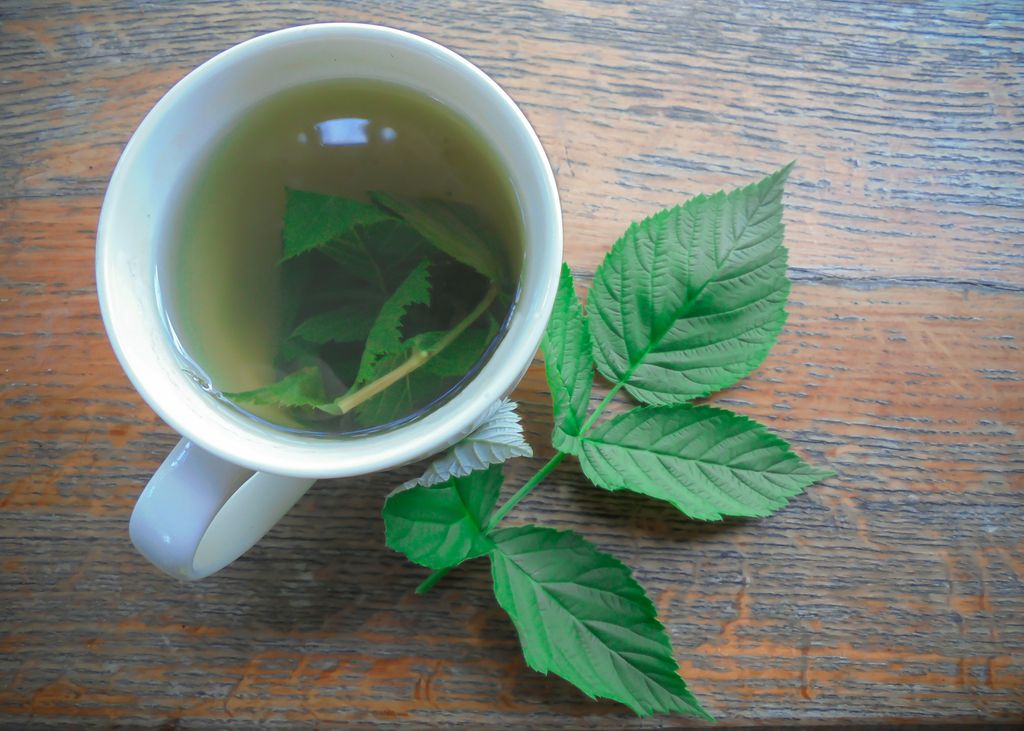
Support your body: Focus on healthy fats, fibre, gentle movement, stress support, and herbal teas like raspberry leaf to support ovulation and hormone balance.
 © Getty Images
Pink
What it means: Light pink blood may point to low oestrogen, under-eating, or low body fat - especially if your cycle is light or irregular.
Support your body: Make sure you’re eating enough overall, especially complete protein, healthy fats and carbs in each meal (carbs are super important; low carb intake inhibits the functioning of our master control centre), avoid skipping meals, prioritise rest, and get emotional and physical support.
Orange
What it means: Orange-tinged blood could be blood mixed with cervical mucus or, less commonly, a sign of infection - especially if it comes with odour, itching, or irritation.
Support your body: Avoid harsh soaps and synthetic underwear, eat probiotic and vitamin C-rich foods, and consult a practitioner if symptoms persist.
If menstrual blood is consistently an unusual colour, especially when accompanied by irregular cycles, heavy clotting, or severe pain, it’s a sign to explore hormonal health and seek professional advice.
What to do if you’re concerned about your hormones
"First and foremost, tune in, track and really listen to the signs and signals your body is giving you, it’s always communicating with you and giving you answers, it’s just sometimes hard to stop and listen," Jess advises.
"If you’re noticing irregular cycles, significant changes in flow, worsening PMS, or new symptoms like fatigue, mood shifts, or skin breakouts, it’s important not to dismiss these signs and to take intentional, targeted action."
The women’s health expert suggests that women do the following things if they’re concerned about their hormonal health.
 © Getty Images
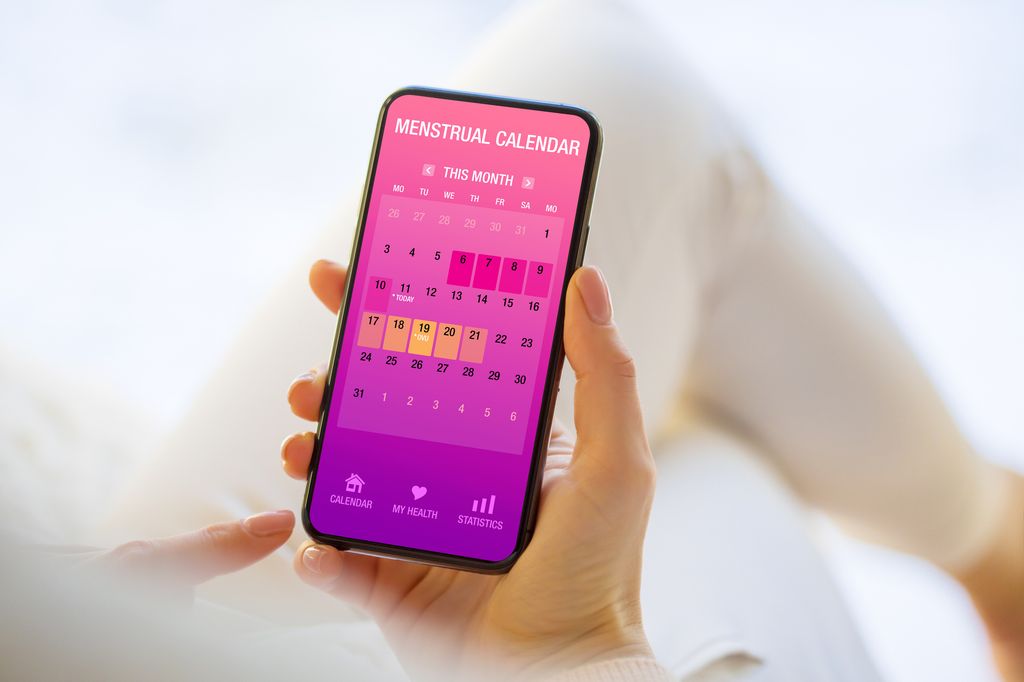
- Track your cycle: Using apps like Stardust or Flow, or even just in your calendar or journal, to help spot patterns or irregularities.
- Seek professional guidance: A qualified, registered naturopathic nutritionist can run comprehensive hormone panels and interpret them holistically to help you integrate the necessary changes needed to help you balance your hormones within the context of your overall health and lifestyle.
- Consistently nourish your body and ensure you’re eating enough (no fasting or skipping meals): Focus on a nutrient-dense diet, take stress management seriously and adequate sleep as foundational pillars.
- Advocate for yourself: If concerns are dismissed, don’t hesitate to seek a second opinion or work with practitioners who take a root-cause approach.
“Hormone imbalances are common, but not something you have to 'just put up with'. There are effective, natural strategies to support balance and wellbeing, and a comprehensive guide can be found in my book The Hormone Balance Handbook," Jess said.