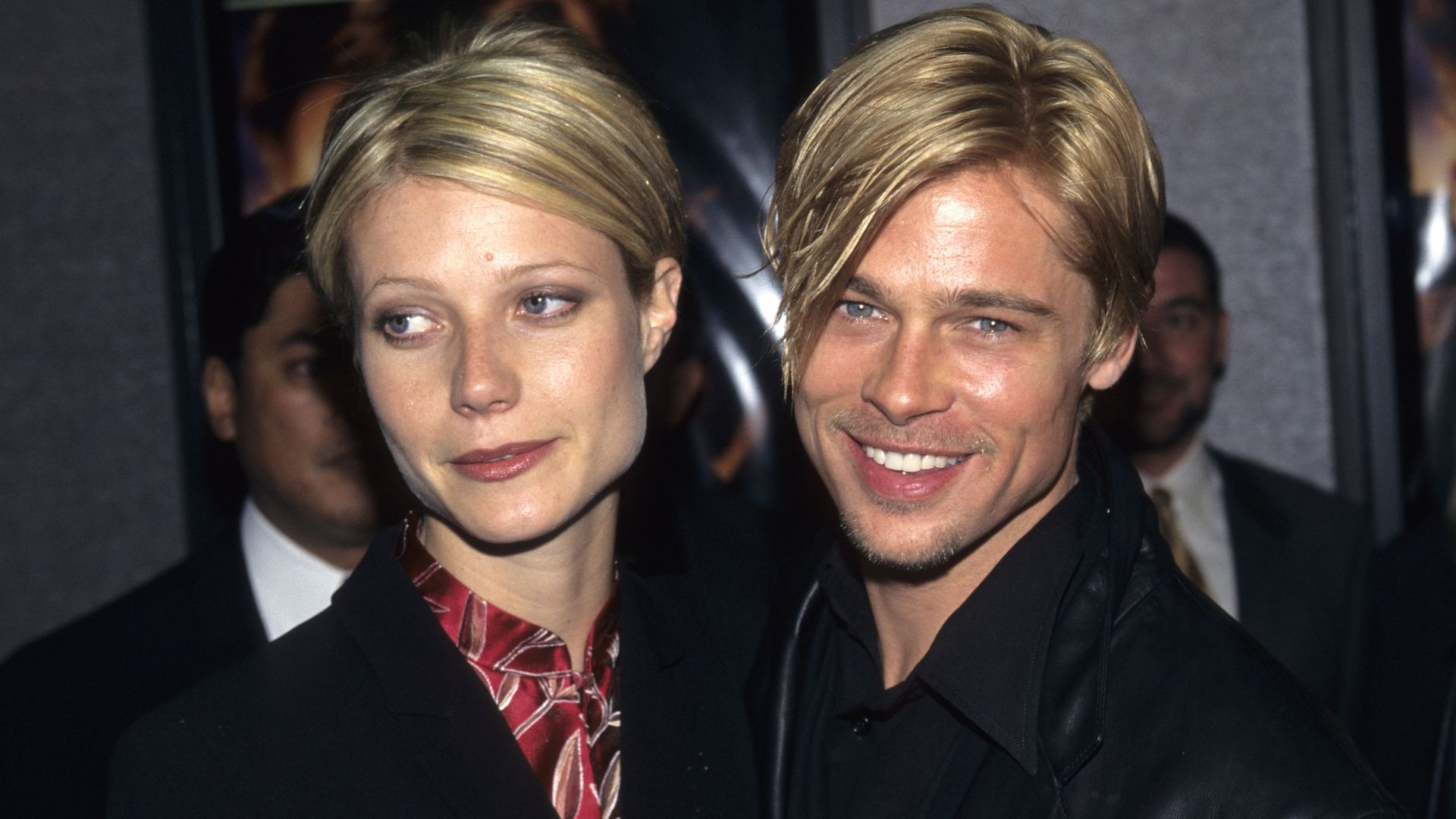
When a relationship is starting to blossom, it's not uncommon to subtly and almost unconsciously start to change some of your habits. You might find yourself listening to your new partner's favourite band, suddenly using expressions that weren't part of your vocabulary before, or even adopting a similar style or wardrobe to the person you're getting to know. This type of change, which is often accompanied by feeling surprised at yourself that it's happening, or even some degree of denial, is more frequent than we realise. But it has a very clear psychological explanation: the need for affinity and emotional connection.
"Studies show that we tend to subtly and automatically imitate people we like, or are attracted to," explains Teresa Ouro, a Spain-based psychologist specialising in couples and sex therapy.
This behaviour then fosters an emotional bond with the other person. "It creates a connection and, in a way, acts as a bridge to winning them over. If we seem like we’re just like them, the other person might perceive more of a connection, see us as something familiar," she explains.
And while much of this copycat behaviour might seem linked to the excitement of that first attraction, there's also a neurobiological basis that supports it that extends beyond simply being the early phases of falling in love.
The human brain has what are called mirror neurons, a type of nerve cell that activates both when we perform an action, as well as when we watch another person doing it. This facet of our brain is an explanation for phenomena such as empathy, learning by imitation, and interpersonal connection.
When it comes to relationships, these neurons could be behind many of the similarities that seem to spontaneously arise when you share your time, routines and experiences with another person. But when we talk about that earliest stages of flirting - when you’re really trying to impress and gratify that potential partner - psychologically, we're stepping into entirely different territory.
Why couples mimic their partners
Mimicry intensifies particularly during the initial infatuation phase, when fears and insecurities come to the surface and the main objective seems to be to please the other person. "Anthropologist Helen Fisher, who studied the science of brain chemistry and romantic love for decades, explained that in the first few months of a relationship, a true neurochemical storm is unleashed," says Teresa. During this initial period, "the brain releases large doses of dopamine, which makes us feel more creative, more enthusiastic, and more willing to present the best version of ourselves."
This response has an evolutionary function: to facilitate the type of affinity between potential mates that is called a 'pair bond'. At the same time, rational functions are also affected. "During this phase, the prefrontal cortex – the part of the brain responsible for judgment, decision-making, and risk assessment – is partially deactivated. In other words, we think less and feel more."
What does that lead to? Idealisation of the person and minimising differences, and also being more generous about their traits or behaviours that, in other circumstances, would be seen as red flags.
How you lose your identity in a relationship
When you’re in the butterflies-in-the-stomach phase, "it's natural to want to please. We want the other person to see us, choose us, admire us," explains the psychologist. As anyone who has ever had a crush knows, it's is a very exciting stage but, as Teresa points out, it's not without its nuances.
"Sometimes, in that attempt to fit in, we can leave parts of ourselves behind," she warns. That's when the key question arises: "Am I discovering myself through them, or am I losing myself as I try to make them happy?"
The need for connection doesn't always imply a loss of identity, though. A relationship can often open new doors, awaken forgotten interests, or enrich your current passions. "Through our partners, we might discover new tastes, music, series, or other interesting new worlds," Teresa notes. Plus, she adds, "Complementary differences can greatly enrich the relationship. A partner can act as a mirror, or even as inspiration to bring dormant aspects of ourselves back to life."
How to stay true to yourself while you're falling in love
The key to not losing yourself is to consciously strive to be your authentic self. "Choose to be yourself, and don’t be afraid that being who you are is not enough,” she advises the relationship expert. "That initial infatuation always fades, and our true selves will come out. If we don't show ourselves as we really are from the start, we might eventually disappoint [our potential partner]," she warns.
As an expert in couple's therapy, Teresa promotes good communication and honesty with her clients. "We help people who want to build realistic and lasting bonds in their relationships," she explains. These are the steps she recommends to stay true to yourself without sacrificing the connection with your partner:
- Self-reflection: "Be honest with yourself: 'Am I doing this because I like it or because I want to be liked?'"
- Maintain your own space: "Don't lose your routines, friendships, or hobbies, even if you’re excited [about a new romance]."
- Dare to show your differences too: "Authenticity creates a much stronger bond than forced similarities."
- Love yourself: "Remind yourself that being liked is important, yes. But liking ourselves is essential."
Imitation can be a natural response to attraction, but the true bond strengthens when partners can share their lives without losing themselves. Authentic love thrives on what you have in common, but also on your differences - and it grows when it’s grounded in the truth.