
Many women entering the menopause and looking to ease the symptoms associated with this phase of life (hot flushes, night sweats, fatigue, joint pain, we're looking at you) will feel overwhelmed by the wealth of information available online that delves into lifestyle choices and supplements that will help women through this period. We're never going to discourage greater research into how to relieve menopause symptoms (we champion women over 40 through our Second Act hub, after all), but let us break down the latest supplement dubbed the must-have in the menopause space, creatine, and get to grips with whether it's all bluster or benefit.
What is creatine?
There are countless supplements marketed at perimenopausal and menopausal women, but creatine is getting a lot of attention of late. To get to grips with what creatine actually is, we spoke to Daniel Margis, MSc in Nutritional Medicine and product developer at leading sports nutrition brand, ESN, for a full rundown.
 © Getty Images
"Creatine might sound like something strictly reserved for bodybuilders and hardcore fitness fanatics, but that couldn't be further from the truth. Our bodies actually produce creatine naturally, and its job is to help regenerate something called 'ATP', which is the body's primary energy source during exercise," Daniel explains. "Although it's been a staple in the sports world for decades now, new research shows that creatine can do so much more than help athletes lift heavier weights.
"It is one of the most researched and safest dietary supplements worldwide, with studies showing clear benefits for athletes who want to improve their performance, as well as older people who want to maintain their muscle strength and vitality," Daniel continues. "It's also beneficial for both vegans and vegetarians, as their bodies often store less creatine than others. Even those who are not physically active can benefit from creatine's positive effects on both energy and mental performance."
What are the benefits of creatine?
It's difficult to break through the noise and find an objective set of benefits for supplements like creatine, but Daniel is happy to help. "There is growing research to suggest it may improve brain health by fuelling energy production in our nerve cells, which in turn helps with focus, sharper memory and that sense of mental clarity many of us crave when life feels busy or overwhelming," the nutritional medicine expert explains. "Some studies have even suggested creatine may help protect against age-related cognitive decline, making it just as valuable for the mind as it is for the body.
 © Getty Images
Daniel says that creatine also plays a key role in helping our bodies recover day-to-day. "After any kind of physical activity, whether it be a workout, a long walk, or even a hectic day on your feet, your muscles need to replenish their energy stores. Creatine helps speed up that process, reducing fatigue so you feel less drained and able to bounce back much quicker. Over time, this means you're able to stay more consistent with exercise and daily movement, which is, of course, key for long-term health," he says.
Many women entering the menopause, or those in the throes of it, want long-term impact from the supplements they invest money in. "For those looking at the bigger picture, creatine has been shown to help preserve both muscle mass and bone strength as we age," Daniel explains. "These are two areas that naturally decline over time but are vital for staying active, mobile and independent well into later life. By supporting strength from the inside out, creatine can help you maintain confidence in your body, whether that’s keeping up with children or grandchildren, carrying shopping with ease, or continuing to enjoy the activities you love."
Why is creatine useful for menopausal women?
Creatine sounds like a great all-rounder – so why is it particularly beneficial for menopausal women? "One of the most exciting areas of research around creatine is how it can support women both during and after menopause," the sports nutrition expert tells us. "This stage of life often brings changes that make it harder to maintain muscle and bone strength, while many women also experience lower energy levels and reduced mental clarity.
 © Getty Images
"Current studies show that creatine – especially when combined with regular strength training – can help support muscle strength and lean mass," he continues. "For bone health, the evidence is more mixed: bone density itself does not always improve, but some research suggests positive changes in bone structure and stability. There are also early, encouraging findings that creatine may play a role in energy and cognitive function, for example, by helping the brain cope better with stress or higher energy demands."
What are creatine fans saying?
HELLO! has also spoken to a number of women who have built creatine into their daily lives – and seen the benefits. While retired Olympic triple jumper and guest of the Second Act podcast Michelle Griffith-Robinson, 53, tells us that she started using creatine to help her build muscle and to increase her power output from resistance training, 42-year-old personal trainer Nicole Chapman says the results of taking creatine weren't instant for her but after a few weeks she noticed more energy, less brain fog, and a real improvement in strength - especially in the weights she was lifting.
 © Getty Images
"As a single parent working full-time, exhaustion is inevitable, so even that small shift has been a game-changer. It’s now something I also recommend to my clients (with the reminder to increase water intake, which is a bonus in itself)," she explains. Meanwhile, 44-year-old Becky tells us: "As a personal trainer and mum of three, creatine has been a game changer. It keeps me strong, speeds up recovery, and boosts my energy for both workouts and family life. I've had no side effects, only benefits, and I really notice the difference if I stop my daily 3g dose."
 © Getty Images
40-year-old Lauren acknowledges that while some people are sceptical about the bloating that it can cause, she is the leanest and lowest weight on the scale she has been in years. "Trust the process. It's like any medication, it'll take three months to really start seeing the effects, just trust the process," she shares." Similarly, HELLO!'s Faye James says creatine has helped her feel "clearer".
How would I fit creatine into my daily routine?
With something as beneficial as creatine, the fear for many can be that it wouldn't fit easily into their daily routine, but Daniel says that one of the reasons creatine has become so popular is because of how easy it is to take. "There's no complicated regime required, simply taking a small daily dose, around 3-5 grams, each day is enough to keep your muscles topped up with everything they need," he says.
 © Getty
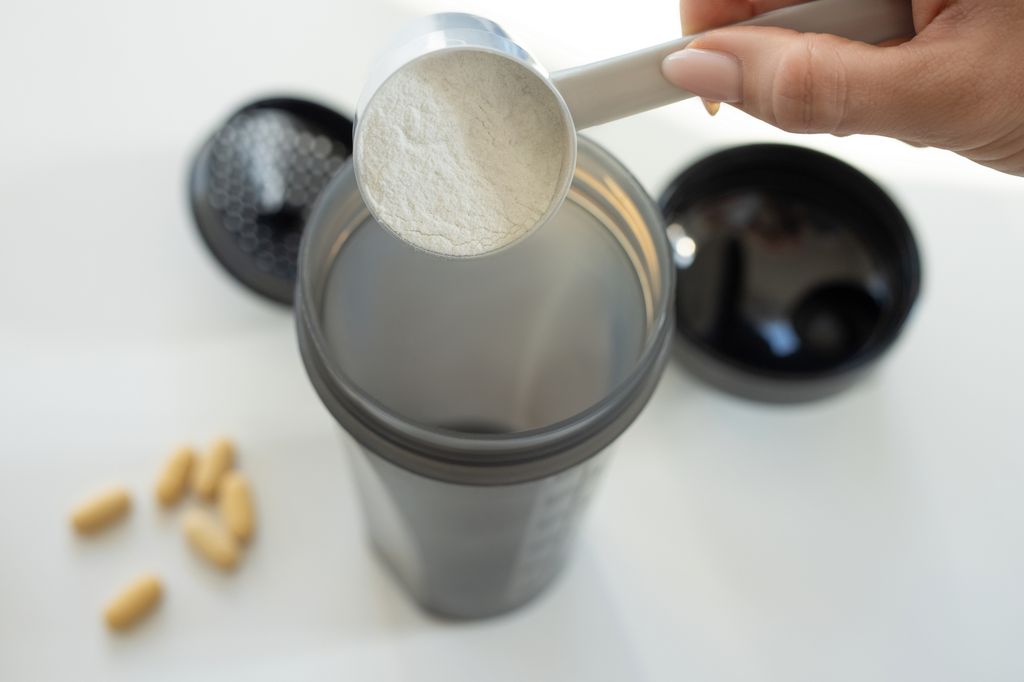
"Powder is the most popular option because it's often neutral in flavour, meaning it can be mixed with water, juice, or even a morning smoothie. Capsules, on the other hand, are great if you’re always on the go or prefer something more convenient. Both work in exactly the same way, so it really comes down to personal preference. What matters is simply remembering to take it every day, even on rest days, so your body gets the full benefit."
Is creatine the new wellness essential?
So when it comes to whether creatine is worth your time and money, Daniel says it has earned its reputation as a must-have: "It's safe, affordable, easy to use, and backed by decades of solid science," he insists. "While it started in the fitness world, its benefits reach far beyond your muscles, from energy and recovery to brain health and healthy ageing. Whether your goal is to get more out of your workouts, feel sharper at work, or stay strong and confident through life’s changes, creatine offers support at every stage. It’s no longer just for athletes, but for anyone who wants to feel their best, inside and out."