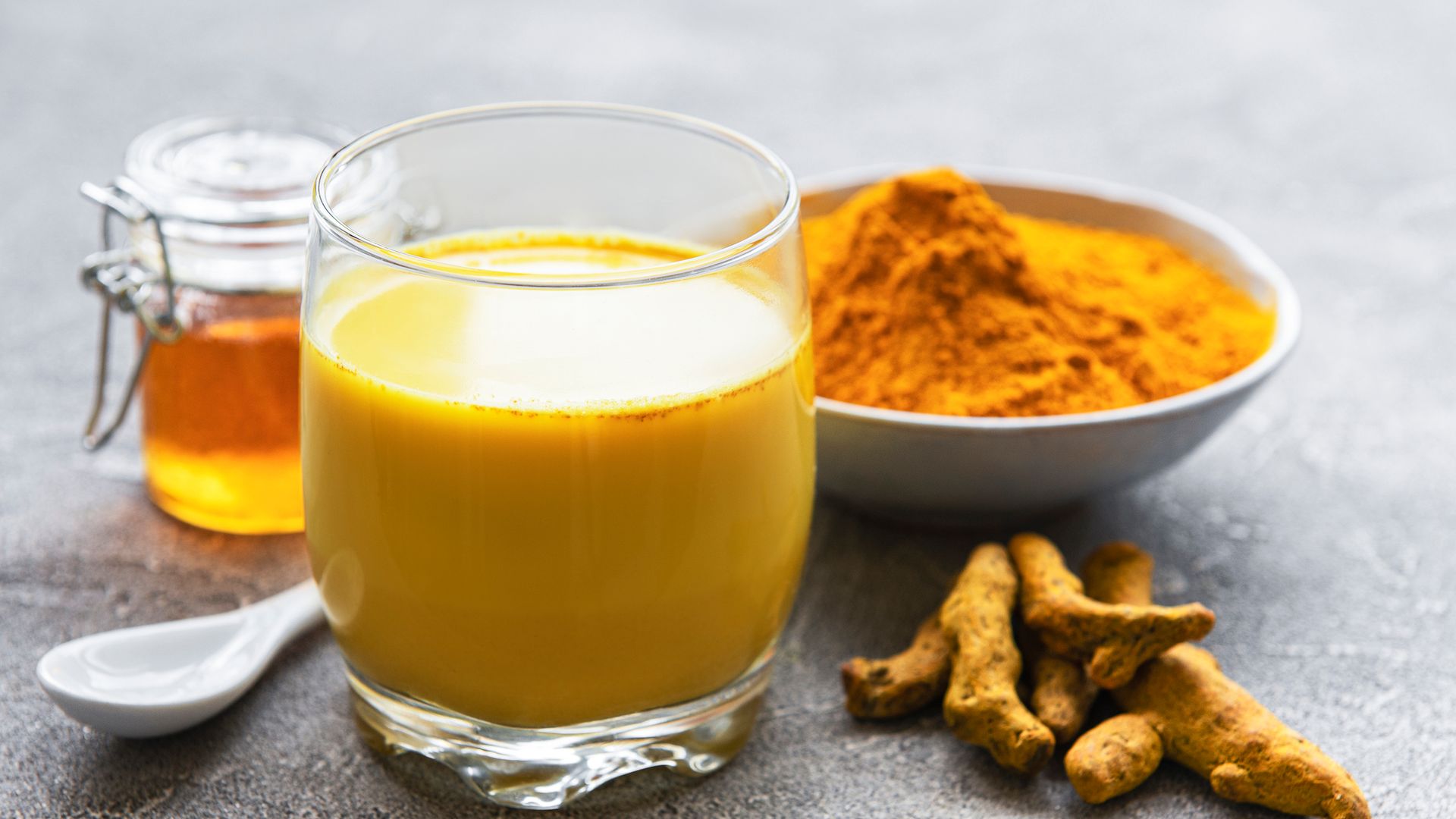
Turmeric is a popular spice used in a lot of Asian curries. Known for its bright orange colour and mild spice, turmeric has potent anti-inflammatory properties which studies have shown reduce joint pain, protect against long term disease and reduce chronic inflammation. As a nutritionist I like to weave into my daily meals with recipes such as this turmeric dahl or cauliflower turmeric soup, however if you're suffering from chronic inflammation or joint pain, you can take high strength turmeric supplements known as curcumin. But what does science say? Does this spice really live up to its hype?
The science behind turmeric
According to Pharmacist, Ms Sobia Qasim , curcumin uses its power by targeting the messengers that drive inflammation forward. "Laboratory studies found that it can block nuclear factor-kappa B (NF-kB), a master switch that oversees the activity of many inflammatory genes," they say.The treatment also reduces the production of tumour necrosis factor-alpha (TNF-α) and certain interleukins which function as immune system signalling molecules.
"The antioxidant properties of curcumin help neutralize free radicals which produce oxidative stress that damages cells. This effect together is like applying a soft brake to the body’s inflammatory engine " she adds.
What the evidence shows
According to Curley, the most convincing evidence from clinical trials for turmeric's effectiveness is in arthritis. "People with osteoarthritis who took around 1000 mg of standardised curcumin every day for eight to twelve weeks consistently reported less stiffness and pain.
In some studies, curcumin even performed the same as common non-steroidal anti-inflammatory drugs (NSAIDs) like ibuprofen, without the same risk of kidney stress and stomach ulcers.
"Research on rheumatoid arthritis as a more severe autoimmune condition has shown positive results through limited studies which demonstrated better mobility and reduced swelling. Although more research is needed to confirm this effect on a larger scale, the results so far are good."
Are there any side effects?
According to Ms Qasim unfortunately, even with all the positives, curcumin does come with some side effects.
"The body struggles to absorb it. On its own, it takes a while for curcumin to get from the digestive system into the bloodstream.This means that a small sprinkle of turmeric on food is healthy but is unlikely to deliver the full therapeutic effects as seen in clinical trials," she says.
"Research indicates that adding piperine from black pepper to curcumin results in a 2000% increase in absorption rates. The consumption of curries that are prepared in milk or oil seems to be beneficial for digestion," she adds.
The best supplements achieve enhanced bioavailability through these methods and advanced delivery systems which include curcumin nanoparticles and liposomal capsules according to the experts.
Does turmeric really work?
According to Curley, the scientific community needs to verify if turmeric matches the claims made about it. "Turmeric, and certainly curcumin, does have proven anti-inflammatory effects, especially in arthritis, where the evidence is strong.It does show exciting potential in other conditions linked to chronic inflammation, although the research is still developing," she says.
"It works best with a healthy lifestyle such as exercise, balanced nutrition, and medical care where needed.People who consume turmeric through cooking or supplements will receive black pepper extract as a standard ingredient which serves as a safe anti-inflammatory agent for their bodies."
Faye James is a Sydney-based accredited nutritionist and author of The 10:10 Diet, The Menopause Diet, The Long Life Plan and her latest books The Perimenopause Plan and Everyday Easy Vegan