Does the colder, darker weather leave you feeling hungrier or with more food cravings than usual? There are many biological and psychological factors that contribute to wanting to eat more during the winter, which can lead to weight gain.
However, if you're concerned about putting on weight or want to find other ways to satiate your cravings without consuming too many calories, we caught up with a registered dietician and nutritionist to get the lowdown on why we eat more in winter and what our food cravings mean.
Why we eat more in winter: The science of seasonal appetite
 © Getty Images
Carbohydrate-rich meals and snacks are a common craving throughout the winter, and for good reason. "There’s actually real biology behind those winter carb cravings. When temperatures drop and daylight shortens, the body adjusts several internal systems to stay warm and balanced," explains registered dietitian & wellness expert Brea Lofton, MS, LD, RDN. These include:
- Thermoregulation: "In cold weather, your body burns more energy to maintain its core temperature. This can increase hunger or push you toward foods that deliver quick warmth and comfort, like bread, pasta, or potatoes."
- Circadian rhythm: "With fewer daylight hours, your internal clock begins to shift. You may feel more tired or sluggish, and appetite hormones like ghrelin and leptin can fluctuate, which ultimately results in nudging you toward high-energy foods."
- Neurotransmitters: "Less sunlight also reduces serotonin activity in the brain, which is a chemical that supports mood and calmness. Eating carbohydrates triggers insulin release, which helps more tryptophan (the building block of serotonin) reach the brain, giving a temporary mood lift. That’s precisely why 'comfort carbs' can genuinely feel comforting during the darker months."
How cold weather affects mood and cravings
We may also have more cravings for carbohydrates because of their impact on our mood. "In summary, carbohydrates do more than fuel the body – they can also give our mood a short-term lift. During the darker months, reduced daylight can lower serotonin activity in the brain, which is a chemical that helps us feel calm and content," the nutritionist and dietician explains.
"Eating carbs triggers the release of insulin, which allows more tryptophan (a building block of serotonin) to reach the brain. This helps boost serotonin levels temporarily, which is why foods like pasta, bread, and potatoes can feel extra comforting on cold, grey days."
Meanwhile, the reduced sunlight hours during winter can also have an impact on our diet. "When daylight is limited, our circadian rhythm, which is the body’s internal 24-hour clock, can drift out of sync. This affects sleep quality, energy levels, and appetite regulation. As a result of this, people tend to crave more calorie-dense or carbohydrate-rich foods," Brea adds.
 © Getty Images
Why are we more likely to gain weight in winter?
It is not only our increased food cravings that contribute to weight gain: the lower temperatures also affect how the body uses and stores fat, which may also have an effect on body composition in the winter months.
"When temperatures drop, the body activates brown fat, which is a special type of fat tissue that burns calories to generate heat (a process called non-shivering thermogenesis). In theory, this helps increase our body’s energy use. However, there’s a flip side to this. Colder weather also tends to increase appetite, and many people move less in winter. Even though brown fat burns some energy, our natural instinct to eat more (and our tendency to be less active) can unfortunately outweigh that benefit," the dietician says.
"There’s also some evidence that shorter daylight and lower light exposure can signal the body to shift slightly toward energy conservation, a leftover evolutionary response to 'winter scarcity.' In modern life, that can translate into easier fat storage if diet and activity don’t balance out. So while cold exposure itself can raise calorie burn, behavioural changes, such as eating more, moving less, craving comfort foods, often have a stronger impact on winter weight gain."
The psychology of comfort eating in darker months
There are other reasons we may start comfort eating during the darker and colder months, too, as Brea shares: "Less sunlight exposure can also lower vitamin D levels and alter serotonin activity, which can affect mood and food choices. Some people find themselves seeking out comforting, starchy foods because these help boost serotonin and temporarily improve mood, which is a mild, natural response to the 'winter blues.' On top of that, we’re usually less active in colder months, spend more time indoors, and often eat later at night, all of which can influence weight and food preferences."
Expert nutrition tips to stay full, warm and balanced
Thankfully, you can still satisfy your cravings and eat nourishing, warming comfort foods without necessarily gaining weight. Focusing on eating whole foods and hearty home-cooked meals, such as soups and stews, can fulfil your cravings and provide slow-releasing energy to fuel you through the darker winter months.
 © Getty Images
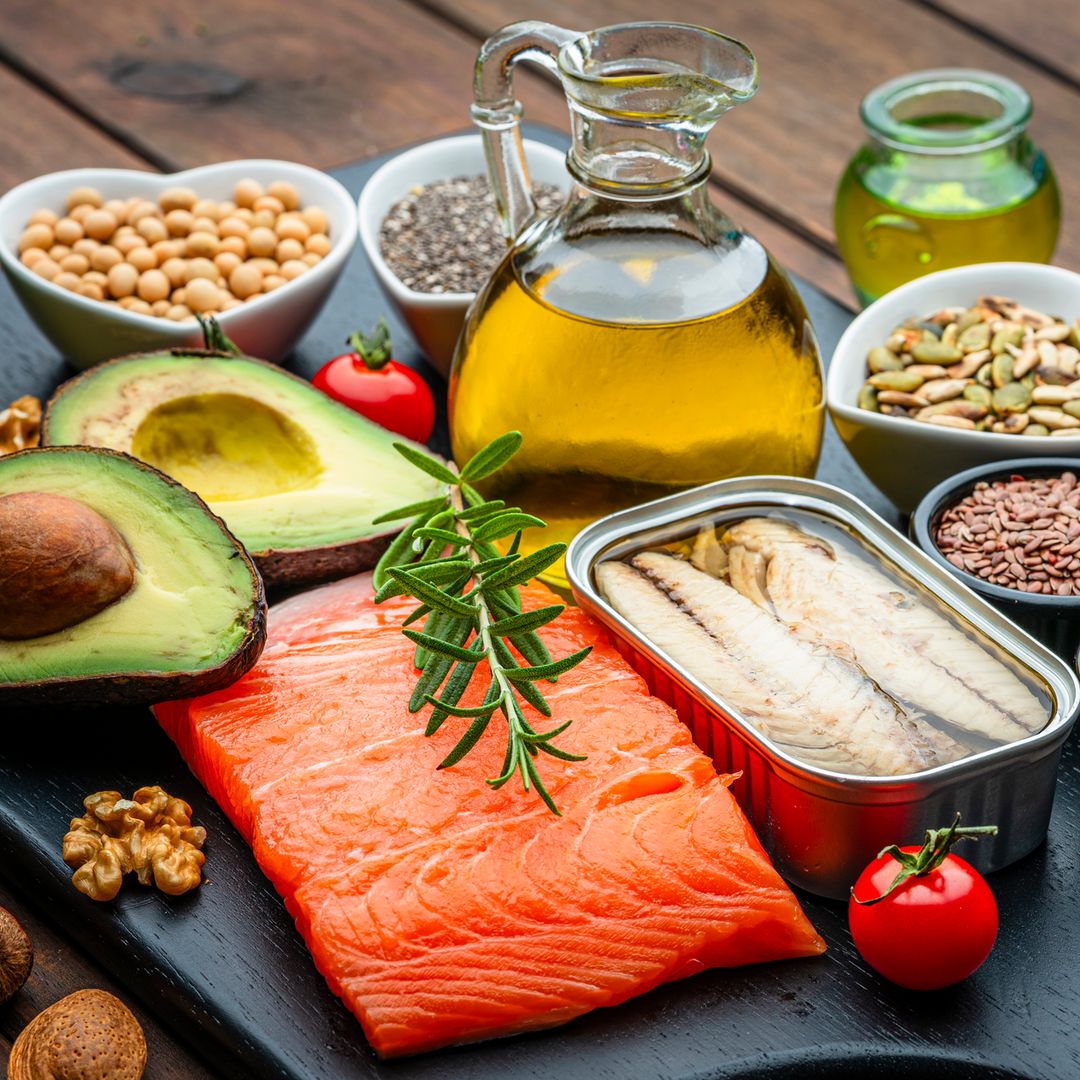
Prioritise protein and fibre: "These nutrients help you feel fuller for longer and stabilise blood sugar, which curbs carb cravings. Think eggs, fish, Greek yoghurt, lentils, or hearty vegetable soups. Combine your carbs with protein and healthy fats to prevent sugar highs and crashes," says Brea.
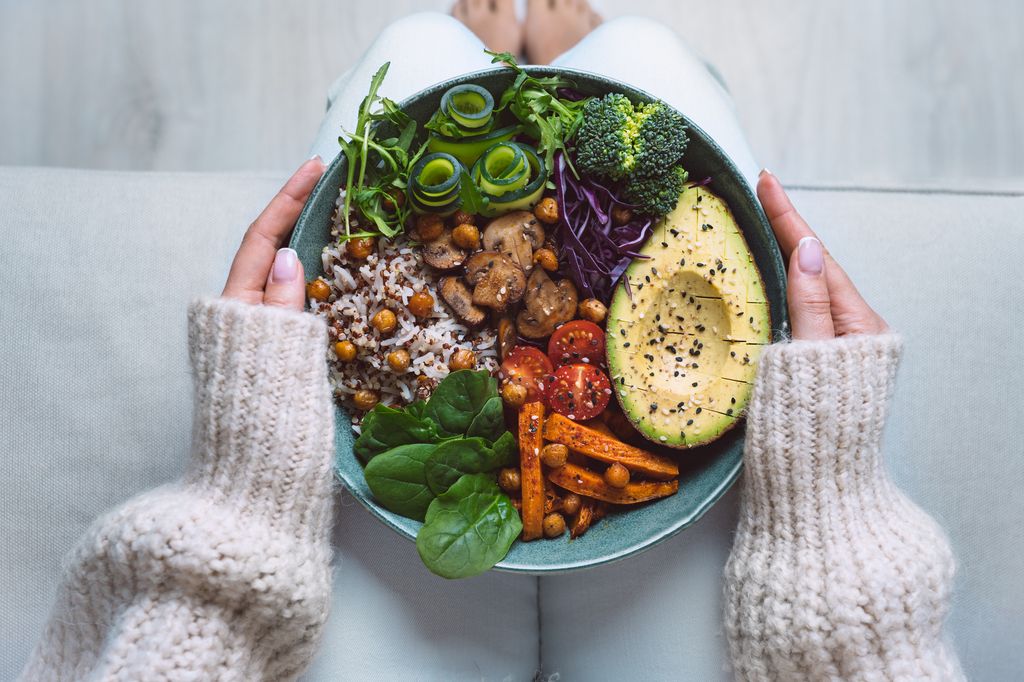
Choose better carbs, not no carbs: "Carbs aren’t the enemy, especially in winter. Go for whole grains, root vegetables, and pulses instead of refined sugars. They’ll still provide comfort, but with more nutrients and slower-releasing energy."
Smart winter habits that prevent weight gain naturally
Alongside the nutrition changes above, the following habits can help to prevent weight gain throughout the winter months, as Brea explains.
Work with your body clock, not against it: "Try to get natural light exposure early in the day, even 15 minutes of morning sun helps your circadian rhythm stay on track, improving energy, sleep, and appetite control. Eat meals at regular times, ideally during daylight hours, and avoid heavy late-night snacks when your metabolism naturally slows."
Stay active, even when indoors: "Cold weather can make outdoor workouts unappealing, but movement is key for our metabolism. Home workouts, yoga, or brisk walks can all keep your body's 'engine' running. Also, strength training is particularly effective in winter because building muscle helps you burn more calories at rest."
Focus on consistency, not perfection: "It’s natural for progress to slow in winter, so one can aim to maintain or lose slowly rather than push for rapid results. Think of winter as a 'maintenance and momentum' season, laying the groundwork for more active months ahead."
How to stay active
It may take a little more motivation, but it is possible to keep active during the winter. Small indoor workouts can be effective, such as yoga or stretching. Meanwhile, if you do choose to work out outside, prioritise safety with focus on being warm, visible and contactable.