
Anxiety is common, with an average of 37.1 per cent of women and 29.9 per cent of men reporting high levels of anxiety in a 2022-23 government survey. While there are a lot of reasons for experiencing anxiety - many of which are out of our control - there are some daily habits that can worsen our mental health without us even realising it.
To find out the common culprits and what we can do about them, HELLO! talked to a therapist who shared the everyday stressors and habits that may be contributing to heightened anxiety.
 © Getty Images
Common daily behaviours that trigger anxiety without you realising
"There are a lot of daily behaviours and habits that trigger anxiety without us really realising it. It can be as simple as grabbing our phone first thing when we wake up. This typically doesn’t create a relaxing transition into the day for most people; it creates heightened stress first thing in the morning. It can also create a bit of a time suck that puts us on edge because we may end up running late," says Laurie Groh, a therapist with over 15 years of experience and owner of Shoreside Therapies.
Meanwhile, our fast-paced lifestyles can also contribute to feeling anxious. "Constant multitasking, skipping breaks, skipping meals, rushing from task to task, and not giving yourself enough time in between tasks can all create overstimulation and activate our nervous system into fight or flight," Laurie says.
"Even tiny micro-stressors can affect us - like constant notifications or pings from our phone or email. If you pay attention to how your body responds to those, you’ll notice a heightened emotional response. That’s what those alerts are meant to do, but we don’t actually need that level of activation to pay attention to what we need to do."
How poor sleep, screen time, and overstimulation affect your anxiety levels
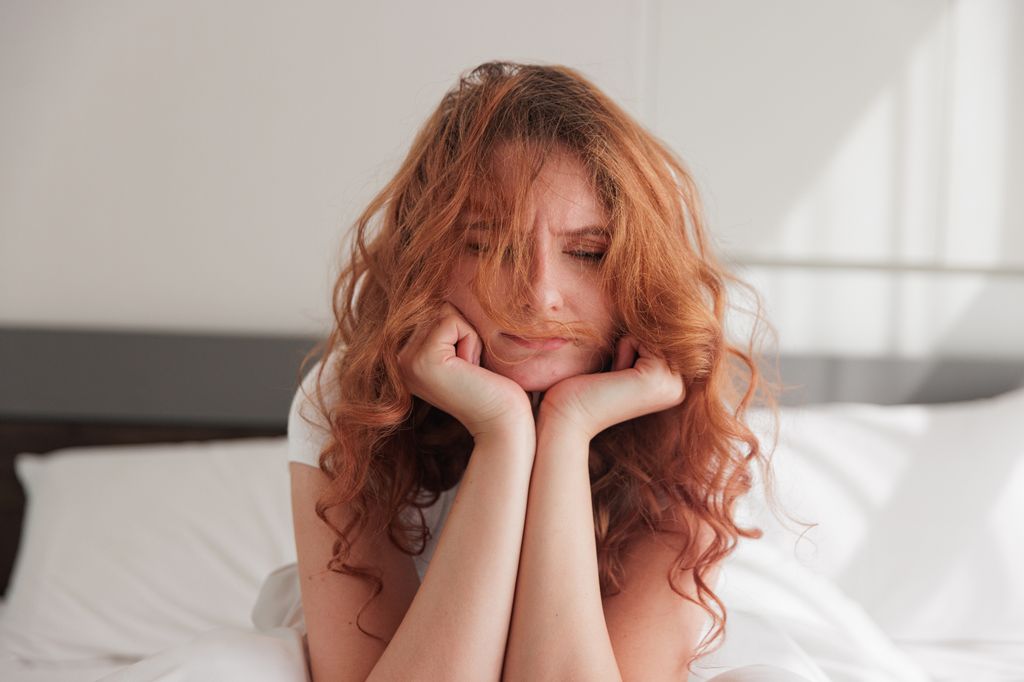
If you prioritise work and your to-do list over allowing yourself downtime and sleep, it can lead to increased feelings of anxiety, making small triggers feel even more challenging. Laurie explains: "Poor sleep, screen time, and overstimulation affect anxiety levels in many ways, but I would say poor sleep creates more reactivity in the emotional centres of our brain.
"Everyday stress can feel even bigger than it normally would. If you imagine a toddler without sleep who is overtired, we are the same. We just don’t typically start crying, but our bodies are reacting in much the same way. We’re simply able to contain our emotions a bit better."
 © Getty Images
Why certain lifestyle habits make anxiety worse
So why do some of our daily habits cause or exacerbate anxiety? According to the therapist, it's all to do with nervous system regulation.
"Our nervous system needs to wind down. If we aren’t paying attention to that, our sleep becomes interrupted, especially with screen time - having that light so close to our face affects us in a bigger way than just having a light or TV on. We are overstimulated," Laurie says. "We have too much information, too many decisions, and this can overwhelm the brain’s ability to regulate, which causes increased irritability, worry, and physical tension."
This means our lifestyle habits are pushing us into fight-or-flight mode. "Things like overscheduling, constantly being 'on,' not turning your phone off, and not taking small pauses to regulate our system start to fatigue our adrenal glands. Our body stays in this high alert, and eventually we have to come down and crash," the therapist says.
Simple changes psychologists recommend to reduce everyday anxiety
The good news is, making some simple and consistent changes can make a big difference to your mental health.
 © Getty Images
"Taking breaks throughout the day - even for 30 seconds or a minute - helps us in the long run. Our body will be able to calm down and will recognise that we want to be in that state more often. We aren’t meant to be totally calm all day, every day. We just need moments throughout the day to feel calm and relaxed," Laurie shares.
Placing your phone in another room overnight and avoiding screen time before bed and first thing in the morning can help too. "Many of us know this, but it’s hard to execute, so just start with one change. Limit notifications, and keep your phone away from you if you don’t need it," the therapist explains.
Meanwhile, regular exercise can also be beneficial. "Move regularly if you can. This can help us move out of stress. You can physically feel the difference if you stand up and move your body, even if it’s just a few steps. These small shifts can help move the nervous system out of chronic activation."