
According to many TikTok claims, the secret to getting rid of anxiety is to reset the vagus nerve. It’s a big claim for a nerve most of us didn’t know we had. So can you really reboot your calm?
To understand more about the simple at-home techniques for easing anxiety and what the vagus nerve actually is, HELLO! caught up with Dr. David Traster, Chief Clinical Officer of the Neurologic Wellness Institute, and a leading expert in neurological optimisation and performance enhancement.
 © Getty Images
What is the vagus nerve, and why does it matter for anxiety?
"The vagus nerve is the longest nerve of the parasympathetic nervous system, running from the brainstem through the neck, chest, and abdomen," Dr. Traster says. "Despite the hype, the vagus nerve is just a nerve, and it’s mostly sensory. 80 per cent of vagus fibres send information from the body up to the brain, while only 20 per cent send signals downward.
"This makes the vagus nerve a high-speed feedback cable, constantly informing the brain about the state of the heart, lungs, gut, immune system, and internal stress levels."
Meanwhile, the vagus nerve is involved in feelings of anxiety, as the neurological health expert shares: "Anxiety is partly a body-to-brain loop: if the vagus nerve detects a racing heart or tight breathing, it tells the brain 'danger,' increasing anxiety. When vagal signals are calm, the brain interprets safety, leading to reduced anxiety and improved emotional regulation."
He adds: "This is why strategies like deep breathing or cold water can be calming: they shift vagus nerve input and help the brain relax."
How do you stimulate the vagus nerve?
Now that we know what the vagus nerve is, it's time to learn the evidence-supported ways to stimulate it to alleviate anxiety. Dr. Traster recommends the following:
- Slow diaphragmatic breathing, especially long and controlled exhales
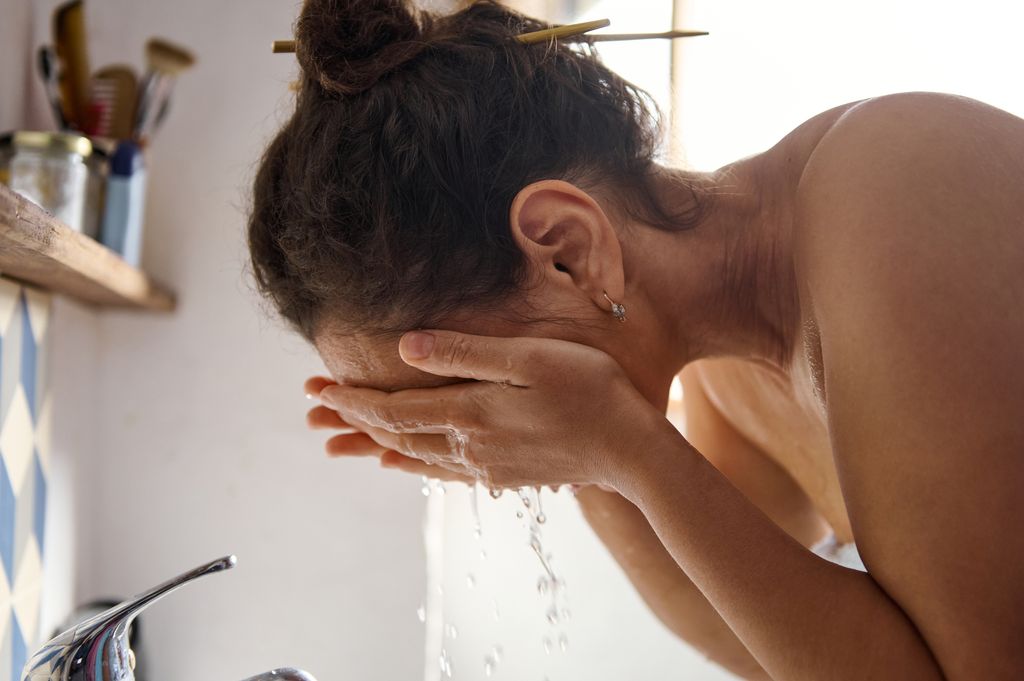
- Cold exposure to the face (cold splash, cool shower to the face, cold plunges)
- Gargling, humming, or chanting
- Singing
- Light, gentle pressure along the carotid sinus area (never hard pressure)
- Regular exercise, which improves vagal tone over time
 © Getty Images
There are also medical forms of vagus nerve stimulation (VNS), including implanted VNS devices, used clinically for epilepsy and treatment-resistant depression, and transcutaneous VNS (tVNS), such as ear-based VNS (tragus or cymba concha) and neck-based VNS (cervical stimulation). "These devices reliably activate brain pathways involved in mood, stress, and emotional regulation," Dr. Traster says.
Do vagus nerve resets actually help with anxiety? What the research says
So, can a vagus nerve reset actually be effective? "Yes, but not for the reasons most social media 'reset hacks' claim. The benefits do not come from 'fixing the nerve.' When you stimulate the nerve, you stimulate the areas of the brain that control the nerve. The real effect comes from activating brain regions that control fear, stress, inflammation, and emotional balance," Dr. Traster explains.
These brain regions include:
- Amygdala (fear and worry)
- Hypothalamus (stress hormones like cortisol)
- Brainstem (heart rate, breathing regulation)
- Prefrontal cortex (emotional control, decision making)
- Locus coeruleus (norepinephrine, arousal, vigilance)
- Insula (body awareness and calm)
- Hippocampus (memory and emotional learning)
The doctor says that science strongly supports the following ways of resetting the vagus nerve:
- Medical VNS devices can reduce anxiety in epilepsy and depression
- Slow breathing increases vagal activity and reduces anxiety
- Cold water face immersion and/or cold plunges can rapidly calm the stress response
- Exercise increases vagal tone and reduces long-term anxiety
Meanwhile, there is promising but lower-powered evidence for the following:
- Humming, chanting, singing
- Gargling
- Yoga and meditation practices
- At-home ear-based and neck-based non-invasive tVNS devices
Are at-home vagus nerve techniques safe?
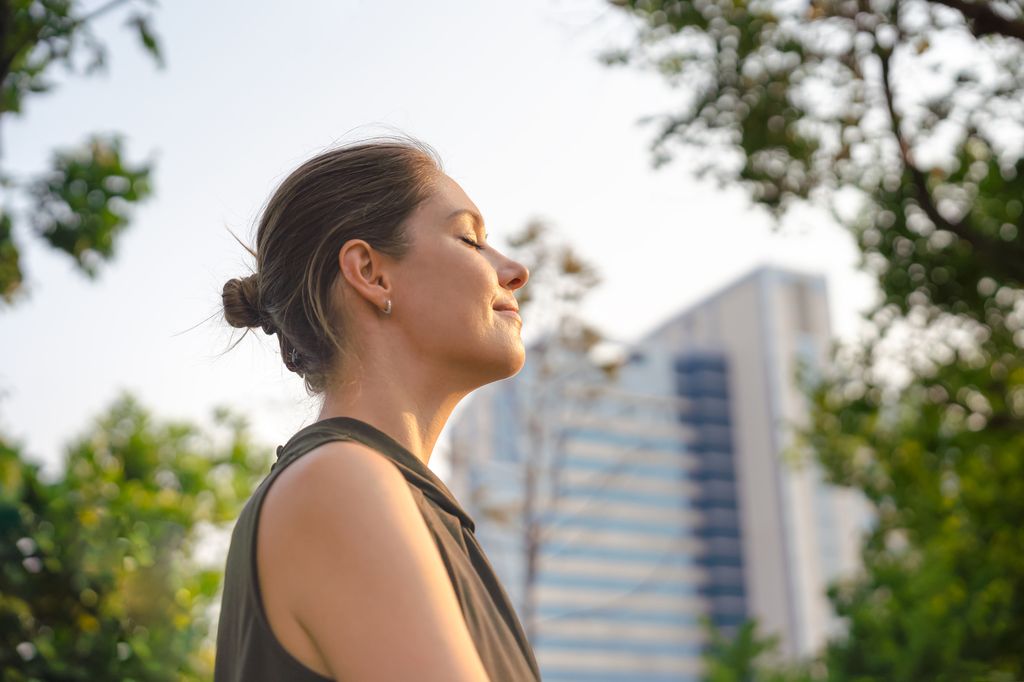 © Kmatta
If you're trying to reduce anxiety through vagus nerve reset techniques, the following methods are generally safe for most people:
- Slow breathing
- Meditation
- Humming or singing
- Light exercise
- Cold water splashes to the face or full body cold plunges
Dr. Traster warns that you should use caution or consult a provider first before trying methods such as intense cold plunges, breath-holding techniques, applying pressure to the carotid area, or using any ear-based and neck-based electrical tVNS devices.
Additionally, they should be avoided if you have certain health conditions such as significant heart rhythm disorders, very low blood pressure, and specific seizure disorders. "When in doubt, slow breathing is the safest and most evidence-supported starting point," Dr. Traster says.