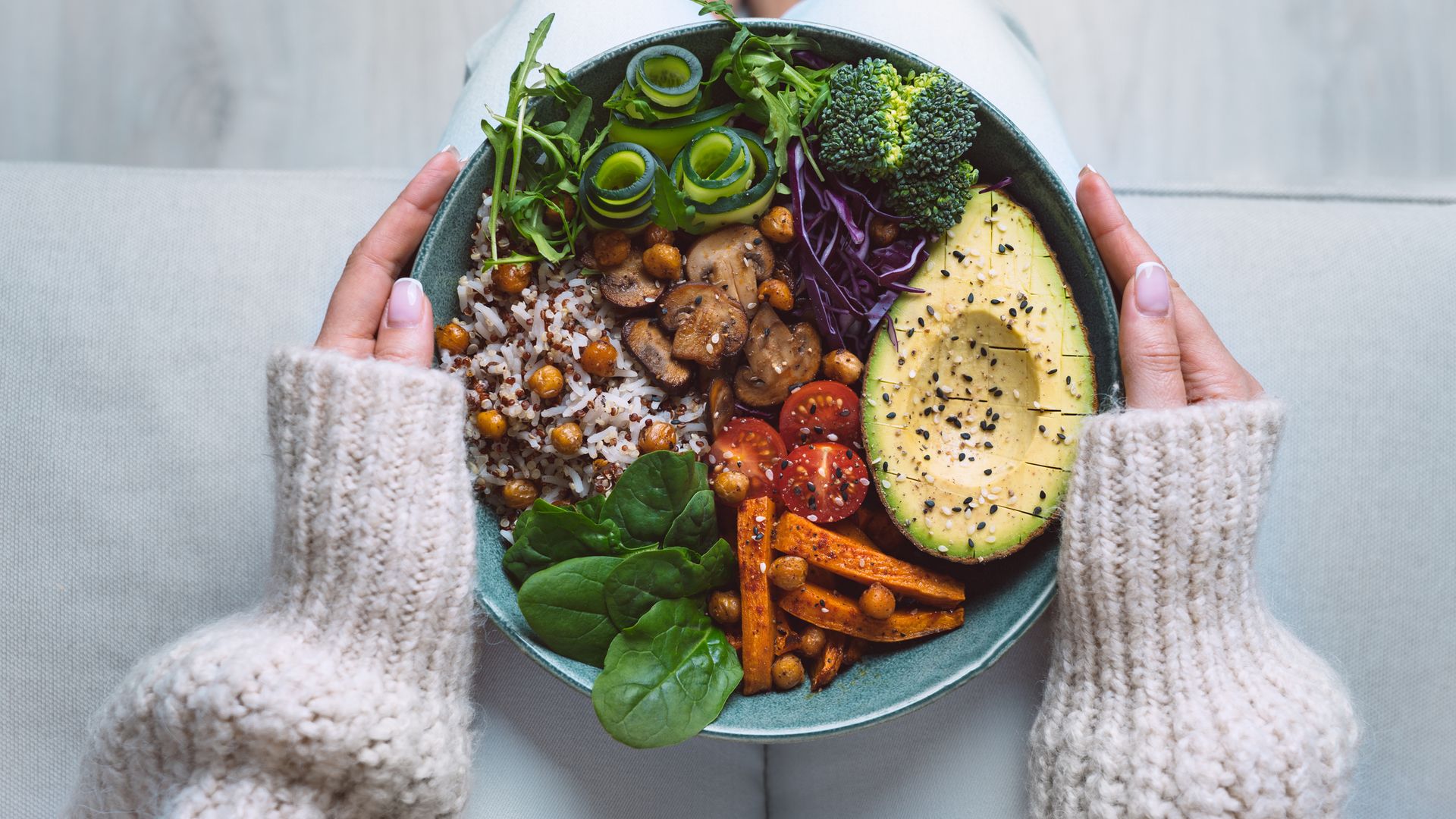
According to Veganuary organisers, an estimated 25.8 million people globally tried going vegan throughout January in 2025. And if you're one of the millions of participants in 2026, you may already be noticing some changes within your body after just a couple of weeks of eating a plant-based diet.
According to Francesca Lyon, Lead Nutritionist at FUTURE WOMAN, it takes only a couple of weeks to feel the benefits of going vegan, as long as you're prioritising eating healthy, whole foods over processed meat substitute products.
What are the benefits of Veganuary?
"There are loads of benefits to eating a vegan diet, especially if you are planning and supplementing appropriately," says Francesca. These can include the following:
Increase in vegetable intake and fibre
"Some of the initial benefits of being on a healthy vegan diet are the increase in vegetable intake, which are nutrient dense and full of fibre, which keeps our gut bacteria happy. Leafy greens, cruciferous vegetables and sprouts are particularly beneficial for optimal hormonal health and can help oestrogen detox," the nutritionist explains.
Reduction in inflammation
"An increase in vegetables and the exclusion of dairy products can result in an initial reduction in inflammation for many. Dairy can be inflammatory for some women, so cutting out dairy may improve some of your hormonal symptoms. A1 casein (found in cow’s dairy) can contribute to acne, IBS and histamine intolerance, which can link to brain fog, headaches, pain and more.
Less processed food
"One of the benefits of a vegan diet is that there are fewer processed food options to choose from (although this is changing quite rapidly)," says Francesca. "Processed foods are typically highly inflammatory and contain added sugars, processed seed oils and other chemicals like artificial flavouring, so cutting them out and cooking more from scratch could reduce overall inflammation."
Health benefits of Veganuary week by week:
Week One
Don't be downhearted if you don't feel any different after a few days of eating a vegan diet. The nutritionist shares that it may take a little longer to notice the benefits.
"After one week, you may not feel a big difference. However, some people initially feel great and feel a difference in a week," Francesca shares. "This is because they are now focusing (or typically should be focusing on) more whole foods and vegetables. This can help to improve their brain fog, sleep and overall energy even within a week."
Week Two
So will you notice a difference after two weeks? "In my experience, yes, people will start to feel a difference in two weeks; the question is whether it is a good difference. This depends on a number of things, including how processed their vegan diet is and how much protein they are getting at this point, as this can greatly impact their sleep, mood and energy," the expert says.
"Protein is crucial for growth and repair and also helps with blood sugar balance, which is linked to many hormone conditions, general energy, mood, sleep and weight. Animal sources of protein are complete proteins, which means they contain all 9 of the essential amino acids we can get from food. Many plant proteins are incomplete, so you need to combine protein sources in order to get the right amount of protein (e.g. beans and rice)."
So, ensuring you are eating sufficient protein on a vegan diet can require some extra planning. "Plant-based proteins also contain anti-nutrients, and this has been suggested to reduce protein absorption in the small intestine by up to 50 per cent. It’s definitely possible to get enough protein on a vegan diet, but it requires careful planning," Francesca says.
"Also, many plant-based proteins, including beans and lentils, contain quite high levels of carbohydrate, which may not be suitable for those who have lowered insulin sensitivity. Even if you're choosing complex carbs, be aware that too many can cause blood sugar imbalances, which can lead to poor sleep, lower energy, weight gain and hormone imbalances."
Week Three
"By three weeks, if you are eating a well-planned and balanced vegan diet, you are likely to be feeling good. But again, if you are not getting enough protein or important nutrients like omega-3, then you may not be feeling your best in terms of energy," the nutritionist says.
"For example, omega-3 is key for optimal brain health and can reduce PMS and cramps. It is also vital for skin health, mood and energy too. There are sources of omega-3 in a plant-based diet (flaxseeds, chia seeds and walnuts), but our body needs to convert them from ALA into essential EPA and DHA. This can be a very insufficient process for many people. It also requires essential nutrients to help this process, like zinc and B vitamins, so it is important that the person is eating a healthy vegan diet to help this. When we see clients on a vegan diet with hormonal problems, we often recommend supplementing to support omegas."
Week Four
The way you feel after following a vegan diet throughout January depends on the types of foods you have been eating. "Typically, if people are eating a healthy vegan diet, after a month they are likely to feel the positive impact of more vegetables, fibre, nutrients, and the positive impact of less processed foods. Therefore, they are likely to feel more clear-headed, energetic, and even look healthier," Francesca shares.
However, even these benefits may fade if you don't focus on ensuring you get the right nutrition on a vegan diet in the long term, as the nutritionist explains: "But this is not always the case as people extend past the month. This is because the vegan diet must be very well planned to ensure that the person is getting enough protein and good fats (EPA and DHA), as well as other key nutrients that are less available on a vegan diet."
Are there any nutritional concerns you should be aware of when going vegan?
A vegan diet isn't suitable for everyone, and while there are a number of pros to eating a more plant-based diet, careful planning is needed to ensure you are meeting your nutritional requirements.
"Many studies link vegetarian and vegan diets to deficiencies in key nutrients, including vitamin D, vitamin A, iron, zinc, and B12 – all nutrients that if lacking can lead to hormonal issues, mood changes, poor sleep, low energy and more. You could also be missing out on nutrients such as choline (important for conception and pregnancy), taurine (useful for blood sugar balance and sleep) and selenium (key for thyroid health)," the nutritionist says.
"Be aware that nutrient deficiencies can take time to develop, so people may initially feel great before crashing a few months or years down the line. So it is important to remember to check in regularly with how you’re feeling and test for any deficiencies.