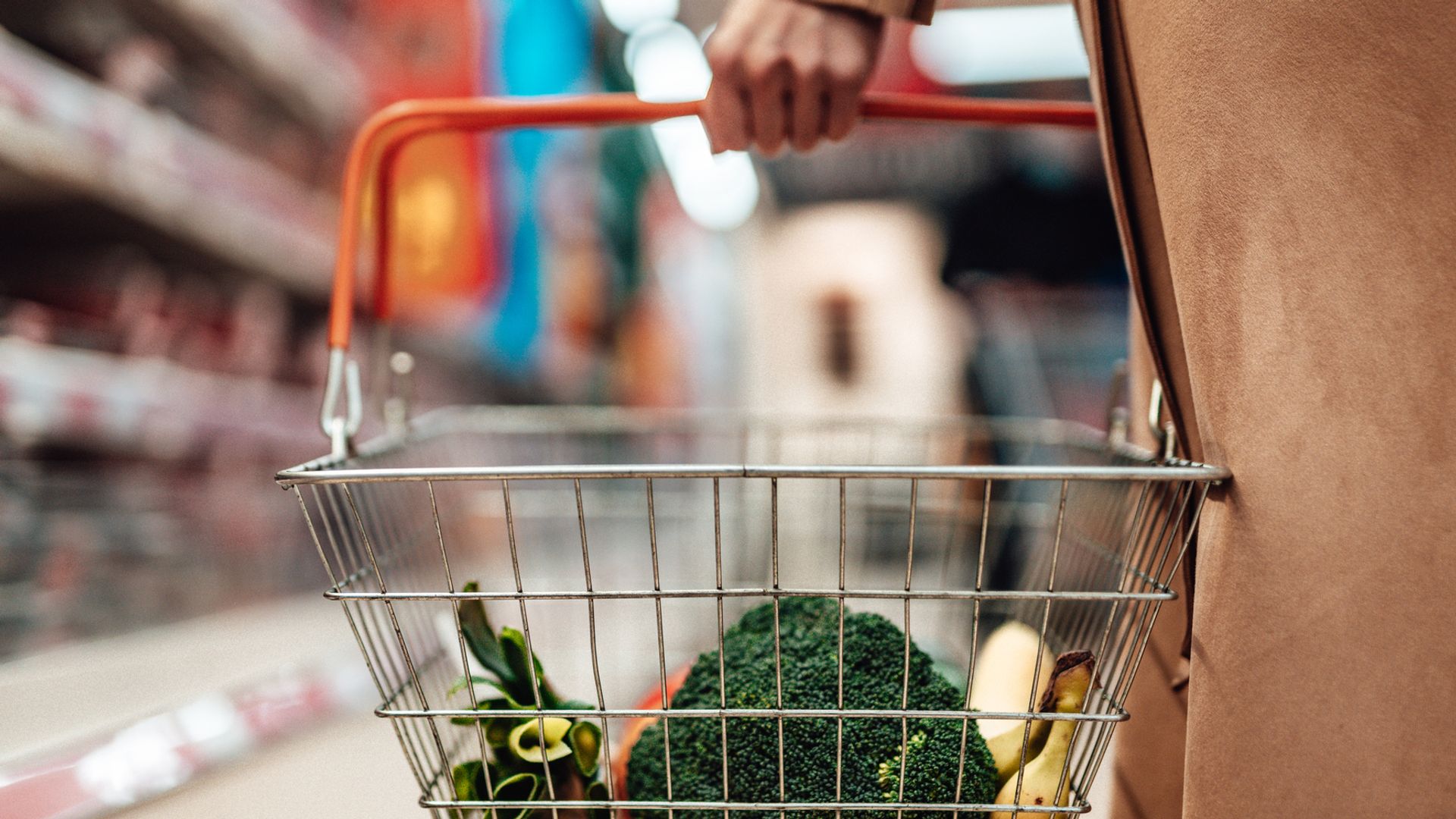

Love it or hate it, supermarket shopping is an essential activity in everyone's life. At least once a week, someone in every household will venture out to the cold aisles of their local food shop and go through the usual routine of stocking up the cupboards. But what if we told you there was a way to simplify this process and save on costs without compromising on quality?
The 5-4-3-2-1 hack is taking the internet by storm, as users share their experiences with the food shopping workaround. Encouraging others to try it out for themselves, thousands of videos document people filling up their trolley using the method.
Aside from ensuring you stick to a budget, fans of the hack are also claiming it can help you stick to your health goals by eliminating the unhealthy purchases that find their way into baskets at the last minute.
To debunk this trend, we asked leading nutritionist and Sunday Times bestselling author, Rhiannon Lambert, to outline the benefits of counting down from five while wandering the supermarket aisles.
What is the 5-4-3-2-1 hack?
Essentially, the hack is a smarter way to browse supermarket aisles so you don't make unnecessary purchases that stray away from your nutrition goals.
According to Rhiannon, the method is broken down as follows:
- 5 vegetables
- 4 fruits
- 3 proteins
- 2 grains/carbs
- 1 sweet treat
She explained: "The 5-4-3-2-1 shopping method is clearly gaining traction for a reason - it’s simple, visual and takes some of the overwhelm out of food shopping! From a nutrition perspective, I actually think it can be a helpful starting point, particularly for people who want a bit more structure without following a strict plan.
"What I like about this approach is that it prioritises fruits, vegetables and the core food groups that our bodies need, which many people struggle to include consistently. It also encourages balance and what you can add in, rather than focusing on restriction and cutting foods out, and even reiterates the importance of enjoyment by incorporating a sweet treat!"
 © Getty Images
Does it support balanced, nutritious eating?
While this viral trend appears to be the perfect solution to stress-free, healthy shopping, is it really? Or is it just another internet fad encouraging us to spend money in our favourite food chain?
"Broadly speaking, yes, but with a few caveats," was Rhiannon's answer to questions about the trend's nutritional value. She added: "This framework promotes variety across food groups and can absolutely help people build meals that feel more nourishing and satisfying.
"Where it’s important to add a bit of nuance is around variety within those categories. We know from research, such as that from the American Gut Project, that eating a wider diversity of plant foods and aiming for around 30 different plant types across the week is associated with a more diverse gut microbiome, which may be linked to several health benefits."
The expert suggested that while the method was a good starting point, it may not be enough to achieve an entirely balanced diet with the ingredients it promotes purchasing.
She highlighted: "Including wholegrains, pulses, nuts, seeds, herbs and spices, and even foods like dark chocolate, all contribute to your overall plant diversity. These foods provide different types of fibres and beneficial plant compounds that support our gut health and overall wellbeing.
"Small additions really do add up, and often it’s what we already have in our cupboards that helps us reach greater variety across the week, without increasing cost or the complexity of meals. So, the method works best when it’s seen as a foundation that can be built on, and not a hard rule!"
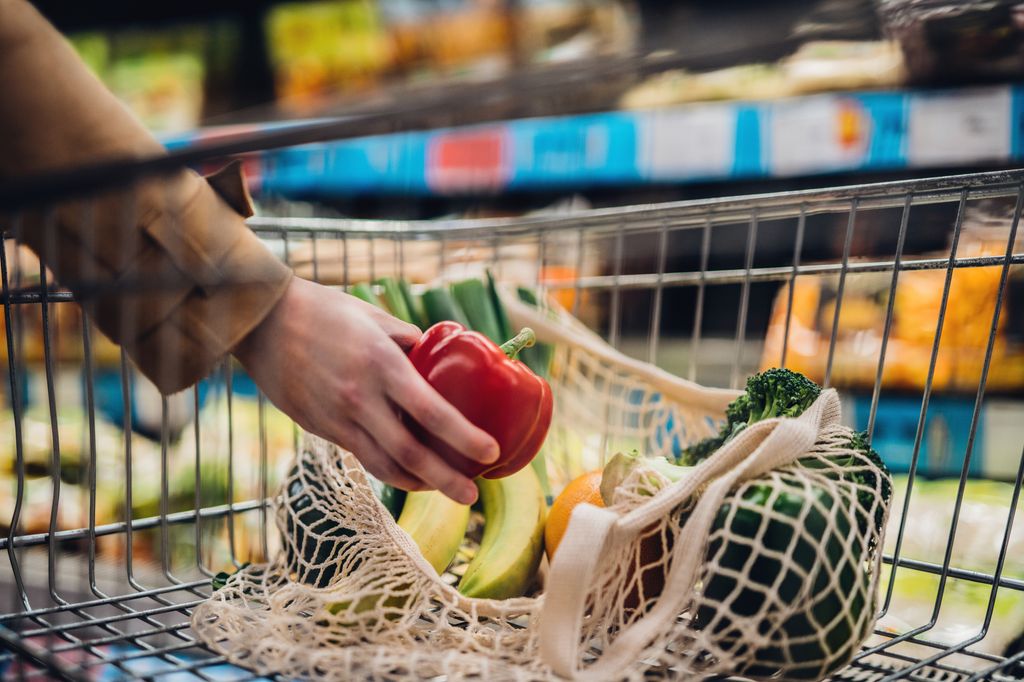 © Getty Images
How to maximise the 5-4-3-2-1 shop for nutrient density
In order to make the most of this new shopping tool, there is a certain formula to follow to ensure the right things are hitting the bottom of your trolley.
Rhiannon has split each number into sections and offered her advice on how to fill up your fridge according to the 5-4-3-2-1 method:
5 vegetables
Aim for a mix of colours, textures and plant families across the week, as different vegetables provide different fibres and phytonutrients:
- Leafy greens (e.g., spinach, kale, cavolo nero)
- Cruciferous vegetables (e.g., broccoli, cauliflower, cabbage, sprouts)
- Root vegetables (e.g., carrots, beetroot, parsnips, butternut squash, sweet potato)
- Onions, leeks, garlic, spring onions
- Frozen or tinned vegetables for convenience and affordability (e.g., frozen peas, sweetcorn, tinned tomatoes, beans)
4 fruits
Choosing a mix of fresh, frozen and longer-lasting fruits helps with both variety and cost:
- Berries (fresh or frozen for affordability and convenience)
- Citrus fruits (e.g., oranges, lemons, satsumas, grapefruit)
- Apples or pears
- Something a little different, such as kiwi, pomegranate, mango, plums (introducing just one "new" fruit a week increases plant diversity and keeps eating interesting)!
3 proteins
Protein variety matters not just for ensuring you are consuming the key amino acids that the body needs to rebuild and repair, but also for additional micronutrients and fibre (particularly from plant sources):
- Oily fish or eggs
- Beans, lentils or chickpeas
- Tofu, tempeh, yogurt or lean meat
2 grains or carbs
Whole grains help support steady energy levels and fibre intake. They provide slow-release carbohydrates that help keep you feeling fuller for longer, while also contributing to overall plant diversity and gut health. Try including:
- Oats, brown rice or whole-wheat pasta
- Sourdough, rye bread, quinoa
1 sweet treat
Including something you genuinely enjoy, whether that’s dark chocolate or a dessert, allows space for enjoyment, which supports a healthier relationship with eating and makes the overall approach far more sustainable.
 © Getty Images
Can it really cover five days of meals?
And finally, the ultimate question - can shopping in this way really ensure you come away with ingredients for five whole days of meals? In the expert's opinion, it really can!
She said: "It can, particularly if you’re cooking simple meals and using ingredients across multiple dishes. However, most people will still need staples at home, such as oils, herbs, spices, and sauces, but see this as an opportunity where you can really increase plant diversity without increasing the amount spent."
 © Adam Brazier
Rhiannon Lambert is a Registered Nutritionist, founder of Rhitrition, a three-time Sunday Times bestselling author and co-host of The Wellness Scoop podcast.