

Misinformation is one of the greatest dangers of the Internet age, especially when it comes to health, but, fortunately, many widespread wellness myths are easy to debunk.
Many incredibly common misconceptions to do with skincare and beauty revolve around the sun, sunscreen, and the right ways to protect yourself from the sun.
Former TOWIE star Sam Faiers recently shared a "controversial" confession that none of her family members, including her children, use sunscreen, claiming that "the kids have built up a really good tolerance to being in the sun" and that most sunscreens are "full of toxic ingredients".
This post prompted a response from Dr Nora Jaafar, dermatologist and aesthetics doctor, who shared her thoughts on the matter: "I understand that Sam Faiers' recent Instagram story was shared with good intentions, but it's important to address some of the claims from a medical and dermatological perspective."
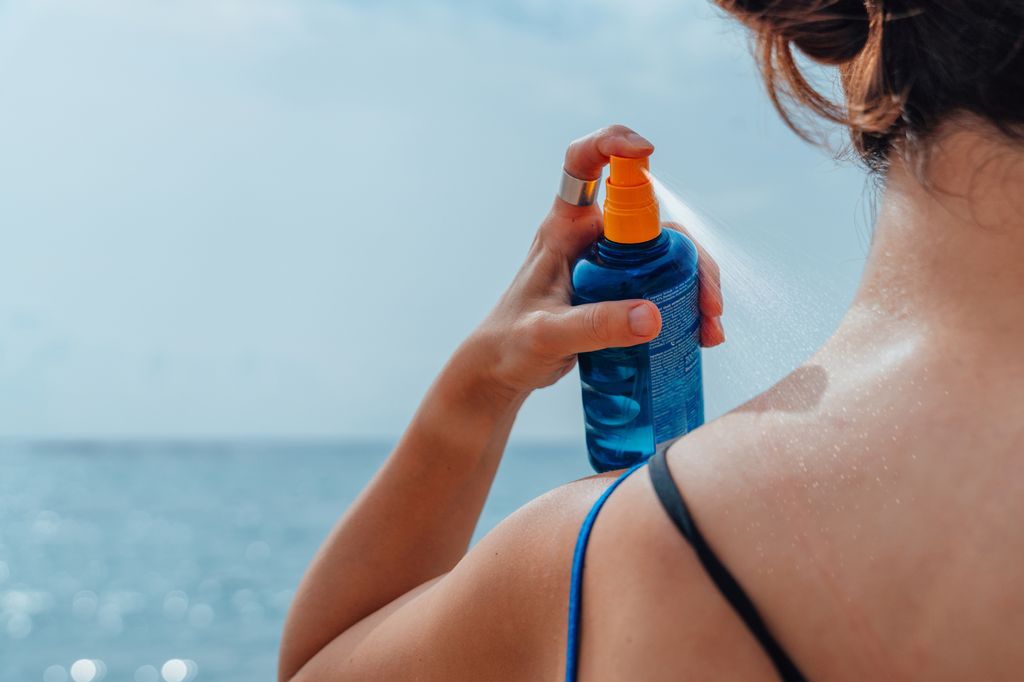
Dr Nora pointed out that children cannot in fact 'build a tolerance' to the sun: "UV radiation causes cumulative DNA damage, even without visible sunburn," which "increases the lifetime risk of skin cancer and accelerates premature ageing."
 © Getty Images
Particularly with children, it's even more important to protect the skin properly, according to the dermatologist: "Children's skin is much thinner and more vulnerable to sun damage, so protection is especially critical in early life."
Dr Nora noted that promoting shade, protective clothing and avoiding peak UK hours is a good thing; these should be considered as an addition to, not a replacement for, sunscreen.
Sunscreens are not full of toxic ingredients
The aesthetics doctor called the concern about sunscreens being "full of toxic ingredients" a symptom of growing misinformation online, stating that: "In truth, sunscreens sold in the UK and EU are tightly regulated and undergo rigorous safety assessments."
 © Getty Images
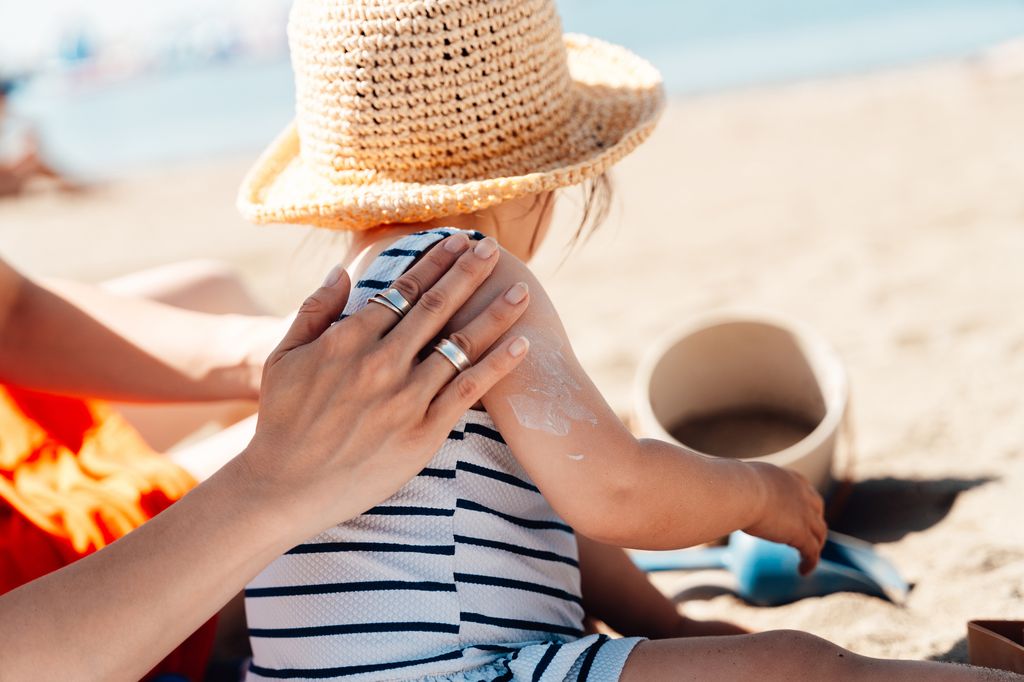
For those who want to stick to 'simpler' or 'more natural' products, Dr Nora recommends mineral-based sunscreens, which contain zinc oxide or titanium dioxide, which sit on the surface of the skin and physically block UV rays, but are not absorbed.
Generally, she recommends mineral SPF options that are fragrance-free and suitable for sensitive and eczema-prone skin for children.
 © Getty Images
The dermatologist concluded that, while she respects personal choices, influencers should be cautious when it comes to discussing medical information.
"Skin cancer is one of the most preventable forms of cancer," she reasoned, "and sunscreen plays a crucial role in long-term skin health – especially for our children."
See the 30-second hack from Dr Becky Good, parenting expert, that is bound to make you rethink how you set boundaries with your children...