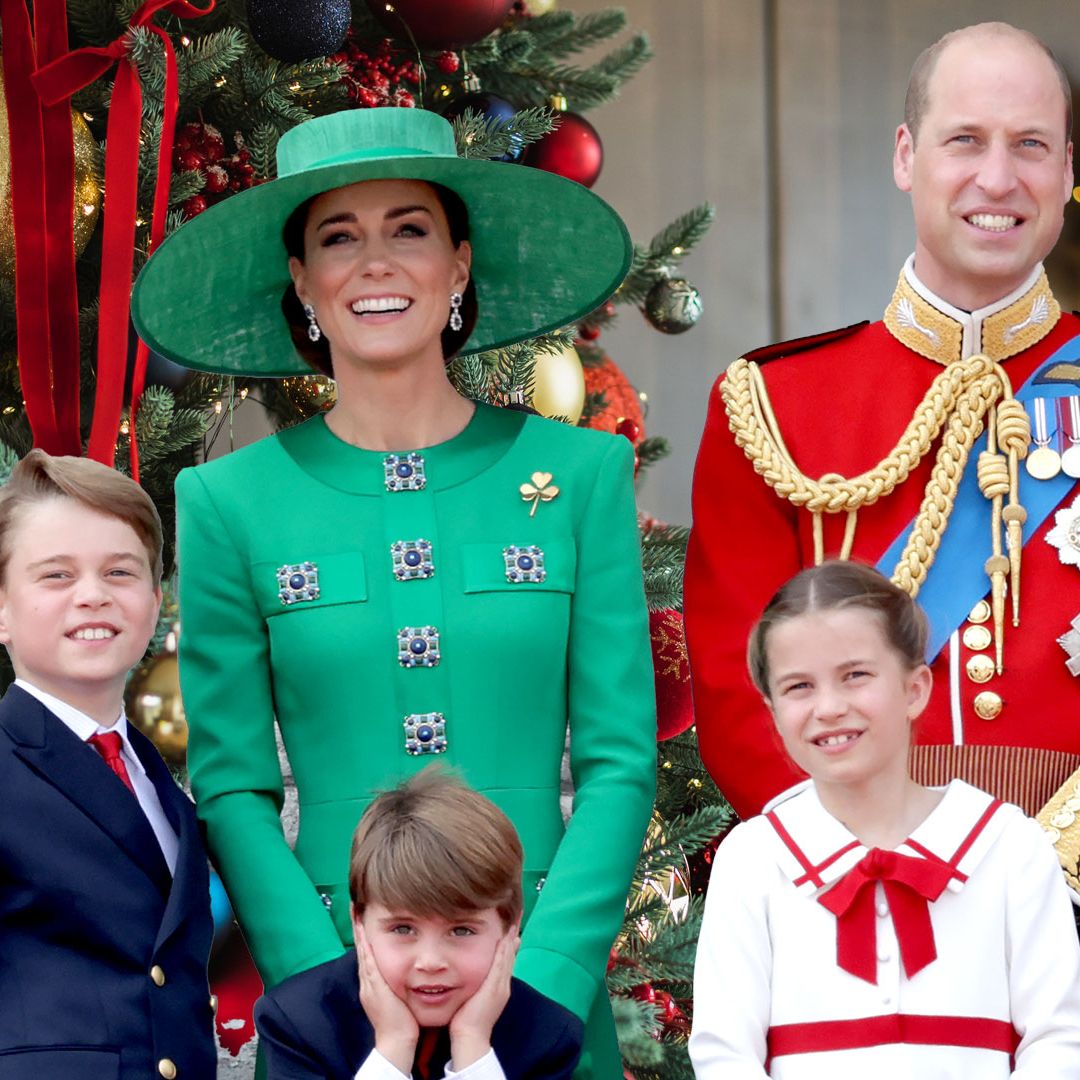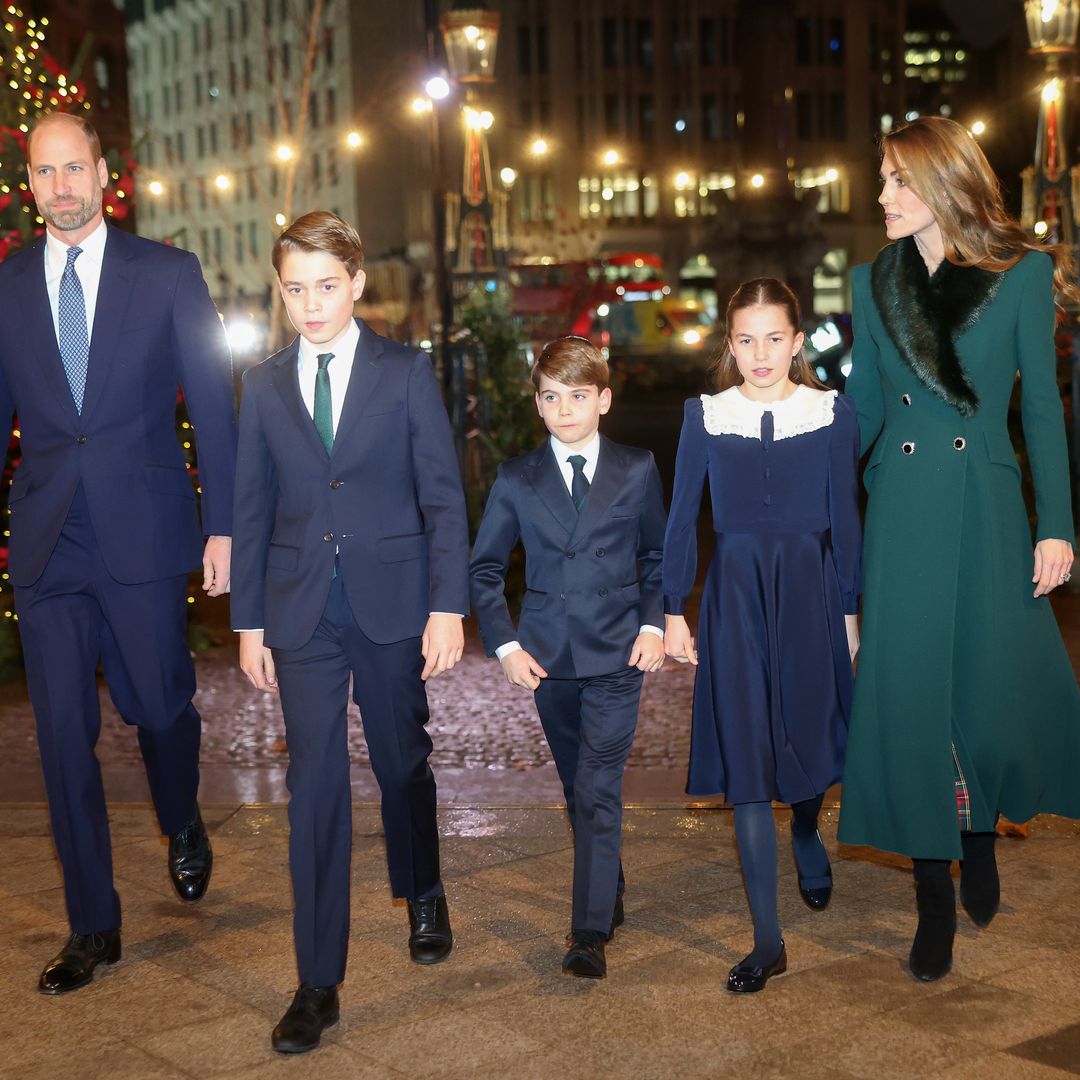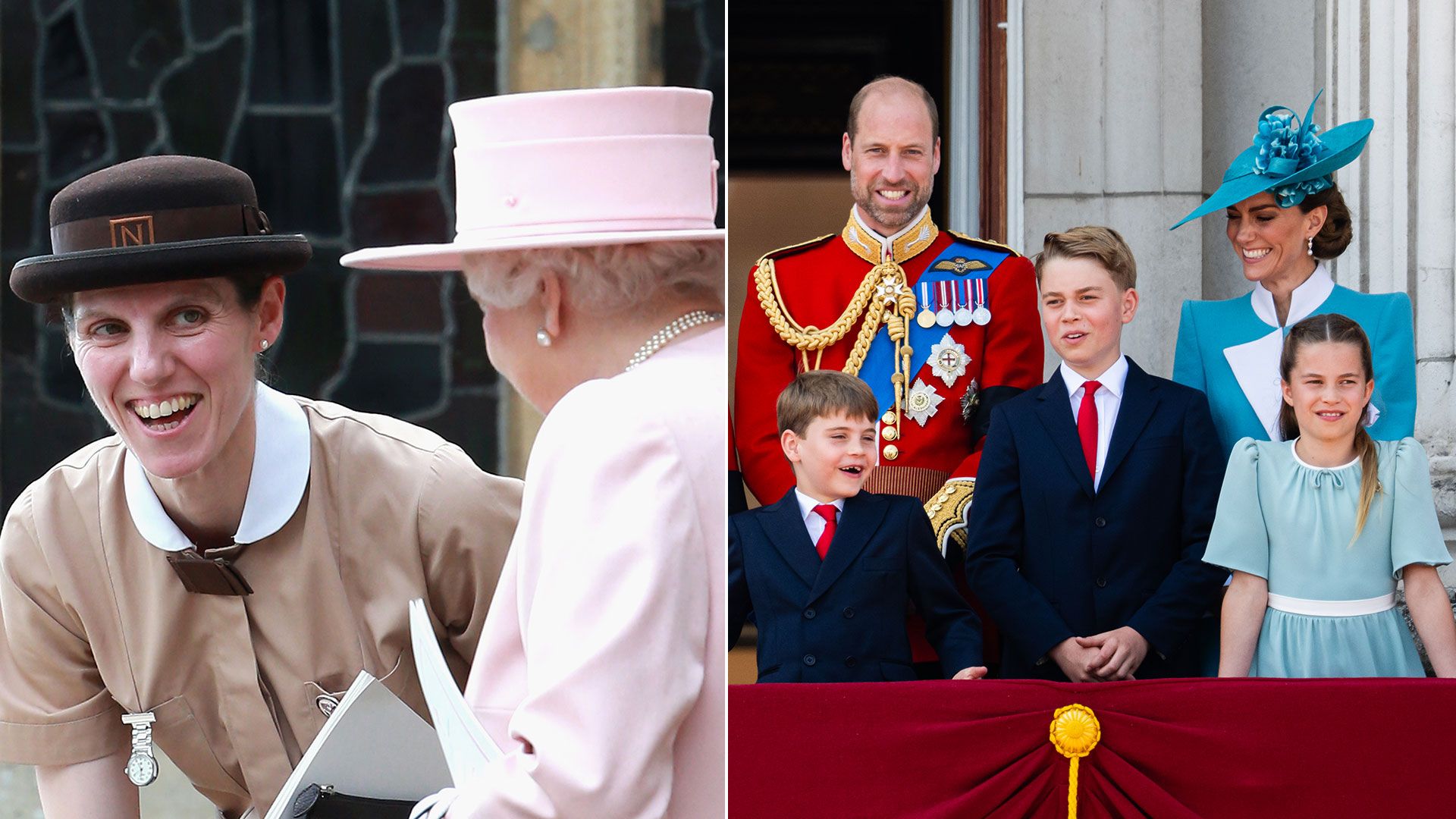

The Prince and Princess of Wales' nanny, Maria Teresa Turrion Borrallo, has been a valued member of their staff for over 10 years and was recognised for her work in the New Year Honours list with a Royal Victorian Medal (Silver). The Spanish native childcare professional, who has worked with William and Kate since 2014, after Prince George's birth in 2013, has a number of duties, from caring for the children when their parents are on overseas royal trips to preparing nutritious meals for them.
There are certain rules around food and eating that Maria would have been taught about while studying at the prestigious Norland College in Bath. The institution is the world's oldest for childcare and is famous for its hands-on education for professional nannies like Maria.
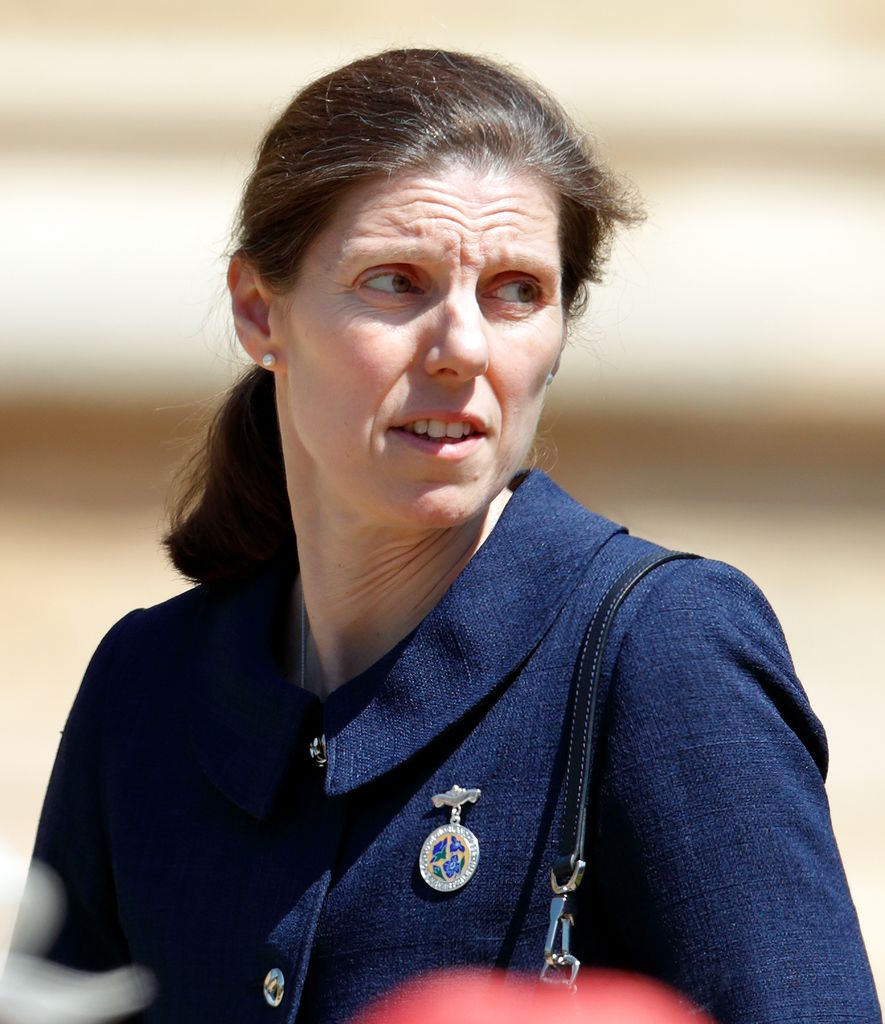 © Getty Images
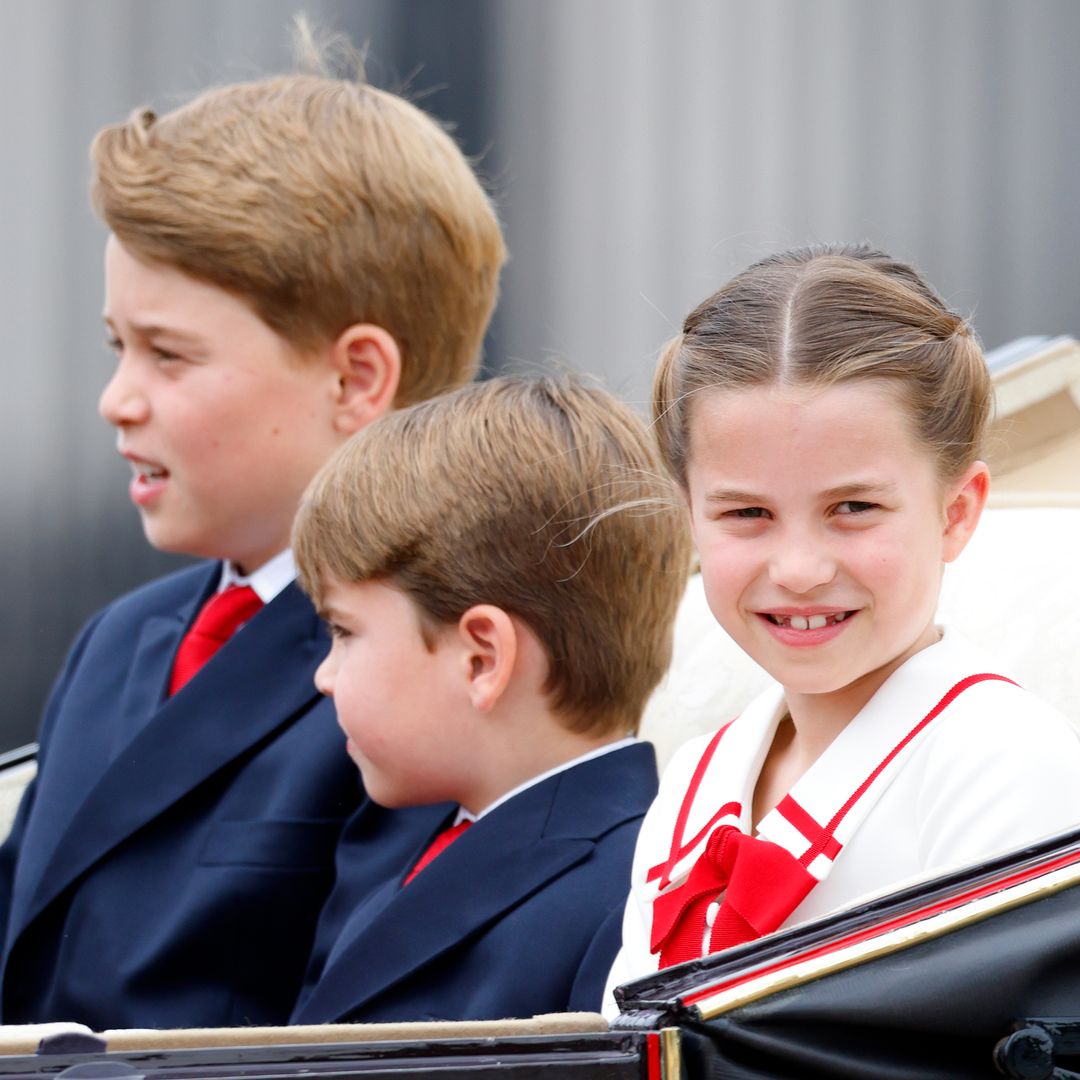
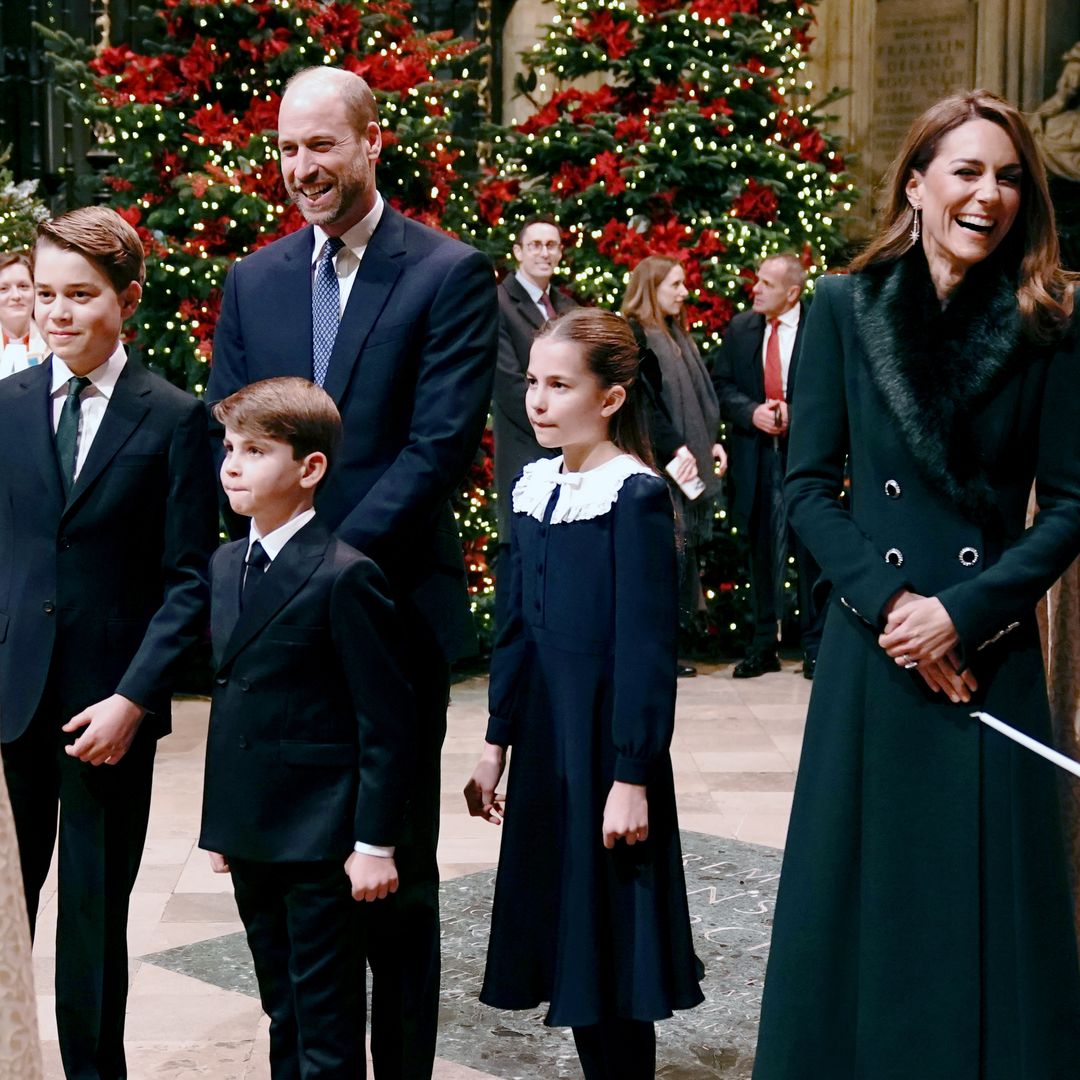
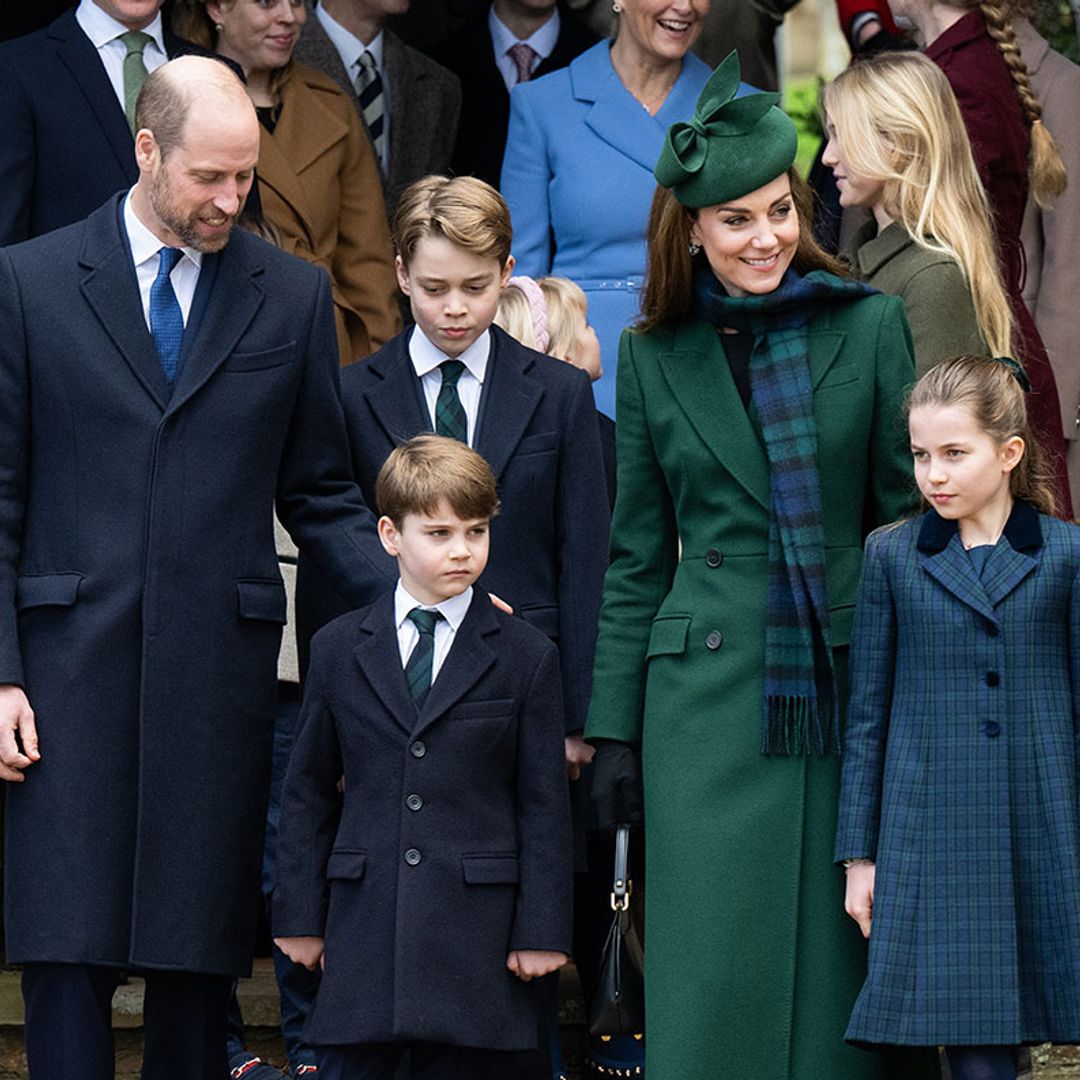
In 2020, Norland nanny Louenna Hood gave HELLO! a rundown of the food rules she has picked up – and there's every likelihood that Maria approaches feeding Prince George, 12, Princess Charlotte, 10, and Prince Louis, seven, in this way so they don't develop into what many call 'fussy eaters'.
William and Kate already follow these rules themselves, for example, we know that Kate cooks pizza and pasta with the kids and has previously revealed that George and Charlotte love getting their hands messy making homemade pizza dough - a classic Norland technique to demystify food.
How do Norland nannies' food rules help the royal children?
It's a Norland nanny's rule around eating together that Dr Sasha Hall, a HCPC-registered senior education and child psychologist, sees as particularly beneficial. "Children learn through observation. Eating together as a family provides positive role modelling and reduces pressure on the child," she tells us. "When adults eat separately or focus all their attention on watching a child eat, this can unintentionally increase anxiety and reduce enjoyment."
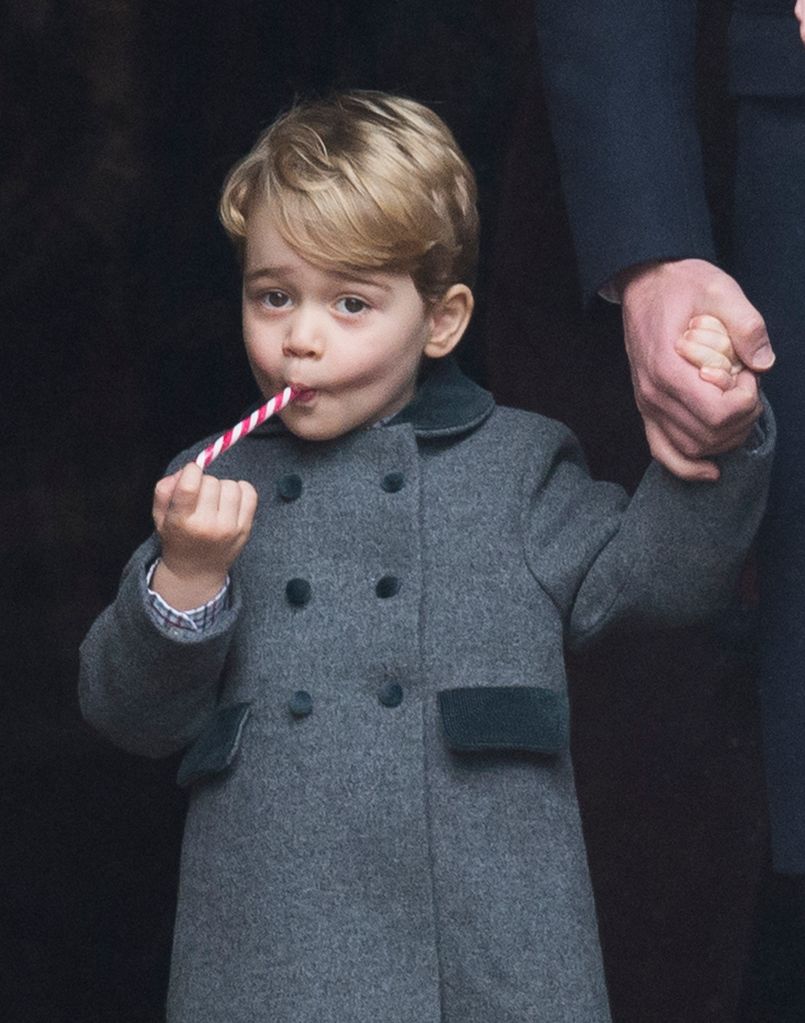 © Getty
She also adds that children (like George, Charlotte, and Louis) can benefit from the rule around trying a new food in a managed way. "Children are more motivated when they feel a sense of control. Providing structured choices, such as one bite or five bites, encourages participation without creating power struggles," the child psychologist explains. "The key is that eating is framed as a choice, not a test."
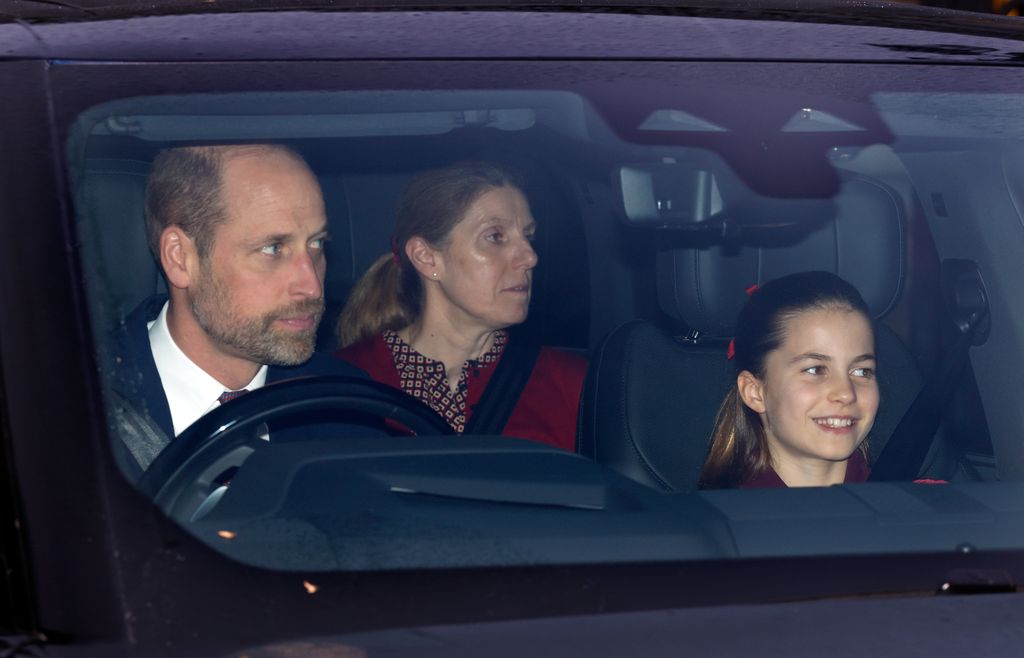 © Getty Images
A calm approach will have been part of Maria's training prior to being taken on by William and Kate, which Dr Sasha says is key. "Pressure, bribery or visible frustration can heighten anxiety and reduce appetite," she tells us, "A calm, consistent adult response helps children feel safe and supported, even when they eat very little."
Banning the term 'fussy eater'
Most importantly, Dr Sasha says using the term "fussy eater" around a child is a big no-no – something Norland nannies are taught about.
 © Getty
In 2021, Norland's head of students said: "As an adult, it is important to always use positive language surrounding food in front of children. By saying that you don't like a particular food in earshot of your little ones, you risk them absorbing that information and also taking on that behaviour."
Dr Sasha explains further: "Labels shape identity. When a child repeatedly hears themselves described as a fussy eater, this can become internalised and influence how they approach food, mealtimes and even their sense of competence.
"This creates a risk of a self-fulfilling prophecy, where negative expectations lead to anxious or avoidant eating behaviours," the expert continues. "Rather than labelling the child, it is more helpful to view eating preferences as part of typical development and as something that can change over time with positive experiences."