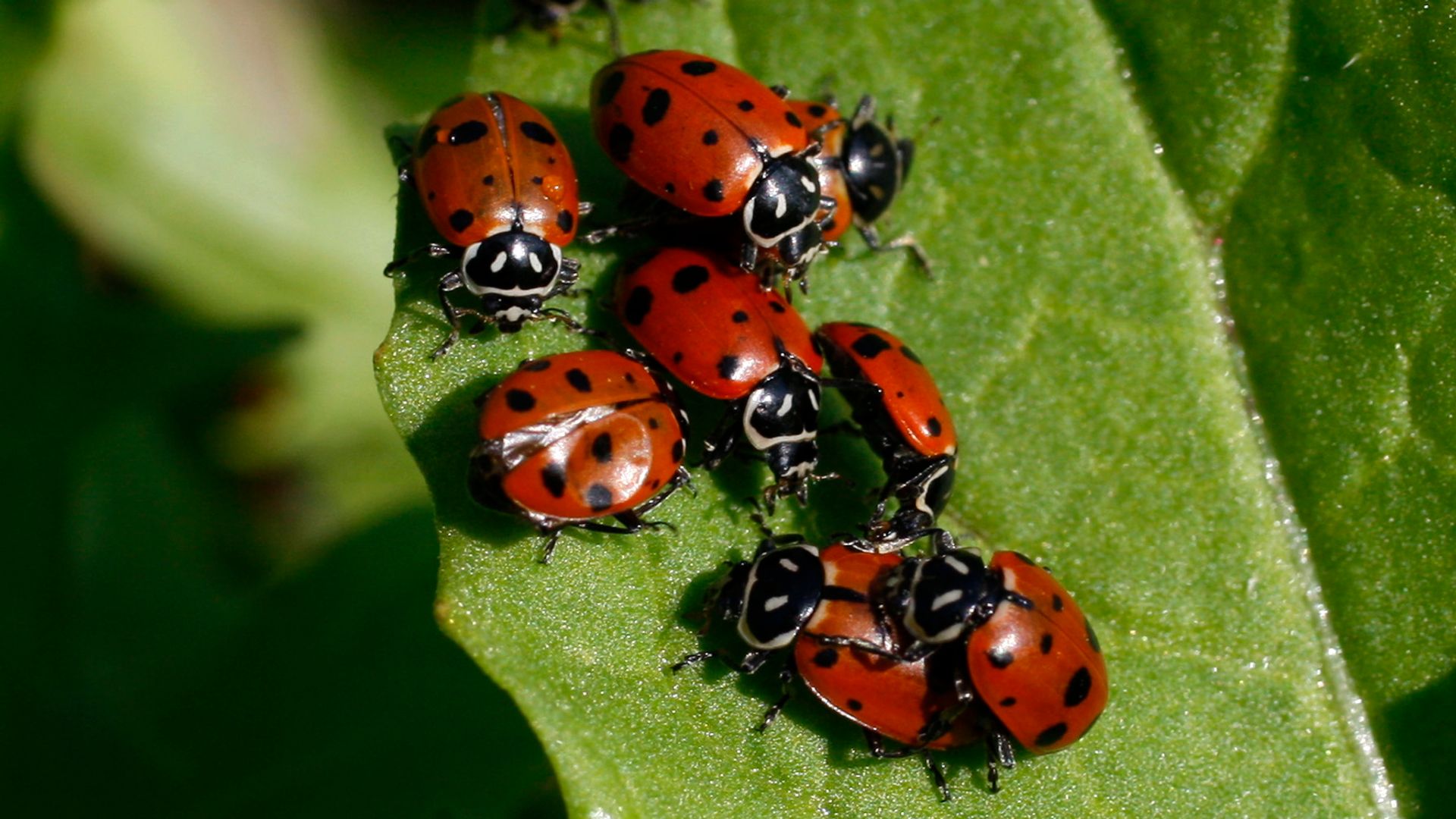

If you've only just managed to handle the end-of-summer fruit fly infestation, you might be in for a bit of a shock when the ladybird clusters of early autumn start to make their way into your windows. Pretty as the little insects are, they can be quite a nuisance, and, though they aren't explicitly harmful, like many pests, ladybirds in large clusters can really leave their mark on a house, your plants, on your walls, wallpaper and woodwork, which can be especially irritating if you like your pristine white walls, like me.
However, there are many reasons why ladybirds are everywhere in early autumn, and they can actually be very easy to handle in a humane way, without causing any real harm. Even better, there are also ways in which you can actually prevent infestations in the future. Scroll down to find out everything about handling ladybirds…
Why are there more ladybirds at the moment?
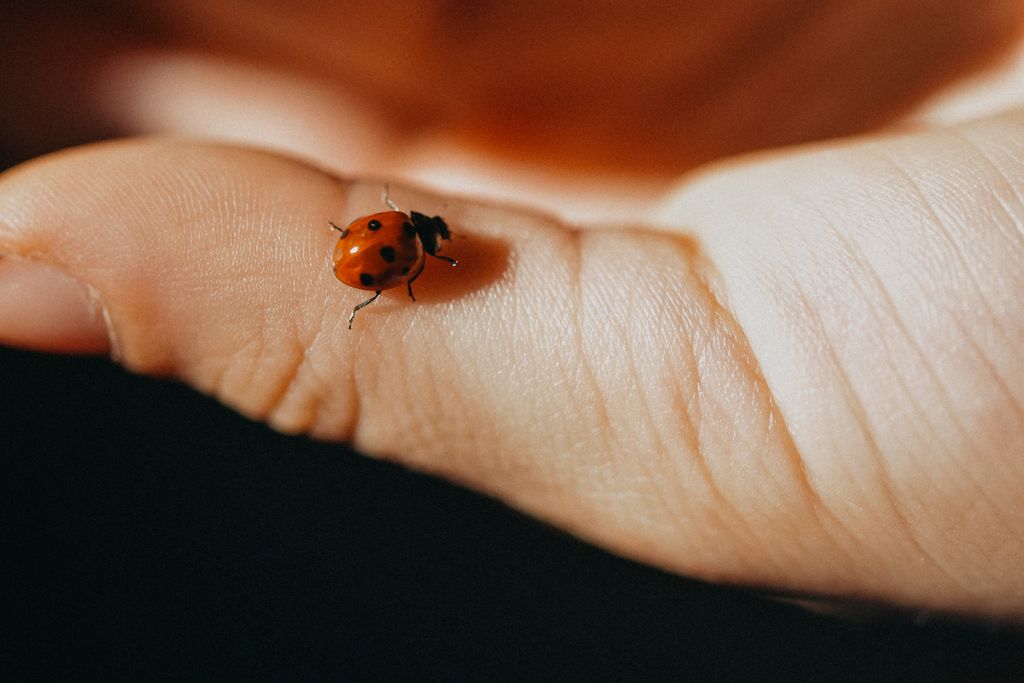
According to Sophie Thorogood, an entomologist who is a member of the British Pest Control Association and currently works as the technical training manager at Pest-Stop, the number of ladybirds has been especially high this autumn because of the conditions earlier in the year. "This summer's warm weather has created ideal conditions for insects to thrive," she explains.
 © Getty Images
Though all insect numbers have increased, there's a specific reason why ladybirds especially seem to be all over. The pest control expert adds: "The higher temperatures have boosted populations of all insects, including aphids – one of the ladybird's main food sources. With plenty to eat, ladybird numbers have naturally risen too."
What is a swarm of ladybirds called?
Rather ironically, the official collective noun for a cluster or group of ladybirds is actually called a 'loveliness'. If you're not a fan of the little creatures, then they're also referred to as 'aggregations' of ladybirds in more scientific contexts.
What happens to ladybirds in autumn – do they go inside?
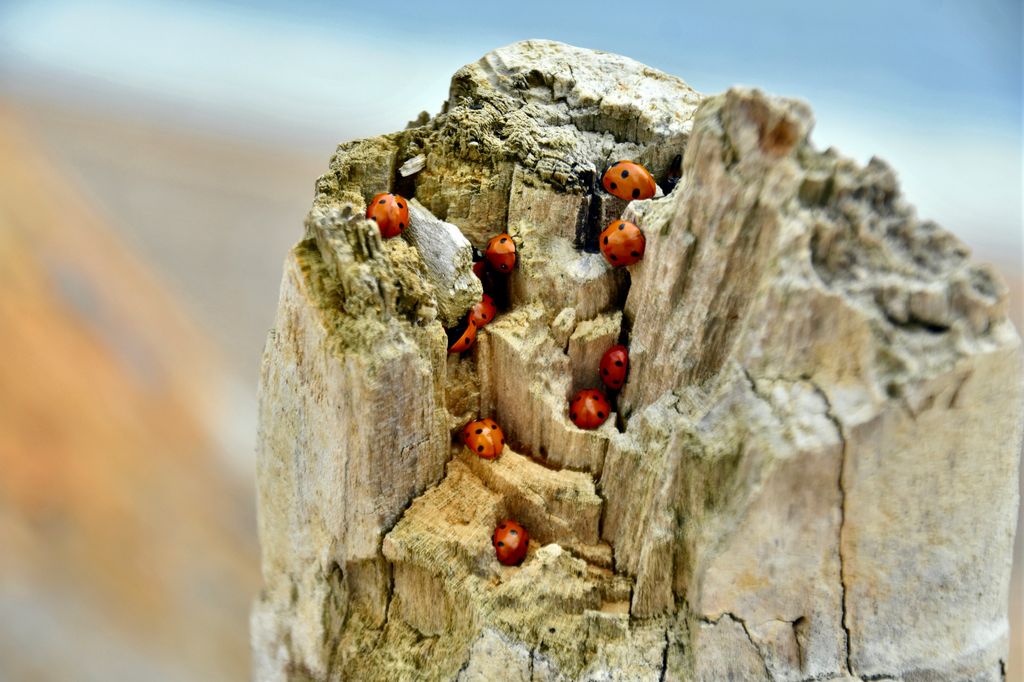
According to Sophie, ladybirds "look for warm, sheltered places to protect themselves from cold, wet conditions and a lack of food" in the autumn, to prepare to survive the harsh winter, which they spend in a resting state called diapause, which the expert compares to hibernation.
 © Getty Images
The entomologist adds: "In the wild, these might be gaps in tree bark, old logs or under rocks, but, increasingly, they find refuge in manmade structures such as homes, sheds and outbuildings, which offer dry, protected spaces."
What is the difference between native and harlequin ladybirds?
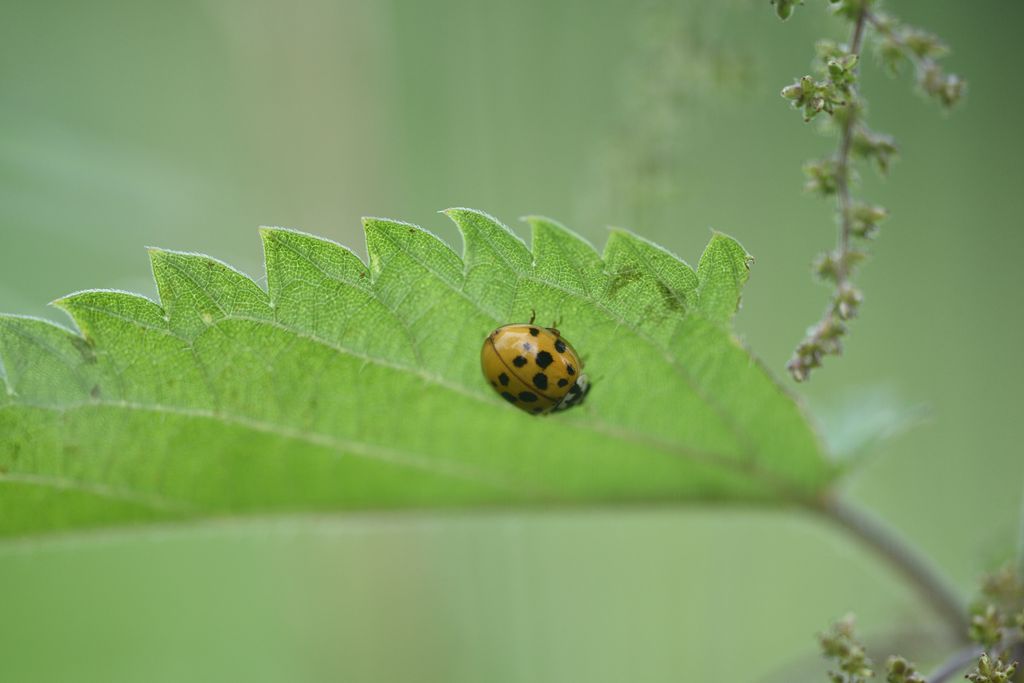
You might have noticed that the ladybirds all over your plants, and now your furniture, look quite different – that's actually because there are multiple species of ladybird in the UK. Sophie explains: "The harlequin ladybird is a non-native species introduced to the UK around 2003. Unlike native ladybirds, harlequins don't have a consistent pattern – they can range from red, orange or black with anywhere from no spots to 21 spots."
Harlequins most frequently are black, with between two and four red spots, or red with around 18 spots, according to the entomologist. "They also tend to have orange-brown legs and sometimes display a distinctive M-shaped marking on the pronotum, the area behind their head."
Are ladybirds harmful or helpful?
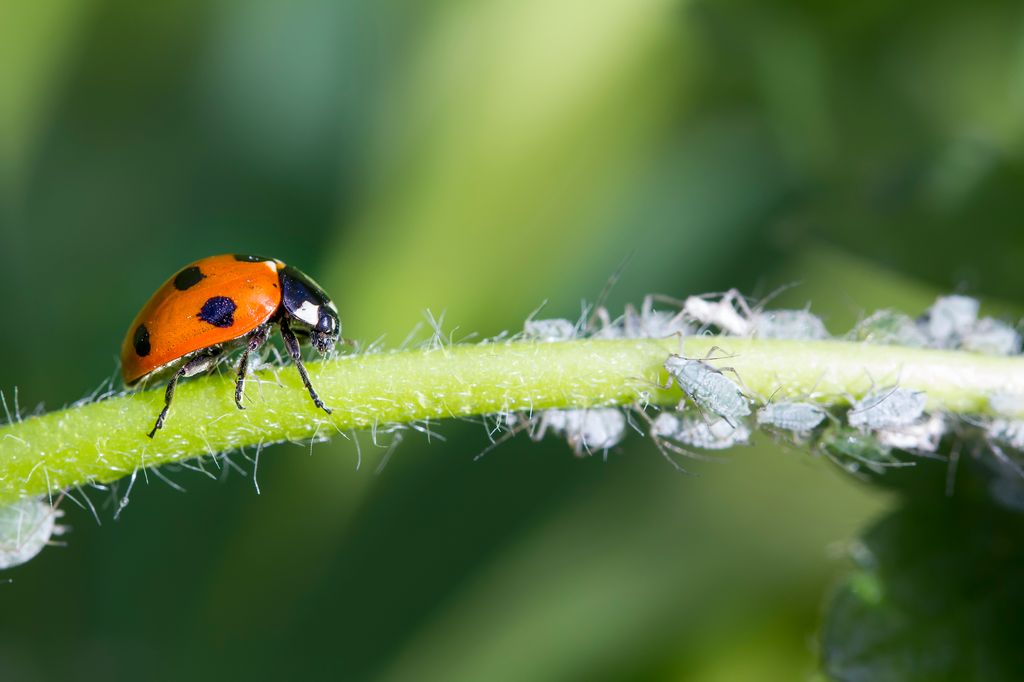
In the garden, ladybirds can be very helpful, she explains: "They're natural predators of pests such as aphids, which feed on plant sap and can cause mould growth and plant damage." Sophie calls them a "gardener's ally" – so no need to worry when you spot them on your outdoor plants!
 © Getty Images
However, when they start to make their way inside, it's a different story, especially with harlequin ladybirds, which often come together in larger clusters. According to the entomologist, they can cause some problems, as their secretions leave marks on walls, wallpaper and woodwork, though they aren't explicitly harmful to humans or pets.
How do we manage a ladybird 'invasion' humanely?
Fortunately, as the insects aren't harmful to humans, they're actually very easy to handle. Sophie advises "gently relocating them", suggesting: "You can pick them up carefully or use a small piece of paper for them to climb onto before placing them outdoors." If you're a bit wary of insects and don't fancy touching them, a spider vacuum is an alternative that equally doesn't harm the ladybirds.
 © Getty Images
When do ladybirds become a problem, and when should we leave them be?
Some people have a better insect tolerance than others, and that's the key when it comes to ladybirds being a 'problem'. Until they're multiplying massively, there isn't much of a reason to get rid of them, unless you have a particularly strong desire too. However, if there are a lot of them, it's good to get rid of them now so they don't come out again after their diapause, in spring.
What are some expert tips for preventing ladybird clusters next year?
The best way to prevent them from coming in the future is to get them out of your house as soon as you can, as they're likely to come back out again once the temperatures rise. "You're most likely to find them around windows and door frames, especially on bright, sunny days," Sophie says.
 © Getty Images
She suggests: "Seal small gaps around windows and doors to block their entry points. While ladybirds are tiny and can be difficult to completely exclude, taking time to close off cracks and crevices will help reduce numbers. You can also use insect traps on windows to help lower indoor populations and discourage hibernation inside your home."


