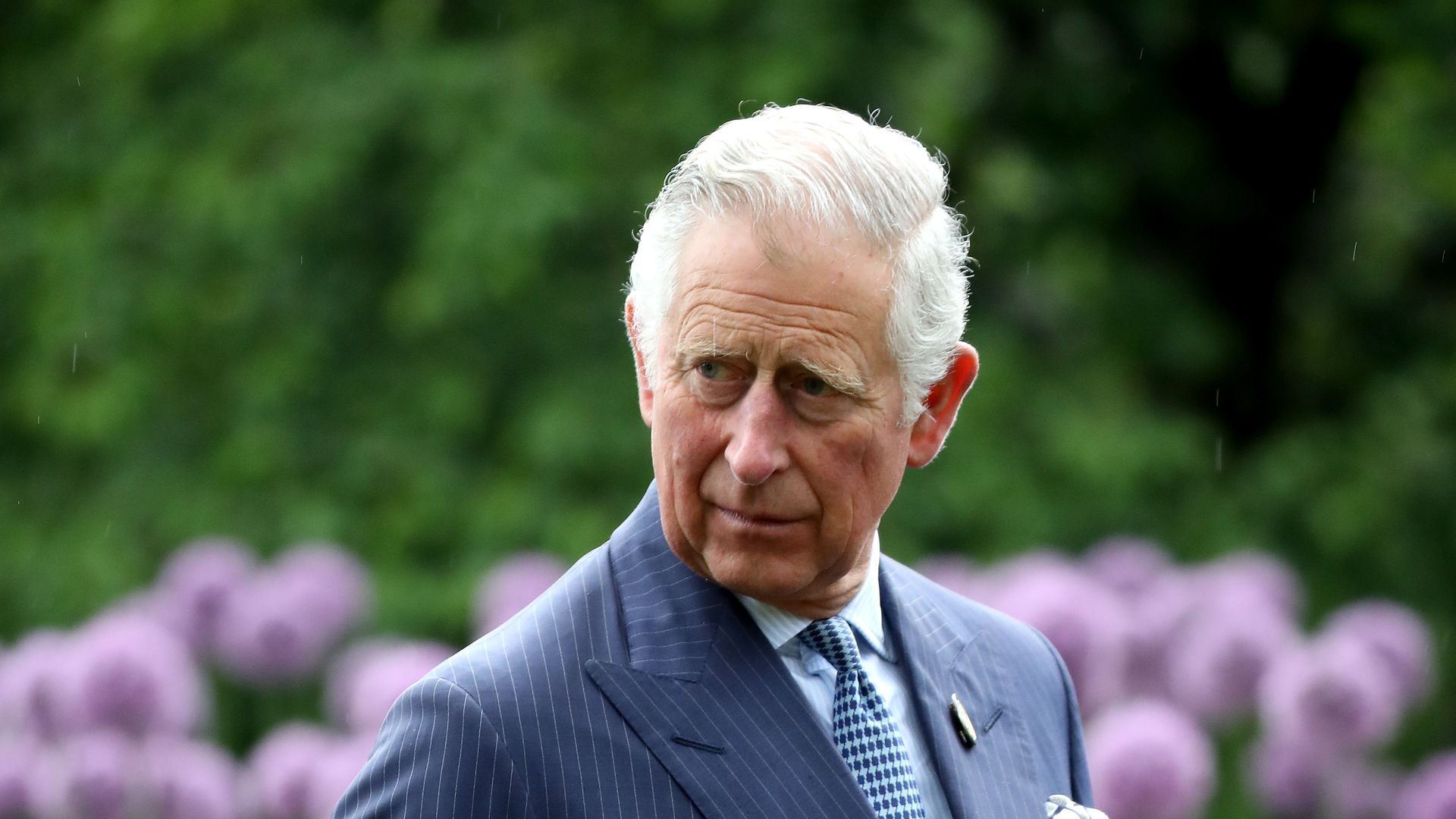
When not heading out to royal engagements from his London abode, Clarence House, or enjoying some respite from public view at Highgrove in the Cotswolds, King Charles is never happier than when tending to the gardens at Sandringham. Though you might not find the monarch there on a daily basis (the gardens are open to the public, after all), the King has been instrumental in resurrecting the gardens since he took over the running of the 21,000-acre estate in 2017. Members of the public can see his handiwork for themselves from April to October, from 10 am to 5 pm, though the Royal Parkland is open year-round.
The many gardens at Sandringham in Norfolk are nothing short of a haven, but it's not all about aesthetics to Charles. There is also an area that takes inspiration from his childhood. The Topiary garden was inspired by one of his earliest childhood memories, the topiary yews which Queen Alexandra planted in the ornamental garden of Sandringham's Dairy Cottage.
A nostalgic garden
In a 2019 interview with The Telegraph, the King revealed the personal significance of the garden created by the late wife of King Edward VII, who died in 1925. "I remember as a child at Sandringham, there was the most wonderful topiary garden Queen Alexandra, my great-great-grandmother, had established at the old dairy building. I can still remember being taken as a child, being wheeled in my pram even, and it was so special, these clipped animal shapes, peacocks, birds," he recalled. "I’ve never forgotten it. I would say it had a profound influence on me."
Fond childhood memories
The mazes at Sandringham are also nostalgic for the father of Prince William and Prince Harry. "There was an old yew maze at Sandringham and my sister [Princess Anne] and I adored running round and playing in it," he revealed in 2019. In 2024, he restored a maze on the estate, which took inspiration from formal geometry and cosmological symbolism. Together with the Topiary garden, the maze explores the connection between the square and the circle, representing heaven and earth and man's journey between the two.
Charles' resurrection of the Sandringham gardens
Charles has somewhat brought the gardens at Sandringham back to life. Though they were a thing of beauty at the start of the 20th century, they were abandoned 50 years later, giving Charles an almighty task of reviving the space. Sustainability was at the heart of Charles' overhaul when he took over the estate management in 2017, replacing its agriculture with organic processes and adopting agroforestry, a type of land management that integrates trees and shrubs into crop and animal farming systems.
The Sandringham website states: "The Sandringham Farms Department manages 2,400 hectares 'in-hand' to grow crops, including modern and traditional wheat, barley, beans, and oat varieties, plus a range of heritage grains. A 2,000-strong flock of Aberfield sheep and Beef Shorthorn cattle also produces organic, 100 per cent grass-fed meat. Tenant farmers on the rest of the farmland produce organic potatoes, onions, pork, and poultry."
Greenfingered royal
According to a new report in Country Life magazine, in 2022, when he was crowned, Charles turned his attention to Sandringham's 60 acres of 'pleasure gardens', creating the aforementioned Maze and Topiary Gardens, but also the Sundial Garden. Charles took the opportunity to give the outdoor space at the estate a serious glow-up, and it's no surprise, given the longstanding nature of his passion for gardening.
"The King has always been green-fingered from a young age, with Charles and his younger sister, Princess Anne, having the responsibility of growing their own vegetable patch in the grounds of Buckingham Palace," Danielle Stacey, HELLO!'s Online Royal Correspondent, tells us. "It's no surprise that the King was keen to restore the grounds of Highgrove House when he purchased the Gloucester property in 1980, and this is something he has implemented sustainably across all his royal residences. As well as foraging on his royal estates, the monarch has a love for hedge laying and has previously shown off his handiwork on the Sandringham estate."