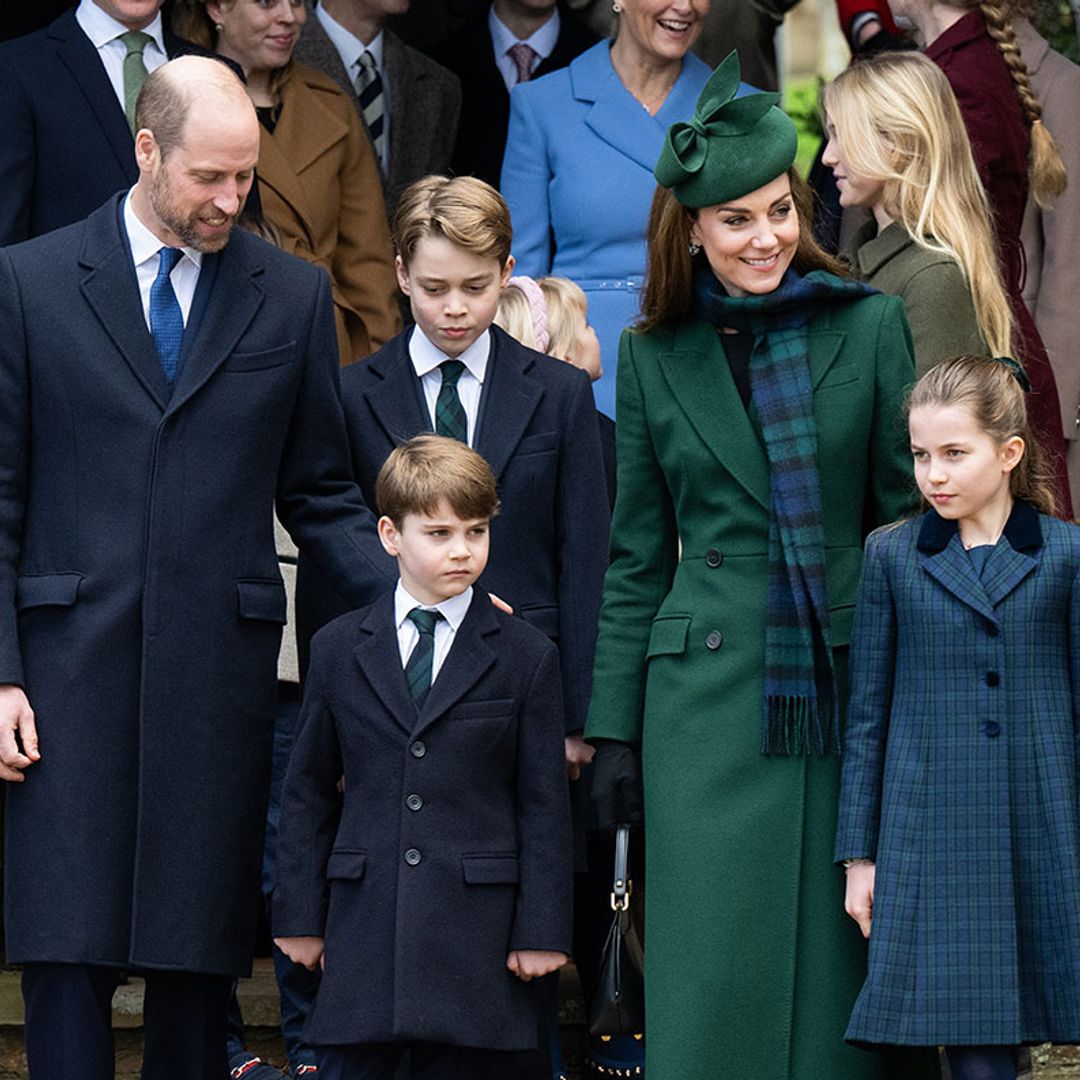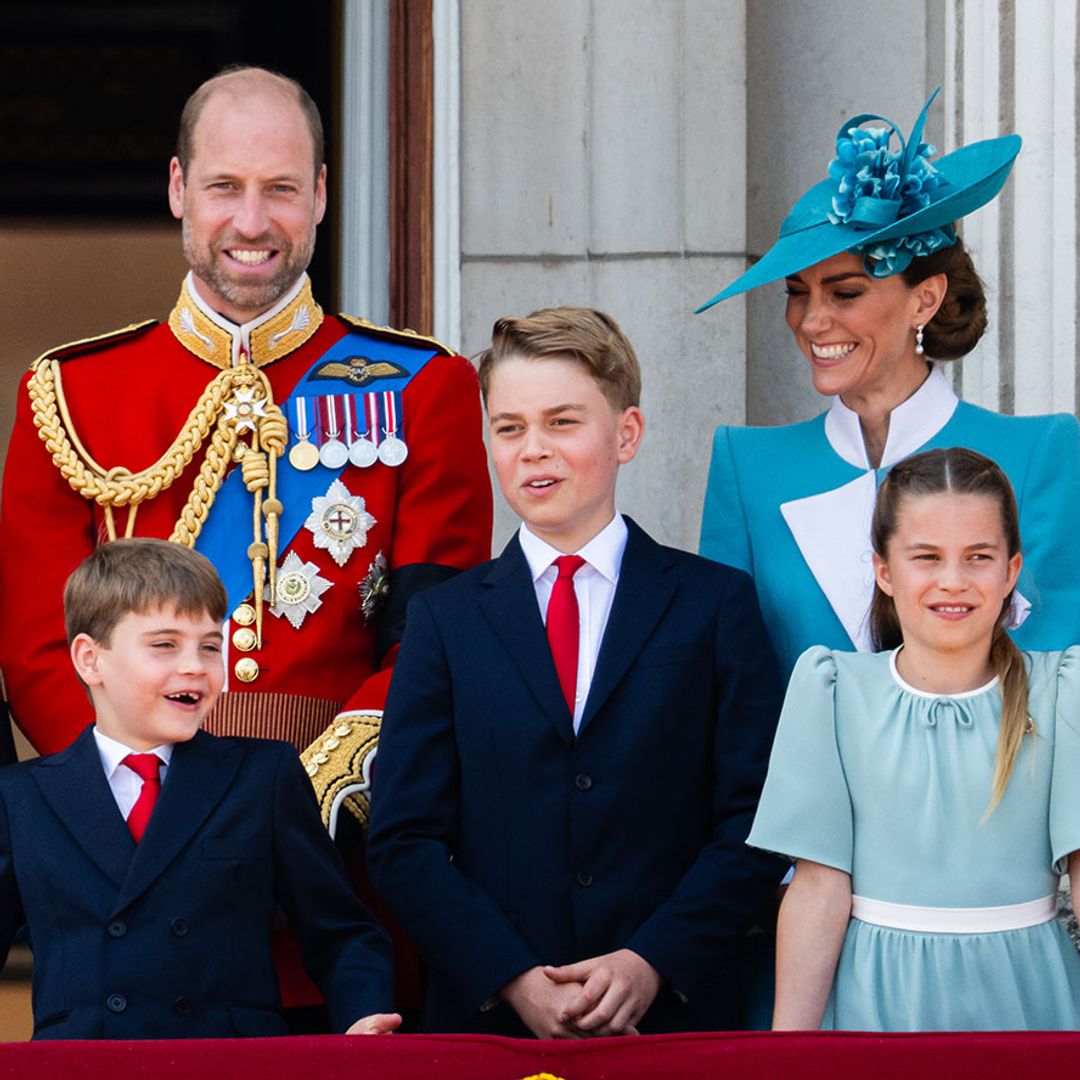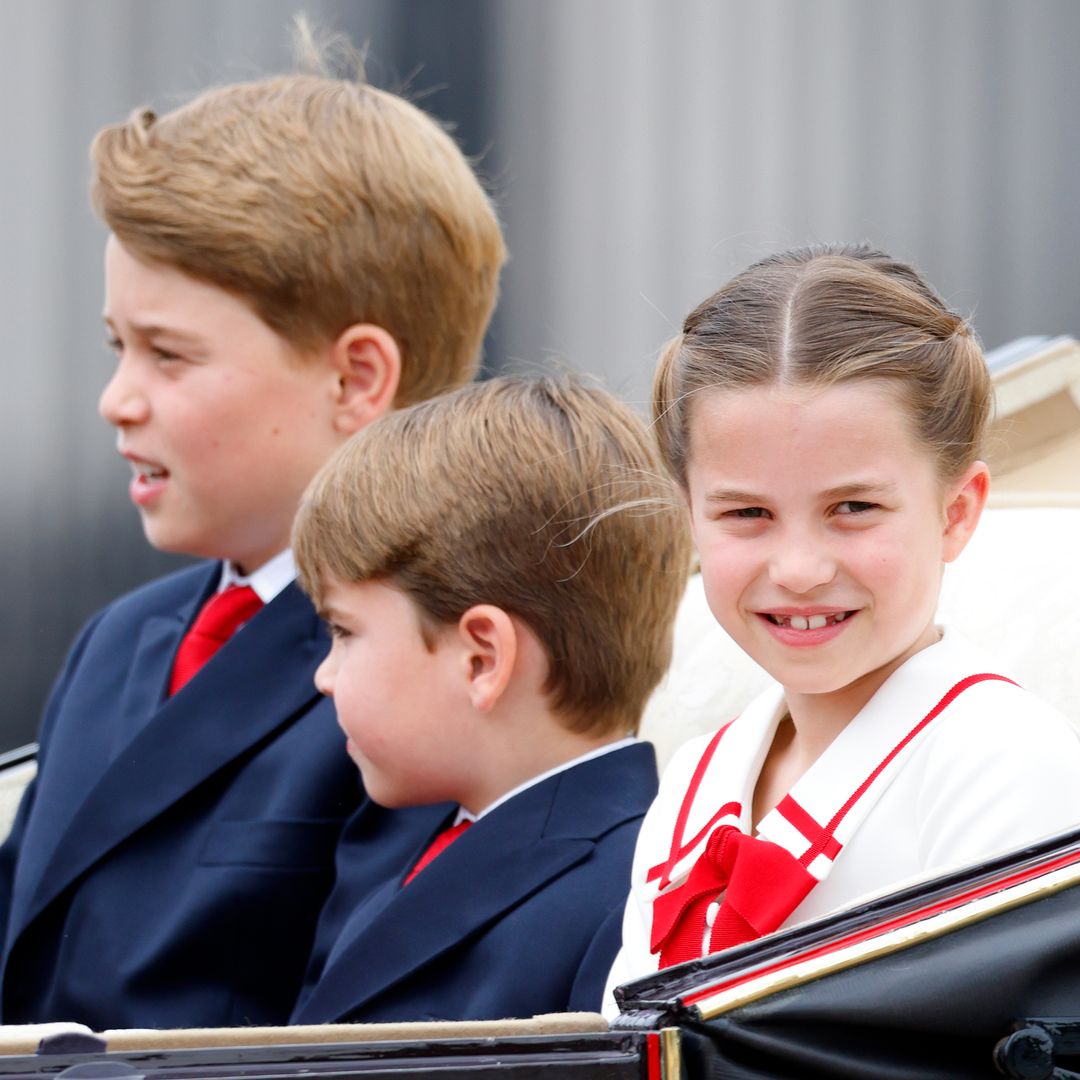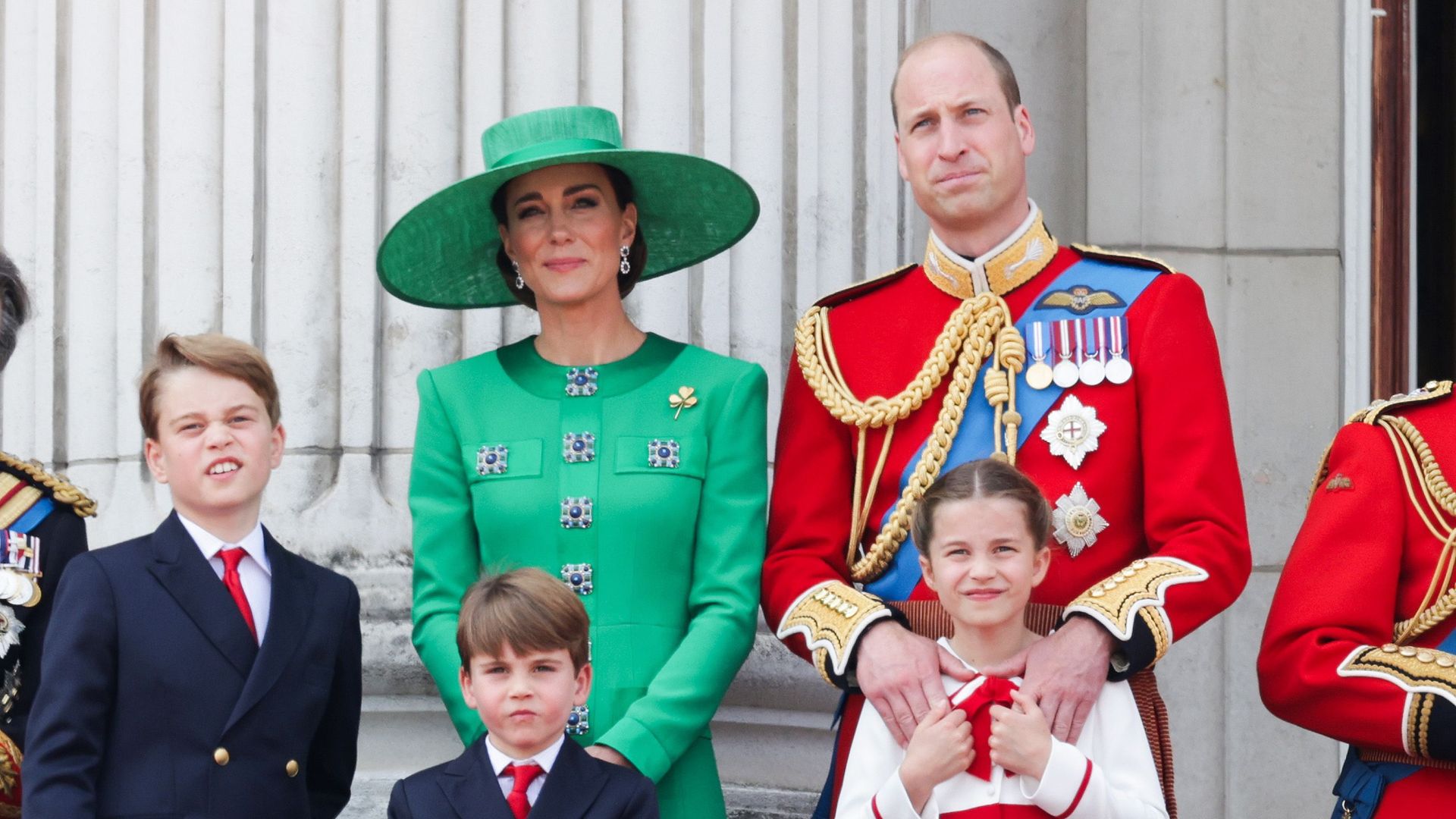

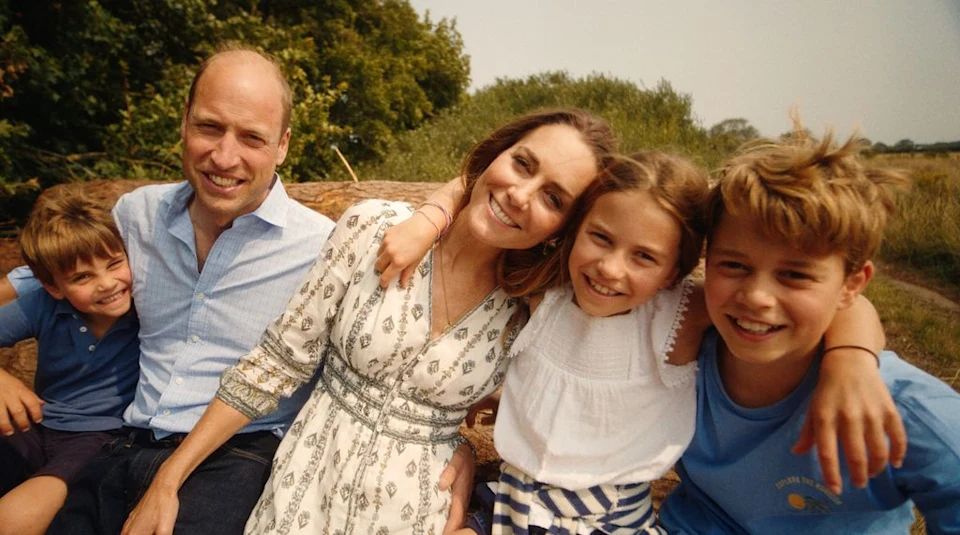
The Prince of Wales has discussed the challenges of answering difficult questions from his three children, Prince George, 12, Princess Charlotte, ten, and Prince Louis, seven, amid his wife Kate's cancer battle. The future King, 43, opened up to Brazilian TV show host, Luciano Huck, during his trip to Rio de Janeiro last week for the Earthshot Prize Awards.
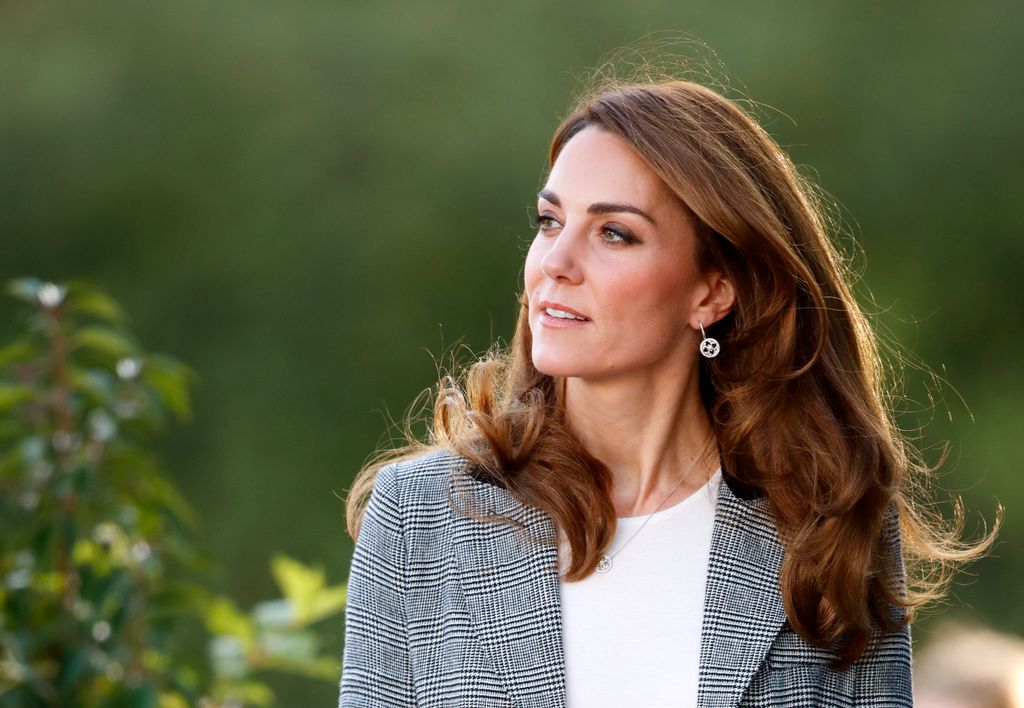
The Princess underwent preventative chemotherapy in 2024 after being diagnosed with an undisclosed form of cancer, and revealed in January earlier this year that she was in remission from the disease.
"Every family has its own difficulties and its own challenges, and I think it's very individual as to how you deal with those problems," William spoke candidly. "We choose to communicate a lot more with our children, that has its good things and its bad things, sometimes you feel you're oversharing with the children when you probably shouldn't.
"But most of the time hiding stuff from them doesn't work, and so explaining to them how they feel, why that's happening, giving them other viewpoints as to why they might be feeling the way like they are, sometimes helps give them a bigger picture and they can relax more into it, rather than being really anxious about what you're hiding from them. There can be a lot more questions than answers. It's always a balancing act, every parent knows that, it's about how much do I say? There's no manual for being a parent, you've just got to go with it, it's A bit of instinct."
 © Will Warr
Just weeks before Kate revealed her diagnosis in a personal video message, William's father, the King, had also begun cancer treatment, which is still ongoing.
 © Getty
25 December 2023 – Kate is last seen publicly on Christmas Day
9 January 2024 – Kate celebrates her 42nd birthday, with the King and Queen sharing a behind-the-scenes photo from the coronation to mark the day.
11 January 2024 – William returns to royal duties, meeting rugby heroes Rob Burrow and Kevin Sinfield at Headingley Stadium in Leeds.
17 January 2024 – Kensington Palace announces in a statement that Kate has undergone abdominal surgery at the London Clinic and that William has temporarily stepped back from royal duties to care for Kate and their children.
18 January 2024 – William visits Kate at the London Clinic.
26 January 2024 – King Charles visits Kate in hospital before undergoing treatment for an enlarged prostate.
29 January 2024 – Kate is discharged from hospital and returns home to Windsor to continue her recovery. King Charles also leaves the London Clinic on the same day after his treatment.
7 February 2024 – William resumes royal duties attending London's Air Ambulance Charity gala with Tom Cruise.
10 February 2024 – William and Kate spend February half-term with George, Charlotte and Louis at their Norfolk home, Anmer Hall. Kate's siblings are also pictured on holiday during the school holidays, with James Middleton and Alizee Thevenet flying to the Caribbean with baby Inigo, and Pippa Matthews and her family holidaying on the island of St Barts.
27 February 2024 – Kate said to be "doing well" as William pulls out of King Constantine memorial due to a "personal matter".
29 February 2024 – Kensington Palace addresses social media speculation, reiterating: "We were very clear from the outset that the Princess of Wales was out until after Easter."
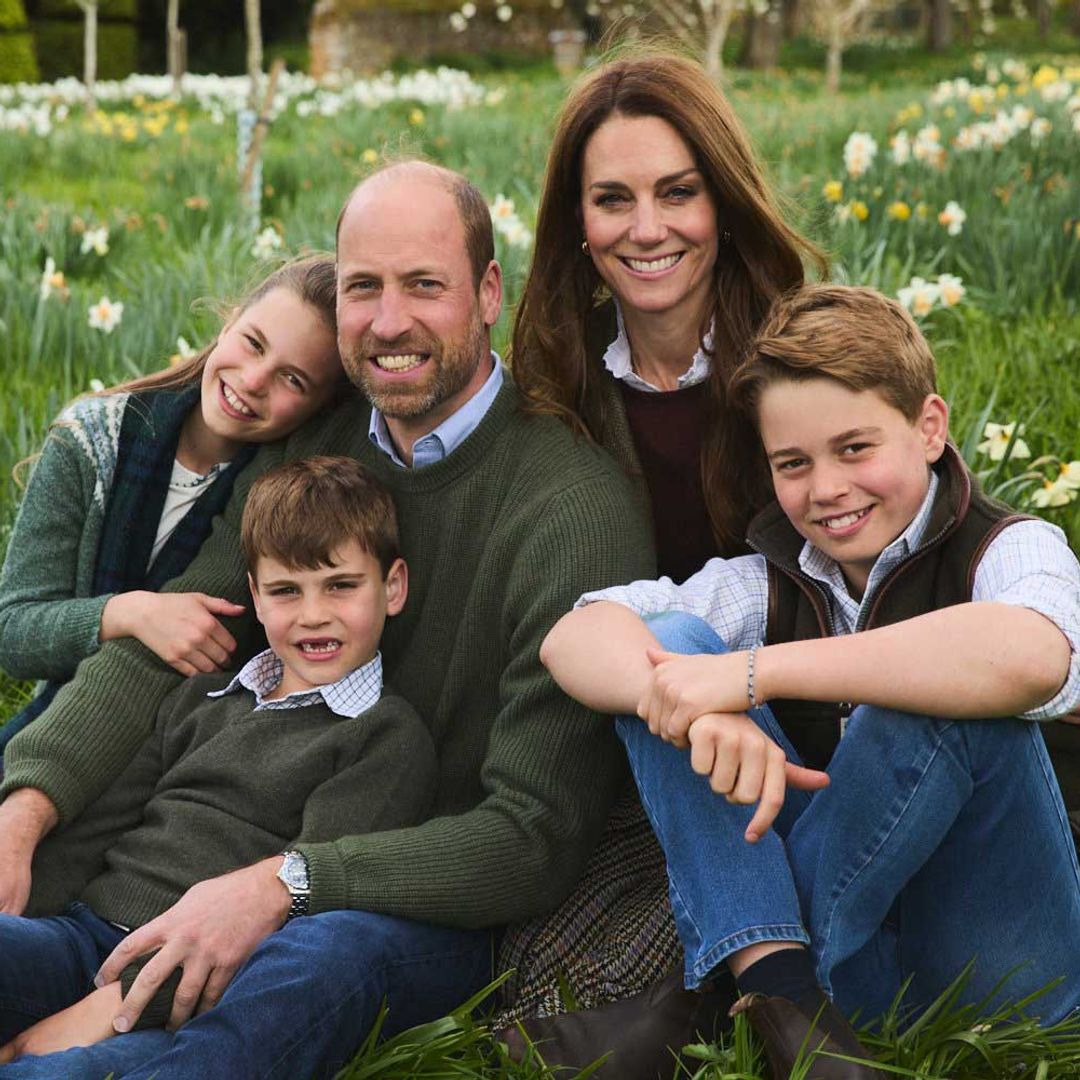
10 March 2024 - A photograph of Kate with their three children at home in Windsor is released to mark Mother's Day and to thank the public for their "continued support".
11 March 2024 - Kate publicly apologises for the "confusion" around the photograph as she admitted she "occasionally experiments with editing," after news agencies pulled the image amid claims it had been digitally altered. The Princess is then seen in a car with William as she's driven to a private appointment in London.
19 March 2024 - Footage of William and Kate leaving the Windsor Farm Shop is shared by The Sun and TMZ in the first video sighting of the Princess since surgery.
22 March 2024 - Princess Kate confirms that she has been diagnosed with cancer in a moving video message and is undergoing preventative chemotherapy.
18 April 2024 - Prince William returns to royal duties after spending Easter holidays privately as a family.
10 May 2024 - Prince William says Kate is "doing well" as he visits the Isles of Scilly.
21 May 2024 - Princess Kate is "excited" as Kensington Palace shares update on her early years work with the release of her Business Taskforce's prioritising childhood report.
8 June 2024 - Princess Kate writes letter to Irish Guards to apologise for not being able to take part in the salute at the Colonel's Review.
14 June 2024 - In a personal statement, Kate shares she is making "good progress" and that her "treatment is ongoing and will be for a few more months".
15 June 2024 - Kate makes her first major public appearance since diagnosis at Trooping the Colour.
14 July 2024 - Kate watches the Men's final at Wimbledon with Princess Charlotte and Pippa Matthews.
11 August 2024 - William and Kate congratulate Team GB athletes in a video message after the Paris 2024 Olympics.
9 September 2024 - Kate confirms she's completed chemotherapy in moving video message.
10 October 2024 - Kate joins William on visit to bereaved families in Southport.
9/10 November 2024 - Princess attends Festival of Remembrance and Remembrance Day service at Cenotaph.
3 December 2024 - Kate greets Emir of Qatar alongside William during state visit.
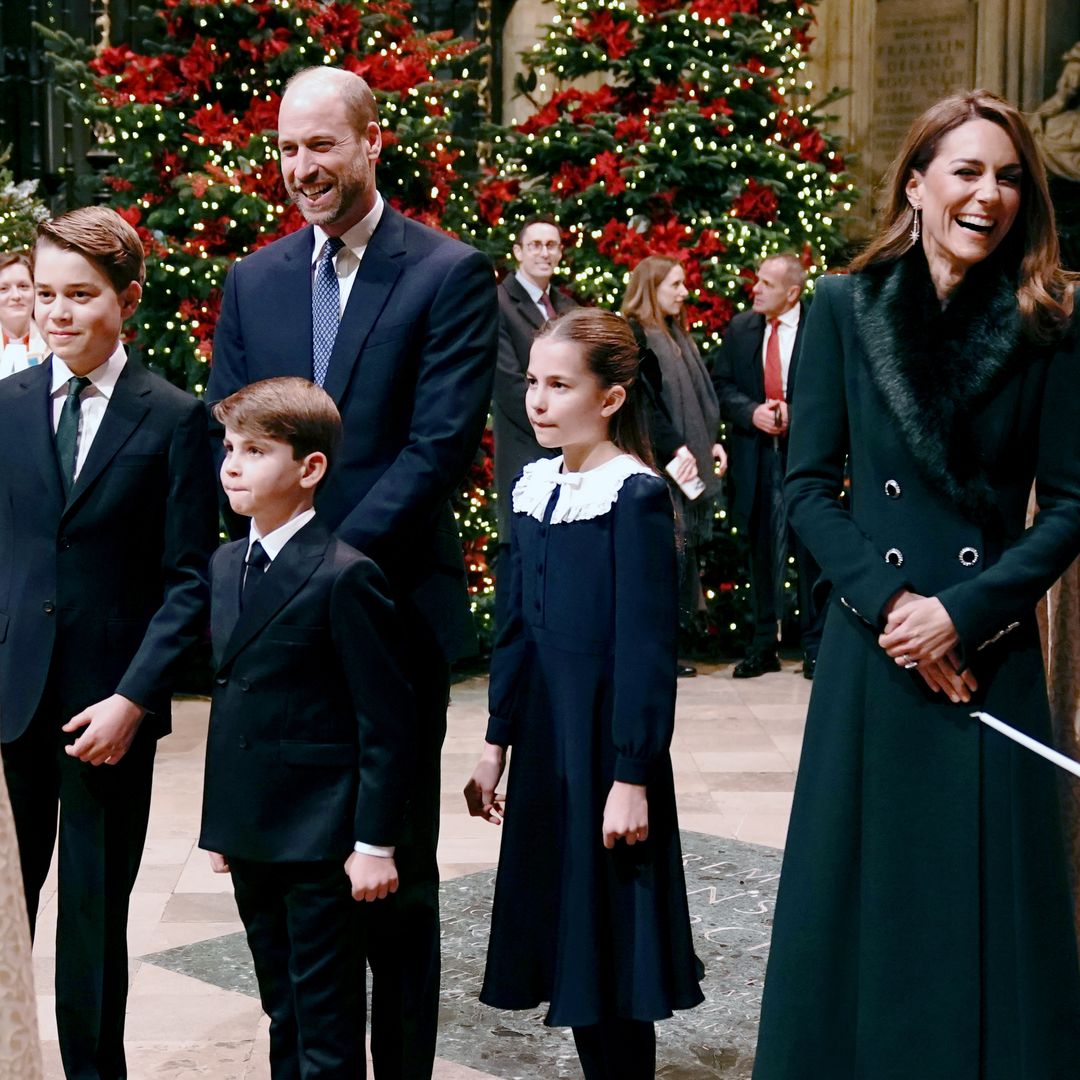
6 December 2024 - The Princess of Wales hosts her Christmas carol service at Westminster Abbey.
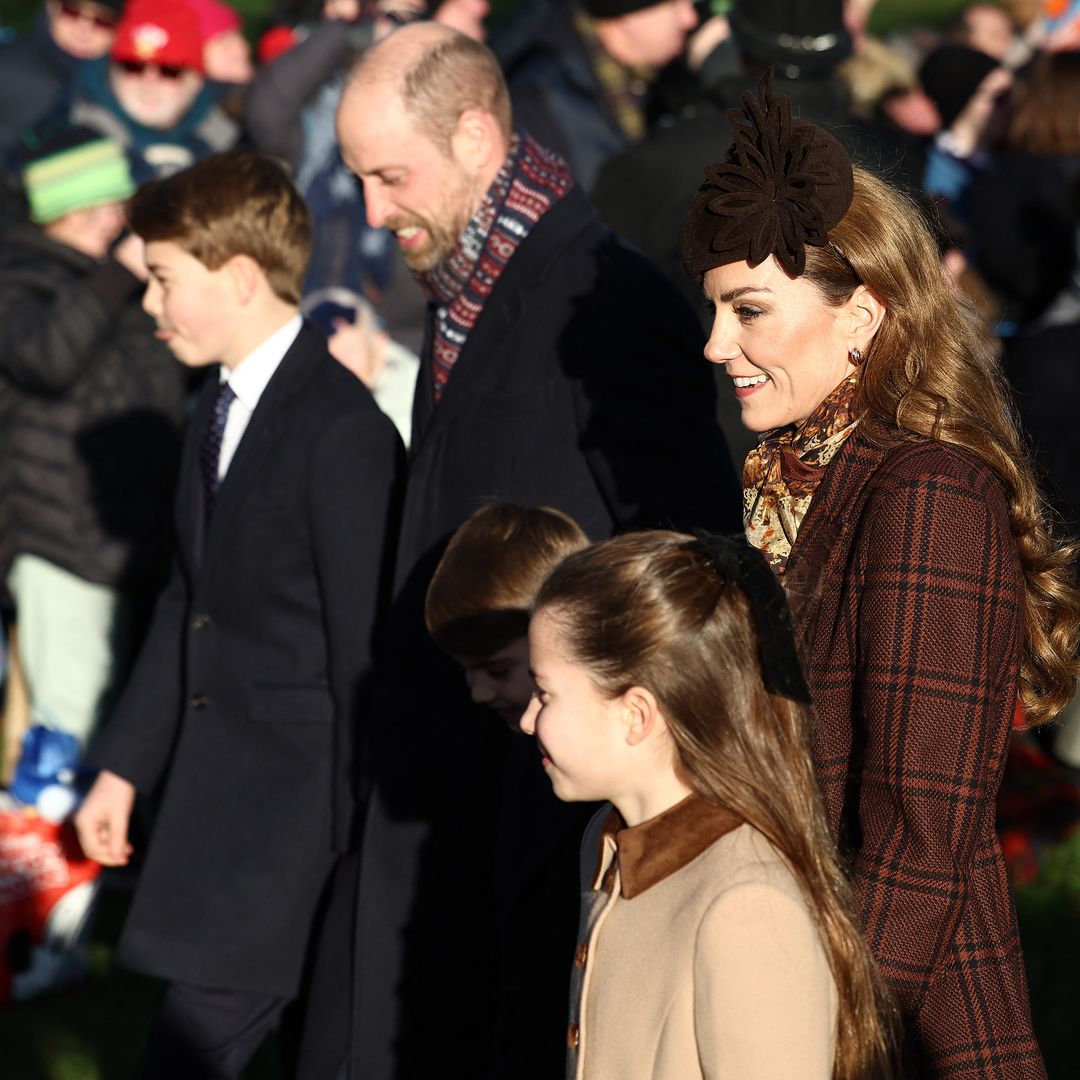
25 December 2024 - William and Kate attend the Christmas Day church service in Sandringham with the royals.
14 January 2025 - The Princess confirms she's in remission after visiting The Royal Marsden hospital in London - where she was treated.
School run and screens
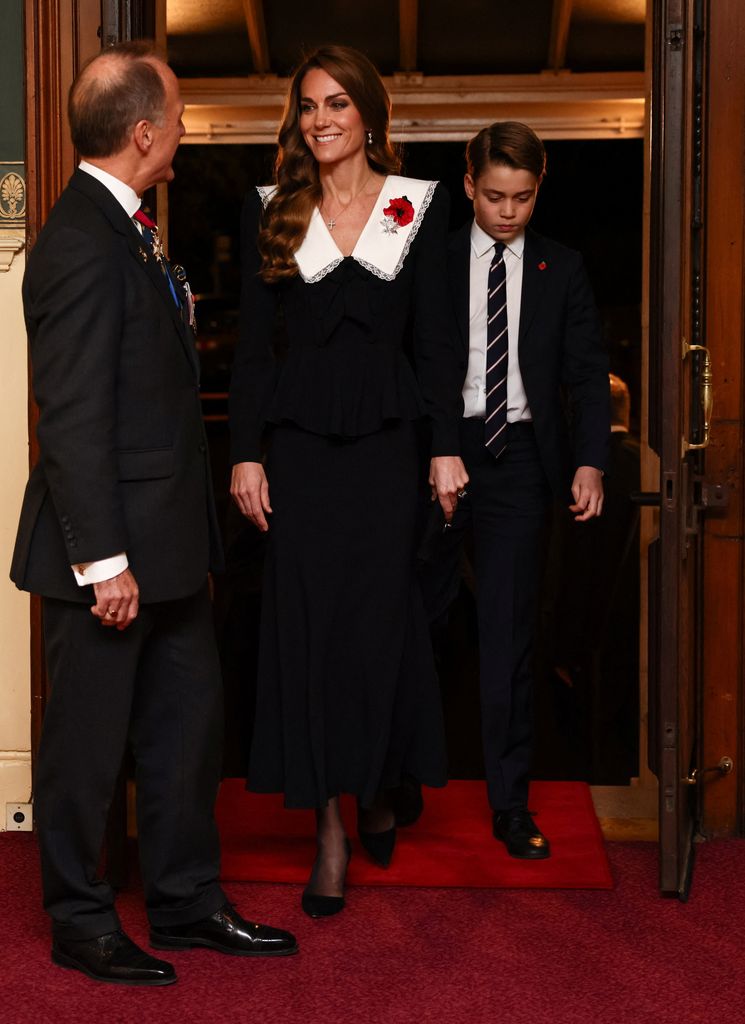
In the wide-ranging interview, William also spoke about the family's home life, revealing how they fit their royal engagements around the school run and their children's extracurricular activities saying: "Play dates, taxi driver, sports days, matches, playing in the garden when I can. School run most days, I mean Catherine and I share it, but she probably does the bulk of it."
 © Getty Images
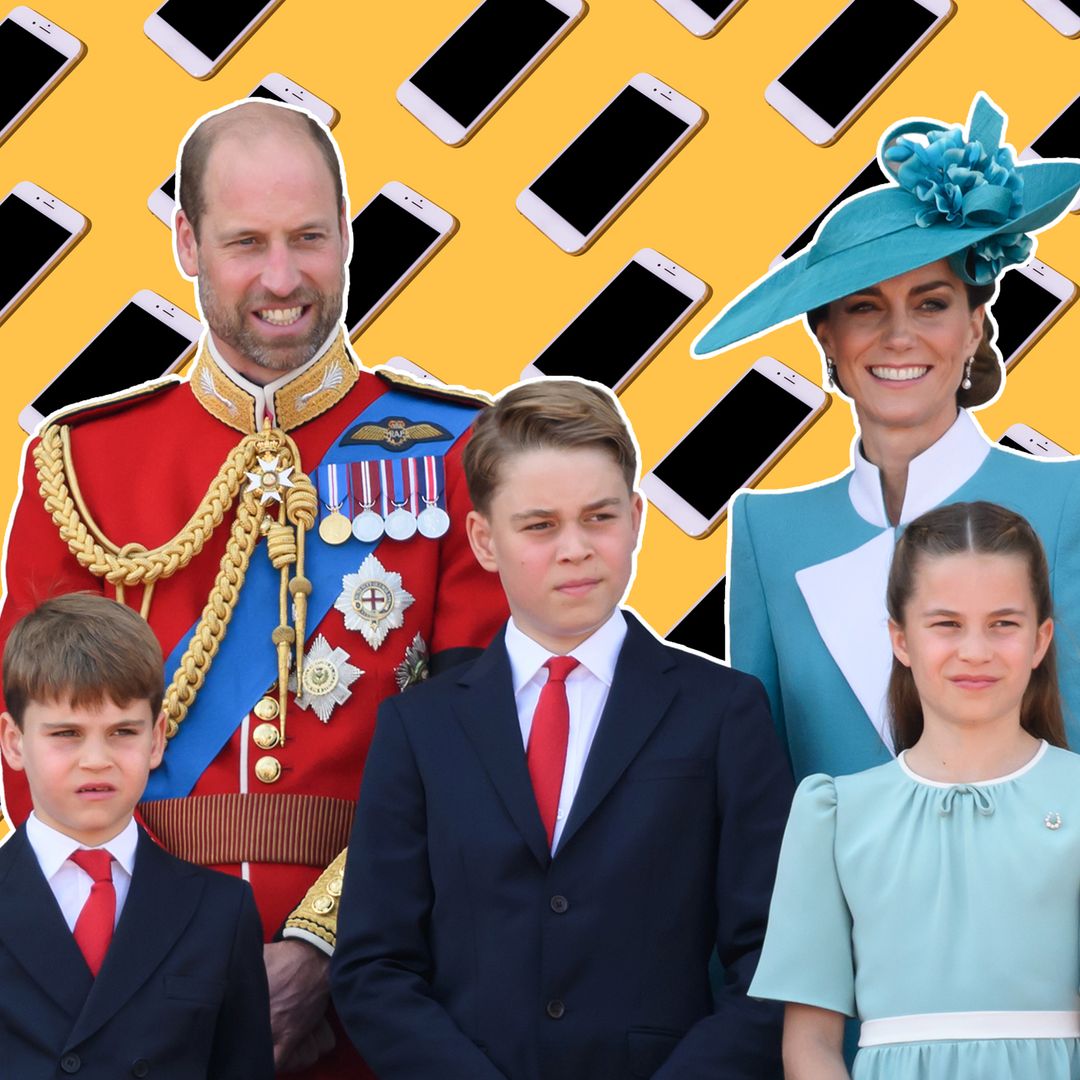
And while he's previously spoken about the children not having mobile phones, he wants to approach technology with caution.
"It is really hard. Our children don't have phones," he explained. "When George moves onto secondary school, maybe he'll have one with limited access. We talk to him and explain why we don't think it's right. With full access, children end up seeing things on the internet that they shouldn't. But with restricted access, I think it's good for messaging."