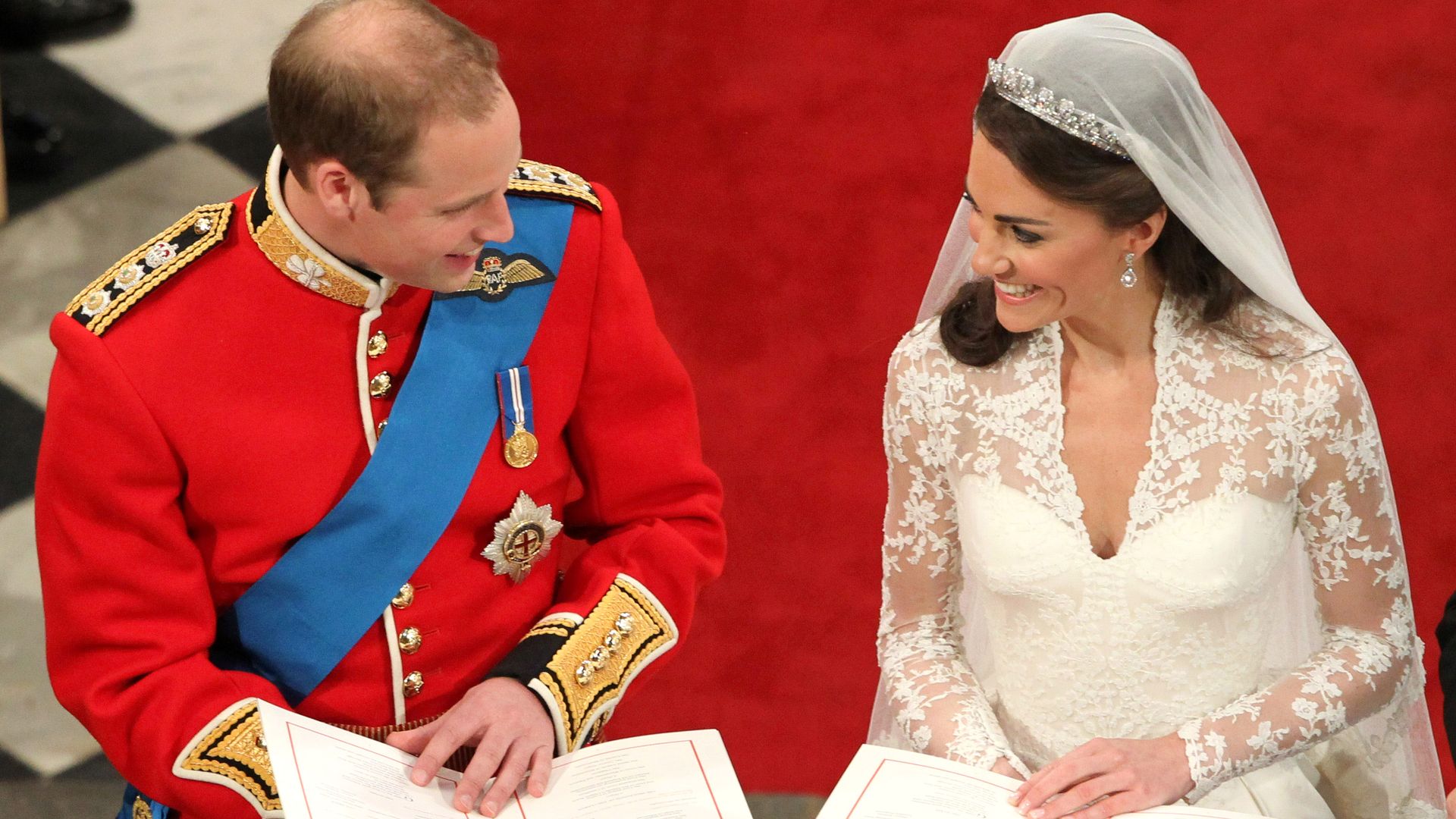

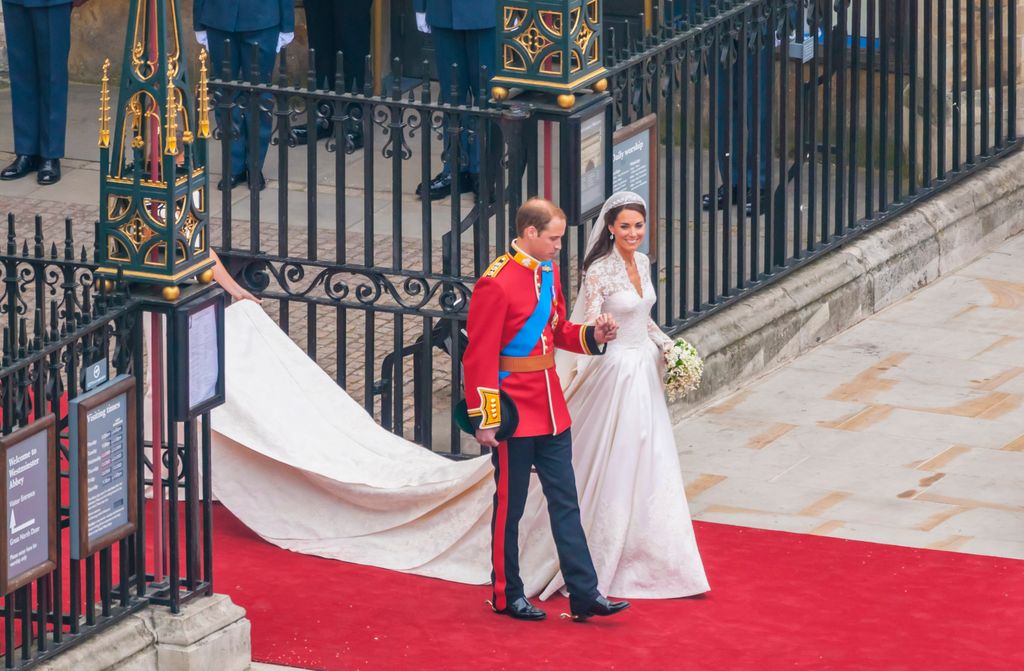
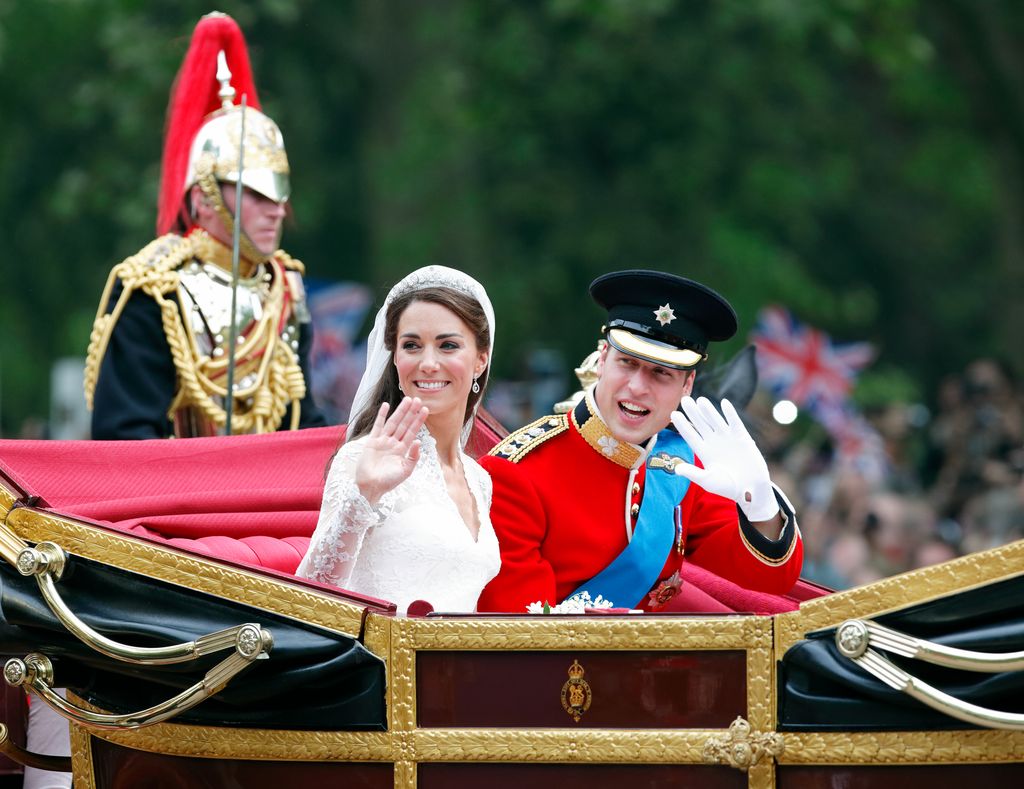
The Prince and Princess of Wales' 2011 wedding was straight from a fairytale with their ceremony at Westminster Abbey.
An estimated 24.5 million people in the United Kingdom and countless more around the world watched on as the future king and queen said 'I do' in the historic, picture-perfect venue.
 © AFP via Getty Images
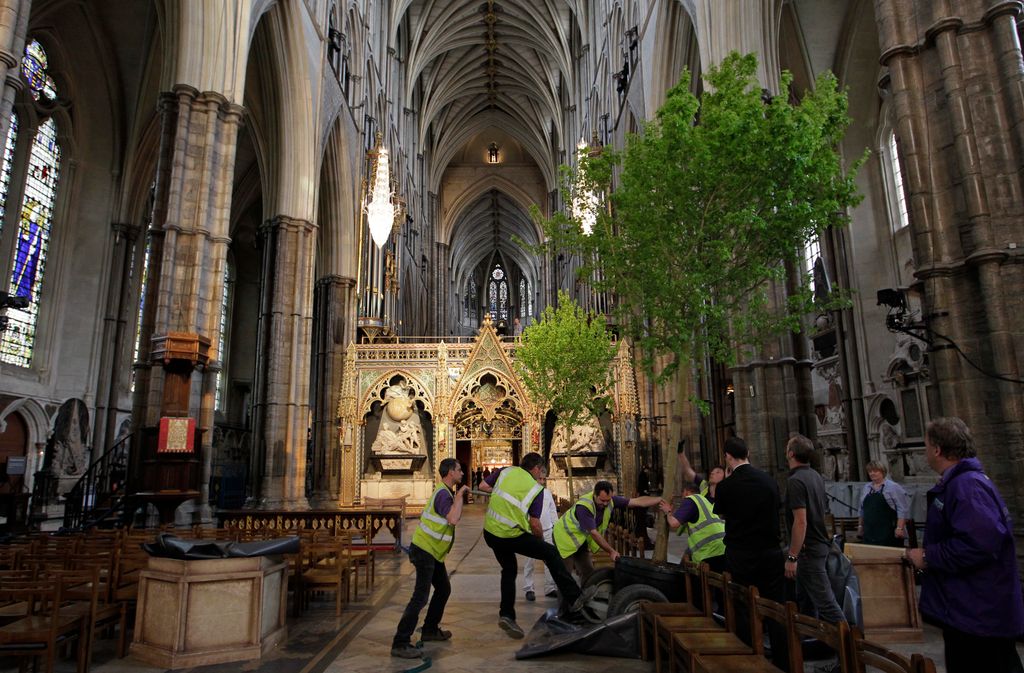
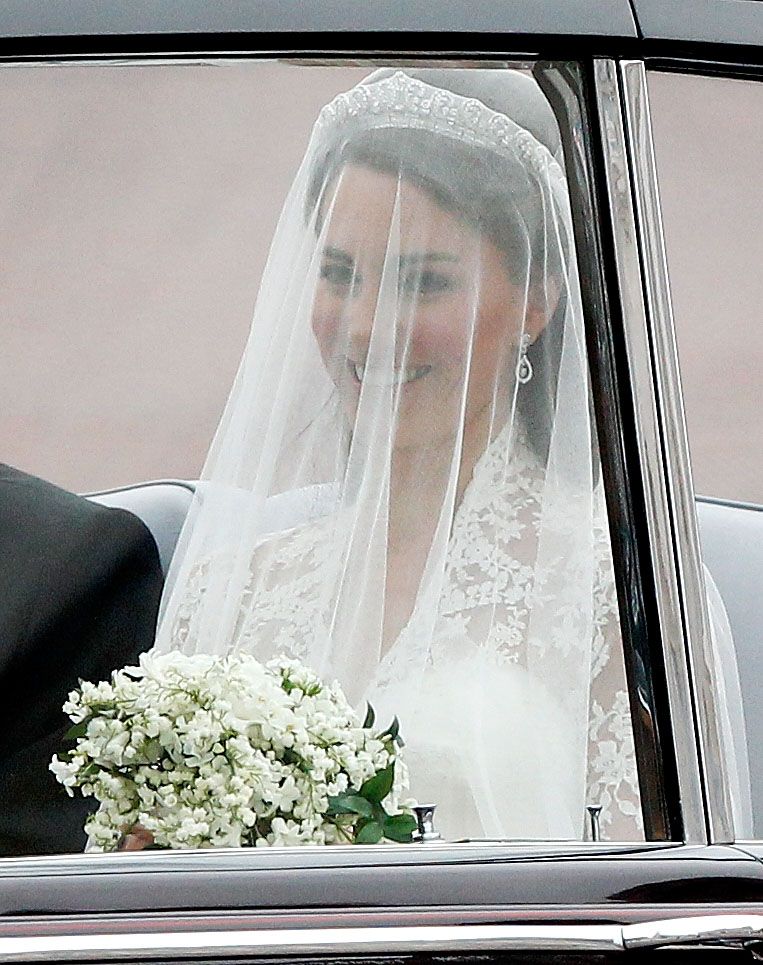
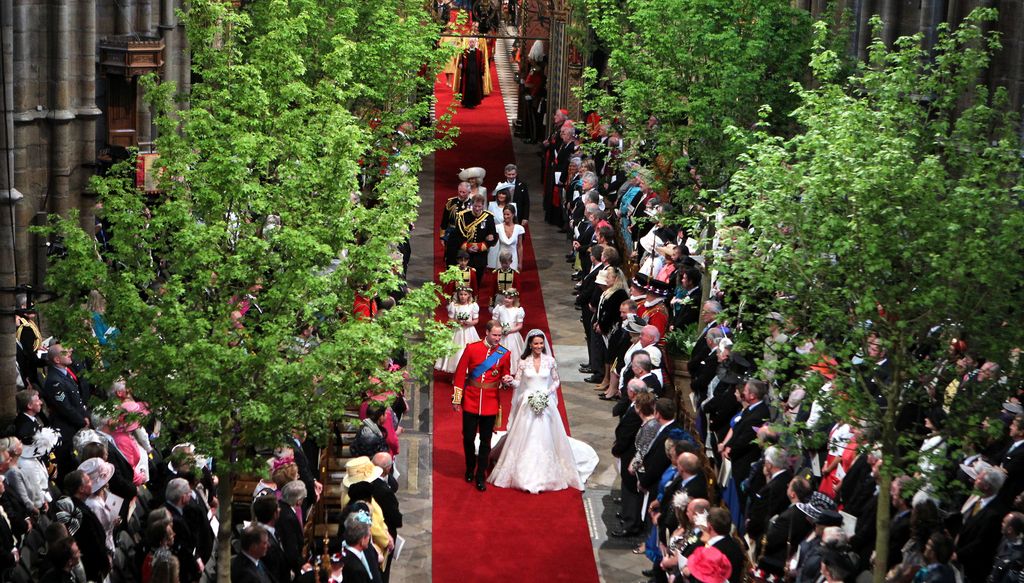
It was their flowers that elevated the appearance of the abbey tenfold. William and Kate, both 43, arranged for six field maples and two hornbeams trees to flank the aisle leading to the altar while the flowers were on another level – all 30,000 of them.
 © Getty
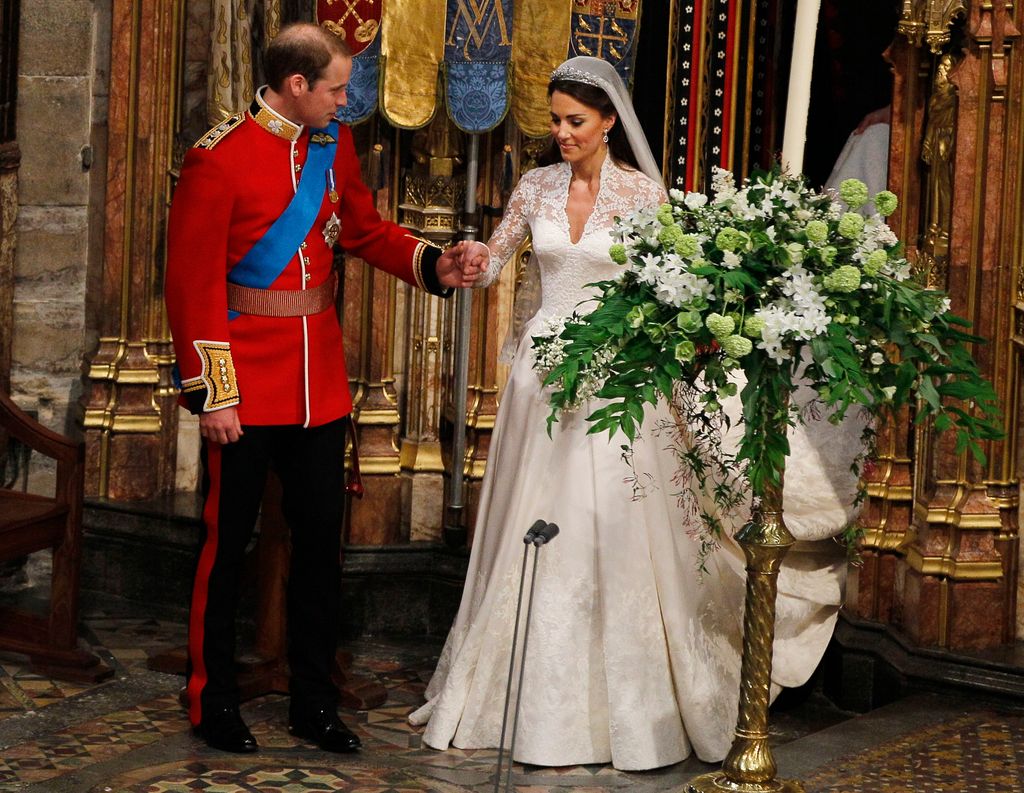
Most of the flowers were taken from Windsor Great Park's Valley Gardens in Surrey, including azaleas and blossoms. A theme of white, green, and cream foliage was chosen, and for a special reason, said the couple's floral creative designer Shane Connolly at the time.
 © Getty Images
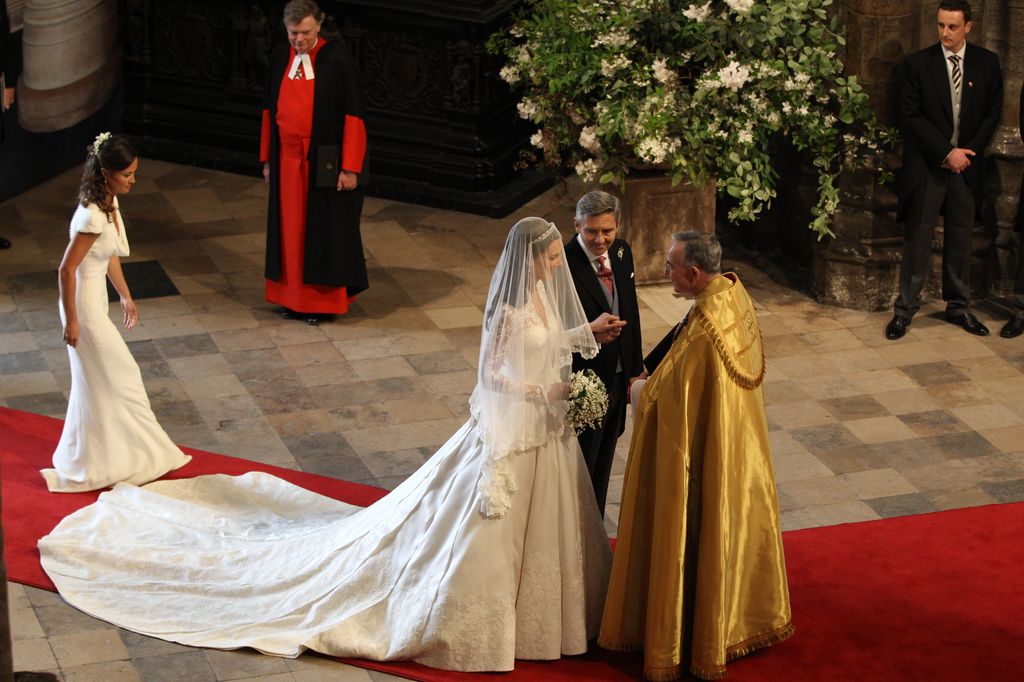
"The theme is that everything is from the estates, that everything is English, that everything is seasonal, and all along Catherine has asked that it's just all neutral colour-wise," Shane said, per the BBC.
 © Getty Images
A 'country girl' bride
"The aim is that the abbey looks unpretentious and simple and natural, and that it reflects the fact that Catherine is a country girl at heart and that the couple are the best of British," he added.
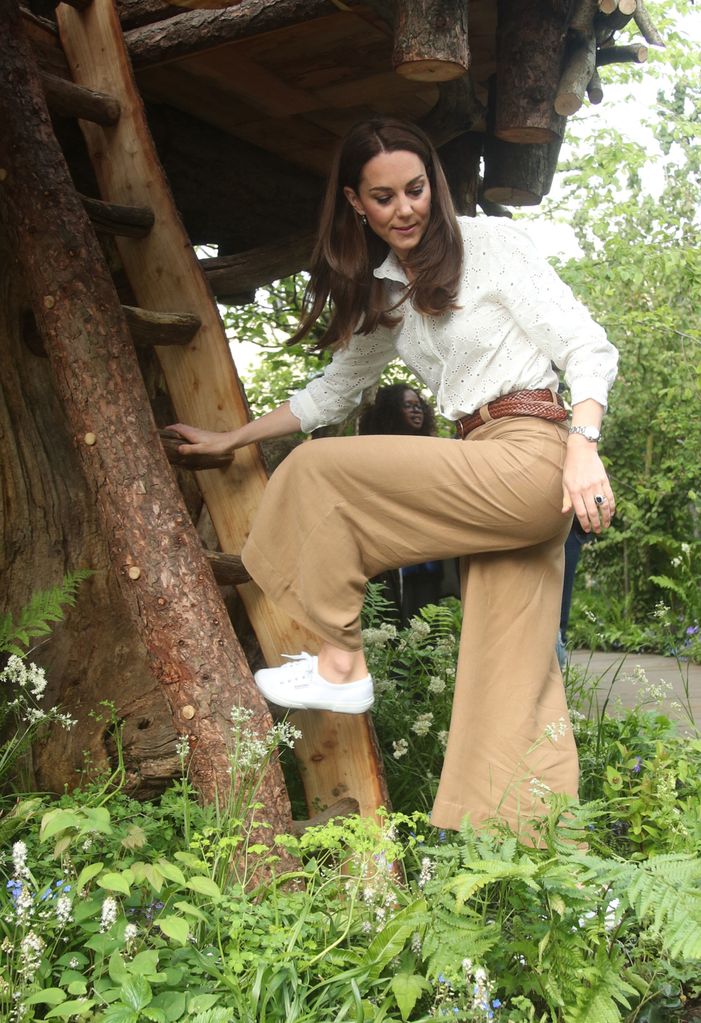
Kate, who became the Duchess of Cambridge upon her wedding to King Charles and the late Princess Diana's son William, was born and raised in leafy Berkshire.
 © Getty
Since her wedding, Kate has spoken about her love of the outdoors, saying on a public outing in April that nature is "a meaningful for me as a place of balance". She added that being outdoors brings her "a sort of sense of peace and reconnection in what is otherwise a very busy world."
 © Instagram
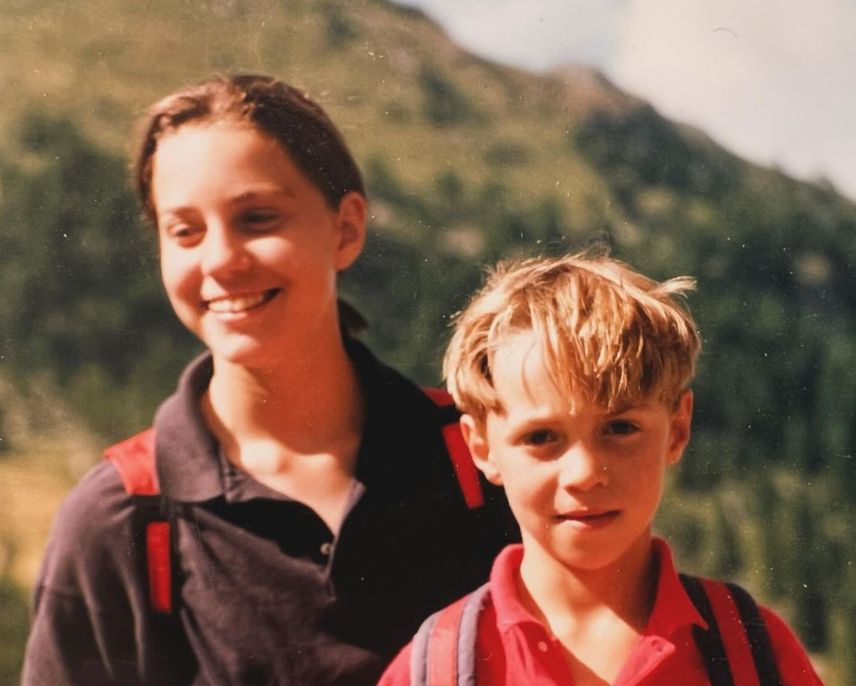
Nichola Murphy, HELLO!'s Lifestyle Editor and resident weddings expert, adds: "Princess Kate's decision to have a tree-flanked altar not only suited the grandeur of her wedding venue, but also hinted at her love of nature – something she continues to advocate for today.
"In her childhood, Kate grew up in the English countryside in Bucklebury, and she previously said on the Happy Mum, Happy Baby podcast that she loved 'doing arts and crafts and going to the greenhouse to do gardening'."
 © Getty
Kate's calming influence
She added: "The neutral white, green and cream foliage chosen by the royal bride helped convey a calming, tranquil energy. By drawing from her roots, Kate ensured she remained grounded amid what could have been a nerve-wracking day watched by millions of people."
 © Getty
A symbolic wedding decoration
The wedding flowers were not only incredibly beautiful, but they also spoke the language of the royal couple. "The trees are field maples, which is a very English native tree, and the field maples symbolise reserve and humility," Mr Connolly said.
 © Getty
"The hornbeams represent a resilience in the language of flowers, so we hope that the couple's life is full of resilience and full of strong love."