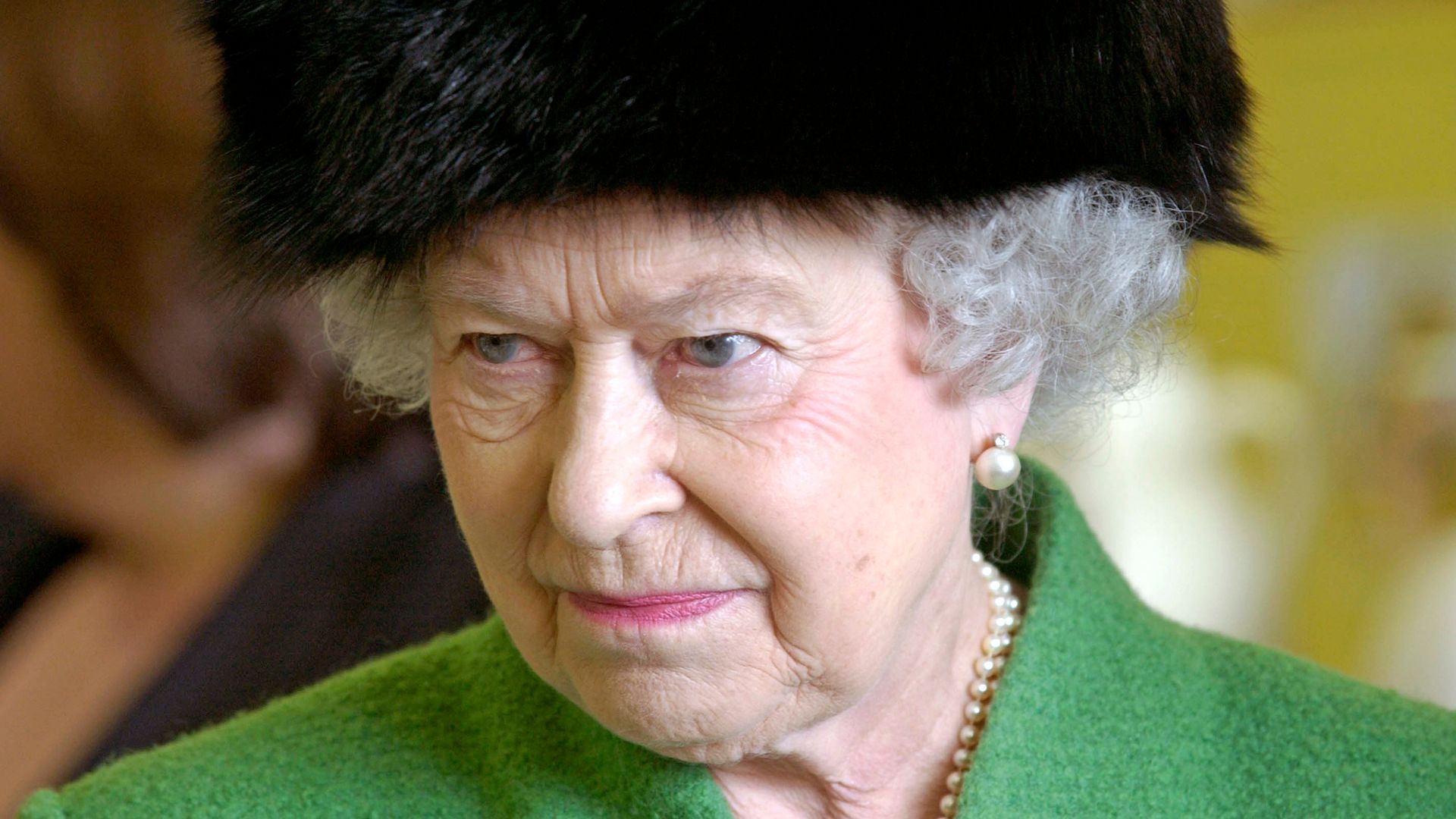

The late Queen Elizabeth II and her husband, Prince Philip, enjoyed a 73-year marriage and a generational love story that will touch many for years to come. The pair first met in 1934, at the wedding of his cousin, Princess Marina of Greece, and stayed in contact via letters.
In 1946, they became secretly engaged and reportedly postponed announcing the news until her father, King George VI, gave them permission to wed the next year. Afterwards, they shared a long and meaningful relationship – but, like any, it had its ups and downs.
During a royal tour of Australia in 1954, the couple had a major argument while staying in the Yarra Ranges, Victoria. In his newly released book, The Windsor Legacy, where he explores the royal family's influence over the last 100 years, Robert Jobson writes that Prince Philip suddenly burst out of a cottage with his wife "hurling a tennis racket and shoes" towards him.
 © Getty Images
He explains that Queen Elizabeth spotted a camera crew who had come out to film a staged moment with koalas. Realising they were about to be seen mid-argument, she quickly ushered her husband back inside the cottage. Fortunately, a soundman had exposed the film and given it to the monarch's press secretary, who accepted it gratefully.
The royal expert writes in his book that the late Queen then regained her composure, came out of the cottage smiling and said: "Sorry for the little interlude. It happens in every marriage. Now, what would you like me to do?"
Queen Elizabeth II and Prince Philip's wedding
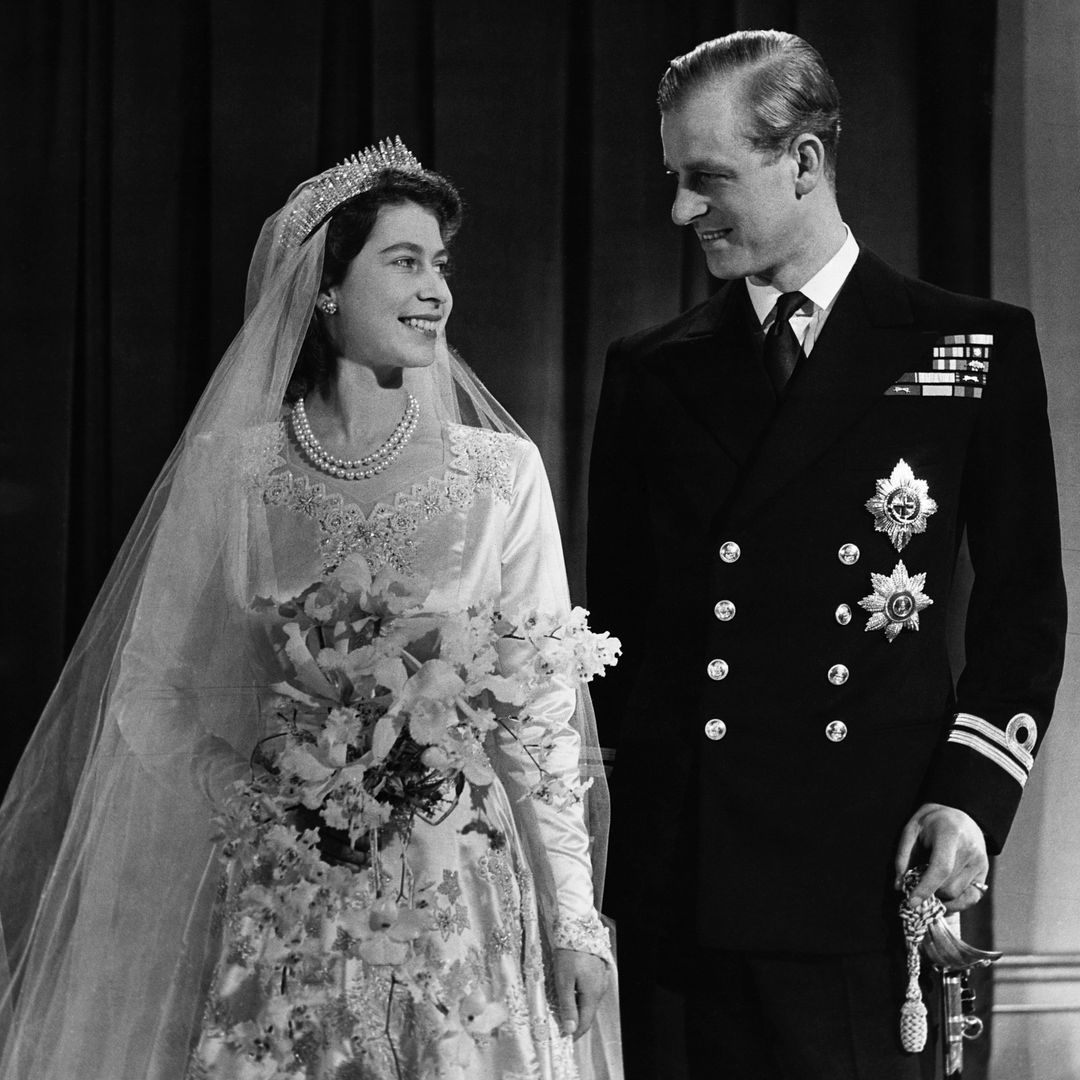
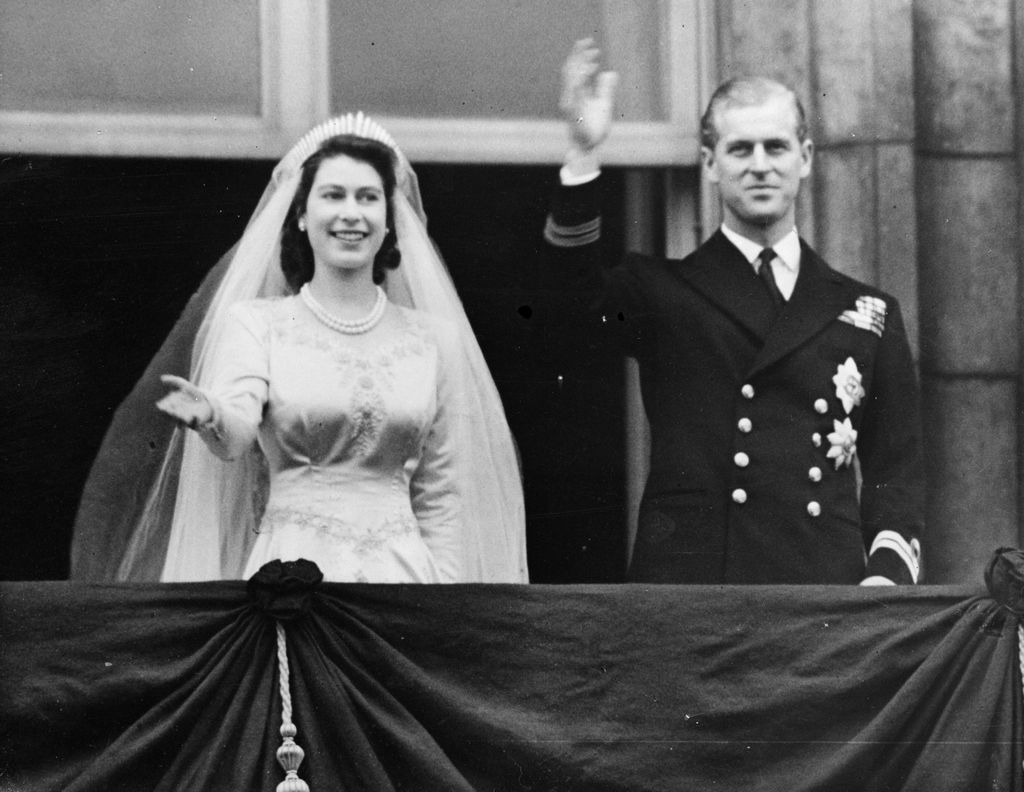
Though their marriage was by no means entirely peaceful, it was undeniably a long, fruitful and loving marriage, with the most wonderful wedding to kick it off. The couple married on 20 November 1947, when Philip was then bestowed the titles of Duke of Edinburgh, Earl of Merioneth and Baron Greenwich.
 © Bettmann
According to Robert, Prince Philip had "pennies to his name" on his wedding day, which meant that he stayed "frugal for life". He adds: "[He] once [had] his Savile Row tailor alter a 52-year-old pair of trousers."
The Queen looked absolutely resplendent on the day, wearing a beautiful embroidered dress by Norman Hartnell, in a symbolic design inspired by Botticelli's Primavera. Representing rebirth and growth, it sent a powerful message to the nation, especially in a time when they were still recovering from the impact of the Second World War.
 © Keystone
As Britain's austerity measures were still in place following the war, she famously had saved up her ration coupons to purchase the material that was needed to make the gown, which was made of ivory Duchesse satin and decorated with 10,000 pearls imported from the United States.