
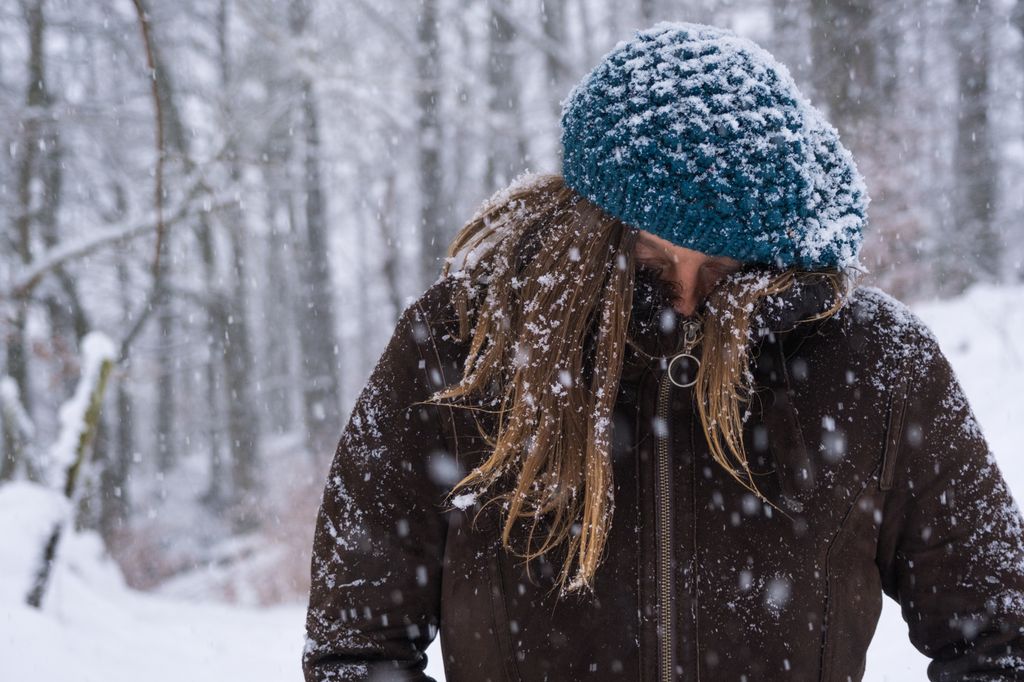
If I had a soul season, winter wouldn't be it. At best, I could stretch to a fortnight of crisp, autumnal walks and another couple of weeks spent basking in twinkly lights and mulled wine. But the remaining 330 days? Unapologetically summer, please.
By the time the clocks go back in October, my cheer takes an equally abrupt nosedive. And once the bone-biting cold arrives and daylight packs up by lunchtime, full-blown SAD swoops in with gusto. This year feels worse than ever. Am I simply becoming more curmudgeonly with age? Well… yes. But according to emerging research, my growing disdain for 'cosy season' may have less to do with personality and more to do with hormones.
Ho ho hormones
According to the women's healthcare experts at Supplement Hub, perimenopausal and menopausal women often feel the seasonal shift more acutely, and that's before you even factor in the inevitable winter lurgy ('tis the season of stockpiling Kleenex and firing off feverish OOO replies).
"Colder, darker months can intensify menopause symptoms due to hormonal fluctuations, reduced sunlight and seasonal stress," explains Josephine Smith, Supplement Hub's in-house practitioner. "As the body naturally produces less serotonin and vitamin D in autumn and winter, certain symptoms can feel much worse," she adds.
"Temperature shifts between cold outdoor air and warm indoor heating can also trigger hot flushes and headaches, while central heating at night can make flushes even more uncomfortable. Plus, seasonal stress and routine changes can raise cortisol levels, disrupting hormonal balance further."
Apparently, nine key symptoms tend to worsen during the colder months, including low mood (check), sleep disruption (double-check, especially next to a snoring partner), joint pain (check), anxiety (check), brain fog (ch…) and heart palpitations (check).
It's no wonder searches for 'menopause support' shot up over 5000% after the clocks changed (never mind farmers - what about raging midlifers?).
My only tiny consolation? As someone who runs naturally cold, my newly erratic internal thermostat means at least I'm no longer shivering my way through winter. But still, what can actually help?
Happy days
Short of up and emigrating somewhere perpetually sun-drenched (curse you, California, and your increasingly elusive Green card requirements), Josephine says there are ways to soften winter's blow – even without HRT. Here are her top seven strategies for navigating the colder months with slightly less hormonal chaos.
How to survive winter in perimenopause
 © Getty Images
1. Winter-proof your diet
"As the seasons change, it's a great time to focus on warming, nourishing meals that support your body through hormonal shifts. Many menopause-friendly foods are naturally in season now, making them easier to include in your diet," says Josephine. She recommends:
Root vegetables, leafy greens and whole grains
- Rich in fibre, phytoestrogens, magnesium and B vitamins
- Help stabilise oestrogen, support mood, energy and sleep
Lean protein (think hearty soups or stews)
- Supports hormone balance, maintains muscle mass, boosts immunity
Oily fish, flaxseeds and chia seeds
- High in omega-3 fatty acids
- Help reduce inflammation and support mood
2. Keep moving – even when it's cold
"The shorter days and colder weather can see motivation for exercise hit an all-time low, but regularly moving your body is essential during menopause. Staying active supports bone density and joint mobility, both of which can decline due to falling oestrogen levels. Switching to indoor, strengthening activities like pilates, yoga or weight training are great for the cooler months.
"However, if you can, try to take brisk walks in natural daylight too – the fresh air, vitamin D and serotonin boost can make a noticeable difference to both your physical and mental wellbeing. Even a 10-minute walk is enough to do some good and support your menopause symptoms."
3. Support your skin from the inside out
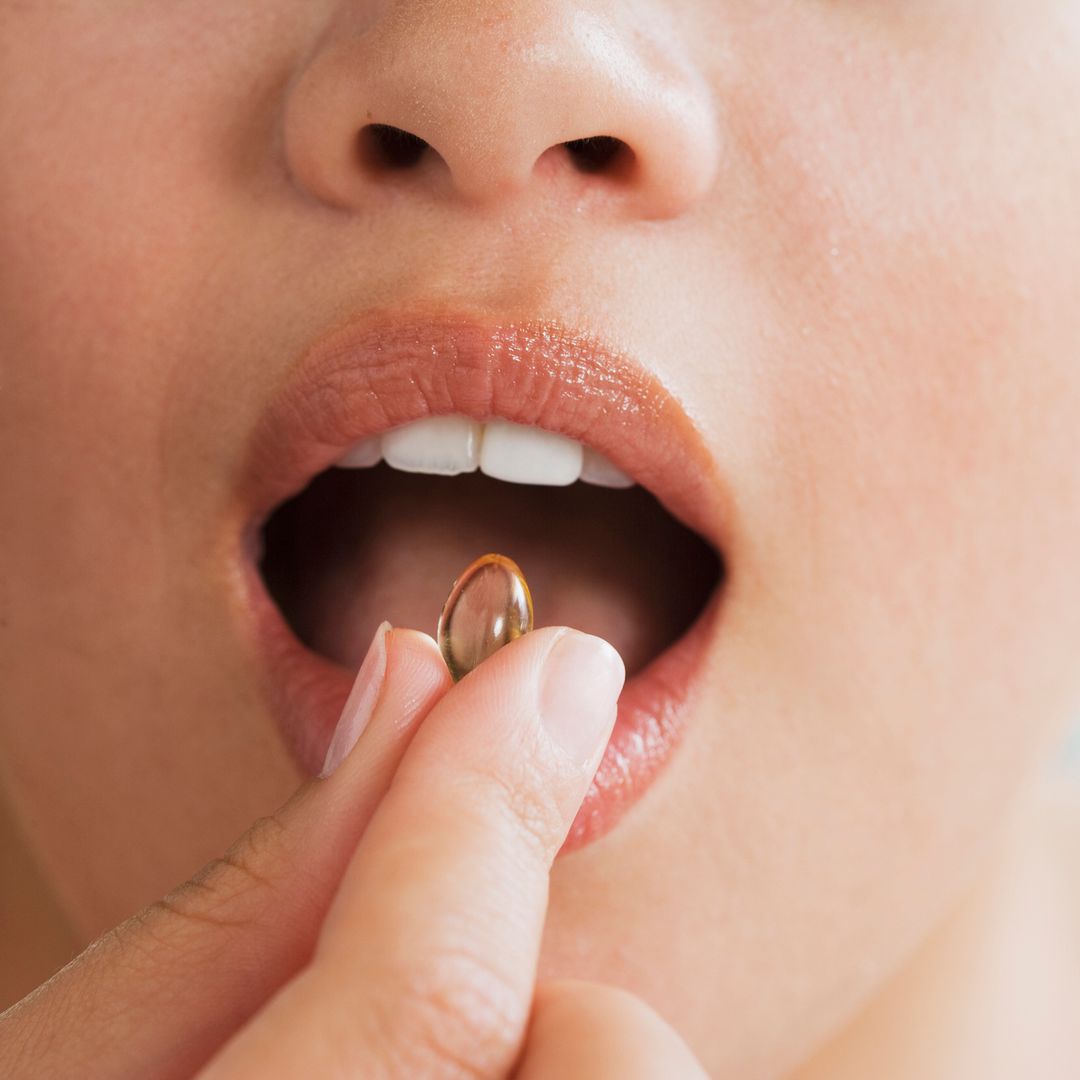
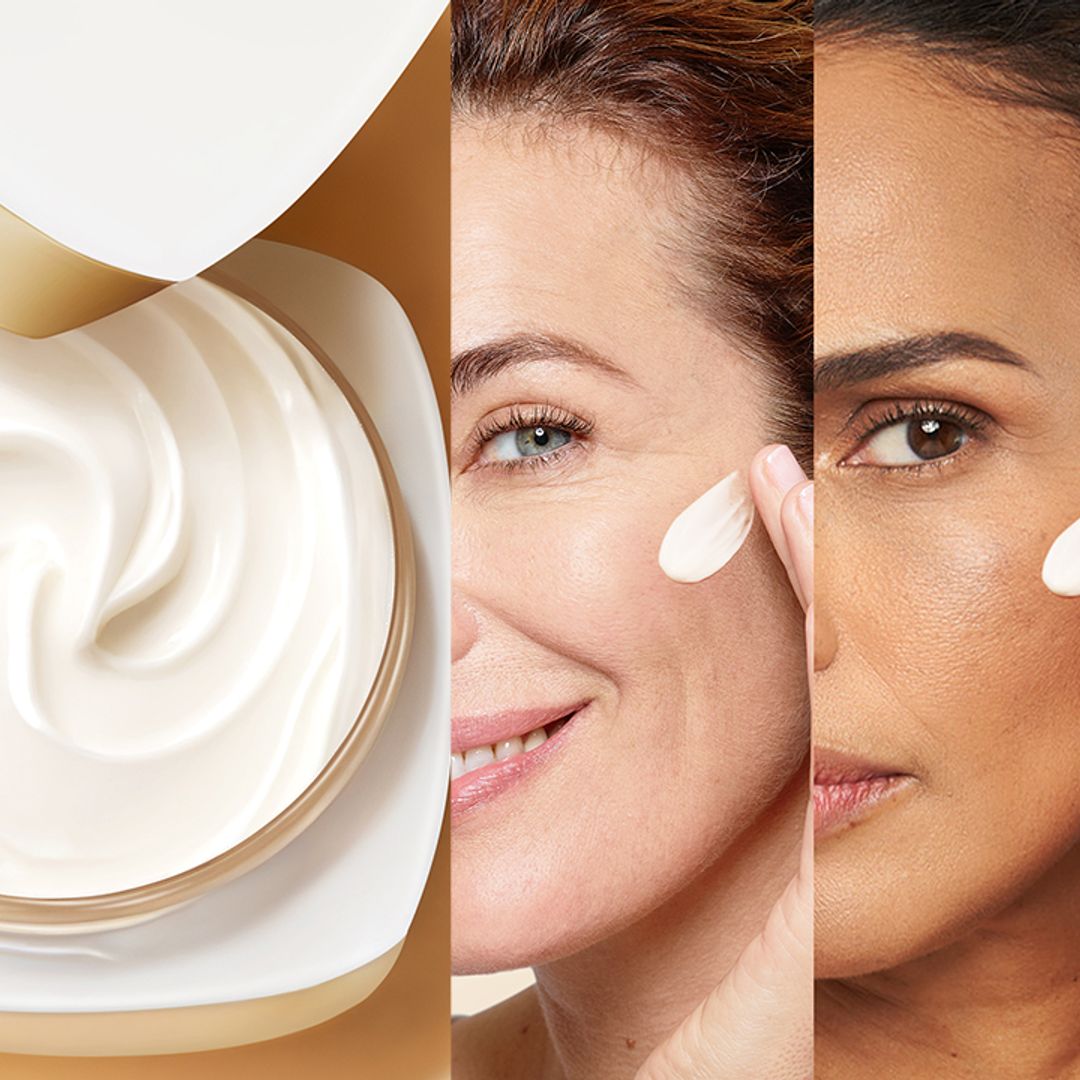
"Itchy, dry skin is a common menopause symptom – which can be exacerbated by cold, dry air and increased use of central heating. To ease this, stay hydrated, use nourishing topical moisturisers and consider skin vitamins like omega-3 supplements or collagen boosters to improve skin elasticity from the inside."
4. Be mindful of hot flush triggers
"Central heating, heavier clothing, spicy foods and alcohol consumption can all worsen hot flushes during autumn and winter. To stay more comfortable and reduce the severity of hot flushes, try dressing in breathable layers, keeping rooms well-ventilated and avoiding common triggers in your diet where possible."
5. Create a cosy, sleep-friendly environment
"Night sweats and disrupted sleep are likely to worsen in heated bedrooms, not making for a peaceful night's sleep. Keep your bedroom cool and well-ventilated, even in autumn and winter, use breathable fabrics and consider magnesium for a better-quality sleep."
6. Adjust your supplements for the season change
"It's important for perimenopausal and menopausal women to adjust their targeted vitamin intake to support the changing seasons. If you aren't getting the recommended daily doses from your food, I recommend taking:
Vitamin D3 for bone health, mood support and immunity (Public Health recommends that women need 400 IU daily in autumn and winter, however I'd recommend much higher for optimal health – somewhere in the region of 1,000 IU at least).
Magnesium – particularly glycinate (women need 270mg daily) – for better sleep
Calcium (women need 700mg daily in autumn and winter) to maintain bone density as oestrogen declines. If your diet provides less than 700mg of calcium daily, I recommend adding a gentle calcium citrate supplement paired with vitamin K2 (MK-7, 90–120 µg) to safely direct calcium into bones, where it is needed, during menopause.
7. Prioritise your mental health
"Shorter days with lower light levels can negatively impact your mood, especially when combined with hormonal changes. Schedule time for mental health-boosting activities such as journaling, meditation, exercise, solo trips or connecting with friends and family – whatever it takes to fill your cup – to boost your mood and reduce anxiety. Remember to try to get morning daylight exposure to help reset circadian rhythms and naturally increase serotonin."

Have I grown to love winter? Absolutely not. I’m still California-dreaming my way through the next four months. But am I feeling more in control of my winter doom spiral now that I’m taking my supplements and making the most of any daylight going? Actually… yes.