
People love asking women in their thirties about babies, and the older I get, the more urgent those questions become.
However, until my late twenties, those questions were more along the lines of, 'When are you going to have a baby?', but in the last couple of years, people have loved to remind me that my time is running out.
For older generations, having a baby in your late thirties was more than unusual, and the stigma around what’s still, rather unkindly, referred to as 'geriatric pregnancy' is still very much alive and well.
We are told that our opportunities to get pregnant slowly decline after 25, when most women are just starting their careers, and that by 35, it’s already too late. But is fertility really that black and white?
Fertility is a nuanced matter
 © Getty Images
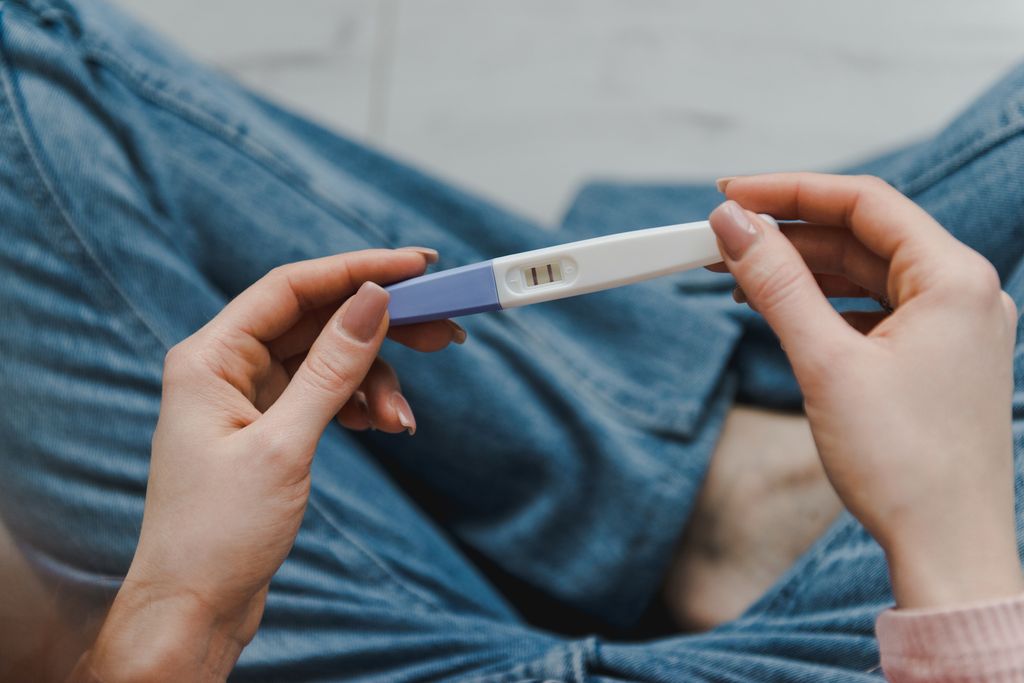
"While it is true that women do worry about declining fertility with increasing age, there is no cliff at age 35", assures Dr. Nap Hosang, Co-Founder and Chief Medical Officer at Cadence OTC.
He continued, "This may have been true 80-100 years ago, but no longer. Currently, what we observe is a gradual decline that begins in a woman’s late 20s and accelerates after her mid-30s."
Dr. Nap Hosang is reassuring, "Plenty of women conceive naturally after 35 and many into their early to mid forties. It’s just important to be aware of the timeline so you can make informed decisions well before you get to that age."
The pill and its effects on fertility
 © Getty Images
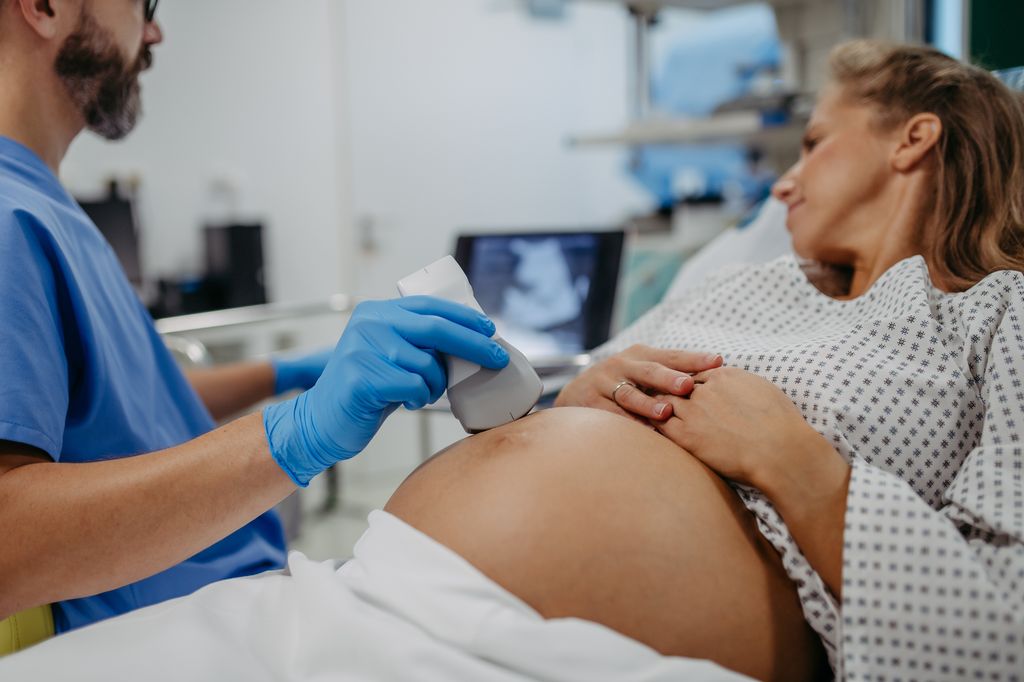
A huge number of women have taken the contraceptive pill for many different reasons, from simple contraception to menstrual pain regulation and skin issues, with some of them staying on the medication for decades before stopping in the hope of getting pregnant.
The general consensus is that taking the pill for a prolonged amount of time will affect a woman’s fertility, but in my experience, many women conceive easily after stopping the pill, so the truth seems more complex.
"I see this statement a lot in social media and I hear it in casual conversations, but it is a case of misplaced blame," says Dr. Hosang.
"A gradual female fertility decline starts in a woman’s late 20s, so if she was on the pill for 4 or 5 years and then tried to get pregnant, her fertility would reflect the fertility pattern of a woman 4-5 years older than when she started. For younger women aged 18-25, there is no significant difference, but for older women, there is a difference in fertility after many years of use related to the age of the user, not the fact that she took the pill."
 © Getty Images
Addressing more common misconceptions, he added: "The other remark I often hear is that being on the pill for many years causes a 'buildup' in your system that delays the return of fertility. This statement is absolutely not true."
"What really happens is that most people resume ovulation within a month or two after stopping the pill, regardless of how many years they’ve been on it," the doctor assures.
Learn more about your body
One thing is certain: women know too little about their bodies and how hormonal changes due to age affect not only fertility, but also moods, energy, concentration, and so much more.
If you're looking to get pregnant, the doctor agrees that modern technology can make the journey less stressful for women: "Ovulation tracking apps and kits can be helpful, especially if your cycles are irregular or you're trying to time intercourse precisely.
"Kits that detect the LH surge are fairly accurate", he confirmed, so knowing when your body is ready could take some of the weight off your shoulders.