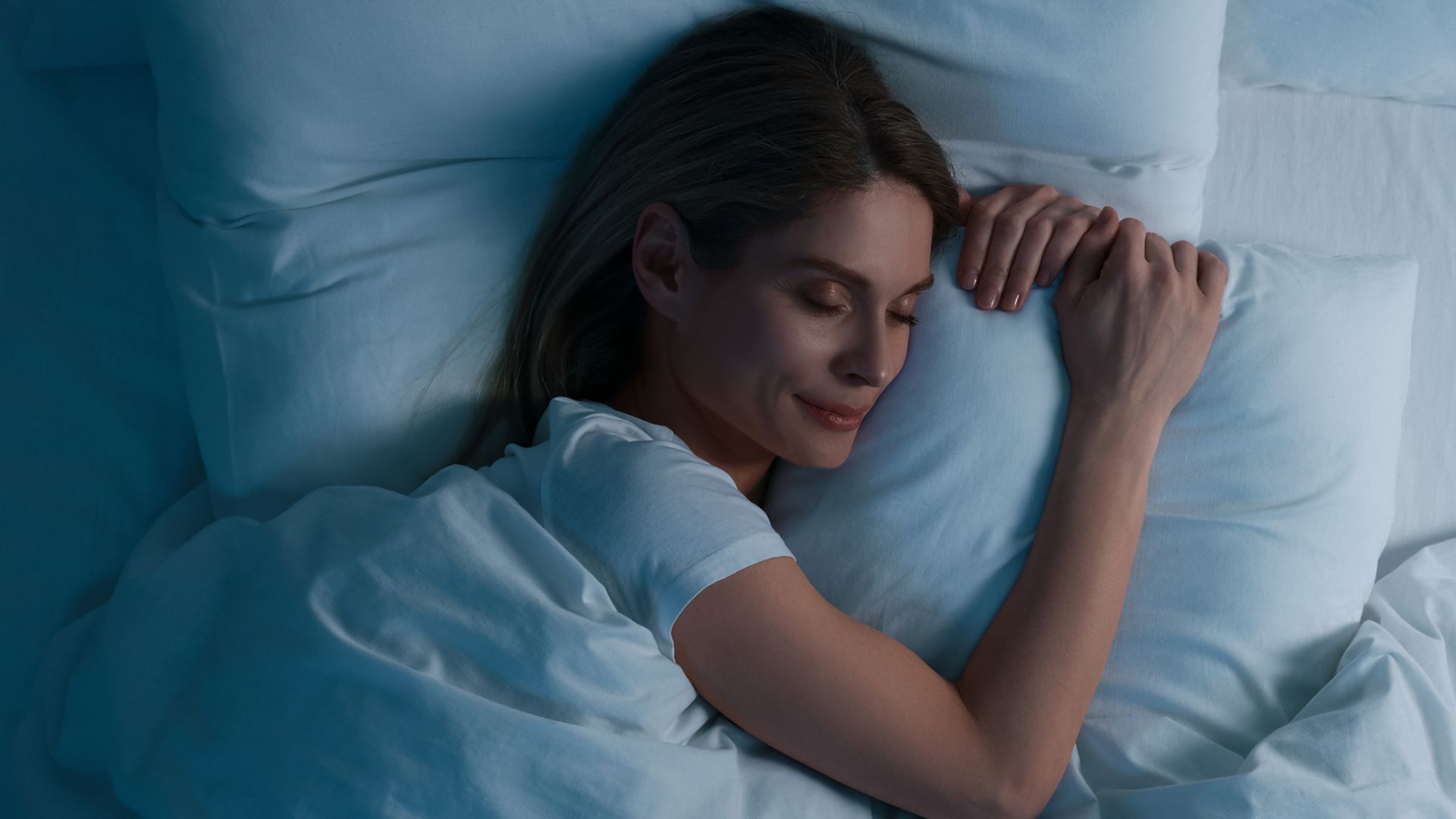
Here's something to consider if you struggle to sleep throught the night, or even worse, have insomina. What if the key to better sleep actually lies not in modern technology but in our prehistoric past? That's the theory of scientist and sleep therapist Dr. Merijn van de Laar, author of the book How to Sleep Like a Caveman: Ancient Wisdom for a Better Night's Rest.
The sleep expert, who has a PhD in the treatment of insomnia, has uncovered the secrets of our ancestors’ sleeping habits and bedtime routines, which as you can imagine, were very different to ours.
Cave dwellers didn't have to deal with modern distractions like we do, like scrolling endlessly on our phones while in bed instead of trying to get some rest, but they did have to worry about nocturnal predators, a factor that comes into play when it comes to their sleep patterns.
Through intensive analysis of archaeological and anthropological studies, Dr van de Laar makes the case that adopting certain sleep habits from our ancestors can have a multitude of health benefits, especially given our fast-paced modern-day lives.
In this in-depth interview, he reveals whether he believes past lifestyles are better than the present and the prehistoric habits you can adopt to get better sleep.
Dr van de Laar, why should we take a page from the past and consider sleeping like our ancestors?
To better understand what sleep is and how you can influence it, it's important to go back to basics. Our bodies have taken 100,000 years to develop fundamental behaviours, and sleeping is one of them.
We've been taught that you should fall asleep immediately and then stay asleep, when in reality your natural sleep pattern may be very different
How did their way of sleeping differ from that of the modern world?
In these tribes, waking up during the night was part of resting. For example, they would be awake for an average of two and a half hours per night. Being awake is not considered a problem; rather, it's interpreted as a natural response to possible nocturnal threats. We, on the other hand, have been taught that you should fall asleep immediately and then stay asleep, when in reality your natural sleep pattern may be very different.
The Paleo diet, sleeping like our ancestors... Do you think that, in some ways, the past was better than the present?
I don't think the past was necessarily better. For example, you can imagine that sleeping on leaves and branches at the mercy of nature didn't always guarantee a good rest. That's why I think that instead of trying to replicate the ancestral lifestyle, it's more valuable to take the positives and better understand how our body works.
Do you think sleeping like our ancestors can transform our quality of life?
Looking at sleep from another perspective - especially our waking moments at night - can help us sleep more peacefully. In recent decades, the media has emphasised the idea of "perfect sleep," but that perfectionism has gone too far. A lot of people, especially younger ones, worry too much about sleeping well, which only worsens the quality of their rest.
To better understand what sleep is and how you can influence it, it's important to go back to basics. Our bodies have taken 100,000 years to develop fundamental behaviours, and sleeping is one of them
Should we take light into consideration more when we're establishing our sleep schedule?
It is very beneficial to expose yourself to natural light, especially in the morning and early afternoon. This light helps reduce sensitivity to light at night, thus decreasing the risk of altering the biological clock. Intelligent use of light and darkness can improve the sleep rhythm…
[In places where] the days are very long and there’s a lot of sunlight, it is advisable to handle it carefully. For example, it can help to wear sunglasses at dusk or lower your lights at home an hour and a half or two hours before going to bed. That can help your body to prepare for going to sleep.
What exercise habits do you recommend to re-establish a natural sleep pattern?
It’s essential to move as much as possible during the day, but not too late in the day. If you exercise too late, and especially very intensely just before going to bed, it can make it more difficult to sleep. On the other hand, getting enough exercise during the day increases drowsiness at bedtime and, in the case of people with insomnia, can help them wake up less anxious.
What impact does sleep have on the prevention of disease?
Sleep is a key process for your body to recuperate; deep sleep is very important for physical recovery and preventing chronic diseases. Insomnia isn’t so much about deep sleep. It's a problem with REM sleep, and REM sleep is especially important for emotional recovery and emotional processing. That's also why people with insomnia, for example, may be more susceptible to mood problems or anxiety.
Getting enough sleep - that is, being in bed for the amount of time necessary for your individual sleep needs - is important for physical health. So if you don't have insomnia and you think you're not sleeping enough, you can just extend your bedtime a bit so that your body and mind do get enough rest. On the other hand, people who suffer from insomnia often benefit from spending less time in bed, in order to reduce nighttime anxiety.
Why do you believe that being awake isn't necessarily a bad thing?
Knowing your natural sleep needs is important... The duration, quality, and rhythm of sleep are important, but we tend to focus too much on how many hours we sleep. With insomnia, the priority is not [how many hours] but how to reduce restlessness during periods you’re awake. Sleeping longer can come later.