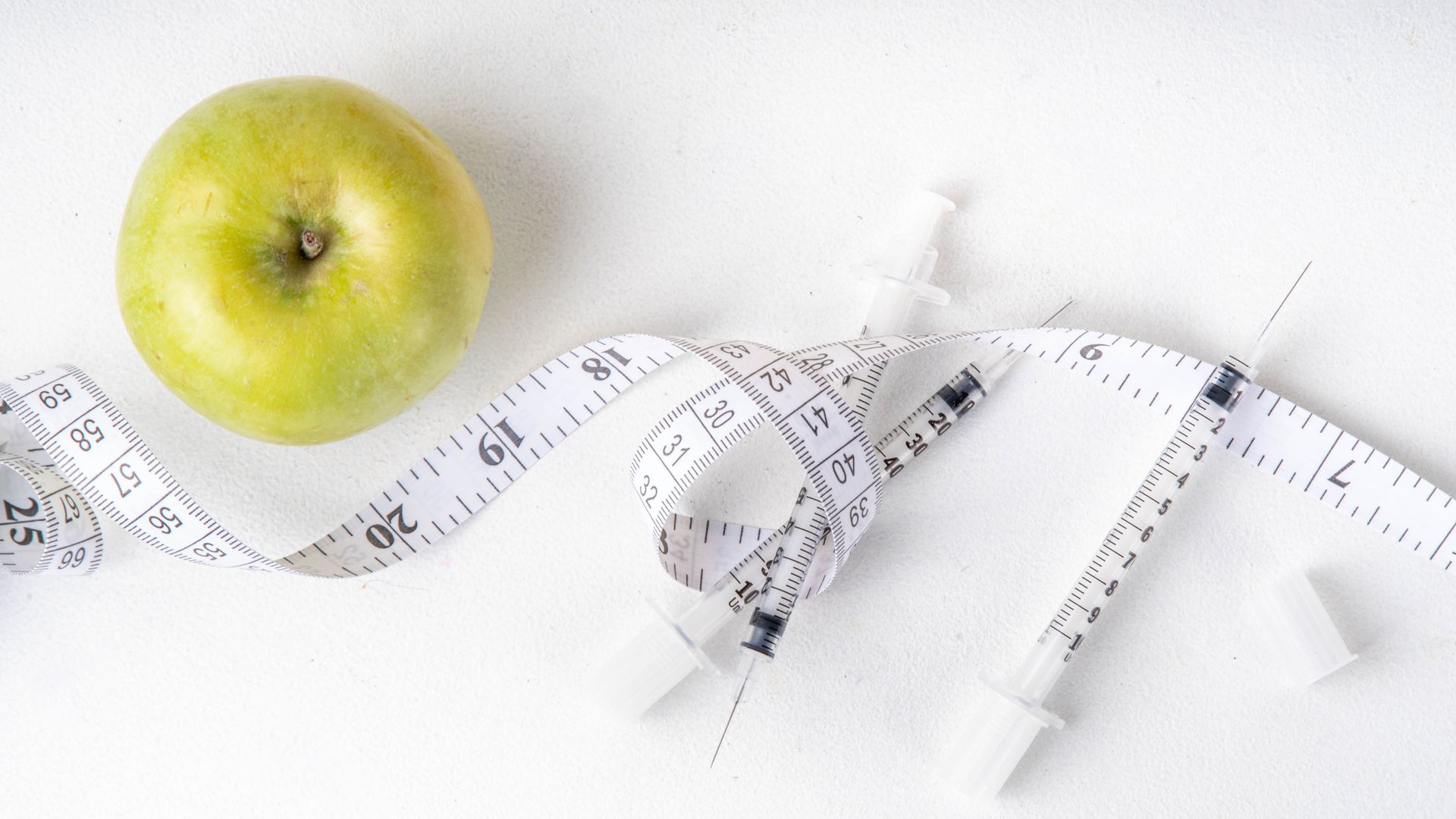
Ozempic and Wegovy have quickly become two of the most talked-about weight loss injections in the world, praised for their ability to reduce appetite, control cravings and trigger significant weight loss. But while these GLP-1 medications can be transformative, they are not a magic fix. According to leading experts, many people unknowingly make simple mistakes that can hold back their results or lead to unwanted side effects.
If you’re starting or already using a weight loss injection, here are seven common mistakes to watch out for – and how to avoid them for the best possible results.
1. Skipping meals because you’re not hungry
One of the most immediate effects of Ozempic and Wegovy is a dramatic reduction in appetite. While that may sound like a dream come true, it can lead to problems if not managed wisely.
"Having less food noise and less appetite can make it tempting to skip meals," says Dr Angela Kwong, GP and weight management expert. "Many people think that eating very little, or almost nothing, will accelerate their weight loss. The truth is, this is actually the best time to optimise your nutrition and set the foundation for a long term plan. Skipping meals can slow down your metabolic rate, drain your energy and increase the risk of nutritional deficiencies and muscle loss."
Psychologist Meredith Fuller agrees that emotional support and nutritional structure are just as important. "Often people feel so alone. Having a village around you of supporters, professionals, advisers and coaches is so helpful when it comes to exercise, nutrition and understanding how your body actually works," she says.
She adds that it can also be the first time people tune in to what their bodies truly need. "This will be the first time that your body can speak to you and you have the inclination and space to hear it – for example, 'I really want to eat an apple.' You begin choosing smaller portions, using a prettier plate, and stopping when your tummy says it’s time."
2. Expecting results without lifestyle changes
While GLP-1 medications help suppress appetite, they don’t teach new habits. That part is still up to you.
"These medications reduce appetite, but they don't teach long-term habits," says Dr Kwong. "People who rely on the injection alone often struggle to maintain results once the medication stops. The real value lies in using this window as an opportunity to implement lifestyle changes. With less food noise and fewer cravings, it becomes easier to focus on nutrition, exercise and other healthy habits that give you the best chance of maintaining results in the future."
Meredith adds: "While the injection will help you lose weight, you do need patience. If you have been obese for decades, you can delay your gratification for a few more months. Follow the medical advice. You’re changing your life, not just your diet."
3. Rushing to increase your dose
Patience really is a virtue, especially when it comes to adjusting your dose.
"Side effects are almost always worse when people rush through to increase the dose," says Dr Kwong. "Following the recommended titration schedule your prescriber makes a big difference in comfort and sustainability. Patience during dose escalation often leads to a much smoother journey."
4. Not drinking enough water or eating enough fibre
GLP-1 medications can reduce your thirst and make food feel heavier. This sometimes leads to people forgetting to hydrate or missing out on important nutrients.
"It's easy to forget to drink fluids when your appetite is low, and to unintentionally neglect fibre intake," says Dr Kwong. "That's why it's important to consciously structure your day with regular fluids and fibre. Doing so may help to minimise common gastrointestinal problems while taking GLP-1s, including nausea, constipation and bloating."
5. Forgetting to review other medications
As your weight and overall health change, so might your need for other medications.
"It's important to take a holistic view of all your medications during a weight loss journey," says Dr Kwong. "GLP-1 medicines can interact with other conditions and prescriptions, meaning existing treatments may need adjusting. For example, people often require changes to their blood pressure, cholesterol or diabetes medications as their weight and health improve. Regular reviews with your practitioner ensure your medication doses remain safe and optimal for your needs."
6. Stopping suddenly without a plan
You’ve reached your goal weight and feel great. But what happens next? Experts say stopping your injections abruptly can lead to weight regain unless you have a proper plan in place.
"Once you've reached your goal weight, it's important to have a consultation with your prescriber to discuss how that weight will be maintained and how the medication will be reduced or weaned," says Dr Kwong. "Suddenly stopping on your own can lead to rebound appetite and weight regain. Instead, work with your prescriber to create a safe plan and put the right supports in place for long term success."
Meredith adds: "Get yourself ready before you even begin. See a psychologist or counsellor before you proceed. Understand both the psychological and physical issues. Banish inaccurate thoughts such as 'it is weak to use an injection'."
If you are tempted to stop without guidance, she urges you to reflect first. "Losing weight is a plan for life. You can get busy living or get busy dying, as the film says. You will be able to make good choices and decisions, and this will lead to better quality of life and better relationships with family, children, friends and colleagues because you will be able to fully engage."
7. Not preparing mentally before starting
Many people focus on the physical transformation, but forget to prepare for the emotional changes that often come with rapid weight loss. Fuller recommends starting with mindset, not just medication.
"Preparation before beginning injections is crucial. See a psychologist or counsellor to explore how your life will change and how you will need to alter how you live your life on a daily basis," she says.
"Consider what you will gain rather than focus on what you may be deprived of. You won't miss those sugar indulgences or eat until you cannot move. You will discover how you feel when you are healthy and your mind and body work together to be the best you can be. You will be living a fuller life."
For those who fear change or feel unsure, she reassures, "People may loathe exercise or fear they can’t include it in their day, or have no interest in learning about nutrition. Some need a coach or a supportive family who are non-judgemental. That support can make all the difference."
Final thoughts
Weight loss injections like Ozempic and Wegovy are powerful tools, but they are just that – tools. As Dr Kwong explains: "These medications can open the door to better health, but they only form part of the picture. With careful supervision, balanced nutrition and lifestyle support, they can help people not just lose weight, but also build the habits that support long term wellbeing."
Expert bios
- Dr. Angela Kwong, MBBS DCH FRACGP is a Sydney-based GP and the NSW State Lead for the RACGP Specific Interests Group in Obesity Management. She is the Founder of Enlighten Me, an award-winning medically supervised weight management program and doctor designed meal replacement shake.
- Meredith Fuller is an Australian psychologist and fellow of the Australian Psychological Society with over 45 years experience in counselling, vocational psychotherapy, and mentoring psychologists.