
Food is medicine - that's an expert-approved health approach that encourages us to take advantage of the unique properties of each food we eat to reap the benefits to the max. Certain foods and nutrients can help prevent hair loss and promote growth of strong and shiny hair; boost collagen production and fight premature skin ageing; and even reduce the appearance of cellulite. While the main appeal of a healthy diet is often its role in maintaining an ideal weight, the goal of beating water retention and waking up with a flat stomach involves more specific science.
Broccoli, cabbage, and kale might be popular in weight-loss plans because they're low in calories, but their complex fibres ferment in the intestine, which can unfortunately cause bloating.
Some say "abs are made in the kitchen", and it really does ring true! To prove the point, we've put together a list of 8 foods that help fight water retention, helping make the tummy look much flatter and reduce bloating.
They're simple foods that you probably already have in your kitchen - from those rich in potassium that maintain water balance to snacks that support the body's natural detoxification processes.
Here's how to easily start beating the bloat for a flatter stomach with these foods, along with guidance and advice from nutrition experts.
8 foods that fight water retention for a flatter stomach
1/8
 © Getty Images
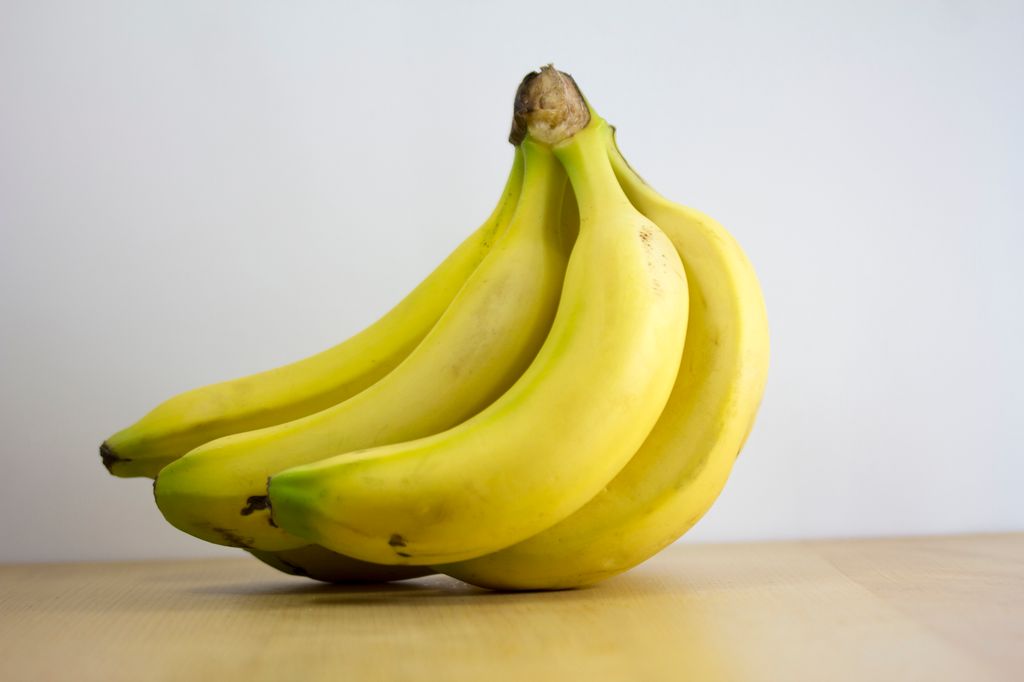
This common fruit helps with fluid retention
Banana
This fruit is a favourite among athletes thanks to its rich content of magnesium, phosphorus, and potassium - all key to muscle recovery and function. Beyond fitness benefits, bananas are also well-known for helping to balance water levels, effectively preventing fluid retention. They're also easy to digest and help counteract sodium - the main component in salt that promotes bloating.
2/8
 © Getty
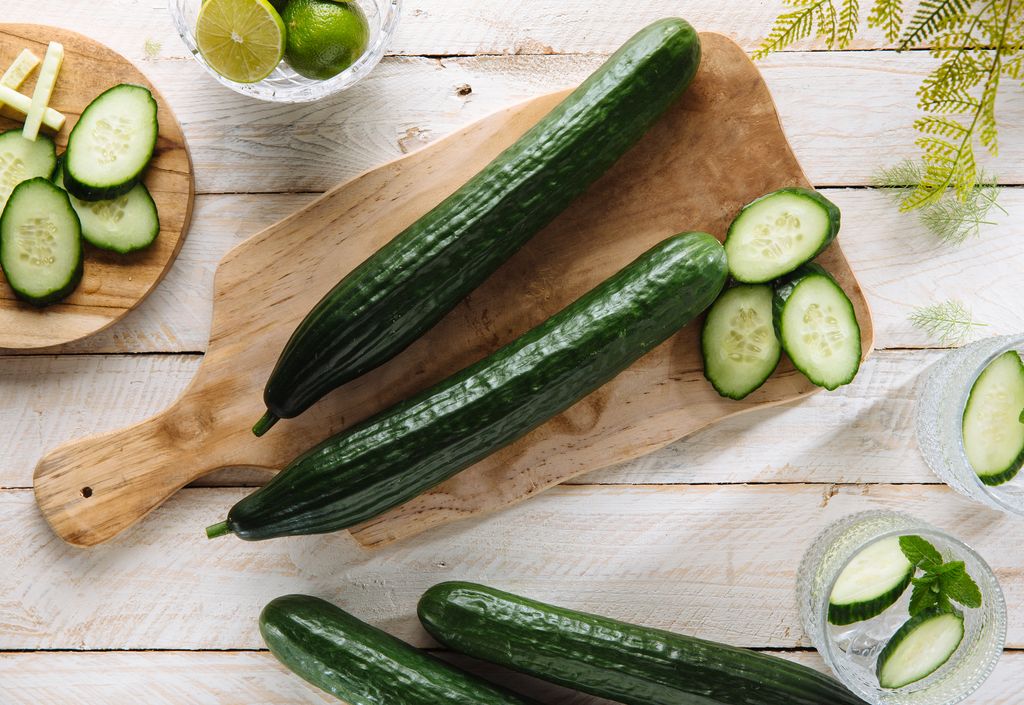
Cucumbers are a healthy diet staple
Cucumber
This fruit (which is commonly grouped with veggies!) is extremely low in calories and boasts a high water content. Thanks to its antioxidants and B vitamins, it has been a staple in beauty rituals for centuries.
It's rich in potassium, which helps to maintain proper water balance and acts as a natural anti-inflammatory. It's also considered a diuretic, meaning it helps the body eliminate excess fluid, and can even help to prevent indigestion or acid reflux.
3/8
 © Getty Images
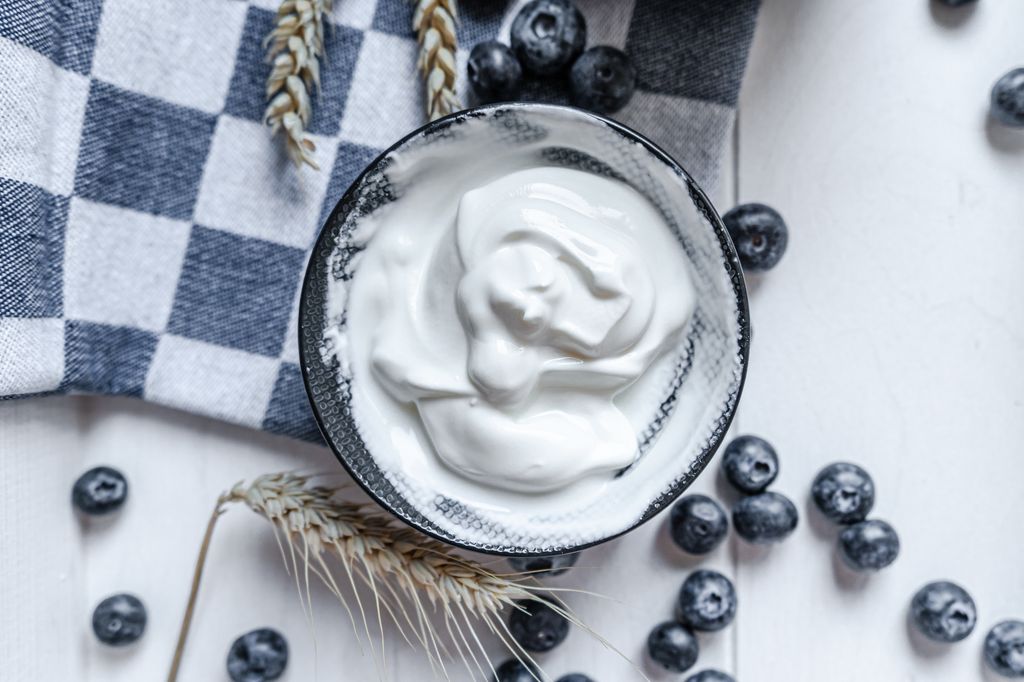
Avoid yoghurt with artificial sweeteners
Yoghurt
Yoghurt is a fantastic source of protein that keeps you feeling full for hours and is incredibly versatile to incorporate into your diet. Opting for natural yoghurt, ideally without artificial sweeteners, is best as it actively reduces abdominal inflammation by protecting the gut microbiota.
The calcium it contains isn't just good for your bones; it also helps to regulate levels of cortisol, often called the "stress hormone," which is known to cause fat accumulation around the tummy, amongst other adverse effects.
4/8
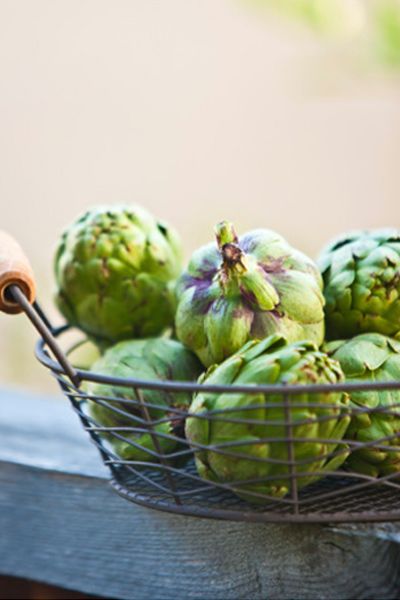
Artichokes help regulate blood glucose and cholesterol levels
Artichoke
This heavyweight of slimming regimes has earned its excellent reputation over the years for entirely justifiable reasons. Experts at Madrid's Mira+Cueto Wellness Clinic highlight its detoxifying function for both the liver and kidneys.
It also actively aids in the elimination of fluids and assists with fat digestion. From a nutritional standpoint, its other great advantages include acting as a prebiotic to balance the gut's bacterial flora, regulating both blood glucose and cholesterol levels, preventing constipation and providing fibre along with B and C vitamins and niacin.
5/8
 © Getty Images
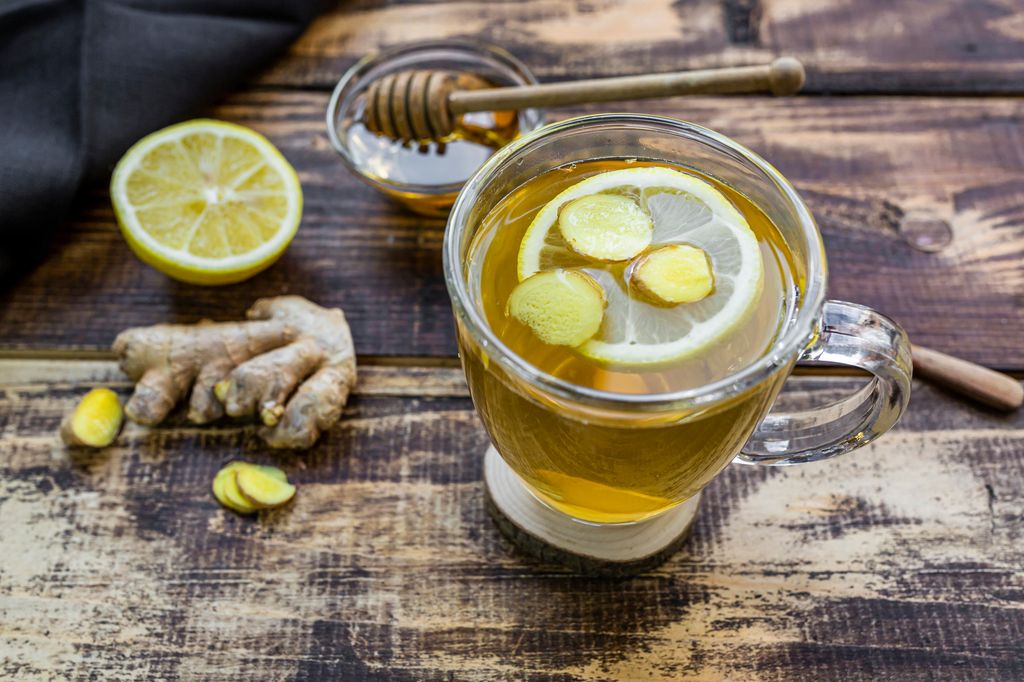
Ginger tea is a popular detox drink
Ginger
Ginger truly comes into its own during the winter season, taking centre stage in Christmas biscuit recipes, lending its unmistakable aroma to the most familiar of candles or imparting flavour to comforting teas that also help to boost your defences.
Another of ginger´s great assets is a detoxifying action that makes it a useful ally for counteracting the festive season's poorer eating habits. It helps to stimulate circulation, sweating and digestion.
6/8
 © Getty Images
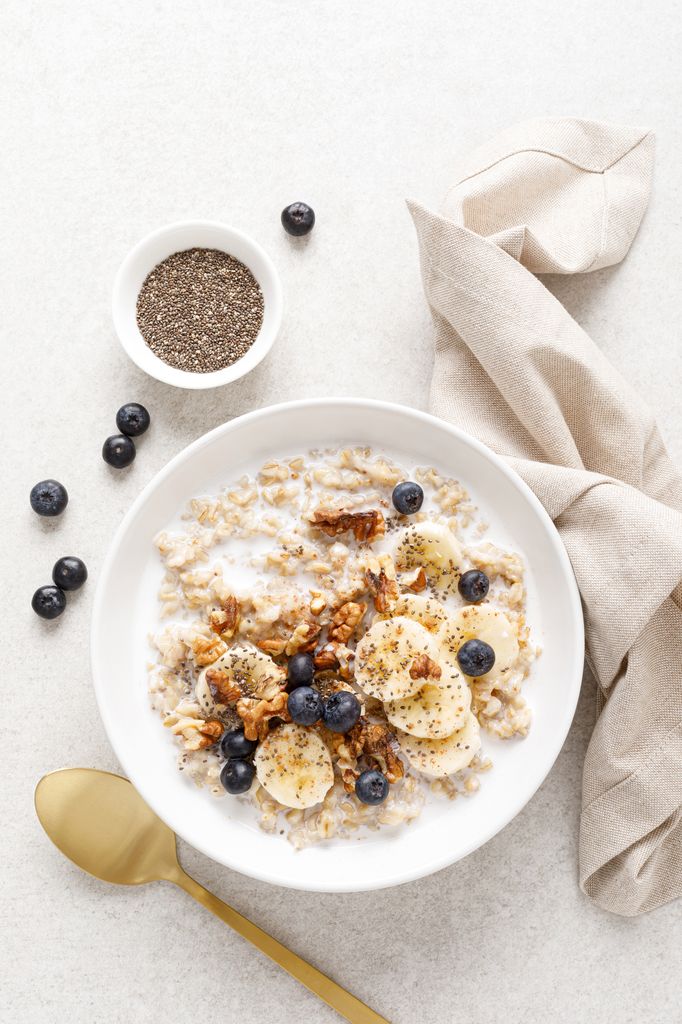
You can easily achieve an adequate daily dose through your everyday diet
Fibre
Fibre is vital for maintaining a healthy gut; it helps to balance the microbiome and blood sugar levels, promote a feeling of fullness and prevent constipation. The good news is that it's in a wide variety of foods, from fruit and vegetables to pulses and wholegrains.
7/8
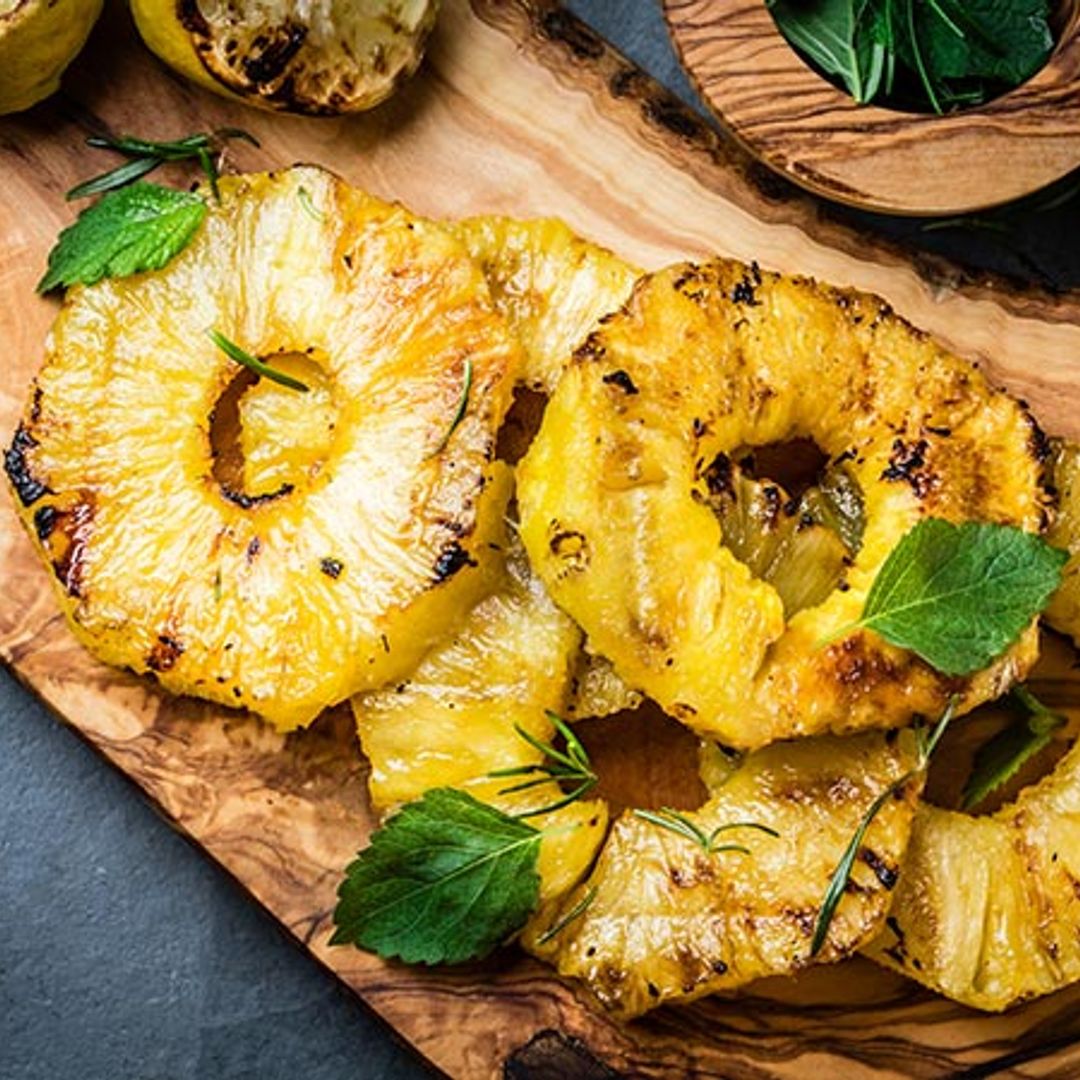
This fruit is a natural diuretic
Pineapple
Pineapple is one of the most famous diuretic fruits and a key player in many weight loss diets. Dr Elena Soria, a nutritionist at Spain's Menorca Clinic, explains its benefits: "In addition to aiding the digestion of proteins and regulating bowel movements, pineapple can also help reduce bloating.
"It's also very filling thanks to its fibre, and helps to prevent fluid retention. Its high water and low carb content mean it's also low in calories, with only 50 calories per 100g (3.5oz)."
Pineapple is a "natural diuretic with a water content of around 85%, which helps your body eliminate fluids and toxins."
8/8
 © Getty Images
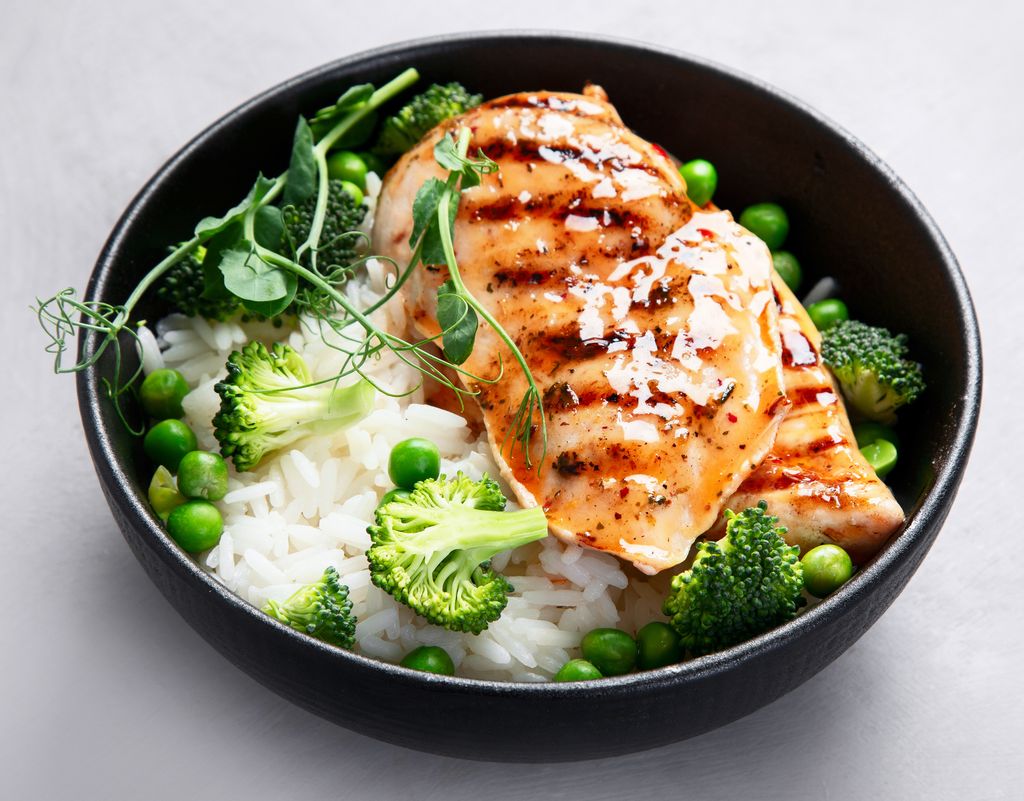
Our body uses more energy digesting protein than it does digesting carbs or fat
Lean proteins
To lose weight, you have to burn more calories than you consume. Sara Álvarez, co-founder and creator of the Reto48 method, advises: "Ideally, you should cut down on simple carbohydrates and instead prioritise protein and complex carbohydrates (like vegetables, oats, and brown rice), reduce your intake of bread, drink plenty of water, eat soluble fibre like oats or nuts, and have more protein for breakfast."
Lean proteins are best because of their low-fat content, ability to manage sugar levels and thermogenic effect.
Elvira Berengüí, head of Nutrition at PronoKal Group, explains: "Our body uses more energy digesting protein than it does digesting carbohydrates or fat, which can help with weight management and reducing cravings."


