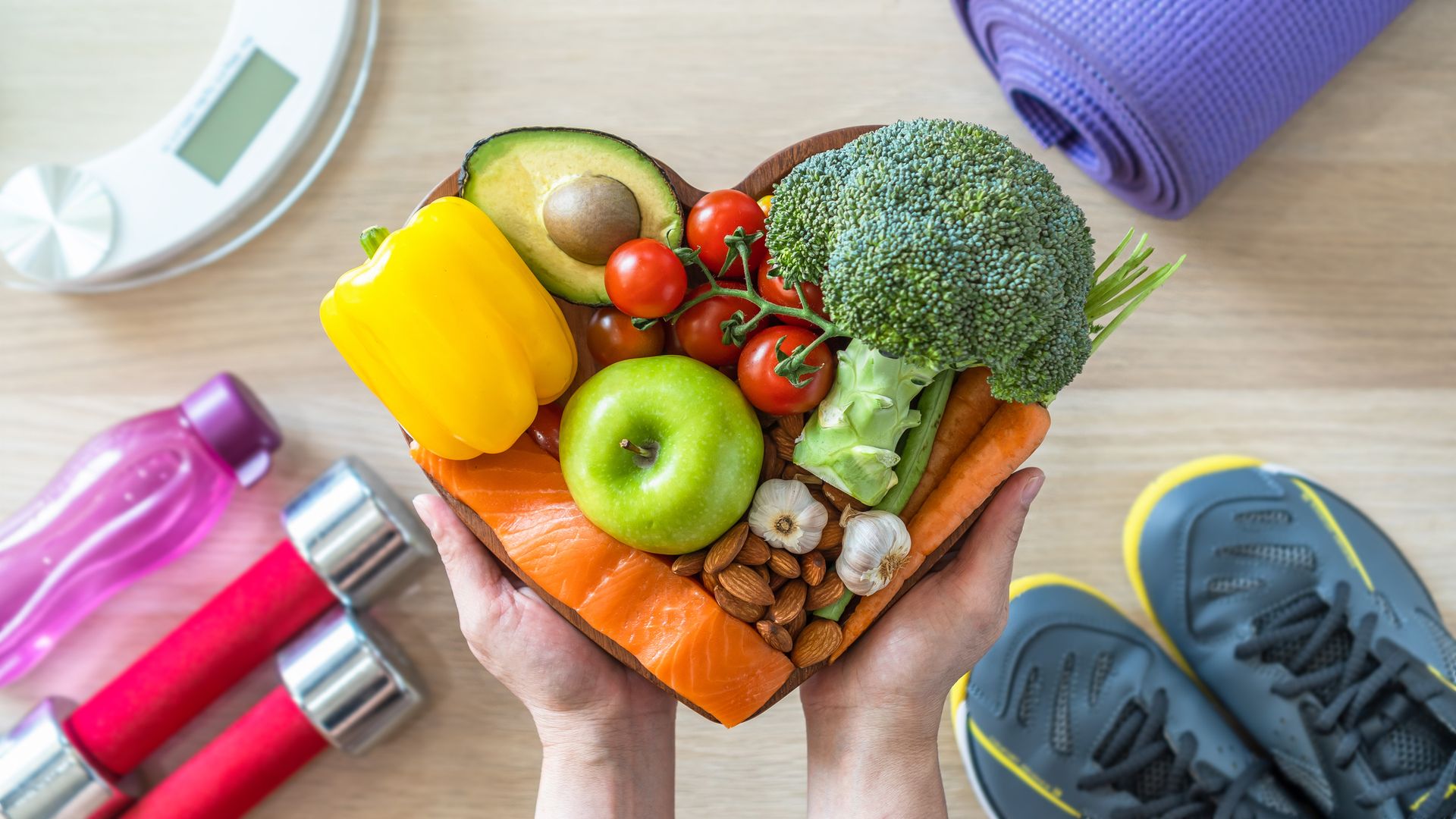

From your breakfast to your late-night snacks, everything you eat each day can impact your heart health for better or for worse. Some foods can boost circulation, lower cholesterol, and keep your energy steady, while others sneak in extra salt, sugar, or unhealthy fats that quietly strain your cardiovascular system over time. Discover the best and worst foods for heart health with expert insight from Sean Taylor, Director of Science and Heart Health, World Heart Federation.
Why diet matters for heart health
"Poor diet is a leading cause of cardiovascular disease, estimated to be the second most important cause of cardiovascular disease deaths after raised blood pressure. In 2023, almost one-third of cardiovascular deaths (31 per cent) could be attributed to dietary risks. That’s over 5.9 million deaths globally, of which 48,000 occurred in the UK - one of the highest rates in Western Europe," explains Sean.
 © Getty Images
"There are a few different things to consider when thinking about your diet and how it can affect your cardiovascular disease risk. It is important to be aware of all of them, and remember a healthy diet doesn’t just mean cutting out a specific food type or nutrient group."
Foods to consider avoiding to support a healthy heart and why
There are some foods that would be particularly beneficial to manage your intake of, as they can impact blood pressure, contribute to high cholesterol and increase the risk of heart disease, as Sean explains.
Ultra-processed foods:
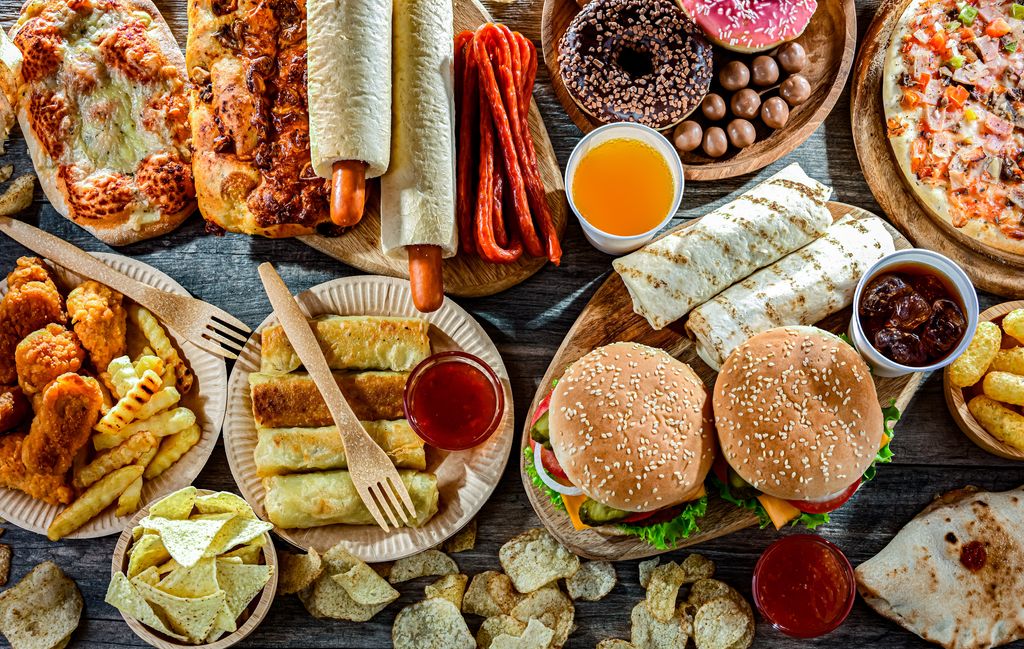
"Most people in the UK need to consume less saturated fat, salt and sugar. Ultra-processed foods (including most savoury and sweet packaged foods, sweetened drinks and ready meals) are one of the main sources of these ingredients and should be eaten less often and in small amounts," Sean says.
"Not only do they increase the risk of heart disease, but also other conditions like diabetes, bowel cancer and obesity. As well as people being aware of the risk, government policies can help people make healthier choices – for example, through making healthier foods more available and affordable, mandating clear and informative food labels, regulating food marketing and increasing tax on sugary drinks."
 © Getty Images
Foods high in saturated fat:
"Foods high in saturated fat raise your risk of having high cholesterol. This can build up and cause fatty deposits in the walls of your arteries. Cutting back on foods such as fatty cuts of red meat (e.g. beef, pork, lamb), processed meats (e.g. sausages, bacon), dairy products (e.g. butter, cream, cheese), and baked goods (e.g. cookies, cakes) can help reduce your risk of high cholesterol and heart disease."
Excess salt:
"Consuming too much salt increases your risk of having high blood pressure, the leading cause of heart disease. It increases the strain on your arteries, heart and other organs and raises your risk of heart attack and stroke, among other conditions. Ideally, daily salt intake should be around 5g, or one teaspoon," the heart expert says.
"Favouring herbs, spices and lemon to season food instead of salt, and reducing the amount of salt you use to season food gradually, can help cut intake. Low-sodium salt substitutes that contain potassium are also recommended as an alternative to regular table salt."
High sugar levels:
"Consuming too much sugar increases the risk of weight gain and a range of cardiovascular risk factors and conditions. Try to limit your intake of free sugars (i.e. sugar added to foods and beverages by the manufacturer, cook or yourself), to five to ten per cent of total calorie intake. For most women and men, that would be around six and nine teaspoons of sugar, respectively. Remember, free sugars can be found in high amounts in a lot of different foods – a can of fizzy drink or standard chocolate bar would already hit these limits. Saving sweet snacks for special occasions can help lower your risk of heart disease. Likewise, if you take sugar with tea or coffee, gradually reducing this by a little per week can help cut it out over time."
In addition to being aware of certain foods, it is also important to maintain a healthy weight. "Obesity is responsible for ten per cent of cardiovascular disease deaths and is on the rise almost everywhere. Projections in the 2025 World Heart Report suggest that two in three adults will be obese by 2050," Sean says.
 © Getty Images
However, you don't need to completely cut out all of the above foods to maintain a healthy body, but be careful to consume them in moderation. "That means you don’t have to give up your mince pie or pigs in blankets as Christmas arrives, but be conscious not to overdo it, stay active, and balance with plenty of healthy foods," the expert adds.
Recommended foods to support cardiovascular health
Meanwhile, focusing on a healthy, whole foods diet can support cardiovascular health. "Making sure you are eating more healthy foods such as whole grains, fruits and vegetables, nuts and seeds and oily fish is a great way to make your diet more 'heart healthy'," Sean says. "The UK’s Eatwell Guide provides more detail on making choices and setting portions per food group. For adults, this includes eating at least five portions of a variety of fruit and vegetables per day, two portions of fish per week (one of which is oily), and favouring bread, pasta and other carbohydrates that are wholegrain, high fibre and have less added salt and sugar."
Establishing healthy habits from an early age is also important, as the expert explains: "Finally, for those who take care of children, remember that good dietary habits start early in life. Poor nutrition and obesity in childhood can increase the risk of having cardiovascular disease and other diseases in adulthood."