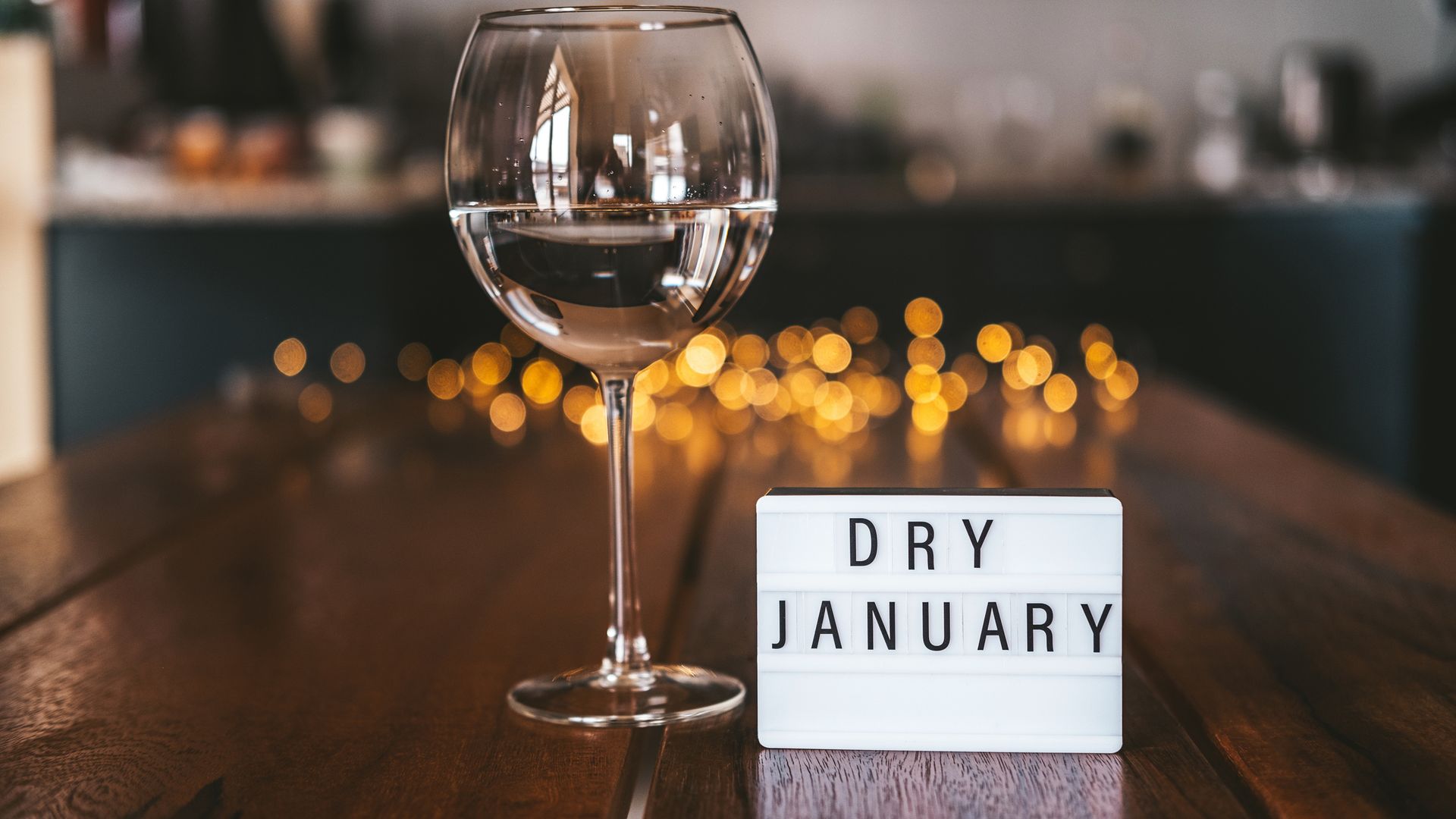
January is a month when many of us try to establish healthier habits to improve our well-being, and one of these may be through cutting out alcohol. Dry January encourages abstaining from alcohol completely for 31 days, which can have a huge impact on both your mental and physical health, even if you're not a big drinker.
From better mental clarity to glowing skin, we caught up with a doctor to discover the week-by-week benefits of Dry January, along with what to do if you feel your willpower starting to slip.
How to succeed at Dry January
There are a few key steps that can optimise your chances of success at Dry January (or what's left of it!) and Feelgood February. Even if you didn't do all of these at the beginning of the month, thinking about your intentions and reasoning for cutting out alcohol may also help if you're starting to crave a drink partway through the process.
"The best way to start Dry January is by getting clear on your 'why.' Some people want better sleep, less anxiety, or more energy. Others are simply curious about how alcohol affects their mood or focus. Any reason is a valid one," says Dr. Nzinga Harrison, Chief Medical Officer and co-founder of Eleanor Health.
"Dry January works best when you think of it as a short-term experiment, not a lifelong commitment. Clearing alcohol out of your immediate environment, telling a friend or loved one what you’re trying, and planning ahead for social situations or stressful moments can make the experience feel more manageable. If the idea of starting feels overwhelming, that’s not a failure - it’s useful information that may signal a need for extra support or a gentler approach."
Week One
The first week may bring some noticeable side effects, but sticking with it can bring some real benefits, as Dr. Harrison explains: "Many people notice meaningful benefits over the course of Dry January, though the timeline can vary. In the first week, sleep may feel disrupted at first, and cravings can be strong as the body adjusts," says the physician, who specialises in addiction medicine.
Week Two
Thankfully, things should start to look up by the second week of Dry January, the doctor says. "By the second week, sleep quality often improves, hydration and digestion normalise, and anxiety or irritability may begin to ease."
Week Three
Meanwhile, by week three, the doctor says "many people report clearer thinking, more stable moods, and fewer urges to drink."
Week Four
The benefits don't end there - according to the expert, you can feel even better after a full month of abstinence from alcohol. "By the fourth week, increased energy, improved focus, and a stronger sense of confidence are common. Beyond physical changes, many people are surprised by how much mental space opens up when alcohol is no longer part of their daily routine," Dr. Harrison explains.
What to do if you feel like giving up
There may be times when you experience cravings or feel tempted to have a drink, but these aren't a sign that you are doing anything wrong, according to the Chief Medical Officer. "Cravings are common, especially in the first couple of weeks, and they don’t mean you’re doing anything wrong. Alcohol cravings often rise and fall like a wave, peaking and passing within a short window of time," she explains.
"Eating regular meals, staying hydrated, and getting enough rest can help reduce their intensity. It can also be helpful to pause and ask what the craving is really about - stress, boredom, habit, or a desire to unwind. Distraction, movement, or simply delaying a decision can be enough to get through the moment. If you do have a drink, that doesn’t cancel out the effort you’ve made; it’s an opportunity to learn more about your triggers and what support might help next time."
Meanwhile, there are plenty of alternatives to alcohol if you miss the ritual of drinking. "Many people find that having an alternative drink is less about replacing alcohol and more about preserving the ritual. Holding a glass, taking a pause, or marking the end of the day can still matter. Sparkling water with citrus or herbs, non-alcoholic beer, wine or spirits, kombucha, herbal teas, and functional beverages can all fill that role," Dr Harrison says.
"The goal isn’t to find a perfect substitute but to choose something that still feels intentional and enjoyable. Over time, some people discover they don’t miss alcohol as much as they expected once the routine itself is supported in a different way."
Is there any danger in trying Dry January?
Before making any changes to your lifestyle, you should consider the impact it may have, including any risk factors that may mean it isn't a good decision for you. "For most people, taking a break from alcohol is safe and beneficial. However, for individuals who drink heavily or daily, stopping suddenly can be risky and should be done with medical guidance," says Dr Harrison.
"Withdrawal symptoms can include shaking, sweating, nausea, anxiety, and in severe cases, seizures. If someone has alcohol use disorder or is concerned about withdrawal, talking with a clinician before starting Dry January is important. Supportive care, including Medications for Addiction Treatment (MAT) and counselling, can make reducing or stopping alcohol safer and more comfortable. Dry January should feel supportive and empowering, not physically or emotionally dangerous."