
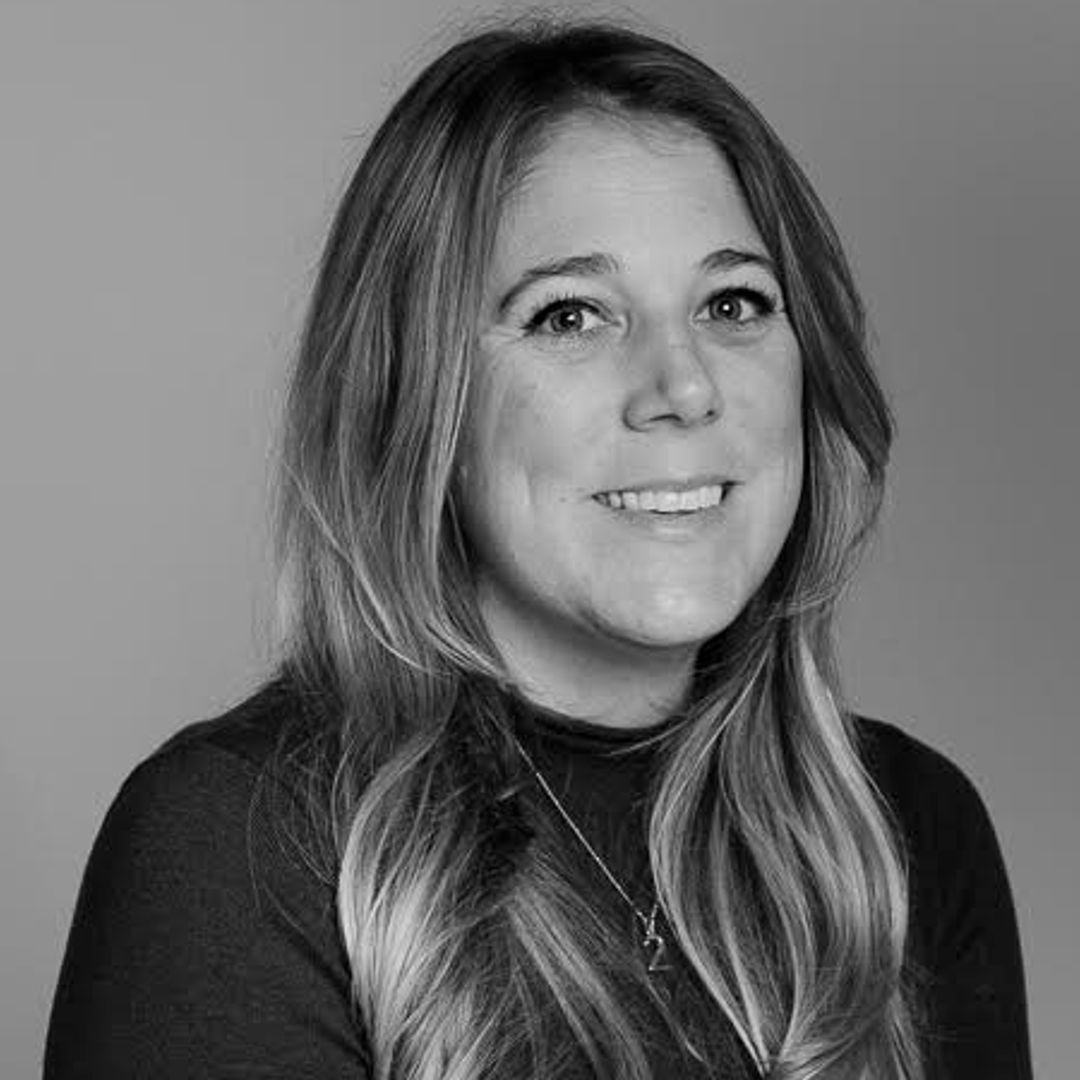
Alison Hammond worried her legions of loyal fans on Friday when she was helped off air by co-host Dermot O'Leary, clutching her chest.
Reassuring her followers from her hospital bed, Alison took to Instagram to explain that she had a "massive panic attack on live TV," adding: "The shame of it."
 © Instagram
First off, there was nothing to be ashamed of, which Alison's followers were quick to reassure her of, but as anyone who has ever experienced a panic attack knows, it can be incredibly distressing, with symptoms including palpitations, a pounding heart or accelerated heart rate, which explains why Alison rushed to hospital to have her heart checked out, before learning she was having a panic attack.
"It felt very real to me," Alison said, adding: "I'm really new to panic attacks, so I need to learn more about it. This is a new world to me. I'm going to take stock, get some rest, and I'll see you soon."
A new world of panic
A panic attack is scary even when you know what's happening, so the distress Alison felt, not being used to the sensation, is completely understandable – and it got us to thinking: what might cause someone to have a panic attack when they're in a totally normal, comfortable situation (rather than under stress or in a worrying scenario), having never had one before.
"A first panic attack can happen when the nervous system becomes overwhelmed, even if someone has never experienced one before," explains GP and hormone expert Dr. Sohère Roked.
 © Getty Images
"Major life events, prolonged stress, lack of sleep and significant emotional or physical strain can all contribute," she continues.
What can cause a panic attack?
On why Alison seemingly had a panic attack out of nowhere, in a calm situation, Dr. Roked explains: "It can feel as though a panic attack has come completely out of the blue, but that doesn't necessarily mean there was no trigger.
"The body can reach a point where its stress-response system becomes activated without an obvious conscious reason. Sometimes there has been an accumulation of stress, poor sleep or hormonal changes in the background, but the person may not have recognised these as significant. The brain essentially sends out an alarm signal before we have consciously identified what it thinks we need to be alarmed about."

What is a panic attack?
According to neuroscientist Dr. Sabina Brennan, a panic attack is a sudden surge of intense fear or intense discomfort that reaches a peak within minutes.
She explains there are 13 possible symptoms:
- Palpitations, pounding heart or accelerated heart rate
- Sweating
- Trembling or shaking
- Shortness of breath or a feeling of smothering
- Choking sensation
- Chest pain or discomfort
- Nausea or abdominal distress
- Dizziness, light-headedness, unsteadiness or feeling faint
- Chills or heat sensations
- Numbness or tingling
- Derealisation - surroundings feeling unreal, or depersonalisation - feeling detached from oneself
- Fear of losing control or “going crazy”
- Fear of dying
Why might we start having panic attacks?
Dr. Brennan explains that a first panic attack at 50 (or 51, in Alison's case) is fairly unusual, as panic disorders usually begin considerably earlier, but that's not to say it won't happen.
She notes the link between hormonal changes and panic attacks in women around 50, who could be in perimenopause, menopause or even post-menopause.
"In a large study of postmenopausal women, panic attacks were actually most prevalent among women aged 50–59, the group likely to be closest to the menopausal transition. The authors pointed towards hormonal change, psychological distress and somatic symptoms as possible contributors rather than establishing a simple causal relationship."
Keen to note that having one panic attack at 50 shouldn't automatically be attributed to anxiety, Dr. Brennan cautions: "Particularly with chest pain, palpitations, faintness or significant breathlessness, appropriate medical causes need to be considered.
"Sometimes there is an identifiable trigger or combination of contributing factors; sometimes there isn't. A first panic attack can occur without the person being consciously anxious and without an obvious external trigger."
 © Getty Images
She adds that having a panic attack does not mean that you will develop panic disorder, which is characterised as recurrent, unexpected panic attacks. At least one of those attacks is followed by a month or more of persistent worry about further attacks or their consequences, and/or significant changes in behaviour intended to avoid another attack.
Managing a panic attack when you're new to them
Dr. Roked acknowledges the worry of a panic attack is heightened if you've never had one before.
"When someone has never experienced a panic attack, the physical symptoms can be extremely frightening because they are unfamiliar and can feel very serious. A racing heart, difficulty breathing, dizziness or chest tightness can make someone think something is physically wrong."
 © Getty Images
She continues: "Understanding that these sensations can be part of the body’s fight-or-flight response can help take some of the fear out of the experience."
Here, Dr. Brennan shares her advice for minimising the risk of a panic attack and what to do during an attack…
How to reduce the chance of a panic attack
The neuroscientist says that regular sleep and exercise, managing chronic sustained stress and being aware that excessive caffeine, alcohol, nicotine and recreational drugs can precipitate or exacerbate symptoms can all reduce the risk of a panic attack.
How to cope during an attack
Recognise it: If you've previously been medically assessed and recognise this as your usual panic attack, label what is happening: This is panic. It is intensely uncomfortable, but it will pass.
Slow the breathing rather than taking frantic large breaths: Hyperventilation can exacerbate light-headedness, tingling and other sensations. Slow, gentle breathing
Don't flee automatically if you're somewhere safe: Remaining where you are when possible gives the brain an opportunity to learn that the sensations subside without the predicted catastrophe.
Redirect attention outward: Grounding attention in the external environment may help interrupt intense monitoring of internal sensations.
Don't fight every sensation: Trying desperately to make the heartbeat, dizziness or trembling disappear can increase monitoring of those sensations and start a problematic cycle
Here's hoping Alison is feeling better knowing what caused her heart palpitations, and that if another panic attack strikes, she'll feel reassured knowing what it is, and hopefully how to manage it.


