

If you're a dog owner, you'll already know that your furry friends can often gift you a high vet bill if something goes wrong.
And while devoted owners will likely take the hit so that their dog is cared for, it's nevertheless good sense to be mindful of which dog breeds can cost more in the long run, particularly if you're someone who is on the lookout for their next dog and are wondering which breed to research.
Dr Aimee Warner, a resident veterinarian at Waggel Pet Insurance, has shared the top five dog breeds that cost the most compared to other breeds.
 © Getty Images
The expert emphasises that understanding breed-specific health costs doesn't mean avoiding certain dogs but simply being prepared for them.
"These breeds make wonderful companions. But owners need to be aware of their health predispositions so they can plan for care. Financial preparation means these dogs get the right treatment without owners facing impossible choices."
Discover the breeds that incur high bills…
 © Getty Images
Cane Corso
Cane Corso dogs are known and adored for being extremely loyal and protective of their owners, but their size means they can come across digestive or joint issues such as hip and elbow dysplasia and cruciate ligament injuries.
Dr Aimee says: "With larger breeds like the Cane Corso, even routine procedures cost more — from anaesthetic doses to the size of surgical implants."
Typical UK treatment costs:
£7,100 - £7,650: Hip replacement (per hip, university referral hospitals)
£3,250 - £5,650: Cruciate ligament repairs (referral centres)
£2,000 - £2,250: Cruciate ligament repairs (advanced GP providers)
Several thousand pounds: Emergency bloat surgery (including ICU, imaging, out-of-hours surcharges)
 © Getty Images
Bernese Mountain Dog
The Bernese Mountain Dog is known to have a short lifespan due to high cancer rates.
Dr Aimee advises that owners prioritise early health screenings as catching conditions as soon as possible can improve outcomes.
Typical UK treatment costs:
£8,000 - £15,000: Cancer treatment (depending on type and duration)
£2,600 - £3,600: Orthopaedic surgeries (per joint)
Additional costs: Large-breed anaesthesia and recovery care
 © Getty Images
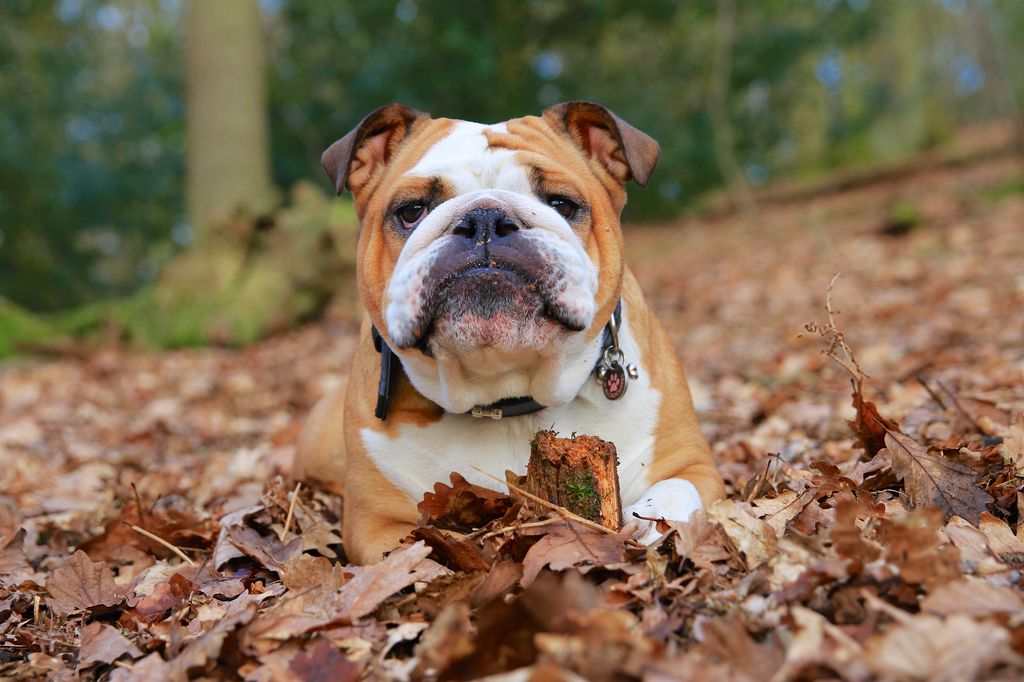
English Bulldog
The English Bulldog has a short muzzle and build and they often face skin and breathing difficulties throughout their lifespan.
Common conditions are Brachycephalic Obstructive Airway Syndrome (BOAS), skin fold dermatitis, eye disorders and joint disease.
Typical UK treatment costs:
£3,000 - £4,000: BOAS surgery
~£5,000: BOAS surgery with CT scan included
£300 - £500/year: Skin condition management
Variable: Orthopaedic surgeries (often required more than once over a lifetime)
 © Getty Images
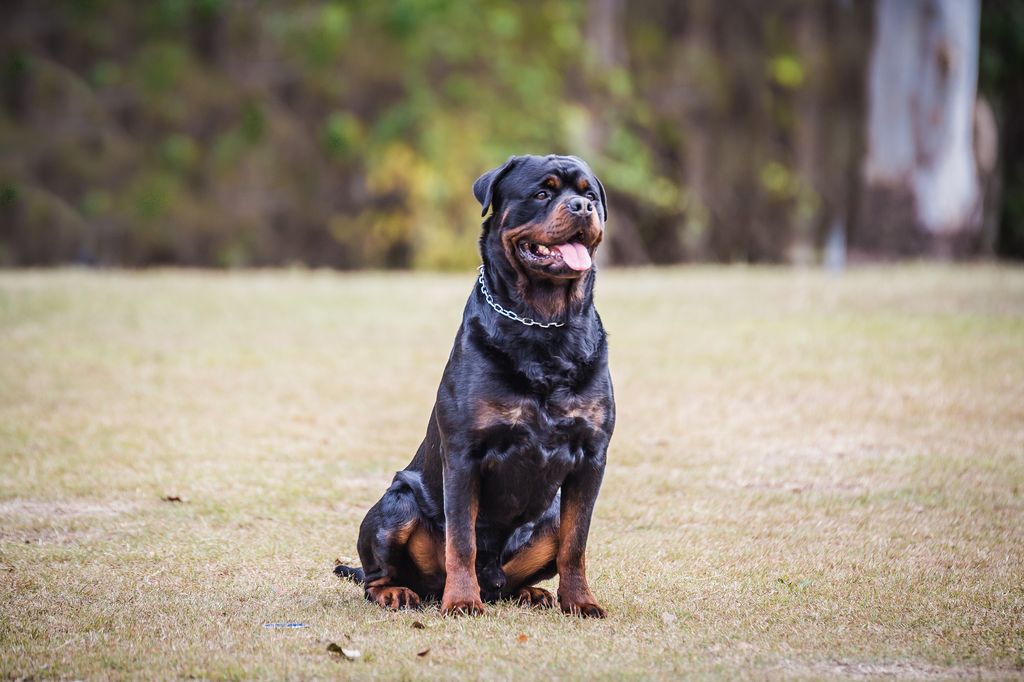
Rottweiler
Another breed that is considered fiercely loyal and powerful is the Rottweiler, but they have their own issues, too.
They're prone to musculoskeletal problems requiring surgery and often suffer from hip and elbow dysplasia and cruciate ligament ruptures.
Typical UK treatment costs:
£7,100 - £7,650: Hip replacement (per hip)
£3,300 - £6,000: Elbow surgery (depending on procedure)
£3,250 - £5,650: Cruciate ligament repair (referral centres)
£2,000 - £2,250: Cruciate ligament repair (advanced GP providers)
Dr Aimee notes: "When caring for Rottweilers, preventive care, from joint supplements to weight management, can delay or even avoid major surgery."
 © Getty Images
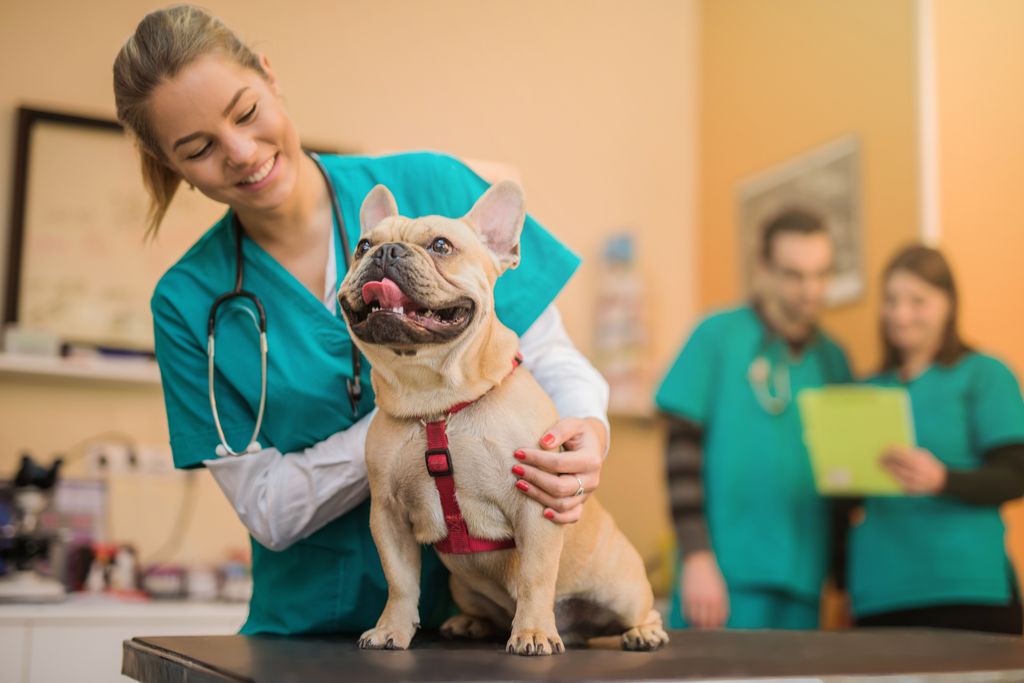
French bulldog
Similar to its British counterpart, French bulldogs suffer from skin and breathing problems.
They are also susceptible to skin conditions, allergies and birthing complications.
Dr Aimee says that owners should be prepared for regular vet visits from an early age.
Typical UK treatment costs:
£3,000 - £4,000: BOAS surgery
~£5,000: BOAS surgery with CT scan included
£4,500 - £6,000+: Advanced spinal surgery (often with MRI)
~£2,700: MRI packages (UK referral hospitals)
£100 - £300/month: Lifelong allergy management
Tips for financially and emotionally prepared ownership
Dr Aimee says there are four key things to consider when owning a dog. "Know your breed's likely health issues by researching and talking to a vet about the conditions your dog is prone to so you can budget for preventive care and spot early warning signs."
She adds: "Choose a cover that matches your risk profile. If your breed is prone to chronic or inherited conditions, ensure your policy includes them — premiums may be higher, but so is the potential cost of treatment without cover.
"Invest in prevention, not just treatment. Weight control, dental hygiene, joint supplements, and regular screening can save thousands over a dog's lifetime."
And finally, she adds: "Track and act. Keep a log of any changes in your dog's behaviour, movement, or skin. Subtle shifts can indicate problems long before they become emergencies."