
Sexologist and author Sonia Encinas specialises in motherhood and parenting, arguing that motherhood and sexuality are not mutually exclusive, but it is important to understand all the changes that a new mum - and a couple - can undergo following the arrival of a child.
The sexuality expert explores the impact of mental load and co-parenting (or the lack of it) on the sex lives of mothers, as well as how biology, rest and stereotypes factor in, to explain and uncover the real truth of this phase of life.
What happens to a woman's sexuality when she becomes a mother? Is the decline in desire caused by fatigue, the mental load, the focus on the new baby, or a disconnect with her partner?
"Maybe all of the above! The first thing that happens with new motherhood is that sexuality transforms, just as it does at different stages of life. These changes often clash with the idea we hold of what sexuality should be like - an idea that is, incidentally, quite static. We tend to think of sexuality primarily as a shared space within a couple, and that is already a flawed starting point.
"Sexuality is, first and foremost, your own; within that, the circumstances for sharing it may or may not arise. But let's be clear: we are sexual beings by definition, regardless of our sexual practices.
 © Getty Images
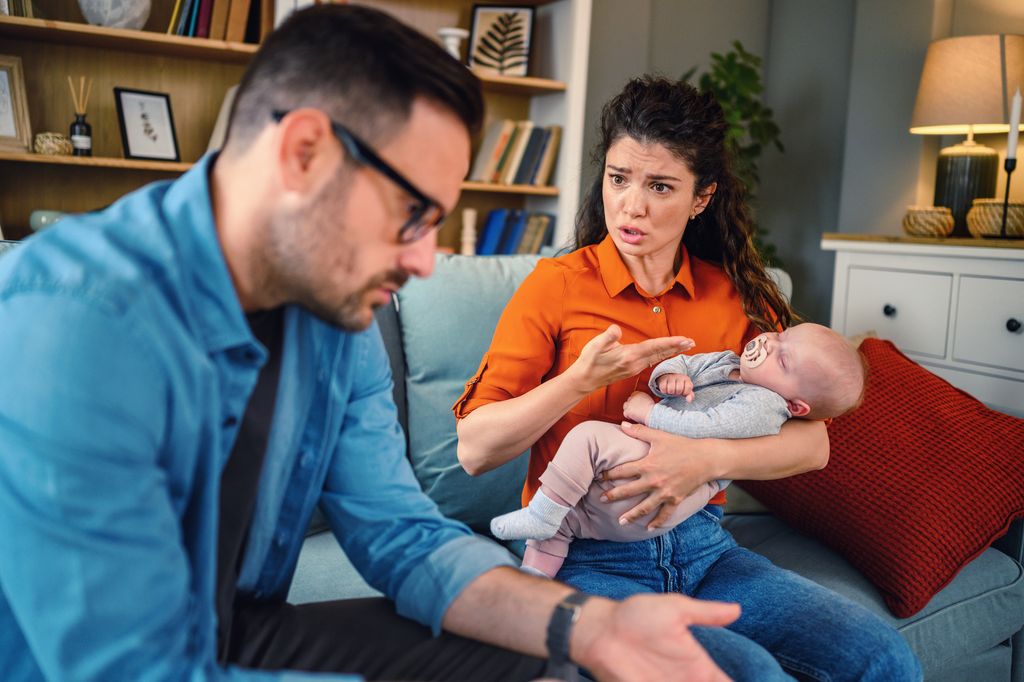
"In addition to the changes that occur in your own sexuality during the process of becoming a mother, changes also occur in the relationship with your partner, if you have one. What role does that partner play? Is there care, listening, admiration and respect for your journey as a mother?
"When a partner fails to take on a co-parenting and caring role, the mother becomes overburdened, and the couple's bond inevitably suffers. This happens far too often when we become parents. With a strained bond, the desire for sexual intimacy vanishes. It's a normal and functional response: 'How can I feel like having sex if I feel let down?'
"If [a new mother's] partner takes on a co-parenting role... her lack of interest in sex - which is often related to hormonal changes and tiredness - will likely be temporary"
"If the partner does take on a co-parenting role, then it is important to know that the lack of interest in sex - which is often related to hormonal changes and tiredness - will likely be temporary. I like to say that if we support each other properly during the postnatal period, we will find each other again on the other side, once the dust settles.
"If our libido doesn't return then, it's possible we are simply exhausted. So, before we worry about sex, we need to address the lack of time we have in our daily lives.
 © Getty Images
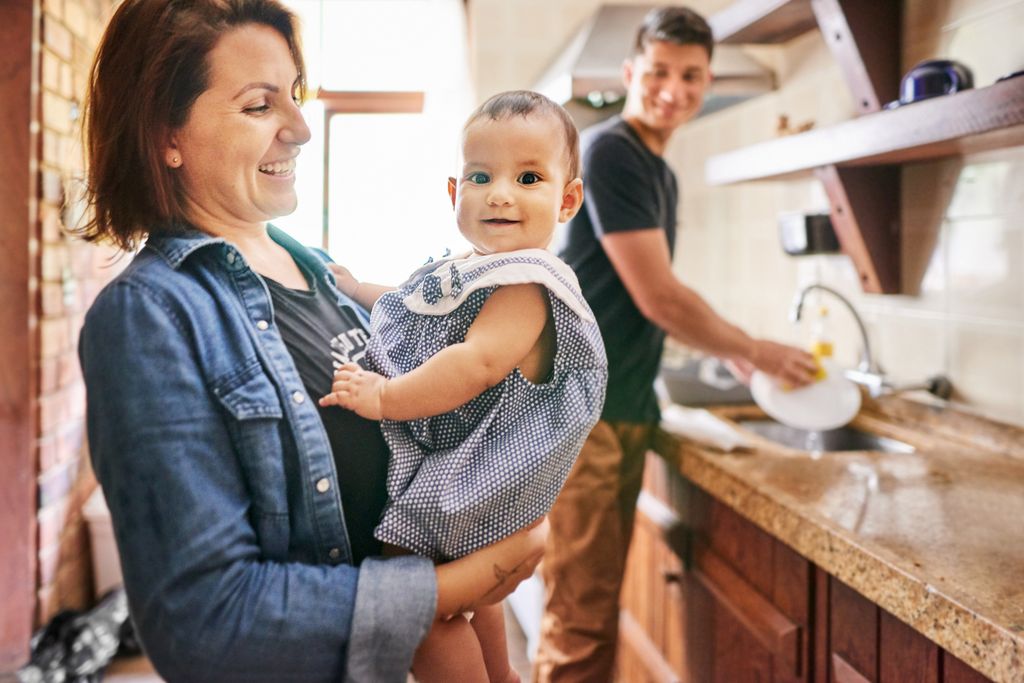
"Changes are inevitable, and if we support each other with love, respect and care, the shared sexual space will return to our lives at the right time. However, your partner is responsible for wanting to understand this, too. It is not the new mother's job to educate them while also navigating the postnatal period. Men need to step up in this regard."
This drop in desire after becoming a mother appears to be quite common. As you note in your work, it's often accompanied by feelings of guilt. How can a new mother address that?
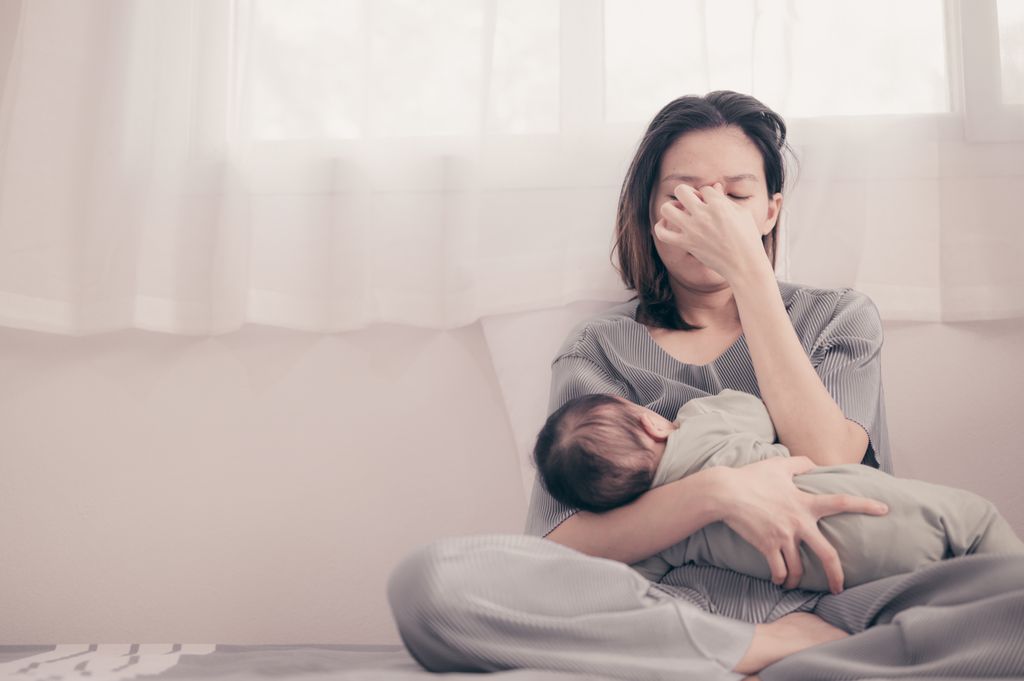
"First, we need to understand the physiological changes that take place during the postnatal period, as they serve a dual purpose. The first purpose is to give the mother space to fall in love with her child and build that bond of security and affection which ensures the baby's well-being. The second function, which is linked to the first, is to prevent another immediate pregnancy, ensuring the mother's energy remains focused on her baby.
"Physiological changes that take place during the postnatal period serve a dual purpose: to give the mother space to build a bond with the baby, and... to prevent another immediate pregnancy, ensuring the mother's energy remains focused"
"Next, we need to identify the root of that guilt. Why do you feel guilty for focusing on the baby when it's entirely natural? It's because women have been taught to focus heavily on their partner, believing that our role is to satisfy them so that they will love us and the relationship will endure.
"We've internalised sex as part of that 'pact'. This cultural belief is completely limiting and harmful. It leads us to view sexuality as something we 'give' to another person to keep them by our side, as a requirement, rather than a space for enjoyment and recharging our batteries; just like any other pleasurable activity, like reading, walking or dancing, to which we do not attach the same heavy demands."
 © Shutterstock / GrooveZ
You say that the sex life of mothers is rarely discussed: why is this aspect of a woman's life so often left unsaid?
"Motherhood connects us with a much broader form of sexuality that is intrinsic to our nature. However, because this does not fit with what I call the 'sexual script', we invalidate and silence it. There's a perception that if a woman is not having sex, she is not sexual. And this is completely false.
"Another reason it remains unspoken is that we, as mothers, are too afraid to admit that we have veered off the relationship 'script', fearing this might be a red flag for the relationship. But many times, the only problem is that we had a mistaken concept of sexuality - it was far too narrow. So we end up living with a sense of unease and distrust."
What are some of the most notable benefits of sex during pregnancy?
"The one that usually surprises people most is this: if the pregnancy is normal and you want to have sex (whether alone or with a partner), it is not only good for you but also for the baby. This is due to the release of endorphins, oxytocin and other neurotransmitters that reach them.
"There's a popular misconception that sex can harm the baby. This belief immediately brings other myths to light, such as the idea that 'sex' is synonymous with 'intercourse' (when perhaps what you actually feel like doing is masturbating alone). However, even if you do fancy penetrative sex, it's still beneficial. Where there is desire and pleasure, there are only benefits.
 © Getty Images
In your book, about the sex lives of mothers, you emphasise: "The biggest sexual problem is the system." How does social structure influence what happens at home?
"It has a major influence because we live lives that leave us exhausted with responsibilities and demands, with very little space for rest, peace, leisure and enjoyment. From that state of overwhelm, it's almost impossible for desire to come to the surface.
"Sex requires a surplus of energy, yet we live in a constant deficit. So, if you want to enjoy sex, you have to try to reorganise your life so that it doesn't drain you completely."
About the expert:
Sonia Encinas is a sexologist and author of the Spanish-language book The Sex Life of Mothers (El Sexo de las Madres), published by Roca.


