
Condensation is often only thought of as an issue during the winter, but it is something that can affect our homes all year round, causing damage to windows and potentially developing into dangerous damp patches if not treated.
Get to know the causes of condensation and the impact it can have on your health, along with the need-to-know steps to prevent it causing damage in your home this winter.
What causes condensation?
 © Photo: iStock
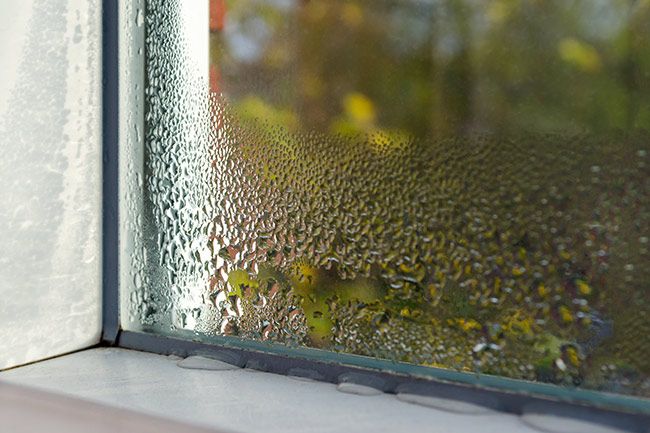
Condensation occurs frequently throughout the winter
Condensation occurs when the air inside a room is warmer than the surface temperature of the window. It builds up faster and more frequently during the winter as we are more likely to turn the heating on, along with our usual daily activities such as cooking, showering, and even breathing.
CEO of Buildsafe, a structural warranty broker, Giles Fallan, explained to HELLO!: "Condensation forms when warm, moist indoor air hits a cold window surface.
"It’s completely normal in winter, but if you’re seeing persistent droplets every morning, it’s a sign your indoor humidity is too high. It’s important to not only be aware of these issues but also to take action."
Is condensation dangerous to health?
The condensation itself isn't harmful, as it is only water. However, when it remains on wood or plaster the moisture can be absorbed into the material and will create damp patches.
Not only can this cause damage to your windowsills, frames and surrounding walls, but it can also cause health issues due to mould developing. This can cause respiratory problems such as asthma and allergies, with babies, children and the elderly most at risk according to the NHS.
 © iStock
What causes condensation on windows in summer?
Condensation on windows in the summer is a result of high humidity levels in the room. During the summer months, the air inside your home is often cooler than the air inside, but with too much indoor humidity, moisture in the air can cause dangerous moulds and mildew to grow.
How to prevent condensation on windows
Cleaning experts Kärcher have shared their top tips to tackle condensation, including the must-have gadget to remove moisture, and how to prevent condensation developing in the first place.
1. Remove moisture before it has time to set in
Soaking up or drawing in the moisture from the room before it has time to manifest can be an easy way to combat condensation and prevent damp from occurring. Unconventional methods include putting cat litter in a sock, tying it up and placing it on a window sill. Putting a bowl of salt on the window sill has also proven to be a good hack. If you’re able to invest in the solution, there are some great humidifiers on the market which absorb all the moisture in the air.
2. Vacuum the damp away with a window vacuum
Cleaning up condensation with a Window Vac can get instant results with a simple swipe. The WV 6 Plus N is Kärcher's most advanced window vac that effortlessly sucks up moisture leaving flat surfaces sparkling clean and streak-free. Kärcher Window Vacs are also a great time-saver as the powerful and rechargeable lithium-ion battery can clean up to 75 windows on one charge - getting the job done three times faster than conventional cleaning methods.
Window vacuums can also be used on any flat surface in the home including windows, showers, and mirrors, ensuring they all stay spotless and streak-free.
3. Let the air in
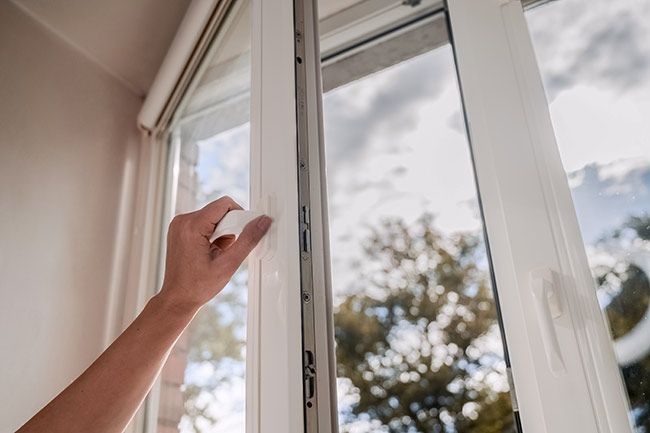
Keeping windows and doors shut throughout the winter months can have negative effects. Ventilating the home by opening the windows for even just 20 minutes a day can drastically reduce the effects of condensation and dampness in homes. Keeping windows open during activities that cause a lot of moisture in the home such as cooking, showering, and drying clothes can also help minimise condensation.
4. Ensure your home has good insulation
Investing in reinsulating the walls of the house could be worth considering if condensation is a recurring issue in your home. Not only will this keep your home warm and reduce costs for heating, but having good insulation greatly determines how much condensation builds up and how long it takes to dry.
MORE: 10 best draught excluders to reduce household energy bills this winter
5. Keep the room temperature regulated
Keeping rooms in the house at a regular warm temperature will stop surfaces from getting cold enough for condensation to build. The heating doesn’t need to be on constantly throughout the day, but a timer can be used to switch on the heating during the coldest periods, or for a period during the night to utilise lower energy rates to save on energy bills. Keeping surfaces warm will prevent condensation from forming. Before switching your heating on for the first time in the winter, take the time to bleed your radiators too to ensure they are running efficiently.
6. Move your indoor plants and furniture
 © iStock
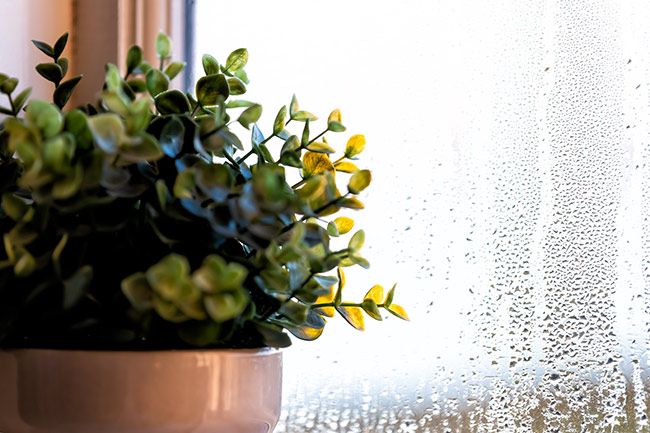
Indoor plants that live on the windowsill naturally release moisture into the air. Consider moving them away from the window during colder months to help reduce the amount of water they release.
If possible, furniture near external walls should also be moved as far away as possible to allow for air to circulate more freely. Your plants may thank you for it too, as window sills are often much colder in winter than in summer and plants like to maintain an all-year round ambient temperature.
How to avoid condensation in the summer
Controlling the condensation on your windows in summer means reducing the humidity – the moisture levels – in your home, and the most effective way to do that is with adequate ventilation.
Dry clothes outside when possible. If you use a tumble dryer, make sure it's vented to the outside. And always use the extractor fan when you're cooking or bathing.
Sarah Hitchings, Sales and Marketing Director at The Residence Collection, comments: "With the summer season being met with a long period of rain, people will be concerned about the effects condensation will have on their home.
"Many people are searching for ways to lower the humidity in their homes without paying the price tag for running a fan or air conditioner during the cost of living crisis. Just by simply changing a few home habits while it's warm during a rainy season and having the right ventilation, people can have a much more enjoyable summer without worrying about summer condensation."
Will a dehumidifier get rid of condensation?
Things can be a little trickier in the winter, of course, but there are some simple solutions available to help alleviate the problem. Your first port of call should be a dehumidifier. It can be a great investment if you have condensation or damp in your home. It will extract moisture from the air and help dry out your home, helping improve the air quality and also helping to improve your sleep.
Does secondary glazing film stop condensation?
Another potential solution to preventing condensation is to add secondary glazing to your windows, according to the experts at Cut Plastic Sheeting.
This method allows for balanced airflow in the gap between the primary glass and the secondary glazed unit while providing an efficient internal seal. This seal prevents condensation from developing and keeps the inner glass from getting too cold, so it could be a cost-effective solution to managing condensation long-term.
Kitchen and bathroom mistakes that make condensation worse
When it comes to condensation, bathrooms and kitchens are at risk of being susceptible to the side effects of too much moisture.
There are a couple of mistakes that people regularly make, which result in condensation covering surfaces and, in bad cases, encouraging the growth of mould.
Forgetting to put on the extractor fan before showering or cooking or leaving all the windows shut during activities that produce a lot of steam will make it impossible for the moisture to evaporate and leave the room.
Blocking airflow with crammed cupboards or furniture that has been pushed tight against external walls will create cold spots that become breeding grounds for bacteria and mould.
Home ventilation specialist and Product and Trends Manager at 247 Blinds, Helen O'Connor, explained: "Bathrooms are the most susceptible to mould growth due to the high moisture levels from steamy showers and baths - a condition in which mould spores thrive.
"Not only this, bathrooms often have poor ventilation to allow moisture to escape, especially in the winter when keeping windows wide open is not always an option. This can lead to mould on the walls and even on your blinds.
"Limit the places where mould can thrive by opting for anti-fungal roller blinds, which are specially coated to resist mould as well as other common bacteria."
Night-time and morning habits for condensation-free windows
Keeping windows in a home free from condensation is a round-the-clock job and needs continued attention to ensure mould and other moisture-related hazards don't grow.
When it comes to an evening routine, it is important to leave small gaps in your bedroom windows open to allow the passage of moisture and fresh air during the night while you breathe out water vapour in your sleep.
It is advised that curtains and blinds have openings to prevent a layer of cold air from getting trapped beneath them, which will result in condensation forming and mould growing.
A top tip at night is to leave a small bowl of salt or silica gel on the windowsill, as it will act as a natural moisture absorber while you're in bed.
In the morning, wipe down the windows as soon as you wake up with a dry cloth and aerate the room by opening the windows wide for at least 10-15 minutes.