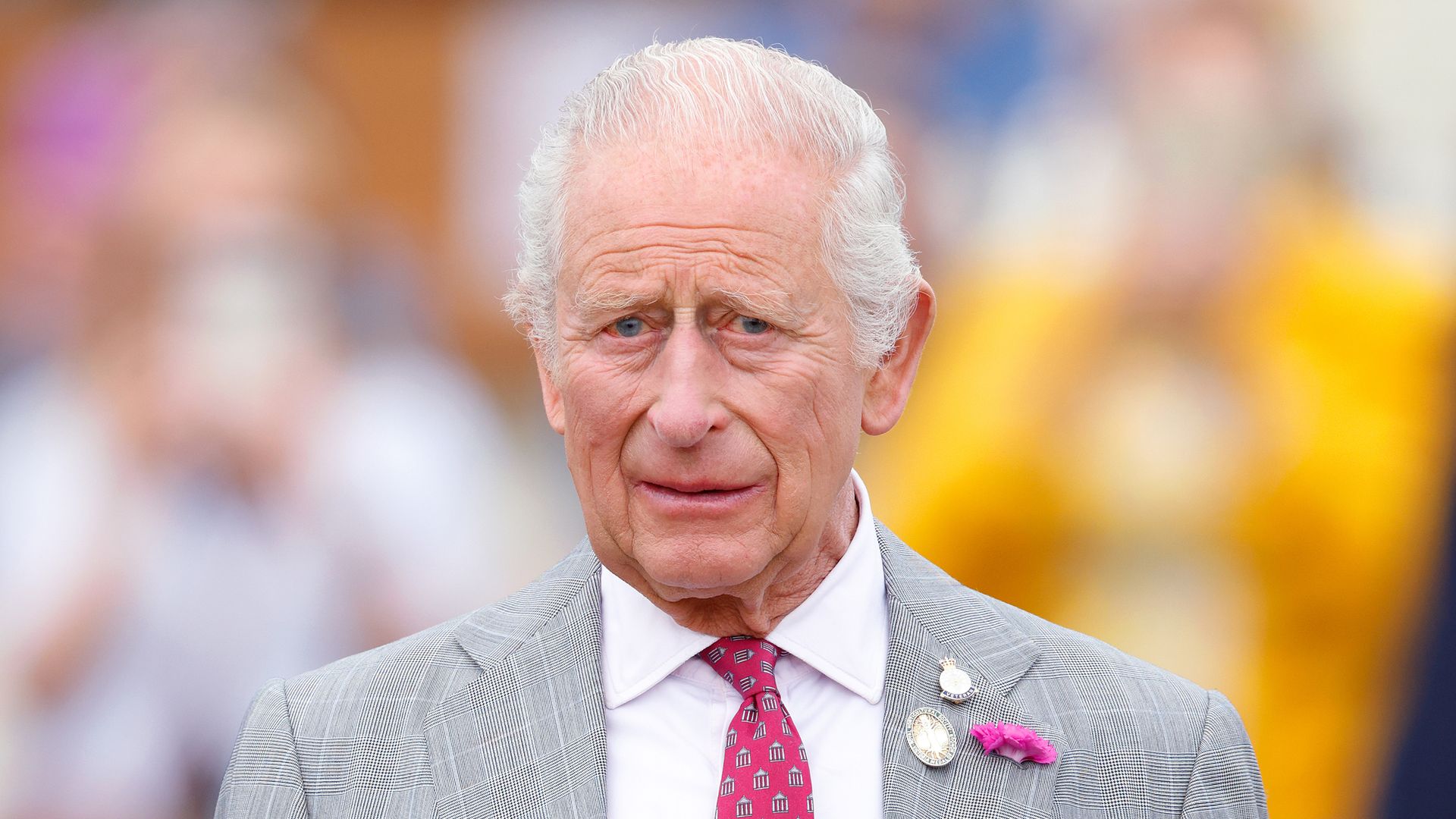

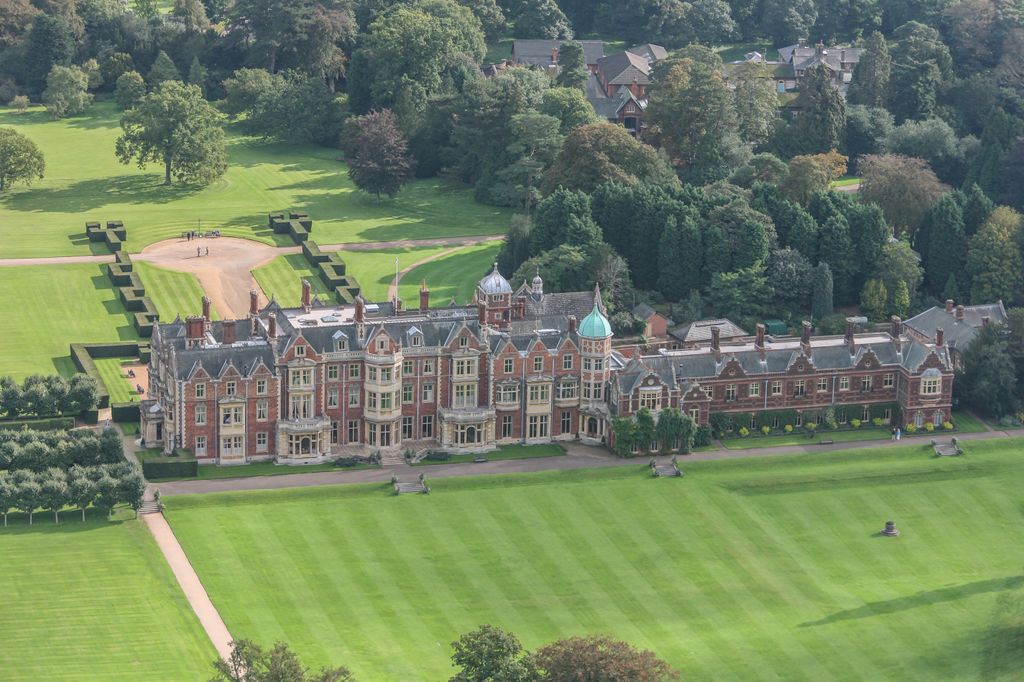
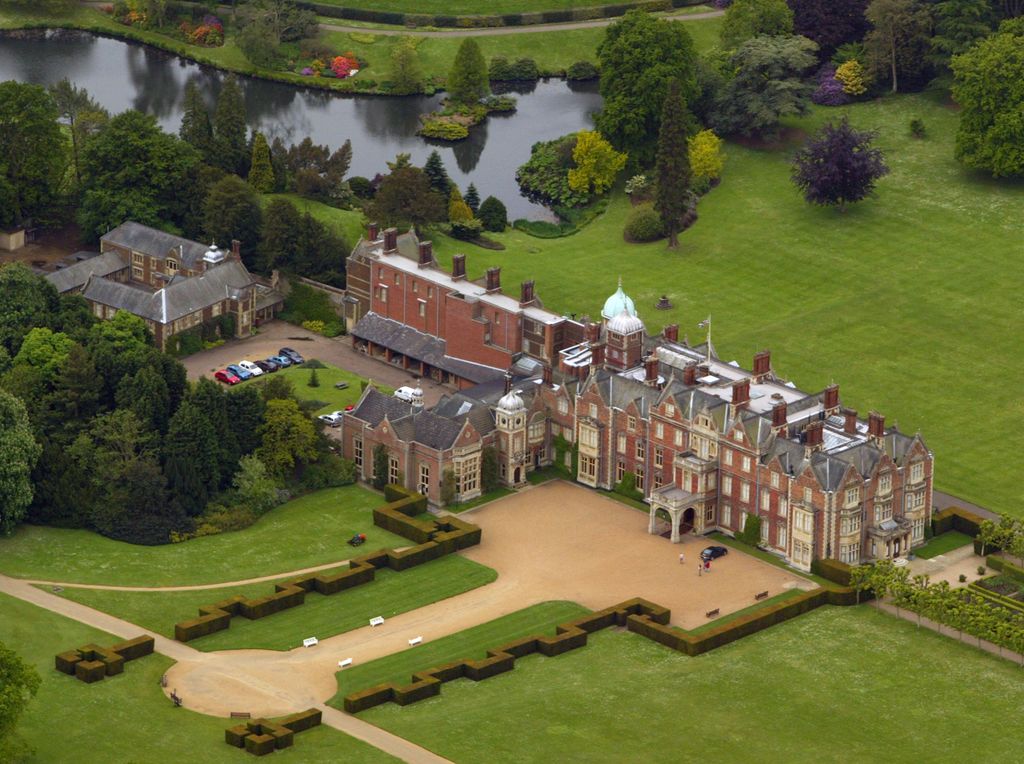
King Charles III is well-known for his environmental efforts, and he's demonstrated his commitment to the cause at his beloved Norfolk home, Sandringham, with an array of changes such as a solar farm, a bee-friendly topiary garden and additional ponds. However, his latest plans have left his neighbours majorly 'concerned'. Read on for all the details…
HELLO! understands that His Majesty has submitted plans to the local council to add a slurry pit - essentially a lagoon - which will be used to store animal manure. As well as the obvious smell issue, there is a string of other concerns from locals.
 © Getty Images
Local health concerns
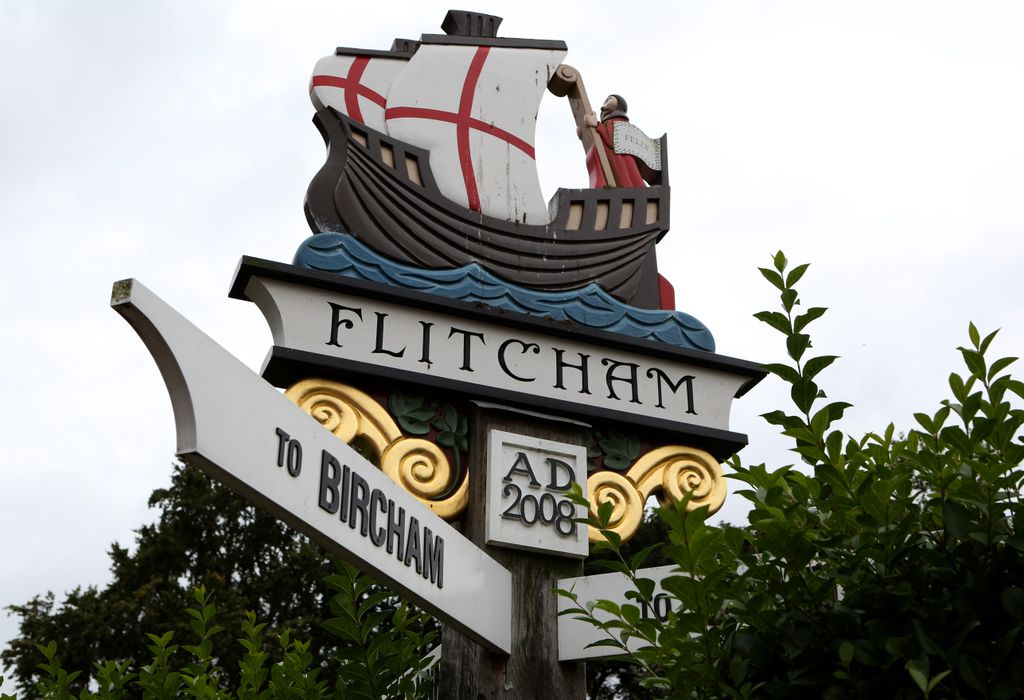
People living in the nearby village of Flitcham have complained about the potential health implications of the feature.
One villager pointed out that slurry pits are "extremely dangerous and pose a significant risk of death or serious injury due to toxic gases. Everything I have read about slurry pits makes for unpleasant reading if you happen to be the unfortunate people who live close by.
They continued: "In fact, if you type: 'Are slurry pits dangerous?' into Google, this is the first response that comes back. 'Yes, slurry pits are extremely dangerous and pose a significant risk of death or serious injury due to toxic gases.'"
 © Getty
"I am extremely concerned about the close proximity of the proposed slurry pit," revealed one neighbour. "The village has a primary school as well as a high proportion of elderly residents whose health could well be affected."
Outlining multiple areas of concern, one wrote: "We strongly object to this proposal for the following reasons: health concerns, extreme smell nuisance, a serious risk of home devaluation, decrease in enjoyment of your house (living enjoyment,) which will impact mental health, decrease in tourists visiting the area which will impact local business and therefore the local economy."
It is worth noting, while slurry gases are dangerous in confined spaces, because the slurry pit is open-air, for neighbours, the smell would be more the issue rather than any significant harm.
 © PA Images via Getty Images
One villager has also remarked that they fear people won't speak out against it because of the monarchy. "People rent their homes from the Estate and others have their businesses in properties that belong to the Estate. They are unlikely to want to rock the boat and put their homes and businesses 'at risk' of getting in the Estate's bad books, so to speak," they said.
King Charles' planning permission application
A statement submitted to King's Lynn and West Norfolk Borough Council with the planning application said: "The proposals involve the formation of a fertiliser storage lagoon to serve an extensive, established land holding of approximately 2,700 hectares. This is farmed to grow crops, including modern and traditional wheat, barley, beans, and oat varieties, plus a range of heritage grains.
Celebrate the magic of monarchy with HELLO!’s stunning collector’s edition – the ultimate gift for royal fans. Inside you’ll find exclusive features, dazzling photography and a look at what’s next for the royal family in 2026.
- Discover festive traditions and family secrets
- Enjoy entertaining quizzes and puzzles
- Relive the most unforgettable moments of 2025
Click the link below to get your copy – a keepsake no royal admirer should be without.
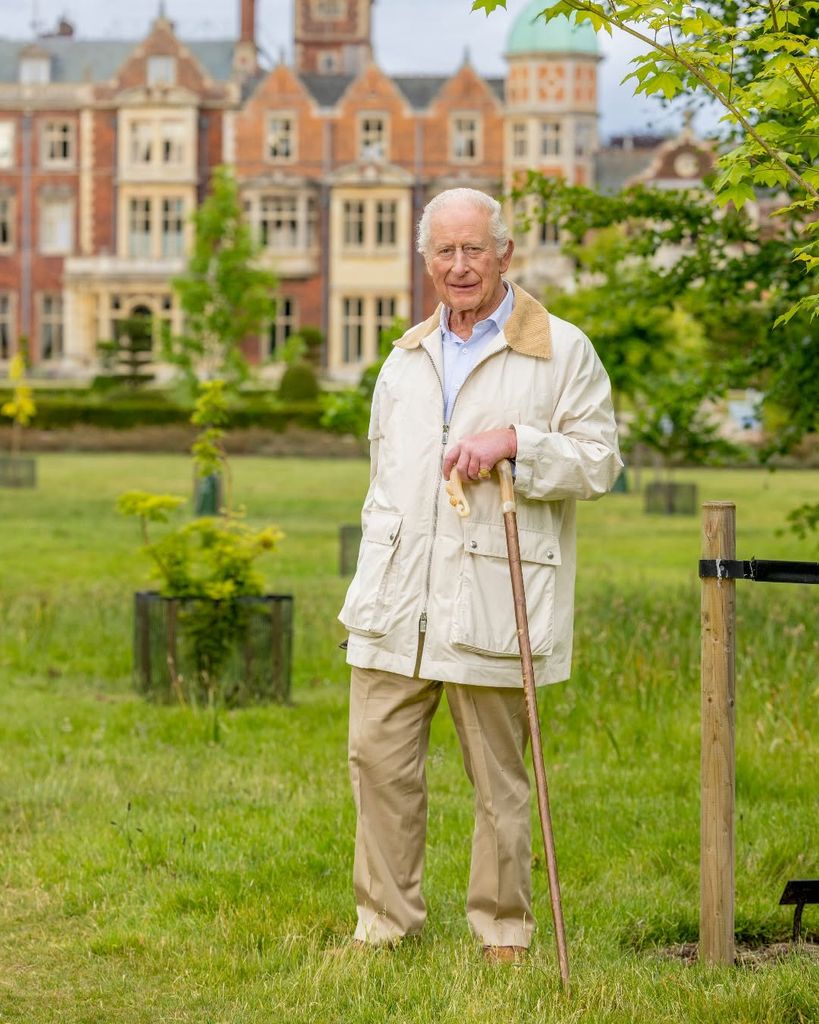
"…As part of the Estate's ongoing conservation management, an area of arable land has been converted to agroforestry which involved the integration of crops and livestock in woodland, or among trees, to improve biodiversity."
 © Millie Pilkington
The statement also added: "The site is ideally located to meet the need for storage capacity, being centrally located to the network of fields in question, as well as being visually contained by the mature vegetation forming the field boundaries, which will minimise the visual impact of the structure within the wider landscape.
"…The use of such organic fertilisers provides a source of organic material to the soil, thereby improving its health and capturing carbon, as well as enhancing the sustainability credentials of the business by reducing reliance on manufactured chemical fertilisers."
How is it an eco-friendly move? The Soil Association explains: "Organic farming reduces greenhouse gas emissions by severely restricting the use of manufactured chemical fertilisers."
It has also been proposed that the lagoon would be surrounded by an idyllic grass meadow and wildflowers, obscuring it slightly.
 © Getty
Plans show the massive lagoon will be almost 4,000 square metres – half the size of a football pitch - and be able to hold almost 10,000 cubic metres of fertiliser.
The permission for this lagoon has not yet been granted by the council.
King Charles took over the running of the 20,000-acre Sandringham estate when his father, Prince Philip, retired from public life in 2017, and he has made an array of changes since. Time will tell if the slurry pit is another major eco change for the monarch.