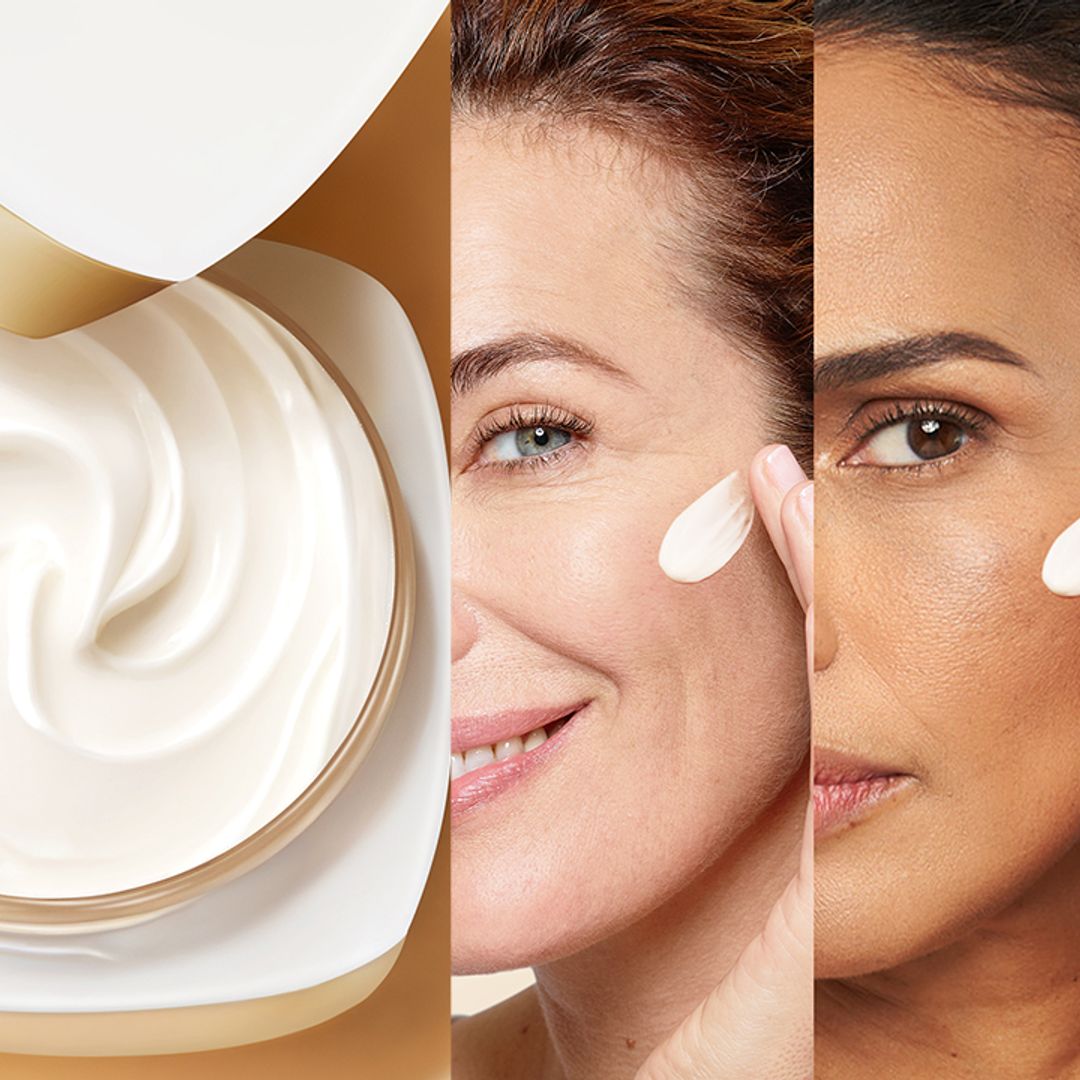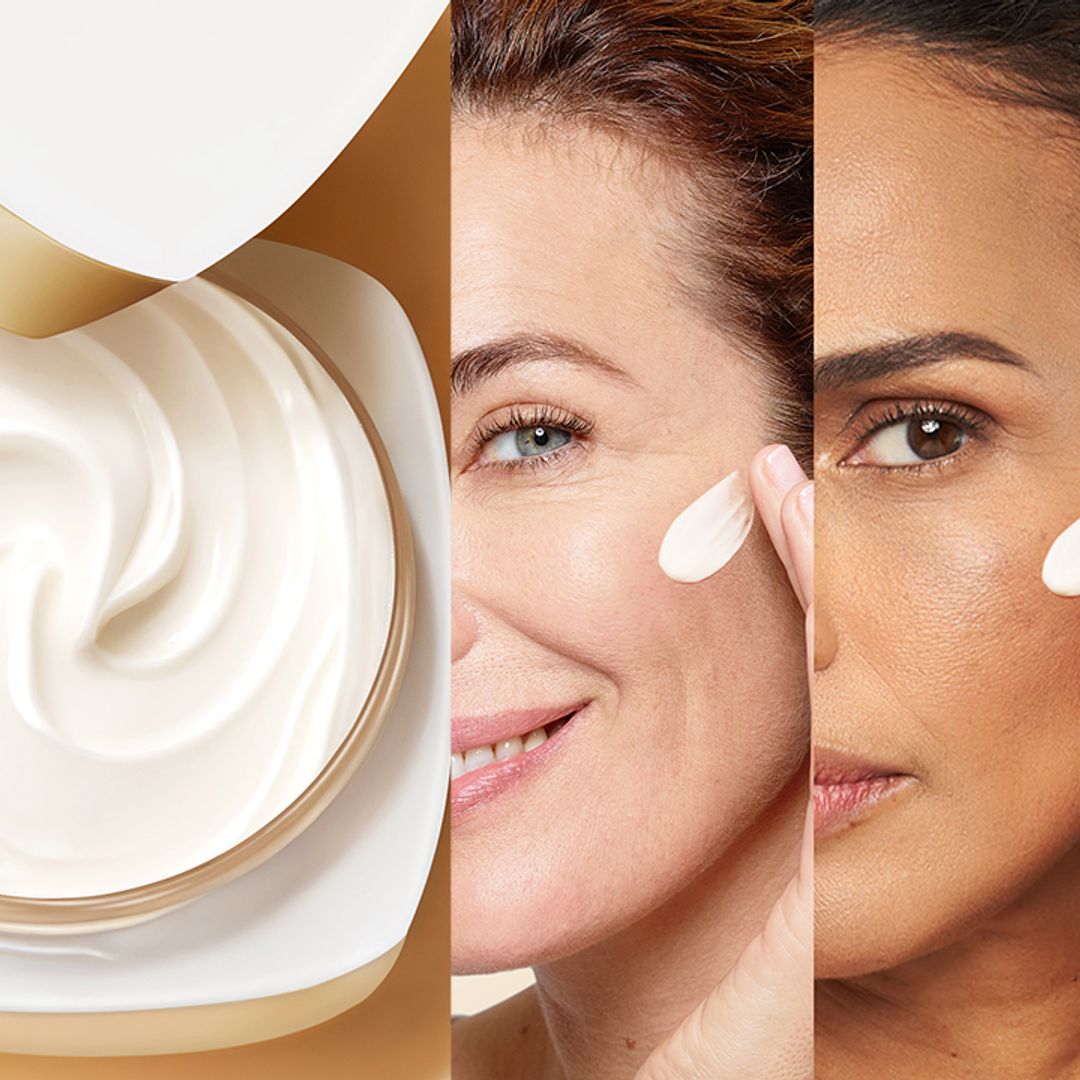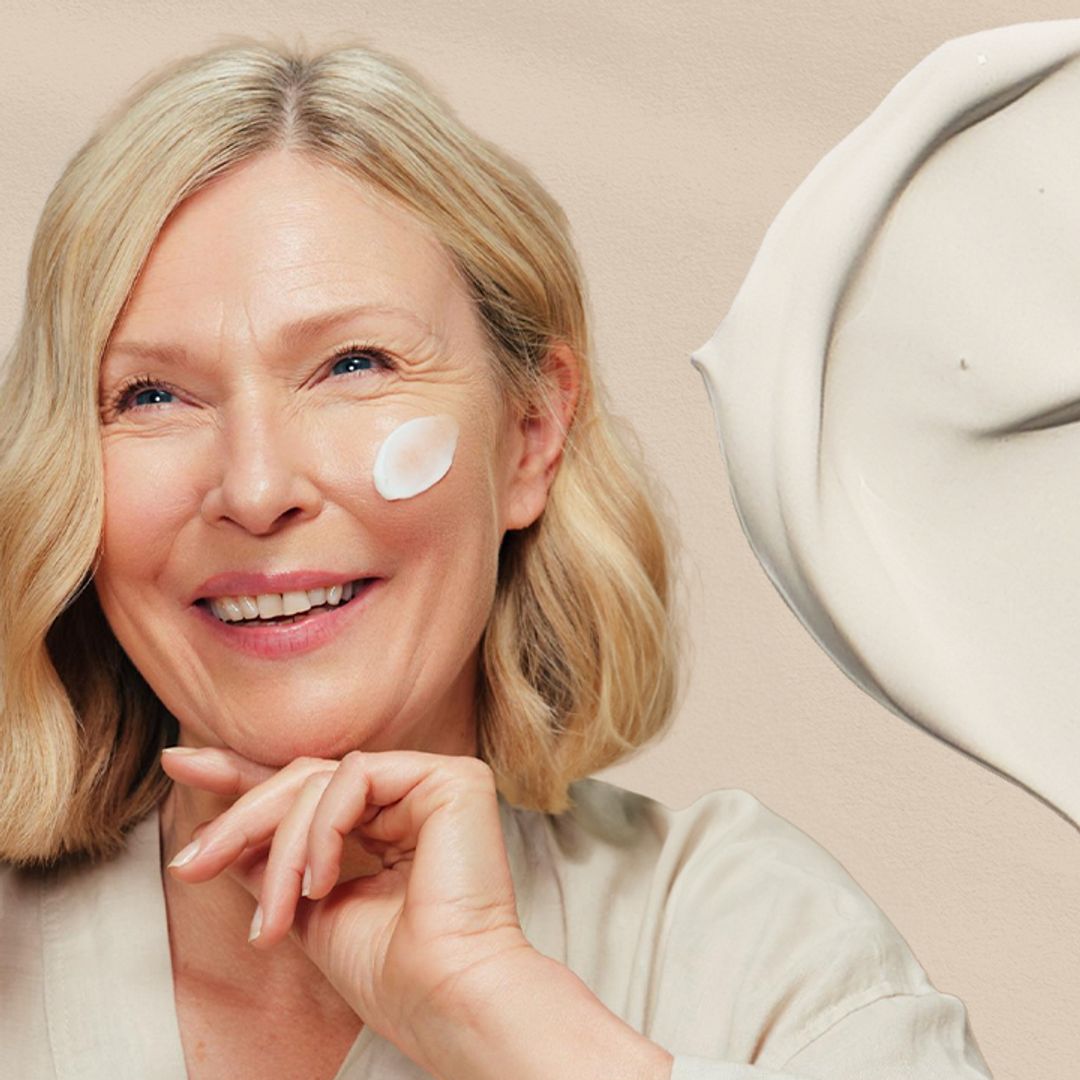
There are plenty of things to look forward to as a woman heading into your forties, fifties, sixties, and beyond – but dry skin is not one of them. It is a common problem that, as we age, we start to notice our skin feeling tight, flaky or textured. Even those of us who have oily skin, over time, can start to feel that our skin isn't feeling as hydrated as it once did, no matter how many lotions and potions we apply.
Here to help guide you through this problem is our handy guide to what causes dry skin as we age, how your products may be interfering with your skin, and how best to combat the issue. We have enlisted the help of Juan Lopez, a London-based medical aesthetic nurse with over 15 years of experience in the field of cosmetic treatments, to help answer all our burning questions when it comes to dry complexion and to offer his top tips for reviving your look.
What happens to skin as we age?
The first thing that Juan tells us about dry skin in women over 40 is that it is an extremely common skin complaint, even if you have long had oily skin or you generously apply face cream.
 © Getty Images
"Collagen and elastin – the fibres that give the skin its strength and bounce – decline gradually every year," he explains. "The oil glands also slow down, producing less sebum, so the surface loses its natural lubrication. This process is more acute when we reach around 40 years old and increases more rapidly with the ageing process."
He adds that while this is happening, cell turnover slows down, meaning old cells linger on the surface. "The skin's barrier becomes weaker, letting moisture escape more easily as the lipid layer is compromised. The result is skin that feels tight, looks dull, and doesn't hold hydration the way it once did," he says.
"Hormonal changes during menopause add another layer. Falling oestrogen levels reduce the skin’s own production of hyaluronic acid – the molecule responsible for keeping skin plump and hydrated – making dryness even more noticeable."
Other factors that worsen dryness
While dryness is a natural byproduct of ageing, exterior factors can contribute to the issue. "Cold weather, central heating, and excessive sun exposure can all sap water from the skin," Juan tells us. "So can over-exfoliating or using harsh foaming cleansers. I often see patients who are simply doing too much – scrubs, acids, multiple actives – which strip away natural oils and disrupt the delicate skin barrier."
 © Getty Images
How to soothe and strengthen ageing skin
Fret not, Juan says there are lots of practices you can pick up in order to soothe ageing skin – and strengthen the skin barrier to reduce dryness.
"I structure every routine around what I call the 'Five Fundamental Products' from my skin care philosophy. Start with a gentle cleanser that respects the barrier. Follow in the morning with a hydrating serum rich in hyaluronic acid or squalane, then an antioxidant serum such as vitamin C or niacinamide to protect against daily stress," Juan explains.
 © Getty Images
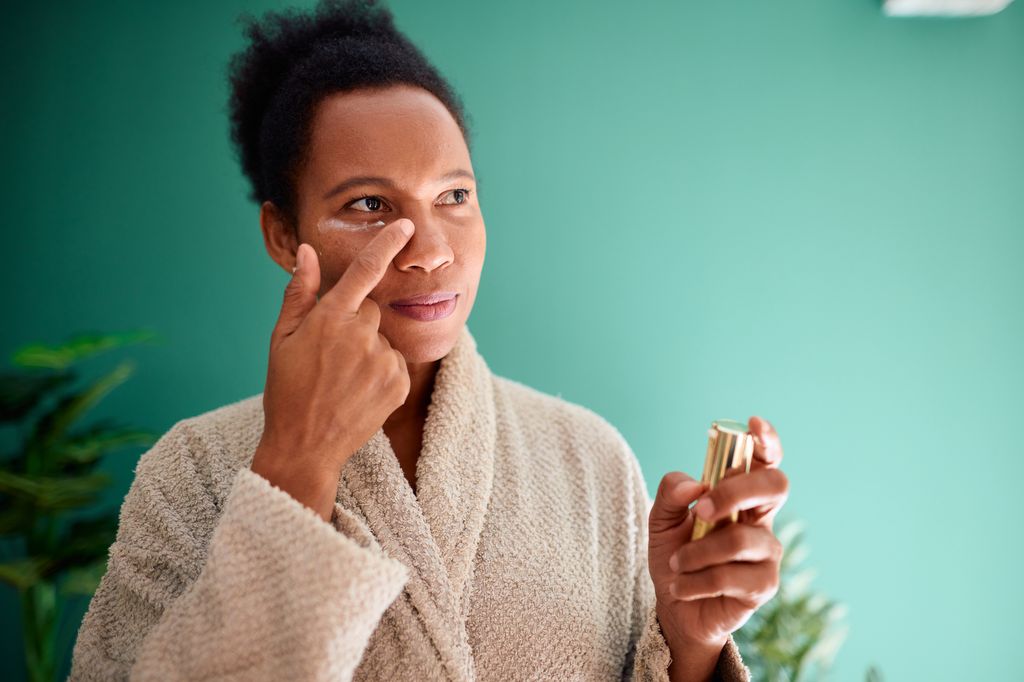
"Seal everything with a moisturiser packed with ceramides to strengthen the lipid layer, and never skip SPF 30 to 50, even in winter. At night, after cleansing, apply your hydrating serum and then introduce a mild retinol two or three nights a week.
"Retinol encourages faster cell renewal and boosts collagen production, helping the skin look smoother and more luminous," he adds. "If your skin is prone to dryness, buffer it by applying your moisturiser first or mixing the two together. On non-retinol nights, finish with a rich night cream or a hydrating overnight mask to lock moisture in."
 © Getty
Juan also explains that environmental hydration matters too, so during colder months or if you use central heating, a humidifier can make a remarkable difference. "It adds moisture to the air, reducing the rate of water loss from your skin overnight – especially when paired with your evening skincare routine," he says. "Think of it as creating a gentle, invisible cocoon of humidity around your skin while you sleep. Think of your routine as refilling a water tank: hydration first, then sealing it so it doesn’t leak out."
When to seek expert advice
There might be a point where you struggle to hydrate your skin through any of Juan's recommended methods, and you should seek expert advice. "If your skin feels persistently rough, itchy, or inflamed, it could be linked to eczema, dermatitis, or another medical issue. That's when it’s time to see your GP or dermatologist for guidance," he says.
Expert's top tips
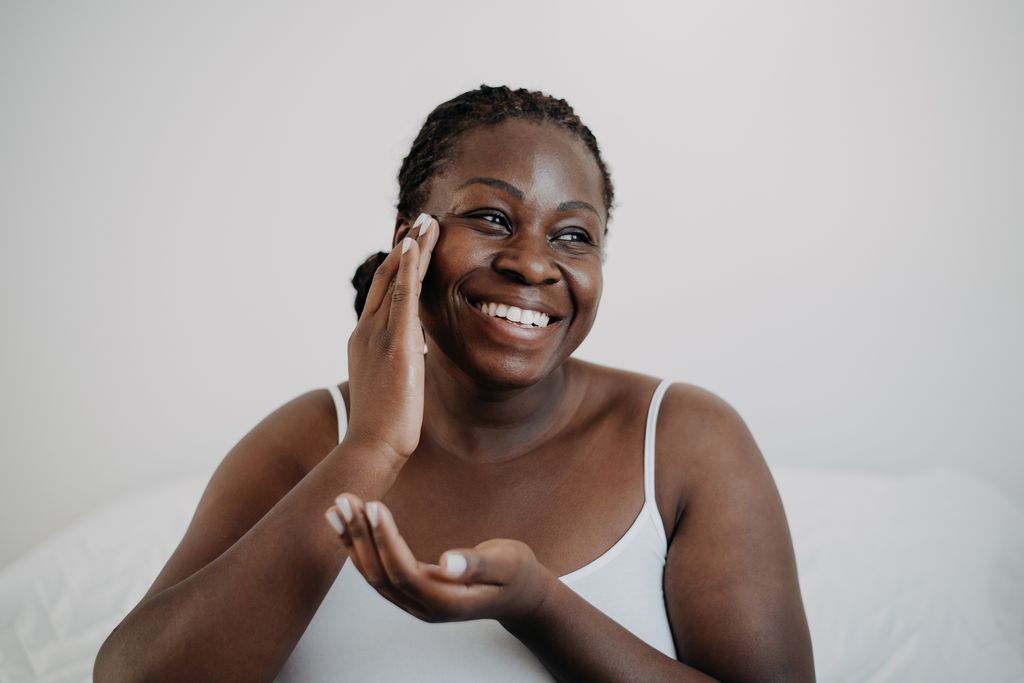
Juan's number one tip relates to when topical creams simply aren't enough. "That's where mesotherapy comes in. This treatment delivers microscopic droplets of hyaluronic acid and vitamins directly into the dermis, the precise layer of skin where hydration is stored," he says.
 © Getty
"By reaching the right depth – deeper than any cream can go – mesotherapy replenishes the skin's water reservoir, improves elasticity, and stimulates the fibroblasts that produce collagen and elastin. The effect isn't artificial or over-filled; it's simply healthy, plump, luminous skin that holds moisture again."
How to structure your morning and evening skincare routine for maximum hydration
Morning
- Cleanse
- Hydrating serum
- Antioxidant serum
- Moisturiser
- SPF
Evening
- Cleanse
- Hydrating serum
- Mild retinol (two to three nights per week)
- Rich moisturiser or overnight mask